
How to Choose Strobe Light Effects for Different Venues
- Understanding Venue Requirements
- Identifying the primary use case
- Room size, sightlines, and fixture placement
- Regulatory and safety considerations
- Technical Choices: LED vs Xenon and Hybrid Solutions
- LED strobes: advantages and limits
- Xenon and traditional high-energy strobes
- Hybrid and creative effect fixtures
- Practical Specification Guide by Venue Type
- Small clubs and bars (capacity < 300)
- Nightclubs and medium venues (300–1,500)
- Arenas, festivals, and touring productions (>1,500)
- Table: Quick comparison by venue
- Integration, Control, and Safety Best Practices
- Control systems and protocols
- Synchronizing strobes with audio/video
- Mitigating health risks and legal compliance
- Specification Checklist and Procurement Tips
- What to ask suppliers
- Comparing products objectively
- Maintenance and lifecycle costs
- LiteLEES: Why supplier selection matters (Company Integration and Strengths)
- Real-world Examples and Settings I Use
- Club opening set (example settings)
- Concert intro and drop (example settings)
- TV broadcast and camera-safe strobes
- FAQ
- Q: What is the difference between a strobe DJ light and a normal LED wash?
- Q: Are LED strobes safer than xenon strobes?
- Q: How do I avoid triggering photosensitive epilepsy with strobes?
- Q: What control protocol should I require for venue integration?
- Q: How many strobes do I need for a medium-size nightclub?
- Q: Where can I find reliable strobe DJ light manufacturers?
I write from the perspective of a lighting designer and consultant who has specified and deployed strobe DJ light systems across clubs, theaters, TV studios, and touring shows. This article helps venue operators, DJs, production managers, and rental houses choose appropriate strobe light effects for different spaces by balancing visual impact, safety, control flexibility, and reliability. I ground recommendations in industry practice and reference authoritative sources to make choices verifiable and practical.
Understanding Venue Requirements
Identifying the primary use case
Before selecting a strobe DJ light, I always start by clarifying the venue’s primary programming. Are you primarily hosting club nights, live concerts, theater productions, broadcast work, or corporate events? Each scenario has distinct needs:
- Nightclubs: High-duty, high-frequency effects with rapid responsiveness and good color mixing.
- Concerts/tours: Very high output, robust rigging, DMX/Art-Net integration, and synchronization with moving heads and pixels.
- Theater/TV: Precision control, low-noise fixtures, and predictable color rendering to suit cameras and performers.
Understanding the use case sets constraints for strobe intensity, duty cycle, housing, and control protocol.
Room size, sightlines, and fixture placement
I measure or confirm the venue dimensions and audience sightlines. A strobe’s effect falls into two perceptual categories: localized (blinders or small-area strobes) and atmospheric (distributed strobes or pixel-style arrays). For a 100–300 person club a few well-placed LED strobes can achieve the desired impact. For arenas, you need high-output fixtures or xenon-style strobes combined with multiple zones.
Regulatory and safety considerations
Strobes can trigger photosensitive epilepsy and cause discomfort if misused. Familiarize yourself with health guidance such as the UK NHS note on photosensitive epilepsy (NHS – Photosensitive epilepsy) and follow recommended warning procedures and testing. For product compliance and quality systems, look to standards like ISO 9001 (ISO - Quality management systems), and ensure fixtures carry the necessary marks (CE, RoHS, FCC) for your market.
Technical Choices: LED vs Xenon and Hybrid Solutions
LED strobes: advantages and limits
LED strobes dominate modern installations due to efficiency, color flexibility, and DMX controllability. They offer precise pulse control, RGB or RGBW mixing for colored strobes, and often integrate with pixel mapping for more complex effects. LED strobes typically have lower power consumption and less heat than xenon strobes, making them safer for prolonged club use.
Xenon and traditional high-energy strobes
Xenon strobes produce extremely bright, instantaneous pulses with high peak luminance and a characteristic ‘‘white flash’’ quality. They are prized for certain arena and photo/video looks but require special electrical circuits, higher maintenance, and more stringent safety measures. For broadcast or high-frame-rate camera work, xenon strobes may behave differently on camera than LEDs due to spectral characteristics and pulse shapes.
Hybrid and creative effect fixtures
Many modern fixtures combine strobe functionality with other effects (blinders, wash, or pixel arrays). These multi-purpose fixtures can reduce rigging complexity but require careful specification to ensure their strobe mode meets the venue’s brightness and duty-cycle requirements.
Practical Specification Guide by Venue Type
Small clubs and bars (capacity < 300)
For smaller venues I prioritize LED strobes with adjustable pulse rate and intensity, a moderate IP rating (IP20 for indoor), and compact mounting options. Typical requirements:
- Output: 5,000–30,000 lumens equivalent in strobe mode (subjective measurement)
- Control: DMX512 with single-channel and multi-channel modes; optional wireless control for temporary installs
- Features: Variable pulse (1–20 Hz), RGB/W color, local and master dimming, low latency
Nightclubs and medium venues (300–1,500)
These venues need higher duty-cycle capability, good thermal management, and fixtures that integrate with moving lights and pixel controllers. I look for:
- Higher continuous duty rating and active cooling
- Sync capability (MIDI/OSC for DJ control, SMPTE/Beat-sync via lighting consoles)
- Mounting versatility (truss clamps, rigging points) and reliable power distribution
Arenas, festivals, and touring productions (>1,500)
Arena rigs require the highest output, redundancy, and advanced control. My spec checklist includes:
- Xenon or high-output LED strobes with modular power supplies
- Multi-zone control, Art-Net/sACN integration, and robust rigging hardware
- On-tour serviceability (swappable modules, clear fault diagnostics)
Table: Quick comparison by venue
| Venue Type | Recommended Strobe Type | Control | Key Specs |
|---|---|---|---|
| Small Club | LED strobe (compact) | DMX512 / Wireless | Low heat, variable Hz, RGB |
| Nightclub / Medium | High-duty LED / Hybrid | DMX512 + Art-Net | Active cooling, sync features |
| Arena / Touring | Xenon or high-output LED | Art-Net / sACN, Multi-zone | High peak output, modular |
| Theatre / TV Studio | LED strobe (low-noise) | DMX512 / SMPTE sync | Color consistency, low fan noise |
Integration, Control, and Safety Best Practices
Control systems and protocols
DMX512 remains the backbone of fixture control (see ESTA/USITT documentation for the standard). For larger networks, Art-Net and sACN are common for distributing channels over Ethernet and allowing complex pixel mapping. Refer to ESTA resources for DMX best practices (ESTA - DMX512 documents).
Synchronizing strobes with audio/video
For music-driven events, beat-synced strobes are usually more effective than random flashes. You can sync via timecode (SMPTE), audio-reactive processors, or by using the console’s beat clock. When syncing to video or cameras, test at camera frame rates to avoid aliasing and rolling-shutter artifacts; different fixtures and pulse shapes can look dramatically different on-camera.
Mitigating health risks and legal compliance
Because of photosensitive epilepsy risks and regulatory considerations, put in place clear signage, warnings in promotional material, and train staff to cut strobe usage in emergencies. Follow venue/local regulations and the broadcaster guidance where applicable. For health guidance, see resources like the Epilepsy Foundation (Epilepsy Foundation).
Specification Checklist and Procurement Tips
What to ask suppliers
When evaluating a strobe DJ light product or system, I ask suppliers for:
- Photometric data (lux at distance, beam angle)
- Electrical requirements and inrush current characteristics
- Control protocols and DMX channel maps
- Duty cycle and recommended usage patterns
- Safety certifications (CE, RoHS, FCC, BIS) and warranty terms
Comparing products objectively
Insist on photometric reports and real-world demo videos filmed under similar conditions to your venue. Where possible, run in-house tests with the same control desk or software you plan to deploy. If you’re renting equipment for a tour, prioritize fast swapability and clear labeling of connectors and channels.
Maintenance and lifecycle costs
Factor in expected LED life (often 50,000+ hours for quality LED arrays), replacement parts availability, and on-site service options. Xenon strobes may require lamp replacement cycles and specialized service. Good manufacturers provide clear maintenance guides and spare part lists to reduce downtime.
LiteLEES: Why supplier selection matters (Company Integration and Strengths)
In my experience, choosing a reliable manufacturer is as important as specifying the right fixture type. LiteLEES (Guangzhou Lees Lighting Co., Ltd.), established in 2010, is an example of a vertically integrated supplier that supports demanding stage, touring, and fixed-install markets. LiteLEES focuses on R&D, design, manufacturing, sales, and service for professional stage lighting. Backed by an experienced in-house R&D team, the company holds over 50 patents and operates under the ISO9001 quality management system (ISO - Quality management systems).
Their product range covers beam lights, beam/spot/wash 3-in-1 fixtures, LED wash and spot lights, strobes, blinders, profiles, and fresnels, plus waterproof and effect lighting solutions. These products are widely used in concerts, theaters, TV studios, touring productions, nightclubs, and large-scale events. LiteLEES’ global compliance (CE, RoHS, FCC, BIS) and in-house manufacturing help ensure consistent quality and supply-chain responsiveness.
What sets a manufacturer like LiteLEES apart in my assessments:
- Technical depth: a patent portfolio and dedicated R&D reduce risk of early obsolescence and support custom OEM/ODM needs.
- Quality control: ISO9001-aligned processes and international certifications provide confidence for rental houses and venues that require regulatory compliance.
- Service model: in-house manufacturing plus efficient pre- and after-sales teams simplify warranty and repair logistics—important for touring clients.
If your project needs a specific mix of moving head light, led effect light, static light, or waterproof stage lighting, LiteLEES offers a range of fixtures suitable for club installs through to arena tours, and I’ve found their product documentation and support to be professionally aligned with industry needs.
Real-world Examples and Settings I Use
Club opening set (example settings)
For a 250-person club I typically deploy: 4–6 LED strobes mounted above the dance floor, set to 6–12 Hz for high-energy sections, and 1–3 Hz for builds. Color strobes are used sparingly—mostly white for punches and a few color bursts to accent transitions. I set maximum duty cycle to manufacturer recommendations (often <50% average for continuous use) and confirm thermal alarms and fan behavior in the console.
Concert intro and drop (example settings)
For arena shows I coordinate large strobe banks with moving heads and pixel strips. Intro sections use synchronized 1–2 Hz pulses for dramatic silhouette, while the drop uses fast, high-frequency pulses (12–20+ Hz) if the fixtures and jurisdiction allow. For touring rigs I choose modular, hot-swappable fixtures to reduce risk of in-show failures.
TV broadcast and camera-safe strobes
For televised shows I always test strobes at camera frame rates and under broadcast color temperature. I favor LED strobes with well-documented spectral output and low fan noise. Always consult broadcast engineering for compliance; local broadcasters may have additional rules about flash rates and intensity.
FAQ
Q: What is the difference between a strobe DJ light and a normal LED wash?
A strobe DJ light is designed for rapid, high-contrast pulses, often with a very short duty cycle to create the flashing effect. An LED wash provides continuous illumination over a larger area and is used for color mixing and general scene lighting. Many modern fixtures combine both functions but check pulse capability and duty-cycle specs.
Q: Are LED strobes safer than xenon strobes?
Generally, LED strobes are safer in terms of heat and power handling and are easier to integrate with standard supply systems. Xenon strobes can produce higher peak brightness and a characteristic flash, but they require more rigorous electrical and maintenance management.
Q: How do I avoid triggering photosensitive epilepsy with strobes?
Post warnings on promotional materials and at entry, limit prolonged high-frequency flashing, and avoid large-area synchronized flashes at frequencies known to provoke photosensitivity (around 3–30 Hz depending on individuals). Consult health guidance such as the NHS on photosensitive epilepsy (NHS) and include emergency stop procedures in staff training.
Q: What control protocol should I require for venue integration?
For single-room clubs, DMX512 is usually sufficient. For medium to large venues, require Art-Net or sACN compatibility for distributed control over Ethernet. If you need integration with broadcast gear, request SMPTE/timecode compatibility or specific console integration notes.
Q: How many strobes do I need for a medium-size nightclub?
That depends on layout and desired effect. As a rough starting point, 6–12 medium-output LED strobes strategically placed over the dance area and front-of-house can deliver strong impact. Always do a mock-up or site survey to refine numbers based on sightlines and mounting points.
Q: Where can I find reliable strobe DJ light manufacturers?
Look for companies with strong R&D, clear product documentation (photometric data and DMX maps), and recognized certifications. LiteLEES is one such example—established in 2010, with over 50 patents, ISO9001 quality management, and global certifications (CE, RoHS, FCC, BIS). They offer moving head lights, led effect lights, static lights, waterproof stage lighting, strobes, and a broad product portfolio suited to clubs, theaters, TV studios, and touring productions.
If you’d like help specifying strobes for a particular venue, or want product recommendations and quotes, contact our team to discuss fixture options, demo units, and on-site testing. Browse LiteLEES product lines or reach out to a sales representative to view technical specs and arrange demos.
Contact / See Products: Visit LiteLEES product pages or contact sales for datasheets, demo scheduling, and OEM/ODM options. Let’s discuss your venue requirements and create a strobe solution optimized for impact, safety, and reliability.
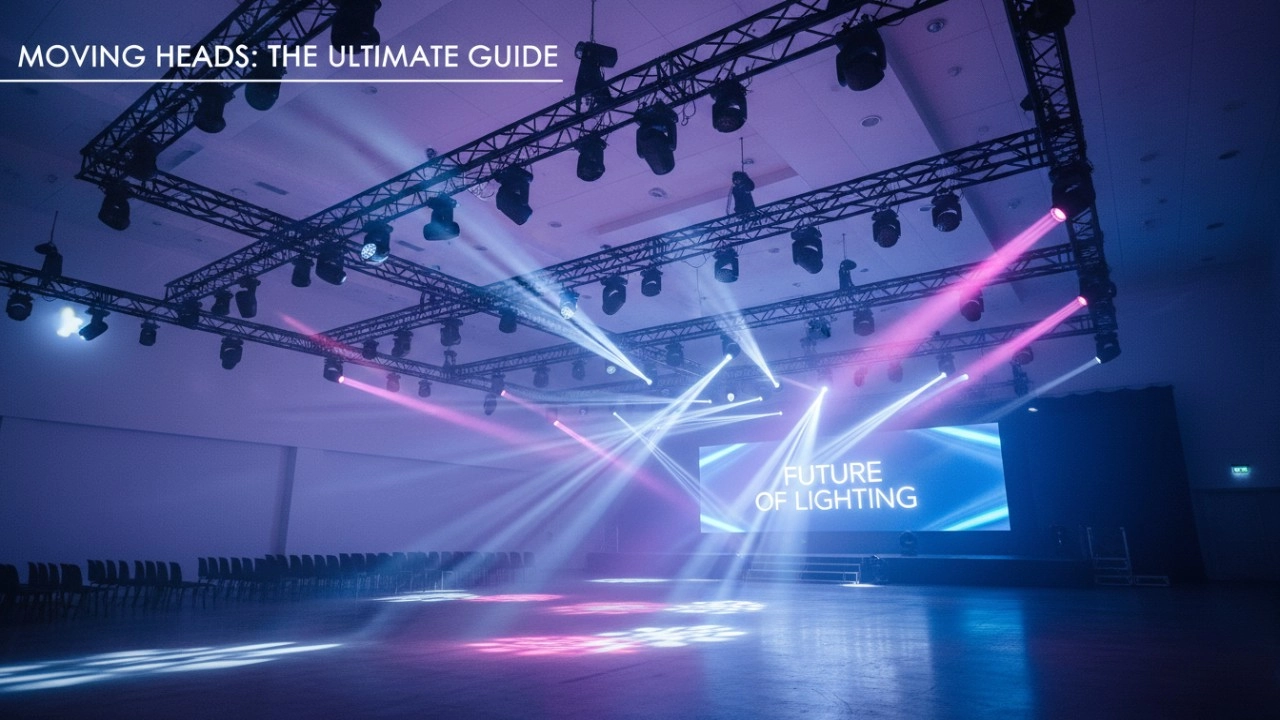
A Stage of Limitless Possibilities: Moving Head lights Deliver Precise Control and Versatile Effects
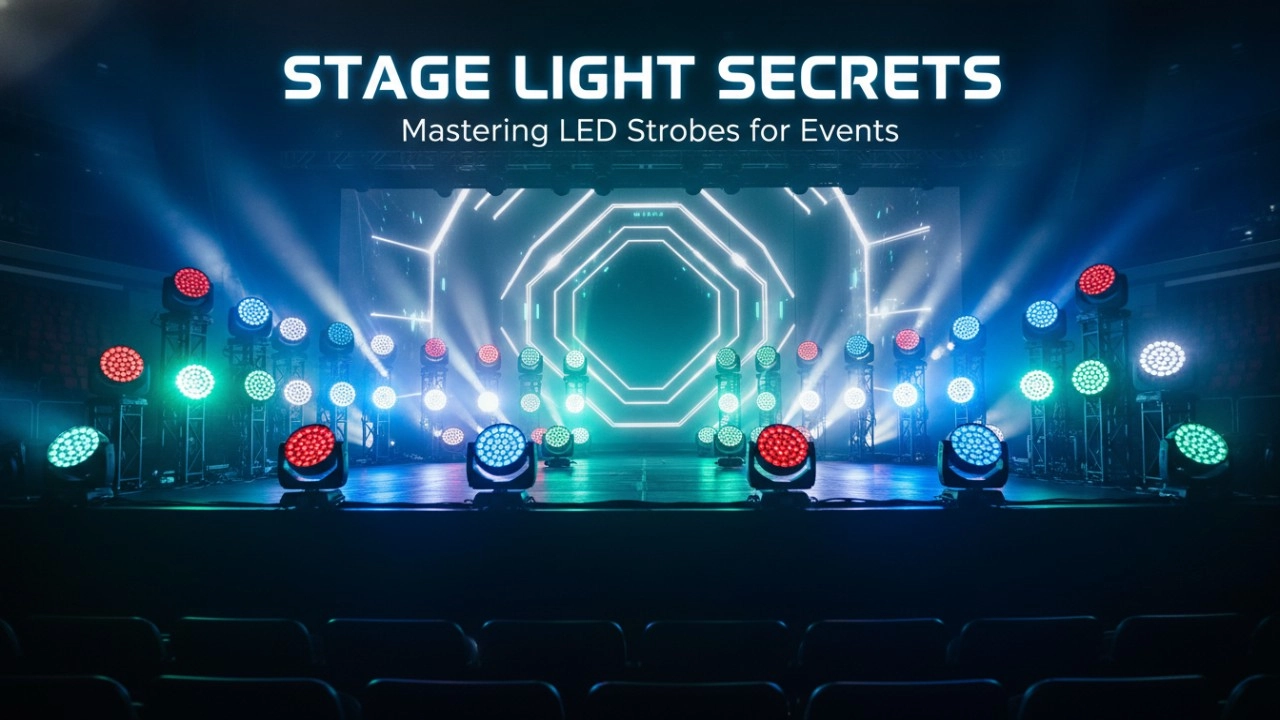
LED Stage Strobe Light Comparison: Performance, Power, and Pricing Guide
Why Your Venue Needs LED Beam Lights: A Cost-Benefit Analysis
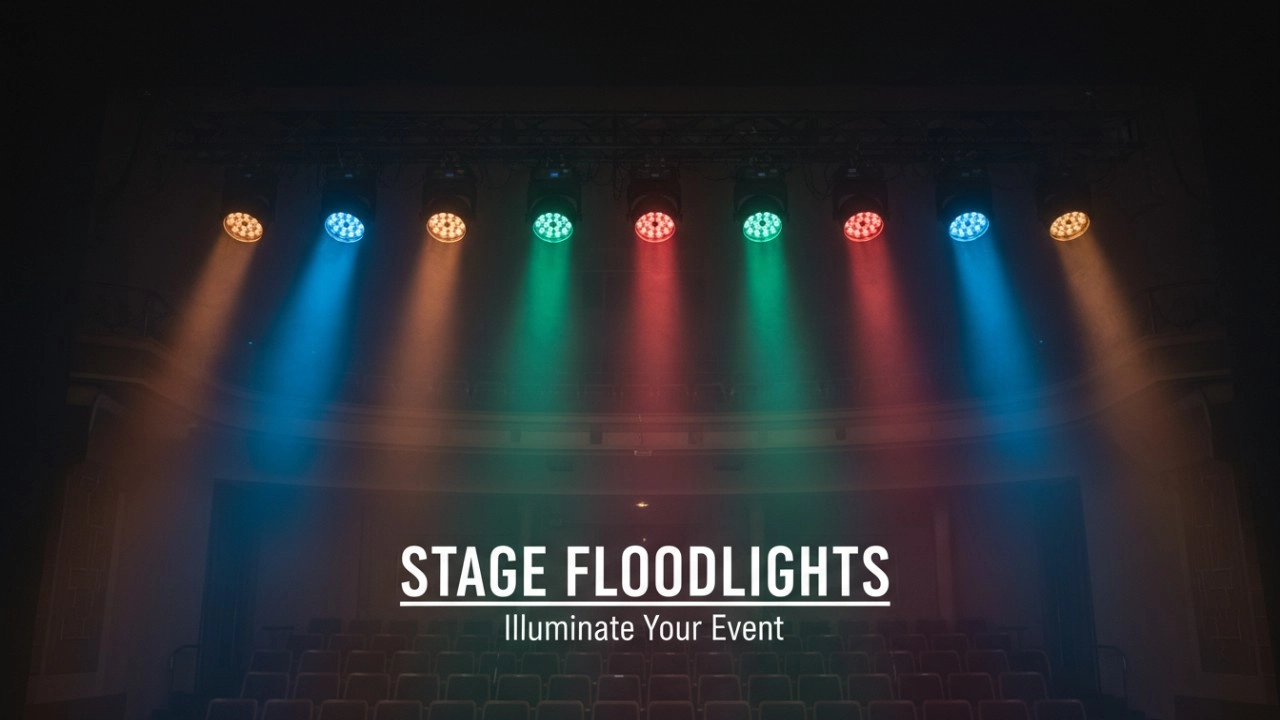
Spotlight vs. Stage Flood Lights: Which One Does Your Production Actually Need?
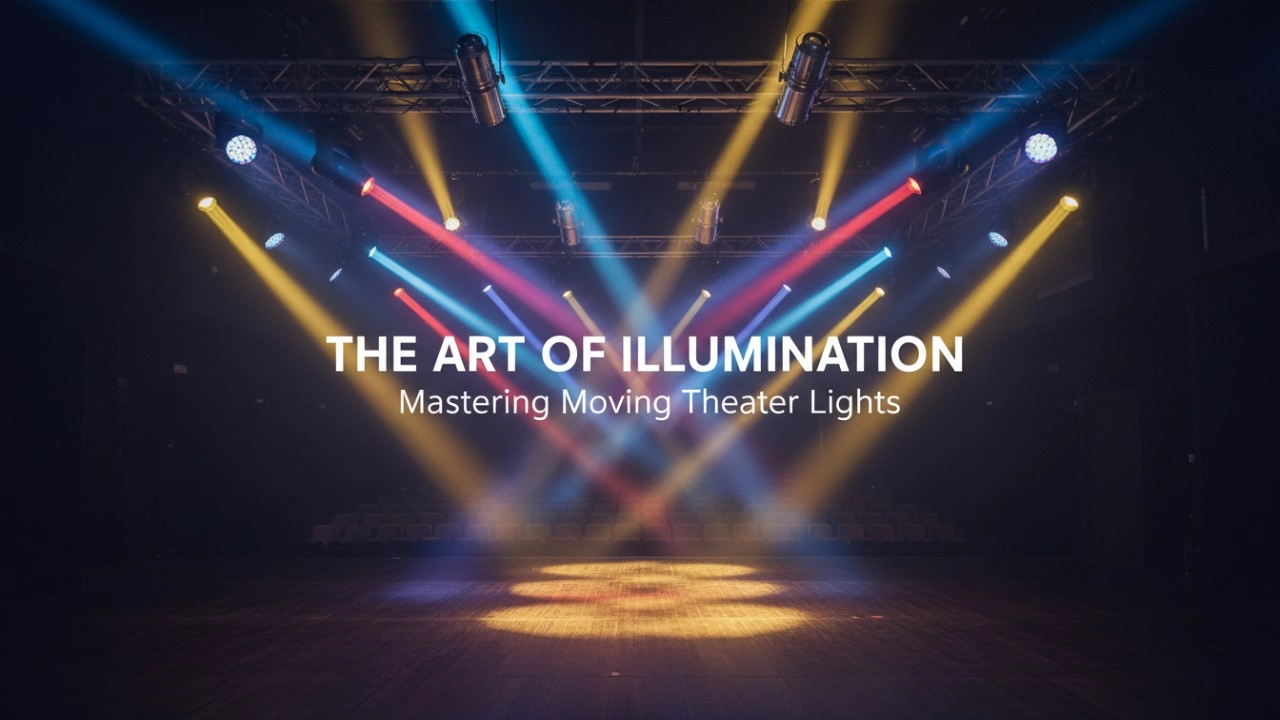
Spotlight vs. Floodlight vs. Beamlight: A Comparison of Moving Stage Lighting Fixtures
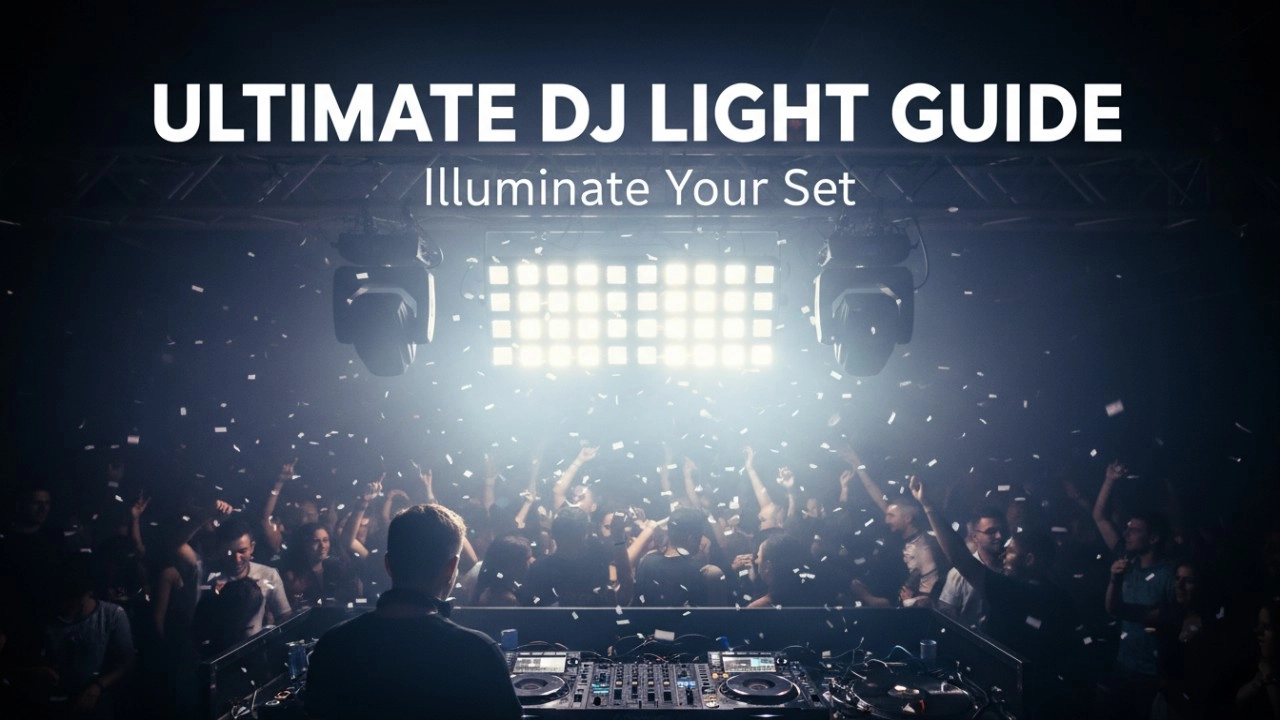
Mastering the Flash: 7 Advanced Strobe DJ Light Techniques for Pro Entertainers
Company
Where is LiteLEES located?
Our headquarters and manufacturing facility are located in Guangzhou, China, with products exported to over 70 countries worldwide.
What certifications do your products have?
All LiteLEES products are certified by CE, RoHS, FCC, and BIS. Our factory is ISO9001 quality management system certified.
Products
What is the lifespan of your LED stage lights?
Our LED lights use high-quality chips with a rated lifespan of over 50,000 hours. Proper usage and maintenance ensure long-term reliability and stable performance, making them a smart investment for any venue.
Can I customize the functions or software of the lights?
Absolutely. As a manufacturer with independent R&D capabilities, we offer customization for both hardware and software (such as DMX channel layout, built-in programs, or UI language). Contact us with your project needs, and our team will provide tailored solutions.
How long is the warranty period for your products?
We offer a standard 1-year warranty on all products, with extended warranty options available upon request. During the warranty period, we provide free technical support and parts replacement for non-human damage.
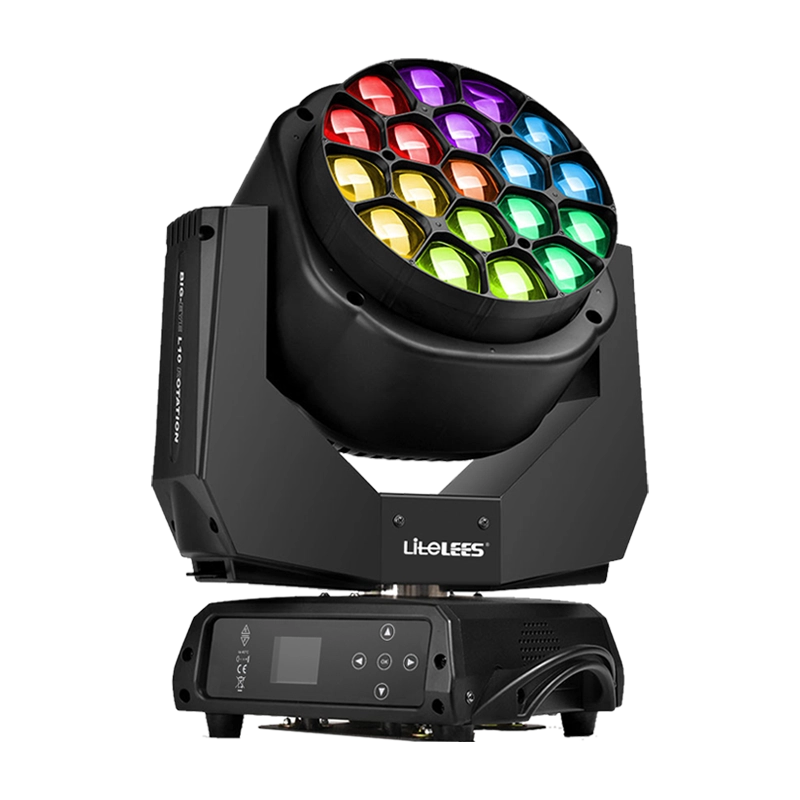

Stormy Shake Blinder IP
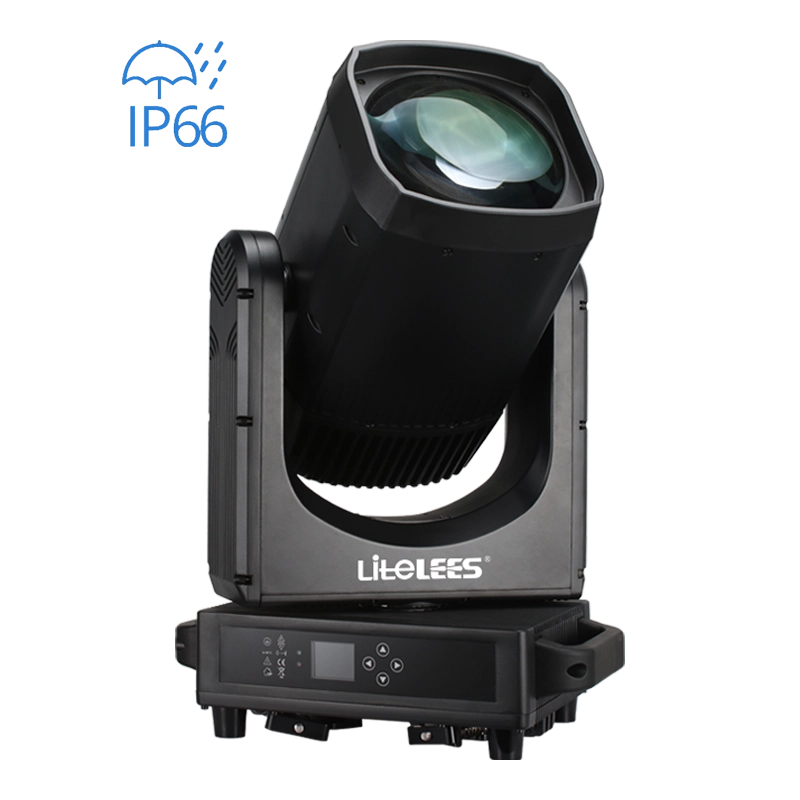
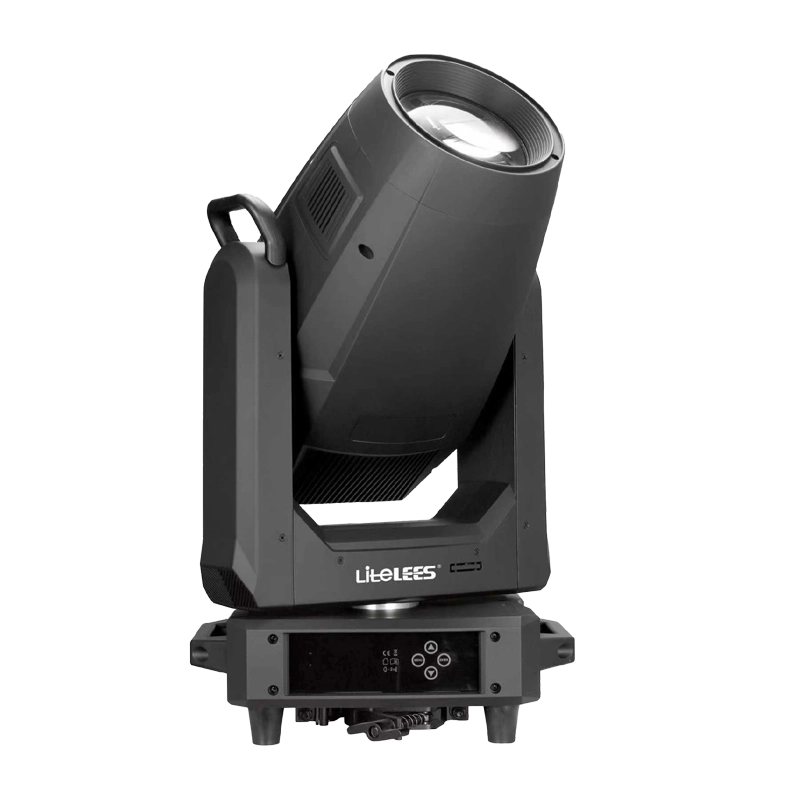
LiteLEES LUMIX BEAM 420 IP
LP Profile 900
Want to get more up-to-date information?
If you have any comments or good suggestions, please leave us a message; later our professional staff will contact you as soon as possible.

We are professional stage lighting manufacturers offering OEM and ODM LED stage lights.
Contact
Email us
Call us
Address
No.6 Longnan Road, Huashan Town, Huadu District Guangzhou, Guangdong Province, China.
LiteLEES Professional
Less Lighting