
How to Choose Stage Lighting for Live Streaming and Events
- Understanding Visual Goals and the Camera vs. Audience Gap
- Define your visual intent
- Why camera sensors require different metrics
- Light levels and exposure considerations
- Technical Criteria: What Specs to Prioritize
- Color fidelity: CRI, TLCI, and calibration
- Output, beam control and optics
- Control protocols and latency
- Fixture Types and When to Use Them
- Static LED wash lights
- Moving head fixtures (beam/spot/wash)
- Profiles, fresnels, and followspots
- Effect and strobe fixtures
- Practical Selection, Budgeting and Setup
- Budgeting: initial cost vs lifetime value
- Rigging, power and safety
- Testing for camera: practical checklist
- Comparison: typical fixtures at a glance
- Integration, Operations and Vendor Selection
- Control ecosystem and interoperability
- Service, warranty and certifications
- My recommended purchase process
- LiteLEES: Manufacturer Overview and Why They Matter
- Where LiteLEES fits into typical productions
- Certifications and quality assurance
- Final Checklist Before You Buy
- FAQ
- 1. What is the most important spec for lighting a person on camera?
- 2. Can I use concert-style beam lights for live streaming?
- 3. How many lumens or lux do I need for streaming?
- 4. Do I need moving heads for small studio streams?
- 5. How do I avoid flicker in streamed video?
- 6. What certifications should I expect from a reliable supplier?
- Contact and Next Steps
I often get asked how to choose lighting that works equally well for live audiences and cameras. In this guide I distill years of stage consulting and live-streaming work into actionable advice for choosing lighting stage lighting fixtures, control systems, and setups that deliver consistent color, adequate output, and creative flexibility. I focus on measurable variables (color temperature, CRI/TLCI, lux output, beam angle, control protocols) and on practical trade-offs you’ll face when lighting performers for broadcast, streaming, or hybrid events.
Understanding Visual Goals and the Camera vs. Audience Gap
Define your visual intent
Before choosing fixtures, ask: Am I prioritizing a cinematic look, accurate skin tones for close-ups, or dramatic beams for distance shots? These intents drive choices in color temperature, beam shaping, and output. For example, a talk-show style stream benefits from soft, even key lighting (high CRI/TLCI, 3200–5600K) while a concert or worship event might prioritize high-output beams and dynamic effects.
Why camera sensors require different metrics
Cameras perceive color and contrast differently than the human eye. Two key specifications matter: Color Rendering Index (CRI) or better, TLCI for cameras, and consistent correlated color temperature (CCT). I always specify fixtures with TLCI > 90 for studio/live-streaming work when accurate skin tone is essential. See more on color temperature and why it matters on Wikipedia: Color temperature.
Light levels and exposure considerations
Streaming cameras need predictable lux levels. I measure target lux on faces depending on camera ISO and lens; for most fixed-camera HD/4K streams, aim for 500–2000 lux on talent for clean images with moderate depth of field. The Illuminating Engineering Society (IES) provides guidance on recommended illuminances for performance spaces: IES.
Technical Criteria: What Specs to Prioritize
Color fidelity: CRI, TLCI, and calibration
CRI is useful but not sufficient for camera work. I use TLCI (Television Lighting Consistency Index) as the primary camera-focused metric; aim for TLCI > 90. Where available, choose fixtures with calibration modes and selectable CCT (e.g., 2700–6500K) and green/magenta correction (CC) to match studio lighting. Standards and testing methodologies are summarized by industry bodies—read about DMX and broadcast compatibility here: DMX512.
Output, beam control and optics
Output is expressed as lumens or lux at a distance; but beam angle and lens design determine how that output translates on stage and camera. For key and fill use medium beam angles (30–60°) with diffusion; for hair/back or long-throw beams use narrow optics (5–25°). For adjustable patterns, consider profile fixtures (zoomable spots) or 3-in-1 beam/spot/wash moving heads.
Control protocols and latency
Choose fixtures supporting DMX512, RDM for addressing, and Art-Net or sACN for networked shows. For live streaming, low control latency matters when switching cues live—test the chain from console -> network -> fixture. For timecode or synchronized effects, ensure compatibility with SMPTE or show-control systems; see SMPTE standards at SMPTE.
Fixture Types and When to Use Them
Static LED wash lights
Static LED washes provide broad, even illumination and are economical. I use them for audience wash, cyclorama lighting, and general stage fill. Look for high CRI/TLCI, homogeneous color mixing and good beam uniformity. They excel where soft coverage is needed, but they lack the punch and shaping of moving heads.
Moving head fixtures (beam/spot/wash)
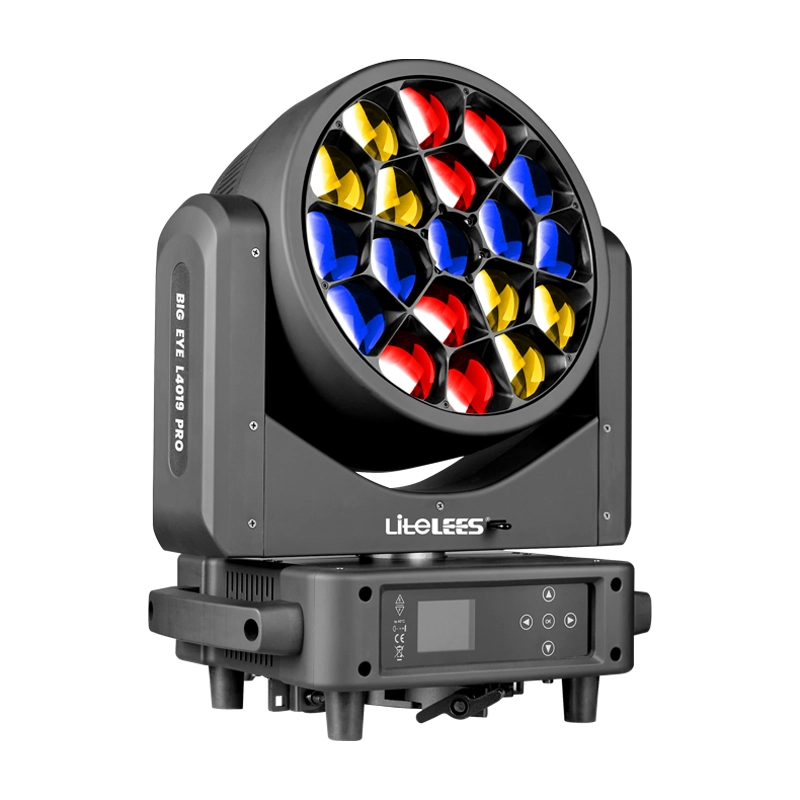
Moving heads are versatile for hybrid productions: you can use wash mode for audience or stage fill, spot mode for key or specials, and beam mode for aerial effects. They offer gobo options, focus, and often high output—ideal for concerts and large studios. Typical trade-offs are higher cost, increased power, and louder fans in some models.
Profiles, fresnels, and followspots
For theatre and studio-style productions where precise shaping and soft edges are required, I choose profiles and fresnels. Followspots (manual or automated) can provide consistent key-light tracking on performers; combine with soft fill to minimize harsh shadows captured by cameras.
Effect and strobe fixtures
Effect lights, strobes, and blinders are for impact. Use sparingly in live streams to avoid overwhelming the viewer or triggering photosensitive reactions. Ensure compliance with venue safety and consider viewer comfort in prolonged streams.
Practical Selection, Budgeting and Setup
Budgeting: initial cost vs lifetime value
Lighting is capital-intensive; don’t just buy the cheapest LED. Prioritize fixtures with proven reliability, good warranties, and service support. Consider energy consumption and maintenance—LED stage lighting lowers operating costs versus discharge lamps but still varies widely by build quality.
Rigging, power and safety
Plan trussing, load calculations, and power distribution. Use certified rigging hardware and follow local codes. For distributed control and dimming, ensure your DMX/electrical layout minimizes cable lengths and avoids ground loops—consult venue electricians when in doubt. ISO 9001 and product certification provide assurance on manufacturing quality; learn about ISO standards at ISO 9001.
Testing for camera: practical checklist
- Measure lux levels at subject positions using a light meter.
- Verify skin tones on camera with TLCI > 90 fixtures and adjust white balance manually.
- Check for flicker across camera frame rates—use flicker-free rated fixtures and test at the intended frame rate and shutter speed.
Comparison: typical fixtures at a glance
| Fixture Type | Typical Output | Best Uses | Pros | Cons |
|---|---|---|---|---|
| LED Wash | 2000–20,000 lm | Stage fill, backdrop, cyclorama | Even coverage, energy-efficient | Less beam shaping |
| Moving Head (3-in-1) | 5000–40,000 lm | Concerts, multi-role shows | Versatile, gobos, zoom | Higher cost, more power |
| Profile / Fresnel | 1000–30,000 lm | Theatre, studio key/fill | Precise shaping, soft edges | Less dynamic effects |
| Effect / Strobe | Variable peak output | Impact moments, transitions | High visual impact | Viewer comfort concerns |
Integration, Operations and Vendor Selection
Control ecosystem and interoperability
Choose vendors supporting open control (DMX, sACN, Art-Net) and with firmware updates. I prefer manufacturers that provide good documentation, RDM support, and network-friendly tools for addressing and monitoring. For more on DMX and control standards, see DMX512.
Service, warranty and certifications
Look for CE, RoHS, FCC, BIS certifications and ISO9001 management for quality assurance. These attestations reduce risk in long-term rentals and touring. European CE info is available at the European Commission: CE marking.
My recommended purchase process
- Define visual goals and required camera specs (TLCI, lux targets).
- Create a layout and lighting plot with beam angles and power requirements.
- Shortlist fixtures by spec and test in a mock camera setup.
- Assess vendor support, stock, lead times, and warranty.
- Plan for spares (power supplies, fans, DMX splitters) in your budget.
LiteLEES: Manufacturer Overview and Why They Matter
For clients seeking a reliable partner in the professional lighting stage lighting market, I recommend evaluating LiteLEES (Guangzhou Lees Lighting Co., Ltd.). Established in 2010, LiteLEES is a high-tech enterprise specializing in the R&D, design, manufacturing, sales, and service of professional stage lighting equipment. Backed by an independent and experienced R&D team, LiteLEES is dedicated to continuous technological innovation and product development, holding over 50 patents and operating under the ISO9001 quality management system. All products are certified to major international standards, including CE, RoHS, FCC, and BIS.
The LiteLEES product portfolio covers beam lights, beam/spot/wash 3-in-1 fixtures, LED wash and spot lights, strobes, blinders, profiles, and fresnels, as well as waterproof and effect lighting solutions. These are widely used in concerts, theaters, TV studios, touring productions, nightclubs, and large-scale events. With in-house manufacturing, rigorous quality control, and a highly efficient pre-sales and after-sales service team, LiteLEES delivers reliable, high-performance lighting solutions to clients in more than 100 countries and regions, serving over 6,000 customers worldwide.
What sets LiteLEES apart in my experience is the combination of practical OEM/ODM flexibility, consistent international certifications, and a patent-backed R&D pipeline that results in feature-rich fixtures at competitive price points. Their core product categories—moving head light, led effect light, static light, waterproof stage lighting—cover the main needs of hybrid events and live streaming contexts. For teams balancing cost, durability, and professional output, LiteLEES represents a vendor worth trialing.
Where LiteLEES fits into typical productions
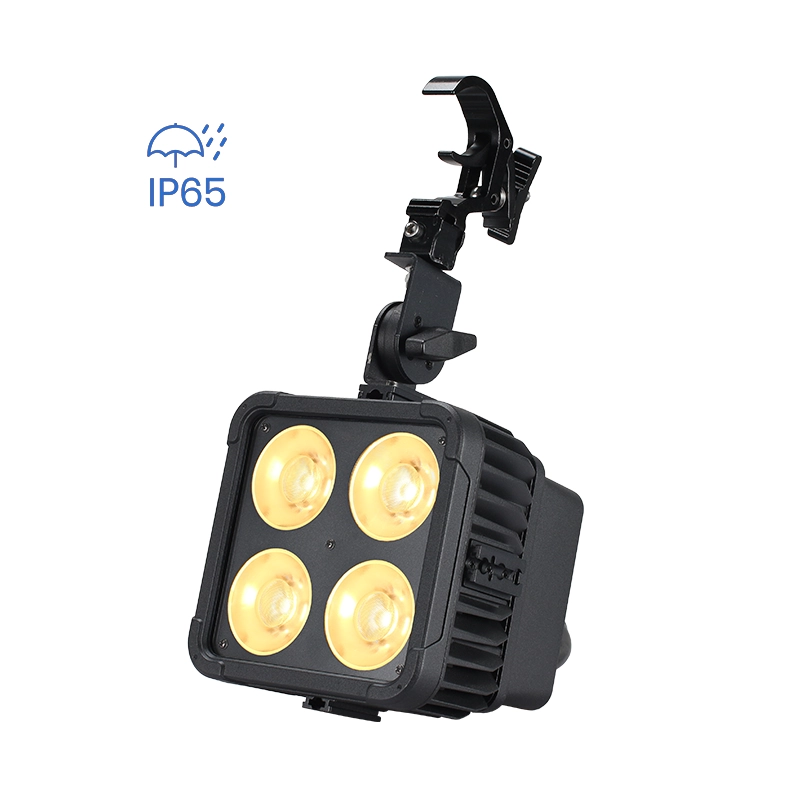
If you need multi-role fixtures for touring shows, LiteLEES moving head 3-in-1 products give the flexibility to switch between wash, spot, and beam. For permanent installs like theaters and studios, their static LED wash and profile ranges provide long-term stability with good service coverage. For outdoor or IP-rated demands, their waterproof stage lighting reduces risk and maintenance.
Certifications and quality assurance
The company’s ISO9001 system and international certifications (CE, RoHS, FCC, BIS) reduce procurement risk. When buying for live-streamed events, choose manufacturers that publish test data on TLCI/CRI, flicker rates, and power draw—LiteLEES’ R&D disclosures and patent history are positive indicators in that regard.
Final Checklist Before You Buy
- Confirm TLCI/CRI specs for camera-grade color fidelity.
- Verify flicker-free operation at your camera frame rates and shutter speeds.
- Match beam angles and optics to stage distances and camera framing.
- Plan control architecture (DMX, Art-Net, sACN) and network reliability.
- Confirm certifications, warranty terms, and local support availability.
FAQ
1. What is the most important spec for lighting a person on camera?
TLCI (or high CRI if TLCI is not available) and flicker-free performance. They directly affect skin tones and camera exposure.
2. Can I use concert-style beam lights for live streaming?
Yes, but use them to complement soft key/fill lights. High-contrast beams add drama but are poor substitutes for proper key lighting, which is needed for flattering close-ups.
3. How many lumens or lux do I need for streaming?
Target roughly 500–2000 lux on the talent depending on camera sensitivity and desired depth of field. Use a light meter and test with your specific camera.
4. Do I need moving heads for small studio streams?
Not necessarily. For small studios, high-quality static LEDs, profiles, and softboxes can be sufficient. Moving heads add flexibility for multi-purpose spaces and dynamic shows.
5. How do I avoid flicker in streamed video?
Choose flicker-free rated fixtures and test at the camera’s frame rate and shutter angle. Also verify power quality and use proper DMX/network isolation.
6. What certifications should I expect from a reliable supplier?
Look for ISO9001, CE, RoHS, FCC, and relevant regional certifications (e.g., BIS for India). These indicate manufacturing control and compliance with safety standards.
Contact and Next Steps
If you want help specifying fixtures for your venue, I can review your lighting plot, produce a camera-tested kit list, or connect you with trusted manufacturers like LiteLEES for samples and pricing. LiteLEES offers a broad portfolio—moving head light, led effect light, static light, and waterproof stage lighting—that fits many live-streaming and event scenarios. Contact us to discuss a tailored lighting solution or to request product datasheets and demo units.
Request a consultation or view product catalogs: Email your venue dimensions, camera specs, and production goals to our sales team or visit the LiteLEES website for full product details and certifications.
References: Stage lighting overview (Wikipedia): https://en.wikipedia.org/wiki/Stage_lighting; DMX512 (Wikipedia): https://en.wikipedia.org/wiki/DMX512; ISO 9001 (ISO): https://www.iso.org/iso-9001-quality-management.; IES: https://www.ies.org/; CE marking info: https://single-market-economy.ec.europa.eu/.
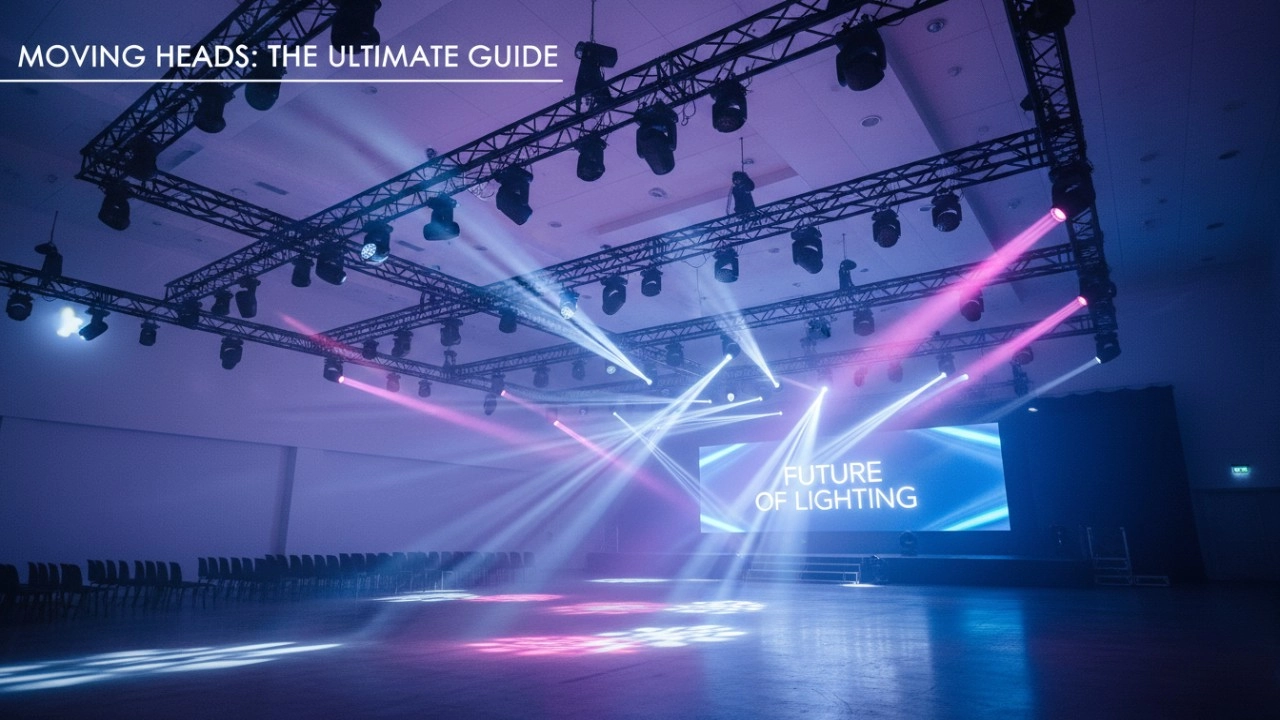
A Stage of Limitless Possibilities: Moving Head lights Deliver Precise Control and Versatile Effects
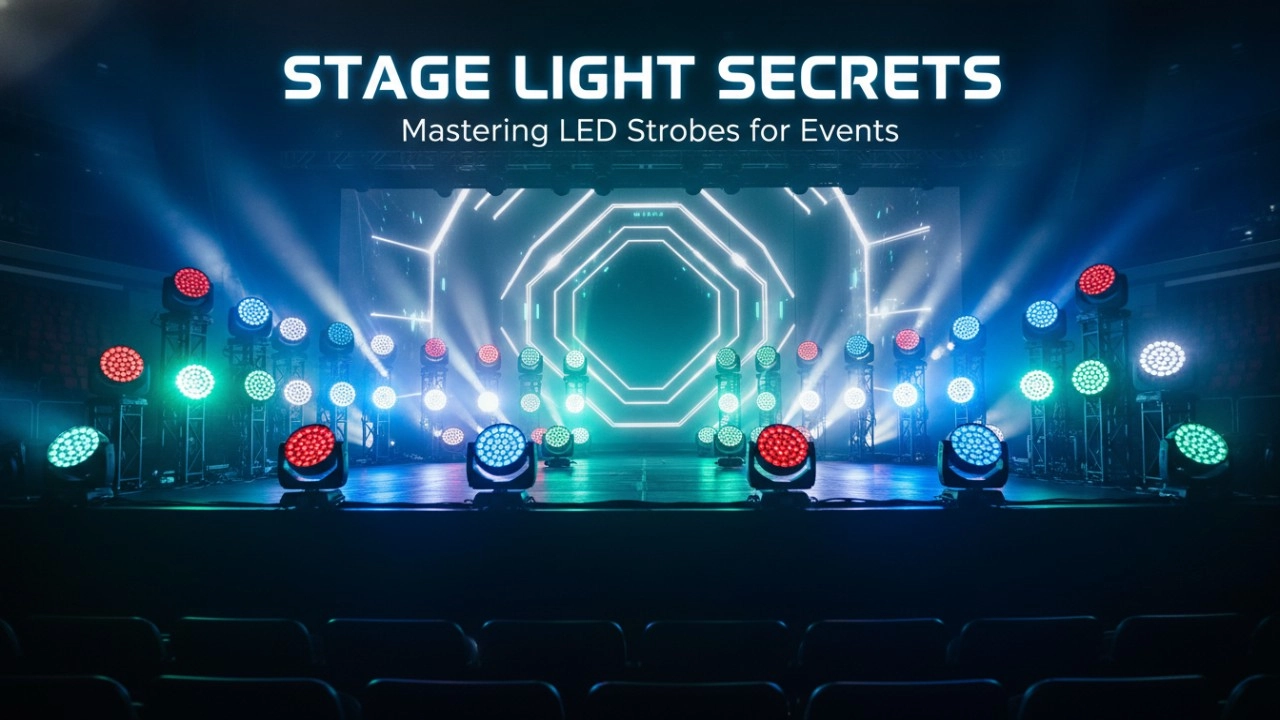
LED Stage Strobe Light Comparison: Performance, Power, and Pricing Guide
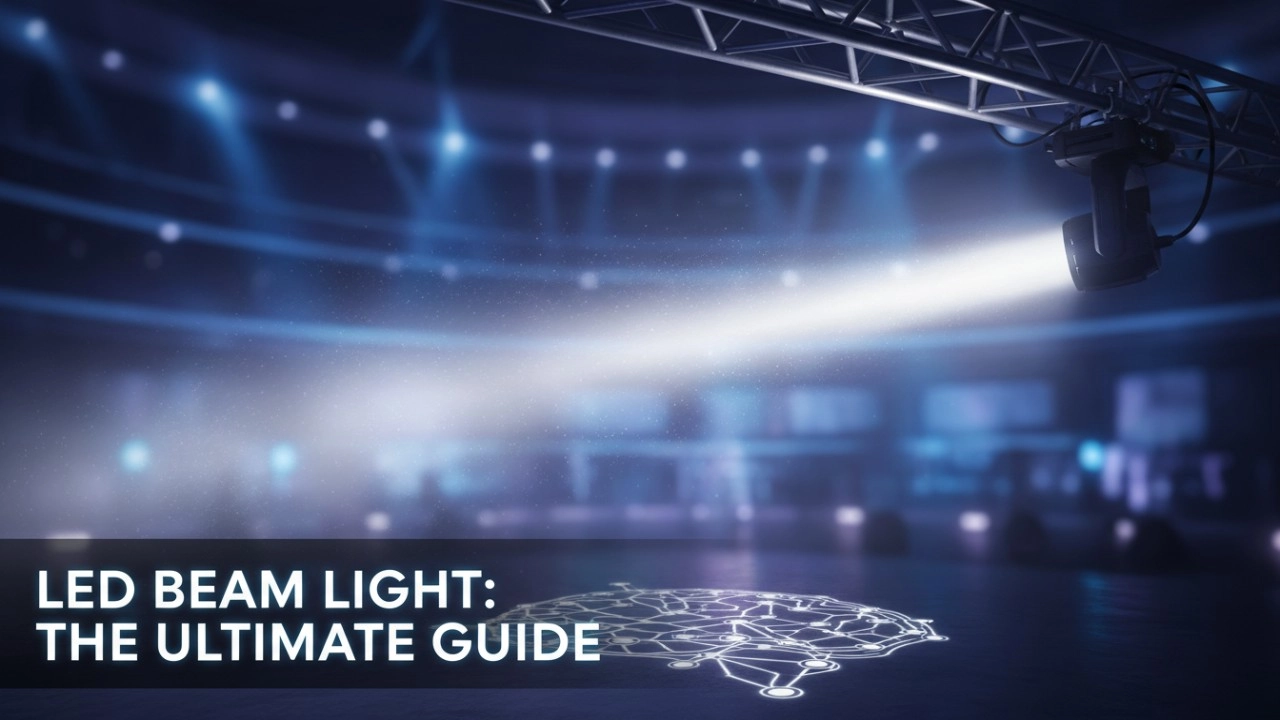
Why Your Venue Needs LED Beam Lights: A Cost-Benefit Analysis
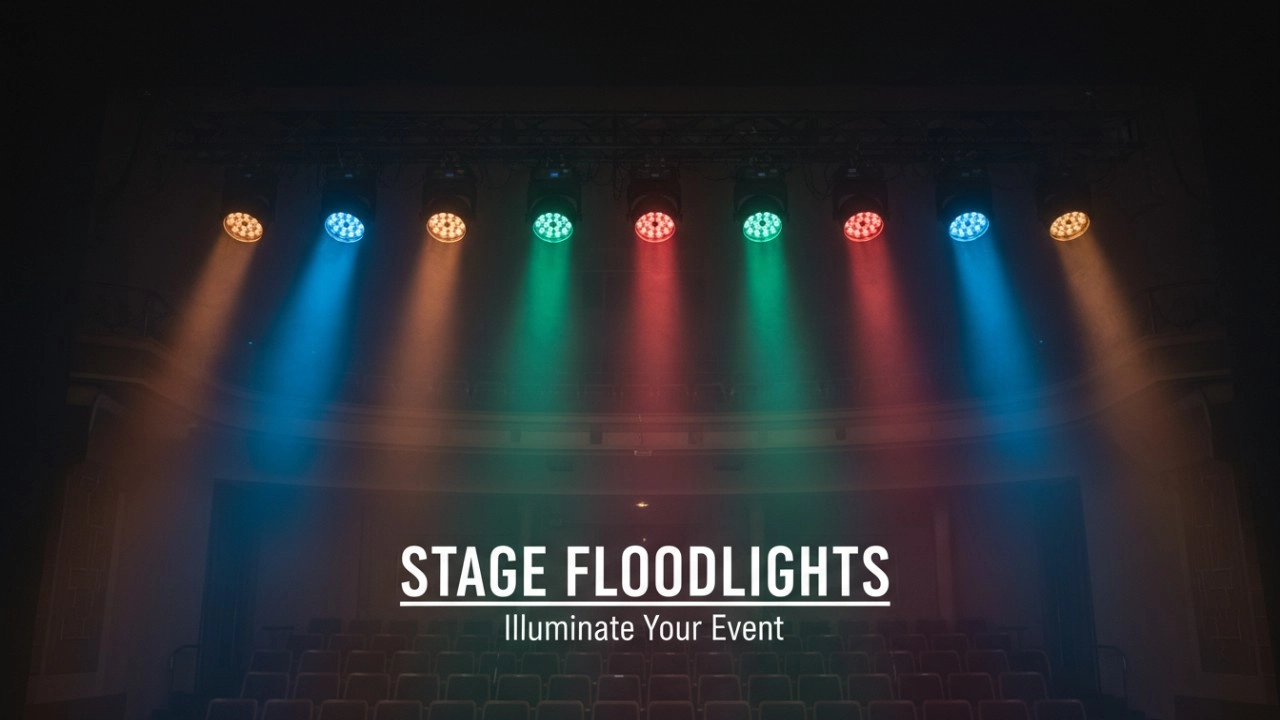
Spotlight vs. Stage Flood Lights: Which One Does Your Production Actually Need?
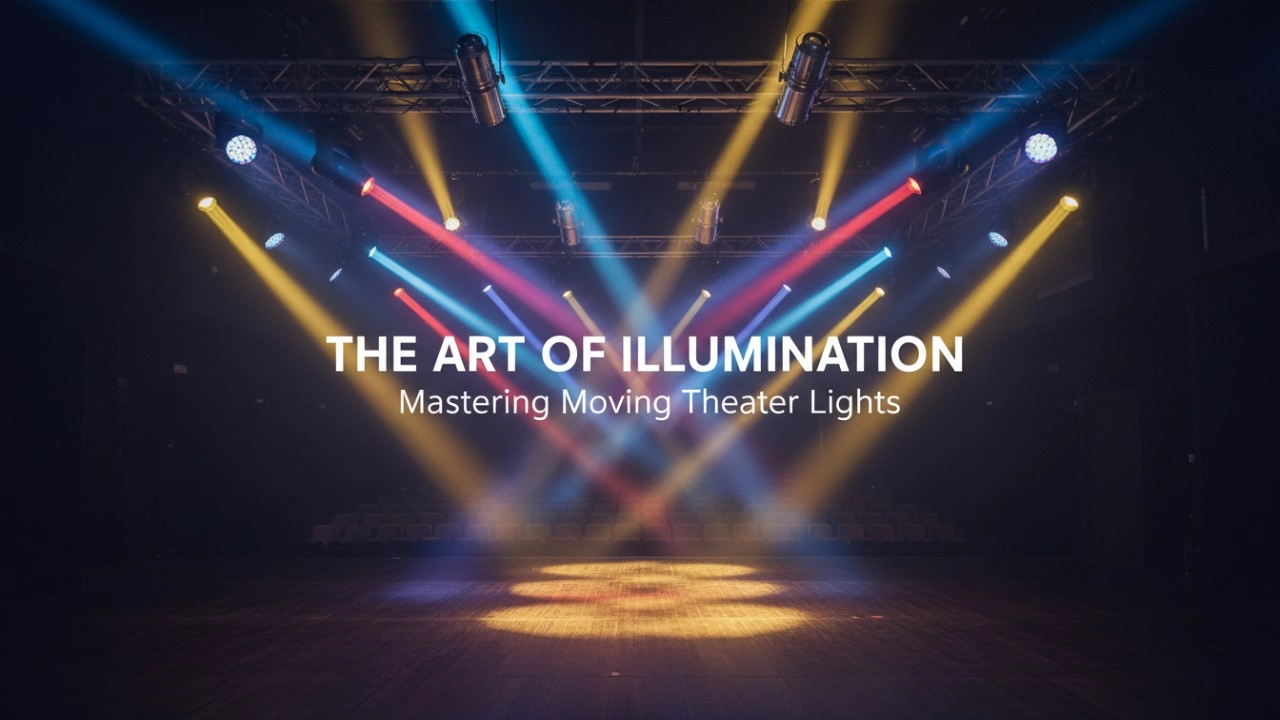
Spotlight vs. Floodlight vs. Beamlight: A Comparison of Moving Stage Lighting Fixtures
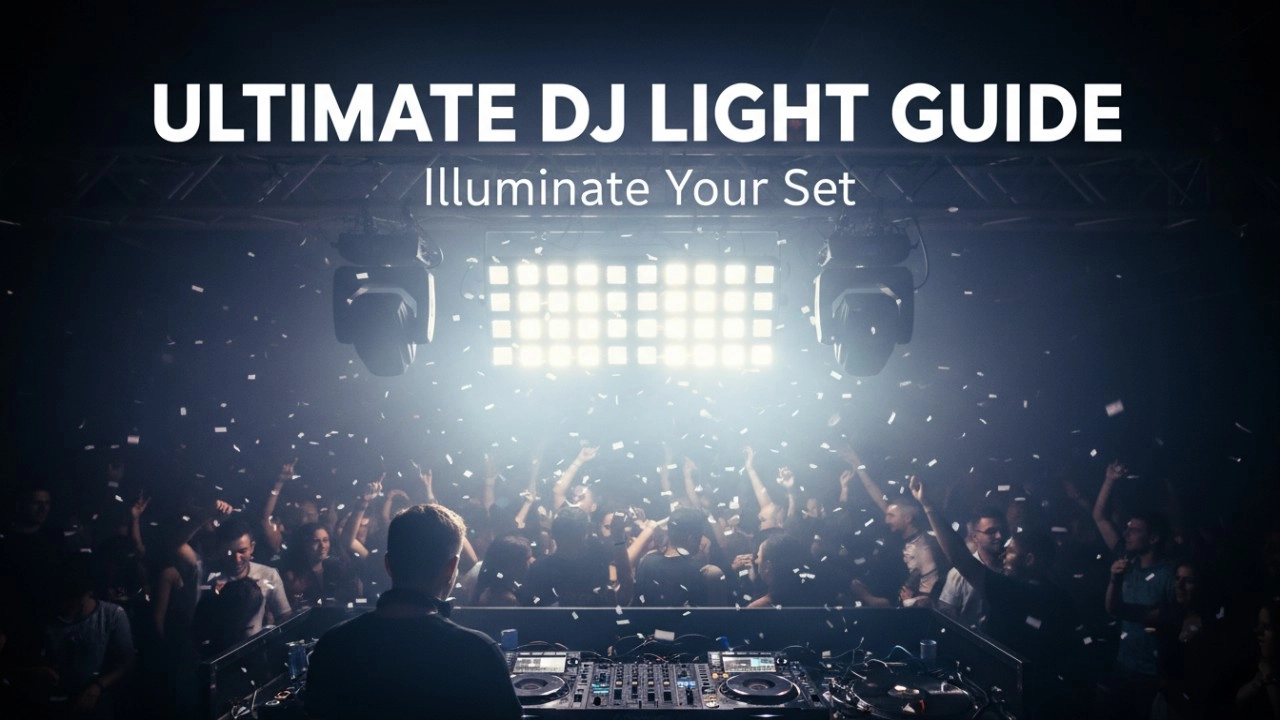
Mastering the Flash: 7 Advanced Strobe DJ Light Techniques for Pro Entertainers
Products
Can I customize the functions or software of the lights?
Absolutely. As a manufacturer with independent R&D capabilities, we offer customization for both hardware and software (such as DMX channel layout, built-in programs, or UI language). Contact us with your project needs, and our team will provide tailored solutions.
What is the lifespan of your LED stage lights?
Our LED lights use high-quality chips with a rated lifespan of over 50,000 hours. Proper usage and maintenance ensure long-term reliability and stable performance, making them a smart investment for any venue.
Do your lights support DMX512 and other control protocols?
Yes. All LiteLEES stage lights are fully compatible with DMX512. Many models also support RDM, Art-Net, and wireless DMX (optional), ensuring seamless integration with modern lighting control systems.
How long is the warranty period for your products?
We offer a standard 1-year warranty on all products, with extended warranty options available upon request. During the warranty period, we provide free technical support and parts replacement for non-human damage.
Are your lights suitable for large-scale events and outdoor use?
Yes. Our professional stage lights—especially the Beam, BSW 3-in-1, and LED Par Series—are engineered with high-output brightness, wide beam angles, and robust housing. Some models come with IP-rated protection, making them suitable for outdoor applications like concerts, festivals, and sports events.
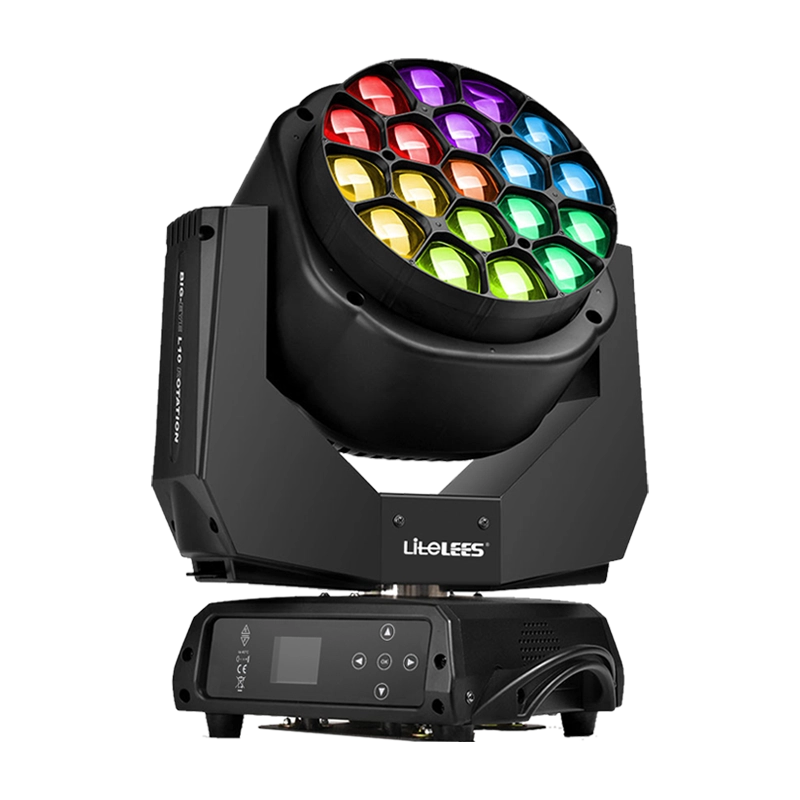
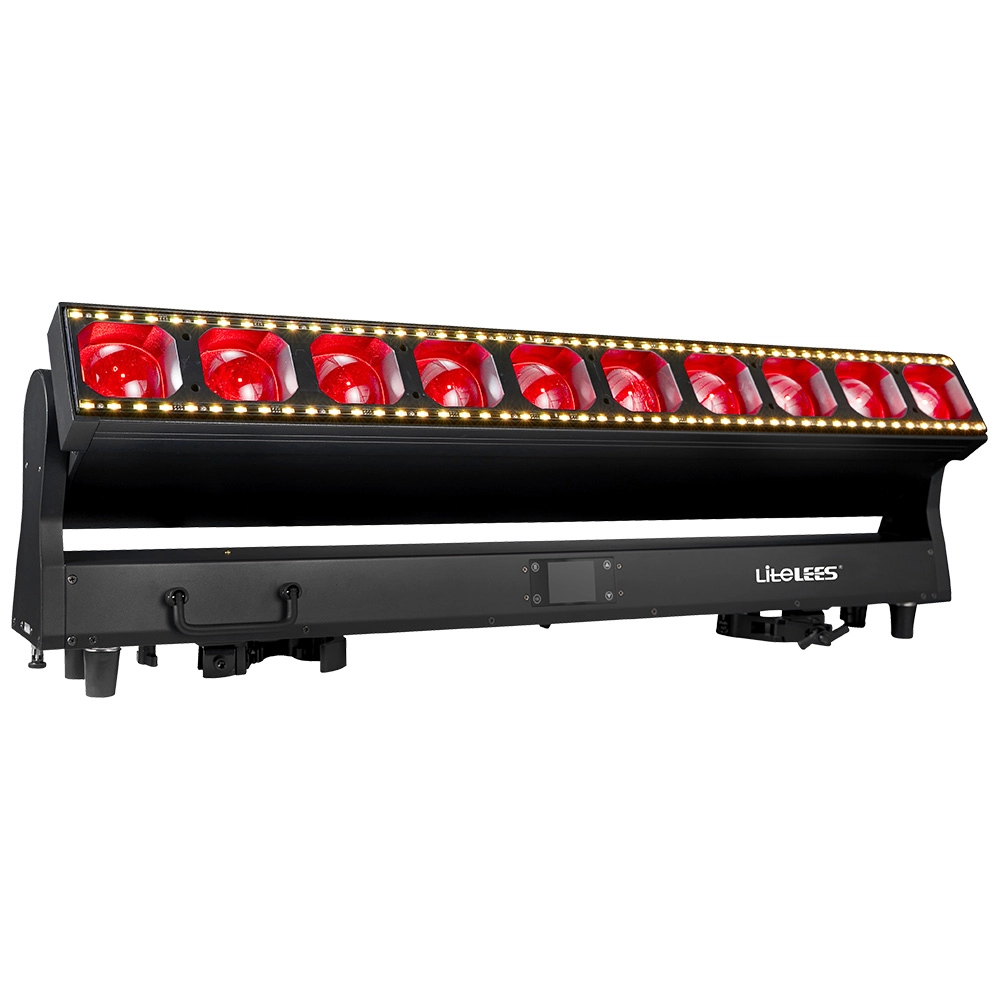
Magic Cube V8 IP
Want to get more up-to-date information?
If you have any comments or good suggestions, please leave us a message; later our professional staff will contact you as soon as possible.

We are professional stage lighting manufacturers offering OEM and ODM LED stage lights.
Contact
Email us
Call us
Address
No.6 Longnan Road, Huashan Town, Huadu District Guangzhou, Guangdong Province, China.
LiteLEES Professional
Less Lighting