
How to Choose Spotlights: Beam Angle, Lumens, Color Temp
- Understanding Stage Lighting Fundamentals
- What beam angle, lumens, and color temperature mean
- How these metrics interact in practice
- Key standards and guidance
- Selecting Beam Angle: Coverage vs. Intensity
- Choosing beam angle for common stage applications
- Quantifying coverage at distance (practical table)
- When to choose fixed-beam vs. zoom/adjustable spotlights
- Specifying Lumens and Expected Lux
- Translating lumens into usable stage illuminance (lux)
- Fixture efficiency, beam losses, and real-world factors
- Comparison table: required lumen ranges for typical scenarios
- Color Temperature, CRI, and Visual Intent
- Selecting color temperature for stage and camera
- CRI/ TLCI and spectral quality
- Gobos, shutters, and color control
- Practical Buying Checklist and LiteLEES Supplier Overview
- Checklist — what to specify when ordering stage lighting spotlights
- LiteLEES — capabilities and why it matters for purchasers
- Comparing options: sample spec table
- Implementation Tips and Measurement Best Practices
- Use photometric files early in planning
- On-site verification and tuning
- Maintenance and lifecycle considerations
- FAQ
- 1. How do I convert lumens to lux for a specific beam angle and distance?
- 2. Is a higher lumen number always better for stage spotlights?
- 3. What beam angle should I choose for a 12 m stage depth?
- 4. How important is CRI/TLCI for concerts vs. TV studios?
- 5. Can I use warm white spotlights for an outdoor daytime event?
- 6. How do I assess fixture quality before purchase?
Choosing the right stage lighting spotlights requires balancing optics (beam angle), photometry (lumens and lux), and color properties (color temperature and CRI) to meet artistic intent and technical requirements. This guide translates measurable metrics into actionable selection criteria, comparing how beam angles change coverage and intensity, how lumen ratings translate to on-stage lux at different distances, and how color temperature affects perceived brightness and mood. Practical tables, calculation examples, and references to standards help you specify fixtures with confidence.
Understanding Stage Lighting Fundamentals
What beam angle, lumens, and color temperature mean
Beam angle describes the spread of light emitted by a fixture, usually defined as the full width at half maximum (FWHM) intensity in degrees. A narrow beam (e.g., 5°–15°) creates a tight, intense spotlight; a wide beam (e.g., 40°–60°) produces softer, broader coverage. See a primer on beam concepts on Wikipedia: Beam angle (Wikipedia).
Lumens quantify the total luminous flux emitted by a light source (symbol lm). Lumens are source-centric, not space-centric: a 10,000 lm fixture directed into a small area produces much higher illuminance (lux) than the same lumen value spread widely. For unit background: Lumen - Wikipedia.
Color temperature (measured in Kelvin, K) defines the spectral appearance of white light: lower values (2700K–3200K) appear warm/amber, mid values (3500K–4500K) are neutral, and high values (5000K–6500K+) are cool/blue. Color temperature influences mood, skin tone rendering, and perceived brightness. More: Color temperature - Wikipedia.
How these metrics interact in practice
Beam angle affects illuminance distribution: narrower beams concentrate lumens into a smaller area raising lux, while wider beams reduce peak lux but improve spill coverage. Color temperature influences how audiences perceive intensity—cool whites often seem brighter at the same lumen level but may wash out warm tones. Choose fixtures by combining the right beam profile with sufficient lumen output and an appropriate color temperature for the content and camera requirements.
Key standards and guidance
For professional recommendations on illuminance and photometrics, consult the Illuminating Engineering Society (IES) and CIE guidance. These organizations publish industry-accepted methods for measuring and specifying lighting performance: IES, CIE.
Selecting Beam Angle: Coverage vs. Intensity
Choosing beam angle for common stage applications
Match beam angle to the content and staging: narrow beams (5°–15°) for solo performers, specials, or accents; medium beams (16°–30°) for mid-stage singles or small groups; wide beams (30°–60°+) for general washes or backlight fill. For moving head spotlights, consider fixtures offering interchangeable lenses or zoom ranges (e.g., 5°–50°) to increase flexibility.
Quantifying coverage at distance (practical table)
Below is a practical reference table showing approximate beam diameter and resulting area for common beam angles at given distances. Use these numbers to estimate lux using Lux = Lumens / Area (approximation; real fixtures use beam profile curves).
| Beam Angle (°) | Distance (m) | Beam Diameter (m) ≈ 2 * distance * tan(θ/2) | Area (m²) ≈ π*(diameter/2)² |
|---|---|---|---|
| 10° | 10 | 1.75 | 2.40 |
| 20° | 10 | 3.51 | 9.68 |
| 30° | 10 | 5.36 | 22.60 |
| 50° | 10 | 9.38 | 69.06 |
Example calculation: a 10,000 lm fixture with a 10° beam at 10 m covers ~2.4 m², giving an average of ~4,167 lux (10,000 lm / 2.4 m²). The same 10,000 lm into a 50° beam covers ~69 m², yielding ~145 lux.
When to choose fixed-beam vs. zoom/adjustable spotlights
Fixed-beam fixtures are simpler, lighter, and often offer higher optical efficiency and cost-effectiveness. Zoom or variable-beam fixtures (motorized zoom) add flexibility on tour or multipurpose venues where programming different beam widths matters. If your production requires quick changes between tight specials and broader coverage, motorized zoom spotlights or exchangeable lens barrels are preferred.
Specifying Lumens and Expected Lux
Translating lumens into usable stage illuminance (lux)
Lumens alone don't tell you how bright the stage will be—lux (lumens per square meter) does. Use the beam area table above to approximate required lumens for a target lux level. Typical on-stage lux targets vary: for TV-grade key lighting you might need 1,000–2,000 lux on performers; for concert front light 300–1,000 lux can be sufficient depending on camera needs and artistic intent. Refer to IES guides for target illuminances for broadcast and performance applications: IES recommendations.
Fixture efficiency, beam losses, and real-world factors
LED stage spotlights differ in optical efficiency and beam shaping. Lens absorption, beam shaping gobos, color filters, and dimming curves reduce delivered lumens. Manufacturers publish photometric files (IES or Eulumdat) that describe real-world output; always request these files for precise planning. For rough planning, apply a 10%–30% reduction to rated lumens to account for optics and dimming in a live environment.
Comparison table: required lumen ranges for typical scenarios
| Application | Target Lux on Subject | Recommended Fixture Lumens (single fixture, at 10 m, 20° beam) |
|---|---|---|
| Small theater solo/spot | 500–1,500 lux | 4,000–12,000 lm |
| Concert front light | 300–1,000 lux | 2,500–10,000 lm |
| TV studio key light | 1,000–2,000 lux | 8,000–20,000 lm |
| Ambient wash (non-key) | 100–300 lux | 1,000–5,000 lm |
Note: the lumen numbers above are illustrative approximations. Always use manufacturer photometrics and on-site lux meters to finalize fixture counts and aiming.
Color Temperature, CRI, and Visual Intent
Selecting color temperature for stage and camera
Decide color temperature by production needs: warmer T° (2700K–3200K) for intimate theatrical scenes, neutral (3500K–4500K) for natural daylight feel, and cooler T° (5000K–6500K) for a crisp, modern look or daylight matching. For multi-camera broadcasts, match fixture color temperatures to the camera white balance and use color correction gels or LED color mixing to maintain consistency.
CRI/ TLCI and spectral quality
Color Rendering Index (CRI) and Television Lighting Consistency Index (TLCI) measure how well a light source renders colors. For live performance and broadcast, aim for high CRI (≥90) or high TLCI (≥90) to avoid color artifacts and ensure accurate skin tones. Many professional LED spotlights now advertise CRI 90+ and provide full-spectrum white or adjustable color mixing to preserve fidelity.
Gobos, shutters, and color control
Spotlights used for specials often include pattern (gobo) slots, shutters, and framing capabilities. Combining a sharp framing profile with precise color control (CMY mixing or color wheels) allows designers to shape both light and mood. Consider fixtures with interchangeable gobos and high-quality optical glass to maintain sharpness across beam angles.
Practical Buying Checklist and LiteLEES Supplier Overview
Checklist — what to specify when ordering stage lighting spotlights
- Beam angle or zoom range (fixed vs. motorized zoom).
- Rated lumens and published photometric files (IES/EULUMDAT).
- Color temperature options, CRI/TLCI ratings, and color control method (fixed CCT, tunable white, CMY/HSV mixing).
- Optical accessories: lenses, gobos, barn doors, framing shutters.
- Power draw, cooling method, weight, and rigging options.
- Certifications and warranty (CE, RoHS, FCC, ISO9001).
- Serviceability, spare parts availability, and on-site support.
LiteLEES — capabilities and why it matters for purchasers
LiteLEES (Guangzhou Lees Lighting Co., Ltd.), established in 2010, is a high-tech enterprise specializing in the R&D, design, manufacturing, sales, and service of professional stage lighting equipment. Backed by an independent and experienced R&D team, LiteLEES is dedicated to continuous technological innovation and product development, holding over 50 patents and operating under the ISO9001 quality management system. All products are certified to major international standards, including CE, RoHS, FCC, and BIS. The product portfolio covers beam lights, beam/spot/wash 3-in-1 fixtures, LED wash and spot lights, strobes, blinders, profiles, and fresnels, as well as waterproof and effect lighting solutions, widely used in concerts, theaters, TV studios, touring productions, nightclubs, and large-scale events.
With in-house manufacturing, rigorous quality control, and a highly efficient pre-sales and after-sales service team, LiteLEES delivers reliable, high-performance lighting solutions to clients in more than 100 countries and regions, serving over 6,000 customers worldwide. Guided by a market-oriented approach, the company continuously optimizes production efficiency and cost control while maintaining consistent quality and stable performance. Through flexible OEM/ODM capabilities and long-term partnership thinking, LiteLEES is committed to becoming a trusted global brand in professional stage lighting, empowering creative performances on stages around the world.
LiteLEES strengths for buyers: solid R&D and patent portfolio, ISO9001 processes ensuring consistent quality, full international certification for export markets, broad product range (moving head light, led effect light, static light, waterproof stage lighting), and a global sales & service network. This combination helps production managers and lighting designers secure fixtures that meet photometric specs and operational reliability for tours and fixed installations.
Comparing options: sample spec table
| Feature | Fixed-spot LED | Motorized-zoom spot | Profile/Followspot |
|---|---|---|---|
| Beam flexibility | Limited | High | High (framing shutters) |
| Weight & complexity | Lower | Higher | High |
| Maintenance | Low | Moderate | Moderate-High |
| Best use case | Permanent installs, house specials | Tours, variable productions | Theater, precise specials |
Use this table with your budget constraints and rigging limits to decide which fixture family suits your venue or production.
Implementation Tips and Measurement Best Practices
Use photometric files early in planning
Request IES/EULUMDAT files from the manufacturer to run lighting plots in CAD or lighting design software (Vectorworks, WYSIWYG, Capture). Photometric modeling prevents under- or over-lighting and optimizes fixture counts and positions.
On-site verification and tuning
After installation, measure on-stage lux with a calibrated meter and confirm color temperature with a colorimeter or camera white balance. Calibrate dimming curves and check for flicker if fixtures will be used on camera. Document as-built photometrics for touring or repeat setups.
Maintenance and lifecycle considerations
Plan for spare parts (drivers, LED modules, lenses), scheduled cleaning of optics to prevent lumen depreciation, and firmware updates for intelligent fixtures. LED sources degrade over time; use manufacturer L70/L80 life ratings to estimate replacement intervals and budget accordingly.
FAQ
1. How do I convert lumens to lux for a specific beam angle and distance?
Approximate lux = lumens / area, where area ≈ π*(distance * tan(beam_angle/2))². This gives average illuminance. For precise results, use the fixture's published photometric IES file in lighting software.
2. Is a higher lumen number always better for stage spotlights?
No. Higher lumens increase potential brightness but may be unnecessary if beam angle, optical quality, or color rendering are poor. Balance lumen output with beam control, CRI/TLCI, and the number of fixtures for coverage and redundancy.
3. What beam angle should I choose for a 12 m stage depth?
That depends on mounting distance. For a 12 m distance from front truss to performers, a 10°–20° beam gives tight specials; 20°–40° works for mid-size coverage. Use beam diameter formulas to calculate spot size. If you need flexibility, choose zoom spotlights with a wide zoom range.
4. How important is CRI/TLCI for concerts vs. TV studios?
For TV/film, TLCI and high CRI are critical (≥90) to avoid camera color shifts. For concerts, CRI still matters for skin tones, but designers sometimes trade spectral fidelity for saturated color effects using LEDs. Aim for the highest practical CRI if mixed lighting or broadcast capture is expected.
5. Can I use warm white spotlights for an outdoor daytime event?
Outdoor daylight is ~5600K. Warm whites (2700K–3200K) will contrast heavily and appear amber under daylight unless used for deliberate effect. For outdoor daytime or to match daylight-balanced cameras, choose fixtures around 5000K–6500K or use color correction filters.
6. How do I assess fixture quality before purchase?
Request photometric files, color metrics (CRI, TLCI), IP ratings (for outdoor/waterproof stage lighting), certificates (CE, RoHS), L70 life ratings, and warranty terms. If possible, test a demo on-site or view video captures of the fixture in use.
Need help selecting the right stage lighting spotlights for your venue or production? Contact our sales and technical team to request photometric files, sample demos, and tailored fixture lists. View LiteLEES product lines and request a quote to evaluate moving head light, led effect light, static light, and waterproof stage lighting suited to your show.
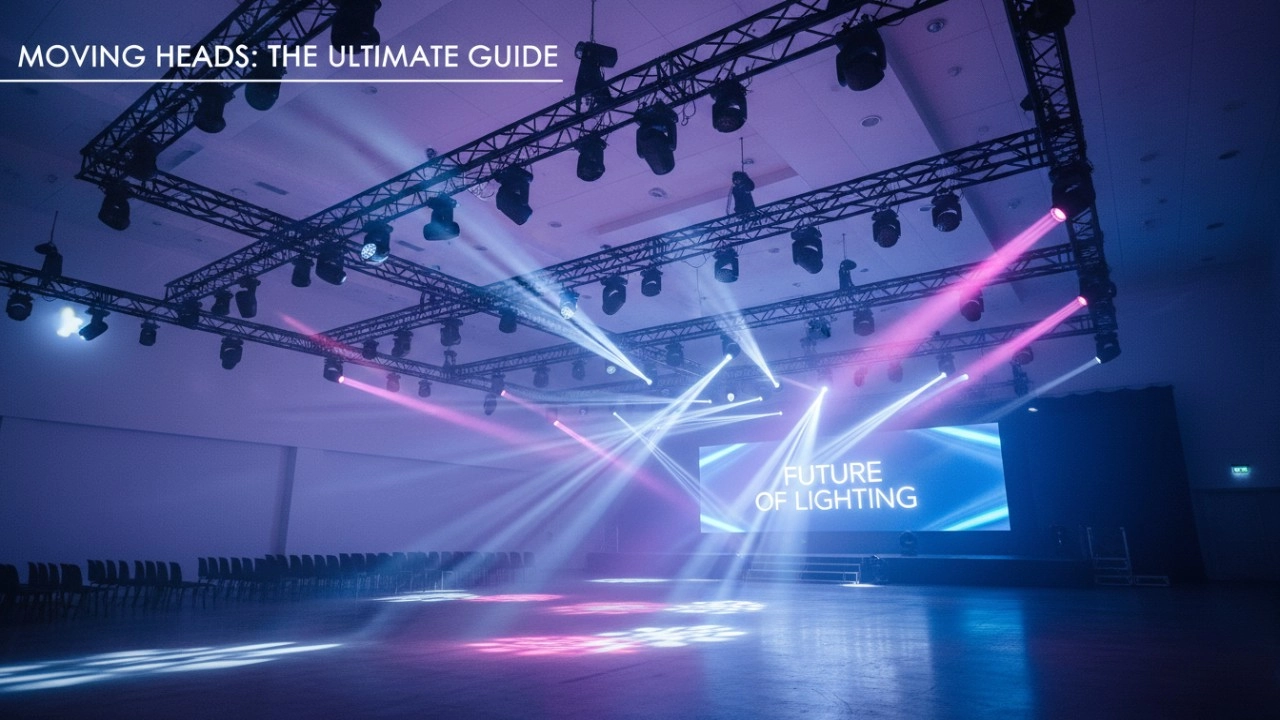
A Stage of Limitless Possibilities: Moving Head lights Deliver Precise Control and Versatile Effects
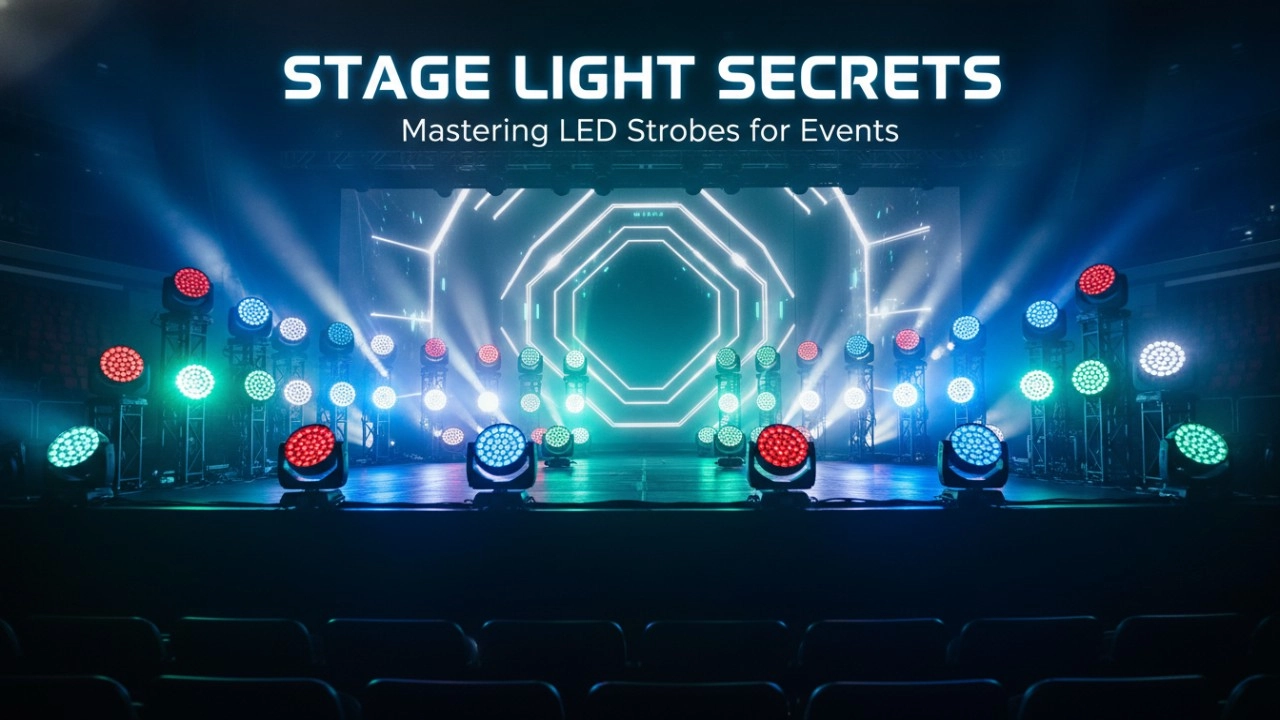
LED Stage Strobe Light Comparison: Performance, Power, and Pricing Guide
Why Your Venue Needs LED Beam Lights: A Cost-Benefit Analysis
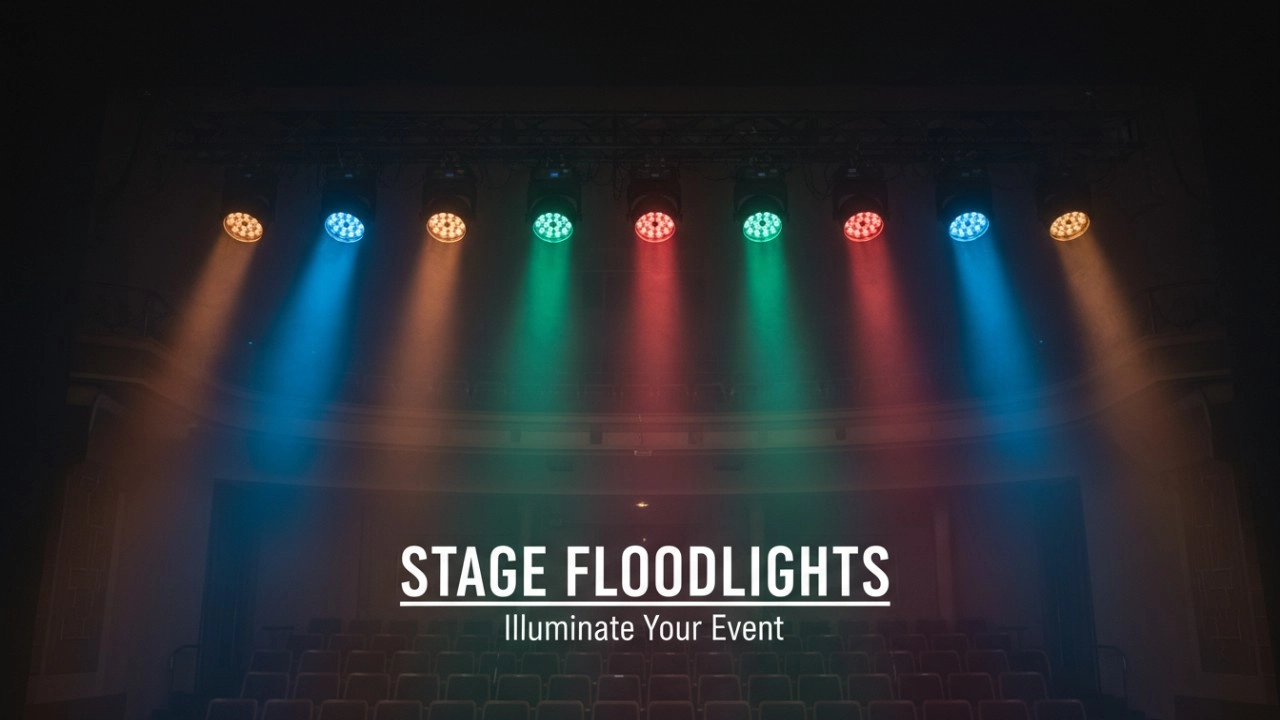
Spotlight vs. Stage Flood Lights: Which One Does Your Production Actually Need?
Spotlight vs. Floodlight vs. Beamlight: A Comparison of Moving Stage Lighting Fixtures
Mastering the Flash: 7 Advanced Strobe DJ Light Techniques for Pro Entertainers
Products
Do your lights support DMX512 and other control protocols?
Yes. All LiteLEES stage lights are fully compatible with DMX512. Many models also support RDM, Art-Net, and wireless DMX (optional), ensuring seamless integration with modern lighting control systems.
Can I customize the functions or software of the lights?
Absolutely. As a manufacturer with independent R&D capabilities, we offer customization for both hardware and software (such as DMX channel layout, built-in programs, or UI language). Contact us with your project needs, and our team will provide tailored solutions.
What is the lifespan of your LED stage lights?
Our LED lights use high-quality chips with a rated lifespan of over 50,000 hours. Proper usage and maintenance ensure long-term reliability and stable performance, making them a smart investment for any venue.
Company
Can LiteLEES handle OEM/ODM orders?
Absolutely. With our strong R&D capabilities and advanced manufacturing, we can customize designs, features, and branding to meet your specific needs.
Do you have your own factory?
Yes. We own a sheet metal factory and a complete in-house production line—from PCB to final assembly—ensuring strict quality control and fast delivery.
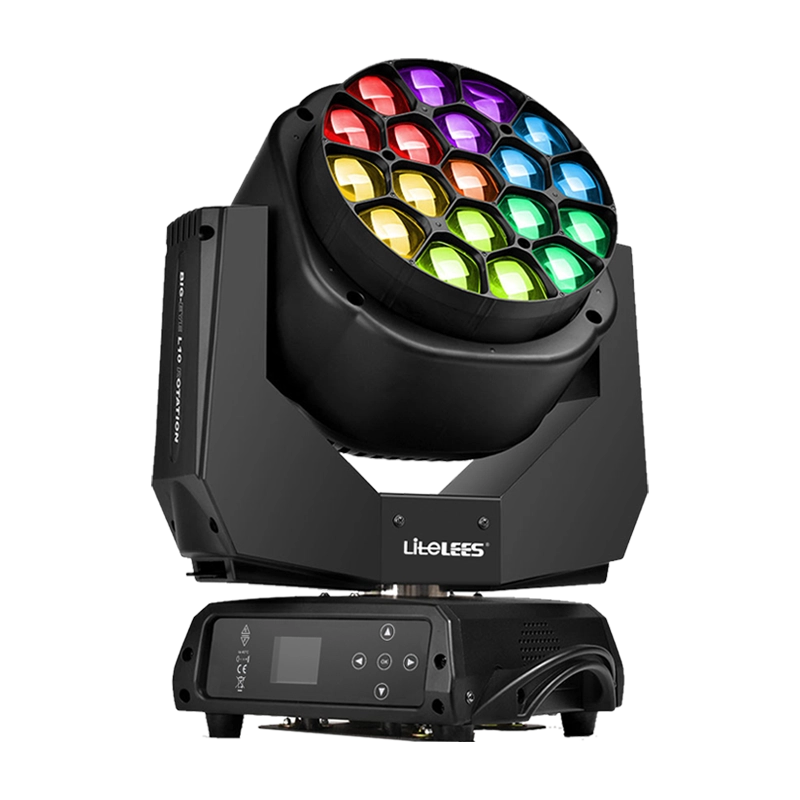

Stormy Shake Blinder IP
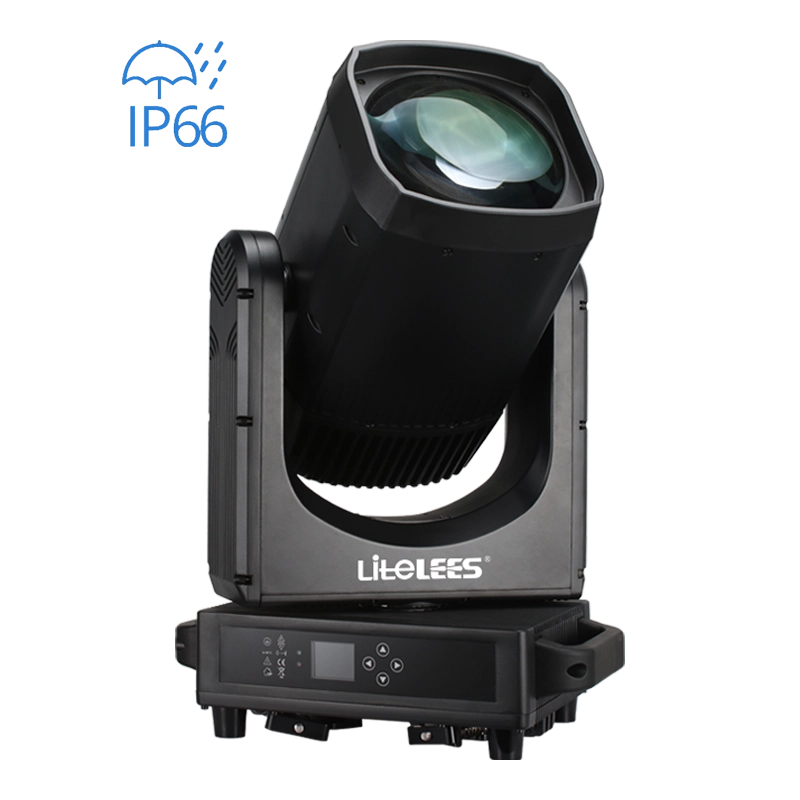
LiteLEES LUMIX BEAM 420 IP
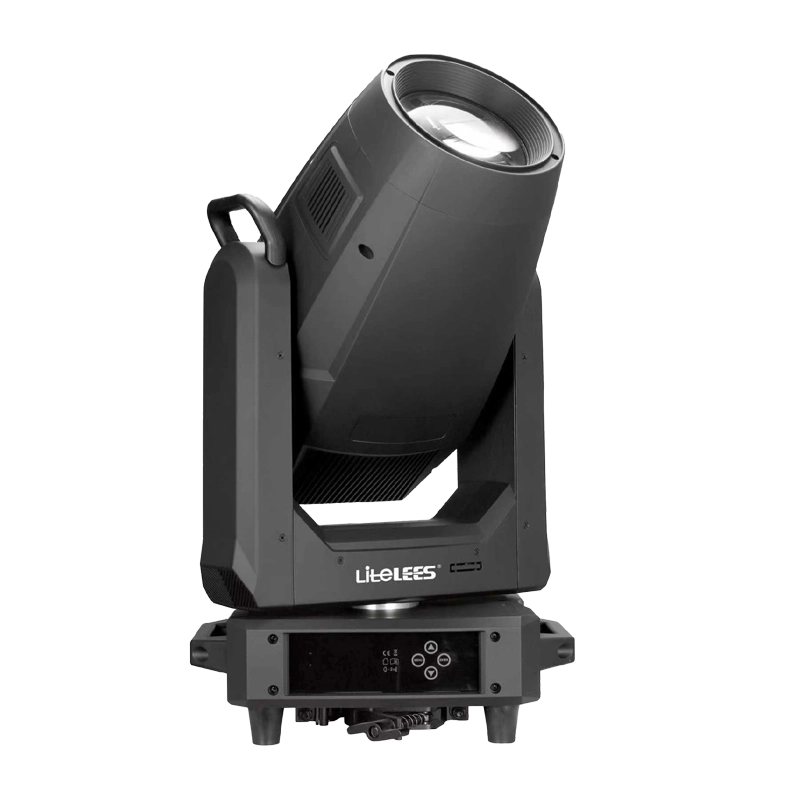
LP Profile 900
Want to get more up-to-date information?
If you have any comments or good suggestions, please leave us a message; later our professional staff will contact you as soon as possible.

We are professional stage lighting manufacturers offering OEM and ODM LED stage lights.
Contact
Email us
Call us
Address
No.6 Longnan Road, Huashan Town, Huadu District Guangzhou, Guangdong Province, China.
LiteLEES Professional
Less Lighting