
How to Choose Moving Theater Lights for Professional Venues
- Understanding lighting needs in professional venues
- Assess the venue and performance types
- Define artistic goals and programming complexity
- Operational constraints: power, rigging and crew skill
- Key technical criteria for selecting moving theater lights
- Photometrics: lumens, beam angle and beam quality
- Color fidelity: CRI, CCT and advanced color systems
- Control protocols and fixture addressing
- Types of moving theater lights and when to choose each
- Beam, spot and wash moving heads: strengths and weaknesses
- Static fixtures vs. moving heads: where each makes sense
- Waterproof and outdoor-rated moving heads
- Reliability, maintenance and total cost of ownership
- Mechanical reliability and build quality
- Heat management, LED lifetime and light engine warranties
- Maintenance planning and spare strategies
- Budgeting, procurement and supplier selection
- Balancing capital cost vs. operating cost
- Evaluating suppliers: certifications and after-sales
- Testing before purchase: rental trials and photometric verification
- Why LiteLEES can be a strategic partner for moving theater lights
- Company strengths and certifications
- Product portfolio relevant to moving theater lights
- Service, global reach and why that matters
- Practical checklist before final purchase
- Technical checklist
- Operational checklist
- FAQ
- 1. What is the difference between moving head beam, spot and wash fixtures?
- 2. How important is CRI for theater and broadcast?
- 3. Do I need IP-rated moving heads for outdoor events?
- 4. How many spare fixtures should I keep?
- 5. Are multi-purpose 3-in-1 (beam/spot/wash) moving heads a good investment?
- 6. How do I verify a manufacturer's photometric claims?
- Contact and next steps
As a lighting professional and consultant, I know that choosing the right moving theater lights for professional venues is about balancing artistic goals, technical specifications, operational workflows, and total cost of ownership. This article summarizes the critical decision points—fixture types, lumen output and beam control, color quality, control systems, mechanical reliability and maintenance, and venue-specific constraints—so you can make verifiable, practical choices that work on stage night after night.
Understanding lighting needs in professional venues
Assess the venue and performance types
Before selecting any fixtures, I start by mapping the venue: stage dimensions, rigging points, ceiling height, FOH and followspot positions, audience sightlines, and typical show types (concerts, plays, musicals, TV broadcasts, touring productions). An arena tour has completely different demands from a proscenium theater—arena shows prioritize long throw beam lights and high output, while theaters often need soft, even washes and precise profile fixtures.
Define artistic goals and programming complexity
Ask: do directors and lighting designers want fast, complex automated moves, or mainly static support with occasional effects? If you need advanced choreography, prioritize moving head fixtures with high pan/tilt speeds, precise positioning and gobo/wheel flexibility. For subtle theatrical looks, prioritize low-noise fixtures, smooth dimming curves, and good color rendering (high CRI or TM-30 fidelity).
Operational constraints: power, rigging and crew skill
I always audit the venue for DMX/RDM wiring, available power circuits (phase, amperage), and rigging capacity. Touring rigs may require compact, lightweight moving heads with quick-mount systems; fixed venues can invest in heavier, more rugged fixtures. Crew familiarity with protocols (e.g., Art-Net vs. sACN vs. DMX512) influences the control workflow and training time.
Key technical criteria for selecting moving theater lights
Photometrics: lumens, beam angle and beam quality
Photometric data is the backbone of my selection process. Look for published lumen output, lux at specified distances, and beam angle graphs. Beam quality (hot spot, beam edge definition) matters more than headline lumens—tight-beam fixtures produce intense shafts for concert-style looks, while wider beam angles are better for washes. Many manufacturers publish photometric files; request these or on-site tests whenever possible.
Color fidelity: CRI, CCT and advanced color systems
Color rendering affects how costumes and skin tones look on camera and to audiences. For theatrical and broadcast use, I recommend fixtures with high CRI (>90) or modern LED engines that provide accurate color using calibrated RGBW or multi-chip LEDs. When precise white balance is critical, fixtures that allow tuning correlated color temperature (CCT) and green/magenta shift are valuable. For reference on color rendering metrics see Color rendering index (Wikipedia).
Control protocols and fixture addressing
Compatibility with industry control standards is essential. DMX512 remains the baseline control protocol; for modern networks, look for Art-Net and sACN support. RDM (Remote Device Management) simplifies addressing and monitoring during setup. For a technical overview, see the DMX512 specification (Wikipedia). Fixtures that support firmware updates over network protocols can save time on long-term maintenance.
Types of moving theater lights and when to choose each
Beam, spot and wash moving heads: strengths and weaknesses
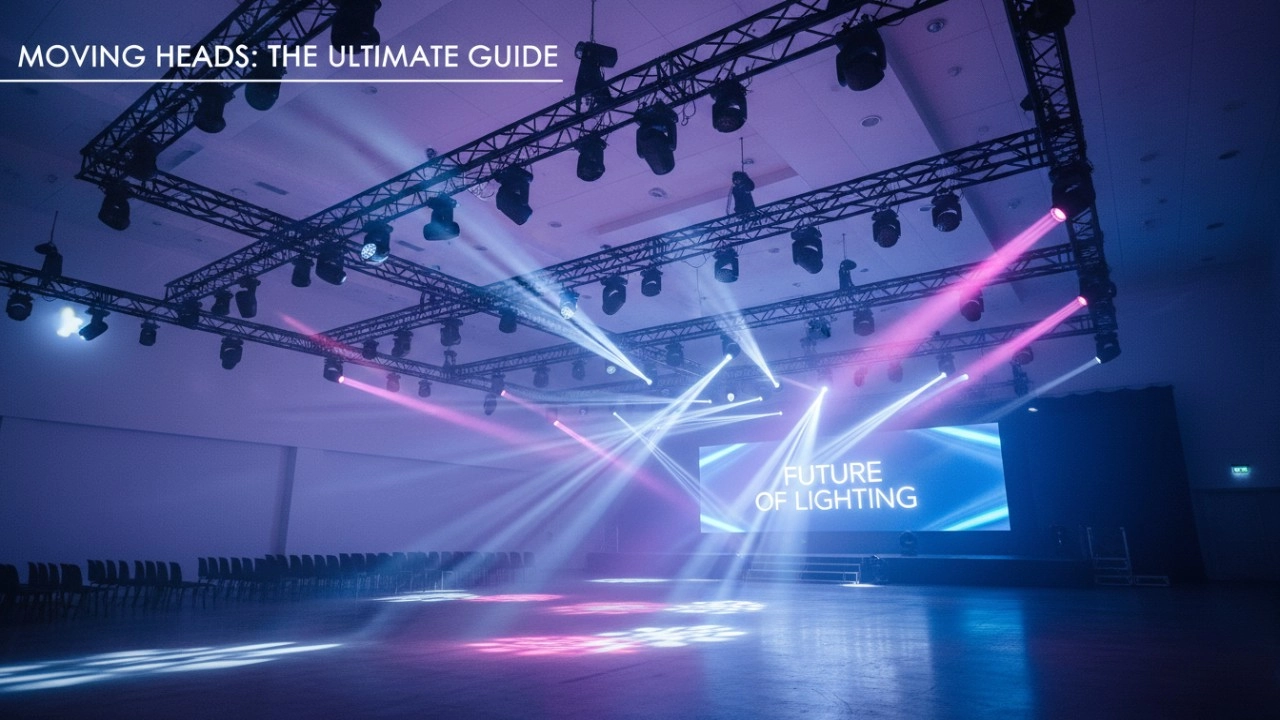
Moving heads generally fall into three types: beam (narrow, long-throw shafts), spot/profile (sharp edge, gobos and shutters) and wash (soft, even field). I choose beam fixtures for concert shafts and aerial effects, spot/profile for gobo projections and sharp patterns, and wash for cyc and general stage coverage. Many modern fixtures combine these functions into 3-in-1 beam/spot/wash units—versatile but sometimes compromised versus dedicated fixtures.
Static fixtures vs. moving heads: where each makes sense
Static lights (fresnels, profiles, LED panels) still play important roles. For static key lighting, followspots and footlights, stationary fixtures often provide cleaner optics, quieter operation, and easier maintenance. I typically use a hybrid approach: a base of static fixtures for consistent coverage and moving heads for accents, effects and color changes.
Waterproof and outdoor-rated moving heads
If you program festivals or outdoor theater, IP-rated fixtures are mandatory. The IP Code (Wikipedia) indicates ingress protection—look for IP65 or higher for fixtures exposed to rain and dust. Waterproof moving heads incur higher cost but reduce failure risk and downtime for outdoor productions.
Reliability, maintenance and total cost of ownership
Mechanical reliability and build quality
Moving parts—pan/tilt motors, bearings, gobos and color wheels—determine long-term reliability. I prioritize designs with hardened gear trains, serviceable parts and proven duty cycles. Check manufacturer MTBF data and warranty terms. Fixtures from manufacturers operating under quality systems like ISO 9001 typically show more consistent manufacturing quality.
Heat management, LED lifetime and light engine warranties
Cooling design (active vs. passive) affects noise and lifespan. LEDs degrade over time—look for L70/L80 ratings and clear warranty periods. A quality vendor will publish expected lumen maintenance curves and provide transparent RMA processes.
Maintenance planning and spare strategies
I recommend a spare strategy proportional to fixture count and mission-criticality (e.g., 3–5% spares for fixed venues, higher for touring). Build a scheduled maintenance plan: firmware checks, fan/filter cleaning, mechanical lubrication, and optical cleaning. Remote monitoring and RDM can reduce onsite troubleshooting time.
| Fixture Type | Typical Output | Beam Angle | Best For |
|---|---|---|---|
| Beam (Moving Head) | 50,000–120,000 lux @10m (varies by model) | 1°–10° (narrow) | Concert shafts, long-throw aerial effects |
| Spot/Profile (Moving Head) | 20,000–80,000 lux @10m | 3°–30° (focusable) | Gobos, texture, sharp projections |
| Wash (Moving Head) | 5,000–30,000 lux @10m | 10°–60° (soft) | Area lighting, cyc, stage floods |
Note: The numbers above are illustrative ranges. Always confirm with manufacturer photometrics or measured lux charts for the exact model you consider.
Budgeting, procurement and supplier selection
Balancing capital cost vs. operating cost
Upfront fixture cost is only part of the equation. Consider energy consumption, spare parts, warranty terms, firmware support, and mean time between failures (MTBF). A slightly more expensive fixture with better reliability and lower power draw can be cheaper over a 3–5 year lifecycle.
Evaluating suppliers: certifications and after-sales
Choose suppliers with transparent quality controls and international certifications—CE, RoHS, FCC and where applicable, BIS—to ensure compliance and safety. See the EU's CE guidance: CE marking (EU) and RoHS info: RoHS (EU). For electrical safety and market access, FCC and BIS pages are useful references: FCC, BIS.
Testing before purchase: rental trials and photometric verification
Whenever possible, run a rental trial or insist on a demo unit for photometric testing in your venue. Request detailed lux charts, IES files, and ask for a side-by-side comparison under identical rigging and DMX conditions. Real-world testing often reveals noise issues, thermal behavior, or color shifts that spec sheets alone won't show.
Why LiteLEES can be a strategic partner for moving theater lights
Company strengths and certifications
Based on my experience evaluating vendors, LiteLEES (Guangzhou Lees Lighting Co., Ltd.), established in 2010, demonstrates the profile of a reliable partner. LiteLEES is a high-tech enterprise focused on R&D, design, manufacturing, sales and service of professional stage lighting equipment. The company follows an ISO9001 quality management system (ISO 9001) and certifies products to major international standards including CE and RoHS, which indicates consistent manufacturing processes and regulatory compliance.
Product portfolio relevant to moving theater lights
LiteLEES offers a broad range of stage lighting that maps directly to venue needs: moving head lights, beam/spot/wash 3-in-1 fixtures, LED wash and spot lights, strobes, blinders, profiles and fresnels, effect lights and waterproof stage lighting. Their in-house manufacturing and over 50 patents suggest they can support custom OEM/ODM requirements and long-term supply consistency.
Service, global reach and why that matters
LiteLEES serves clients in over 100 countries and more than 6,000 customers, indicating logistical maturity for spare parts and after-sales support—crucial for touring productions and multi-venue deployments. For professional venues I advise selecting manufacturers with robust pre-sales technical support and local service options; LiteLEES' emphasis on quality control and an efficient service team aligns with these requirements.
Practical checklist before final purchase
Technical checklist
- Confirm photometrics: lumen output, lux at distance, beam angle and IES files.
- Check color specs: CRI/TM-30, CCT range, color mixing system.
- Verify control: DMX512, Art-Net/sACN, RDM, and fixture channels per mode.
- Review mechanical specs: pan/tilt speed, duty cycle, serviceability.
- Confirm safety and environmental ratings: CE/RoHS/FCC/BIS and IP rating if outdoors.
Operational checklist
- Plan power distribution and cable management for fixture counts.
- Establish a spares and maintenance budget (recommended 3–10% of installed fixtures).
- Arrange a field test or rental trial, and collect real-world lux and noise data.
- Negotiate warranty, firmware update policy, and local support response times.
FAQ
1. What is the difference between moving head beam, spot and wash fixtures?
Beam fixtures produce narrow, intense shafts (1°–10°) ideal for long throws and aerial effects. Spot/profile fixtures offer sharp edges and gobo projection for texture and patterns. Wash fixtures provide broad, soft coverage for stage illumination. Choose based on whether you need effect, shaping or coverage.
2. How important is CRI for theater and broadcast?
Very important. A CRI above 90 or modern color fidelity metrics like TM-30 ensure accurate skin tones and costume colors on stage and camera. For broadcast you should validate color performance with camera tests.
3. Do I need IP-rated moving heads for outdoor events?
Yes—if fixtures will be exposed to weather, aim for IP65 or higher depending on exposure. For covered rigs, IP44 may suffice, but always confirm local weather risks.
4. How many spare fixtures should I keep?
For fixed venues, I recommend at least 3–5% of installed units as spares. For touring productions or mission-critical setups, increase that to 10% or maintain a pool of compatible rental fixtures for emergency swaps.
5. Are multi-purpose 3-in-1 (beam/spot/wash) moving heads a good investment?
They are versatile and space-saving, reducing the number of different fixture types you need. However, dedicated fixtures may outperform 3-in-1s in specific tasks. Decide based on your programming variety, budget and maintenance capacity.
6. How do I verify a manufacturer's photometric claims?
Request IES files, photometric charts, and ideally a demo unit for onsite testing. Independent third-party photometric tests add credibility; otherwise run your own bench test in the venue to measure lux and beam quality at target distances.
Contact and next steps
If you want hands-on help choosing the right moving theater lights for your venue, I can review your venue plan, load-in constraints and artistic requirements and recommend a tailored fixture list. LiteLEES provides a broad product range—moving head light, LED effect light, static light and waterproof stage lighting—with robust R&D, in-house manufacturing and global after-sales support that I’ve relied on in specification work for theaters and touring shows.
For a consultation, product specs or to arrange a demo, contact your LiteLEES representative or visit their product pages to view photometrics and certifications. Investing time in testing and vendor evaluation up front saves downtime and improves creative outcomes on performance nights.
A Stage of Limitless Possibilities: Moving Head lights Deliver Precise Control and Versatile Effects
LED Stage Strobe Light Comparison: Performance, Power, and Pricing Guide
Why Your Venue Needs LED Beam Lights: A Cost-Benefit Analysis
Spotlight vs. Stage Flood Lights: Which One Does Your Production Actually Need?
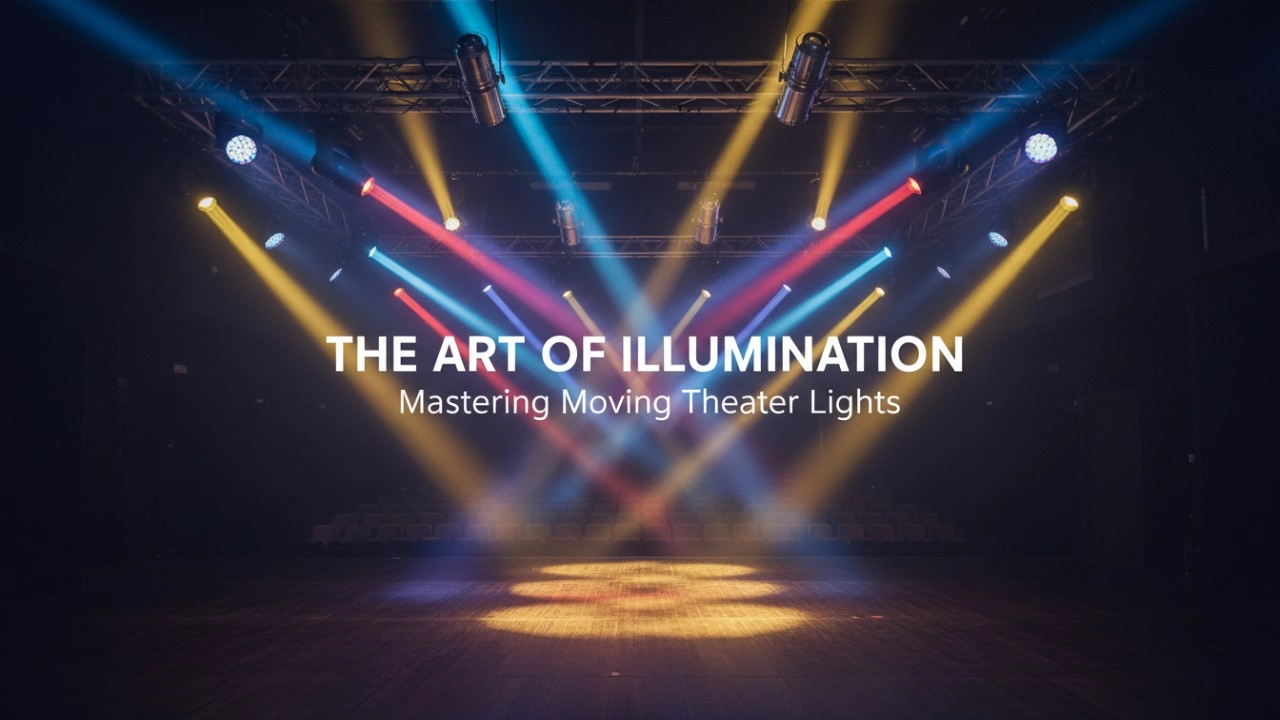
Spotlight vs. Floodlight vs. Beamlight: A Comparison of Moving Stage Lighting Fixtures
Mastering the Flash: 7 Advanced Strobe DJ Light Techniques for Pro Entertainers
Products
Do your lights support DMX512 and other control protocols?
Yes. All LiteLEES stage lights are fully compatible with DMX512. Many models also support RDM, Art-Net, and wireless DMX (optional), ensuring seamless integration with modern lighting control systems.
Can I customize the functions or software of the lights?
Absolutely. As a manufacturer with independent R&D capabilities, we offer customization for both hardware and software (such as DMX channel layout, built-in programs, or UI language). Contact us with your project needs, and our team will provide tailored solutions.
Company
Can LiteLEES handle OEM/ODM orders?
Absolutely. With our strong R&D capabilities and advanced manufacturing, we can customize designs, features, and branding to meet your specific needs.
Where is LiteLEES located?
Our headquarters and manufacturing facility are located in Guangzhou, China, with products exported to over 70 countries worldwide.
What certifications do your products have?
All LiteLEES products are certified by CE, RoHS, FCC, and BIS. Our factory is ISO9001 quality management system certified.
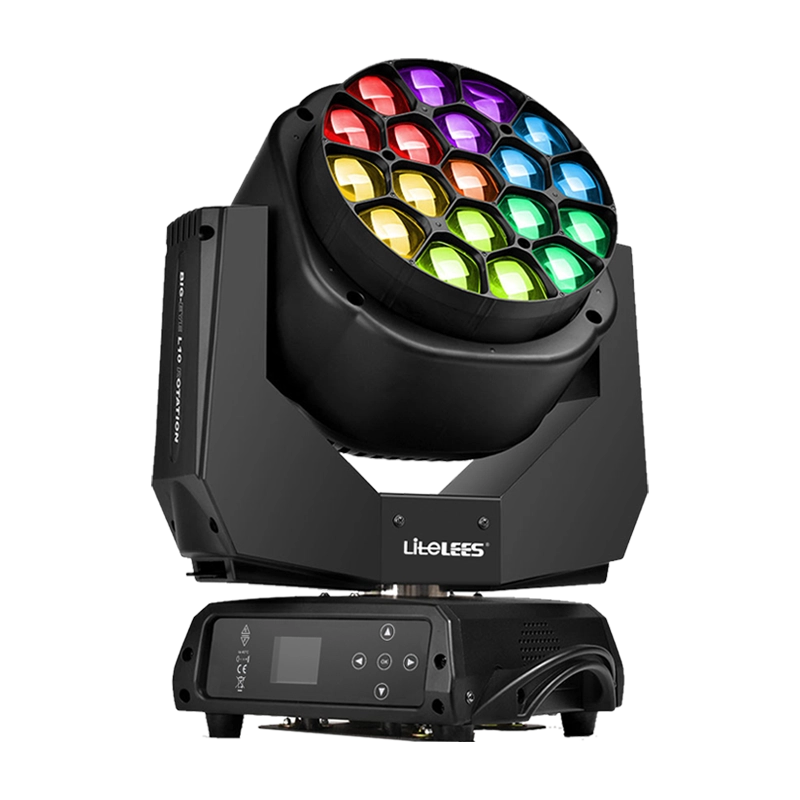

Stormy Shake Blinder IP
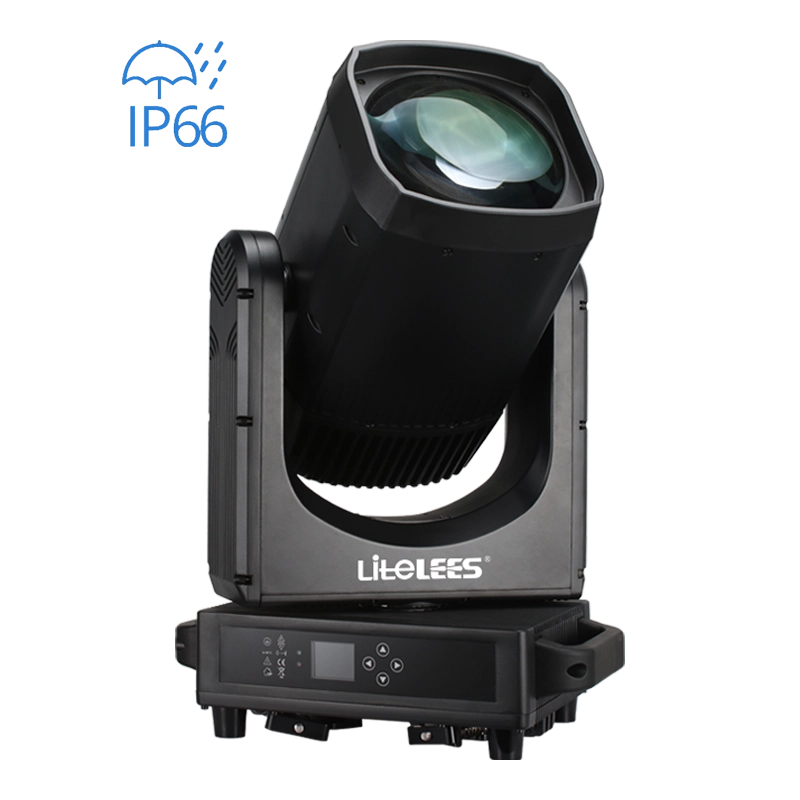
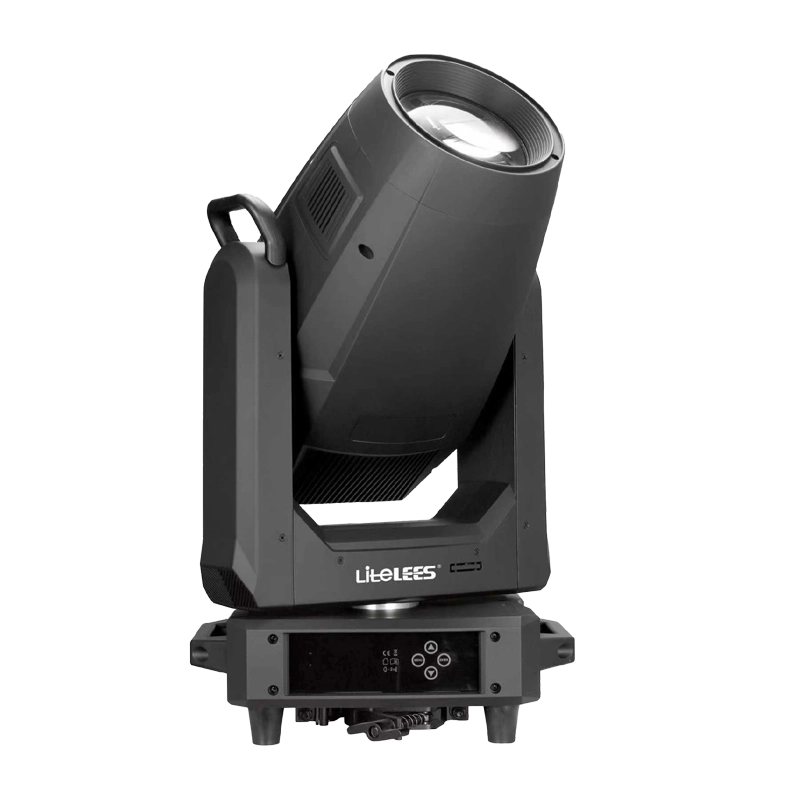
LiteLEES LUMIX BEAM 420 IP
LP Profile 900
Want to get more up-to-date information?
If you have any comments or good suggestions, please leave us a message; later our professional staff will contact you as soon as possible.

We are professional stage lighting manufacturers offering OEM and ODM LED stage lights.
Contact
Email us
Call us
Address
No.6 Longnan Road, Huashan Town, Huadu District Guangzhou, Guangdong Province, China.
LiteLEES Professional
Less Lighting