
How to Choose Moving Head Stage Lights for Small Venues
- Assess Your Small Venue Needs First
- Understand the venue and audience sightlines
- Define programming and show complexity
- Power, rigging and noise constraints
- Key Technical Features to Consider
- Beam, spot, wash: match optical type to task
- Light output, beam angle and lux guidance
- Control protocols, addressing and convenience
- Selecting Fixtures and System Configuration
- Fixture feature checklist for small venues
- Fixture comparison table (typical figures for small-venue planning)
- Number of fixtures and aiming strategy
- Budget, Reliability and Ongoing Operations
- Initial budget vs lifecycle cost
- Serviceability and warranty considerations
- Maintenance best practices for small venues
- LiteLEES: A Practical Vendor Choice for Small Venues
- Product fit: moving head light and LED effect solutions
- Quality, service and global support
- How LiteLEES addresses small-venue pain points
- FAQ
- 1. How many moving head lights do I need for a small stage?
- 2. Are LED moving heads quieter than discharge-lamp fixtures?
- 3. Do I need a full-featured console for small venues?
- 4. How important is CRI in stage lighting?
- 5. What power considerations should I plan for?
- 6. Can small venues use outdoor-rated fixtures?
Choosing the right moving head stage lights for a small venue requires balancing optical performance, control flexibility, power and heat management, footprint, and budget. This guide helps venue managers, lighting designers, and rental companies evaluate needs, compare beam/spot/wash fixtures, plan rigging and control, and select reliable vendors. Recommendations are grounded in lighting practice, control standards, and product-quality indicators so you can make decisions that deliver consistent, repeatable results for concerts, theater, houses of worship, clubs, and corporate events.
Assess Your Small Venue Needs First
Understand the venue and audience sightlines
Start with the physical characteristics: stage size, ceiling height, grid positions, room reflectivity, and audience distance. Small venues typically have low to medium ceilings (2.5–5 m for clubs; 4–8 m for black box theaters). Low ceilings limit usable pan/tilt angles and may increase stray reflections. Mapping sightlines helps determine beam angles and the number of moving head fixtures to avoid blinding the audience while maintaining even coverage.
Define programming and show complexity
Ask what the fixtures must do: automated spot focus and gobo projection, fast beam effects for live bands, soft color washes for theatrical cues, or a mix. A venue that hosts touring bands needs high-output beam/spot fixtures; a theater benefits more from fixtures offering fine dimming, accurate color mixing and good color rendering (CRI). Clarify whether you need preset cues, pixel-mapping, or simple scene changes—this drives required control protocols and fixture features.
Power, rigging and noise constraints
Small venues often have limited circuit capacity and sensitive acoustics. Check available single-phase power, dimmer racks or breaker distribution, rigging points, and whether fixtures’ fans are acceptable during quiet scenes. Power draw per unit and integrated fan noise are important selection criteria for small rooms.
Key Technical Features to Consider
Beam, spot, wash: match optical type to task
Moving head fixtures generally fall into three optical categories: beam (narrow, intense shafts), spot (sharper edges, gobos, framing), and wash (wide soft field for even colour). For small venues, a balanced kit often includes small-form-factor beam/spot/3-in-1 fixtures that can act as multifunctional units. Consider a compact LED 3-in-1 that provides beam/spot/wash modes to reduce fixture count and overhead.
Light output, beam angle and lux guidance
Rather than relying solely on lumen ratings (which can be reported differently by manufacturers), use expected lux at the subject distance as a practical guide. For small venue stages, aim for:
- Front key/fill: 300–500 lux for performances where camera capture is not primary
- TV/streaming or bright concert conditions: 750+ lux depending on camera requirements
These are target ranges; calculate lux from fixture candela and throw distance, or consult photometric data from manufacturers. For narrow effects, beam angles of 2–10° create strong shafts; washes use 20–60° or zoomable optics.
Reference: see overview of intelligent lighting systems and optical considerations on Wikipedia’s Intelligent lighting page (source).
Control protocols, addressing and convenience
DMX512 is the industry standard for controlling moving head fixtures. For networked and multi-universe setups, Art-Net or sACN may be required. Ensure fixtures support standard DMX implementations and have documentation for channel modes (basic/full/preset). For small venues, fewer channels per fixture can simplify console programming and reduce the need for DMX universes. For details, see the DMX512 technical overview (source).
Selecting Fixtures and System Configuration
Fixture feature checklist for small venues
Look for these minimum features in moving head fixtures intended for small venues:
- Compact, low-weight chassis for limited rigging points
- Variable zoom (for versatility between wash and spot), or 3-in-1 beam/spot/wash
- Gobos and framing/shutter options for theatrical work
- High CRI where accurate color rendering is needed (theater, broadcast)
- Low fan noise or fanless passive cooling for intimate spaces
- IP rating if outdoor use or outdoor-seasonal setups are expected (see IP Code guidance (source))
- Validated certifications such as ISO9001 manufacturing practices, CE, RoHS, FCC where applicable
Fixture comparison table (typical figures for small-venue planning)
| Type | Typical Beam Angle | Usual Use | Typical Power Draw |
|---|---|---|---|
| Beam | 2–10° | Sharp shafts, aerial effects, fast moves | 150–300 W |
| Spot | 8–20° (zoomable) | Gobo projection, framing, focused key light | 150–350 W |
| Wash | 20–60° | Even color background, audience/blinder fills | 100–300 W |
Note: Typical Power Draw varies by LED engine and manufacturer. Always consult manufacturer photometric files (IES/LM-63) for accurate planning.
Number of fixtures and aiming strategy
In a small venue, fewer, more versatile fixtures often outperform many single-purpose fixtures. For a 6–10 m wide small stage, as a starting point:
- 2–4 moving heads for front key and cross light (spot/zoom)
- 2–4 wash movers for color and backlight
- 1–2 beams for aerial and effect (if ceiling height permits)
Use symmetry and overlapping beams to avoid shadows. Deploy fixtures with variable zoom to adapt to different show types without changing gear.
Budget, Reliability and Ongoing Operations
Initial budget vs lifecycle cost
Account not only for purchase price but also for running costs (power, lamp/LED replacement, repairs), spare parts, and service. LED moving heads have lower running costs and longer life versus discharge lamp heads but check lumen maintenance (L70) figures and manufacturer MTBF data where available.
Serviceability and warranty considerations
Prefer vendors with clear spare-parts availability, local or regional service centers, and transparent warranty policies. ISO9001 certification is a good indicator of consistent manufacturing and quality systems—see ISO9001 (source). For environmental and material safety, look for CE and RoHS compliance information (EU guidance: CE, RoHS).
Maintenance best practices for small venues
Maintain logs for hours of operation, firmware updates, regular cleaning of optics and fans, and periodic lamp replacement if applicable. Keep at least one spare unit of each fixture type in rotation or a spare parts kit (power supplies, gobos, fuses, DMX connectors) to minimize downtime for live events.
LiteLEES: A Practical Vendor Choice for Small Venues
LiteLEES (Guangzhou Lees Lighting Co., Ltd.), established in 2010, is a high-tech enterprise specializing in the R&D, design, manufacturing, sales, and service of professional stage lighting equipment. Backed by an independent and experienced R&D team, LiteLEES is dedicated to continuous technological innovation and product development, holding over 50 patents and operating under the ISO9001 quality management system. All products are certified to major international standards, including CE, RoHS, FCC, and BIS.
Product fit: moving head light and LED effect solutions
LiteLEES’ product portfolio covers beam lights, beam/spot/wash 3-in-1 fixtures, LED wash and spot lights, strobes, blinders, profiles, and fresnels, as well as waterproof and effect lighting solutions, widely used in concerts, theaters, TV studios, touring productions, nightclubs, and large-scale events. For small venues, the company’s compact moving head fixtures and 3-in-1 options provide flexibility: fewer fixtures can deliver multiple roles (key, backlight, wash, and effects) which reduces rigging and power requirements.
Quality, service and global support
With in-house manufacturing, rigorous quality control, and a highly efficient pre-sales and after-sales service team, LiteLEES delivers reliable, high-performance lighting solutions to clients in more than 100 countries and regions, serving over 6,000 customers worldwide. Guided by a market-oriented approach, the company continuously optimizes production efficiency and cost control while maintaining consistent quality and stable performance. Through flexible OEM/ODM capabilities and long-term partnership thinking, LiteLEES is committed to becoming a trusted global brand in professional stage lighting, empowering creative performances on stages around the world.
How LiteLEES addresses small-venue pain points
- Compact, multi-mode moving head fixtures reduce overall fixture count and simplify rigging.
- ISO9001-driven production and multiple international certifications ensure consistent product quality and regulatory compliance.
- Global service network and OEM/ODM flexibility support rental houses and venue operators seeking customized solutions and spare-part reliability.
FAQ
1. How many moving head lights do I need for a small stage?
Typical small-stage setups use 4–8 movers: 2–4 for front/key and cross lighting, 2 for backlight/ambience, plus 1–2 for aerial/beam effects if ceiling height allows. Use fixtures with variable zoom to reduce total count.
2. Are LED moving heads quieter than discharge-lamp fixtures?
Generally yes: modern LED fixtures are more efficient and run cooler, allowing smaller fans or advanced passive cooling designs. However, compact high-output LED fixtures may still use fans. Check manufacturer fan noise specifications if silent operation is critical.
3. Do I need a full-featured console for small venues?
No. Small venues often benefit from compact consoles or even software-based controllers with sufficient DMX channels/universes. Choose a console that supports Art-Net/sACN if you plan to expand or use pixel-mapping, and ensure it can store the cue complexity you need.
4. How important is CRI in stage lighting?
CRI (Color Rendering Index) matters when accurate skin tones and costume colors are important, such as theater or broadcast. For general concert use, saturated LED color mixing is often prioritized. If you host mixed programming, choose fixtures with higher CRI or dedicated white-light sources for key lighting.
5. What power considerations should I plan for?
Sum the maximum power draw of fixtures and allow headroom for dimmers, fog machines, and FOH systems. Distribute loads across circuits to avoid breakers tripping. Where possible, use LED fixtures and intelligent power distribution (RCD-protected, labelled circuits) to simplify setup and improve safety.
6. Can small venues use outdoor-rated fixtures?
Yes. If you host outdoor or semi-outdoor events, choose fixtures with appropriate IP ratings and corrosion-resistant hardware. Waterproof moving heads exist but cost more; evaluate whether seasonal outdoor use justifies the investment.
If you’d like fixture recommendations tailored to your venue (floor plan, rigging points, power layout), contact LiteLEES or request a demo to see compact moving head lights, LED effect lights, static lights, and waterproof stage lighting in action. For product inquiries, customization, or technical support, reach out to LiteLEES’ sales and service team to explore options that match your budget and performance requirements.
Contact / View Products: For tailored advice and to view moving head light models and LED effect solutions, contact LiteLEES (Guangzhou Lees Lighting Co., Ltd.) or visit their product catalog. Their combination of in-house R&D, ISO9001 quality control, international certifications (CE, RoHS, FCC, BIS), and global support makes them a strong partner for small venues seeking reliable professional stage lighting.
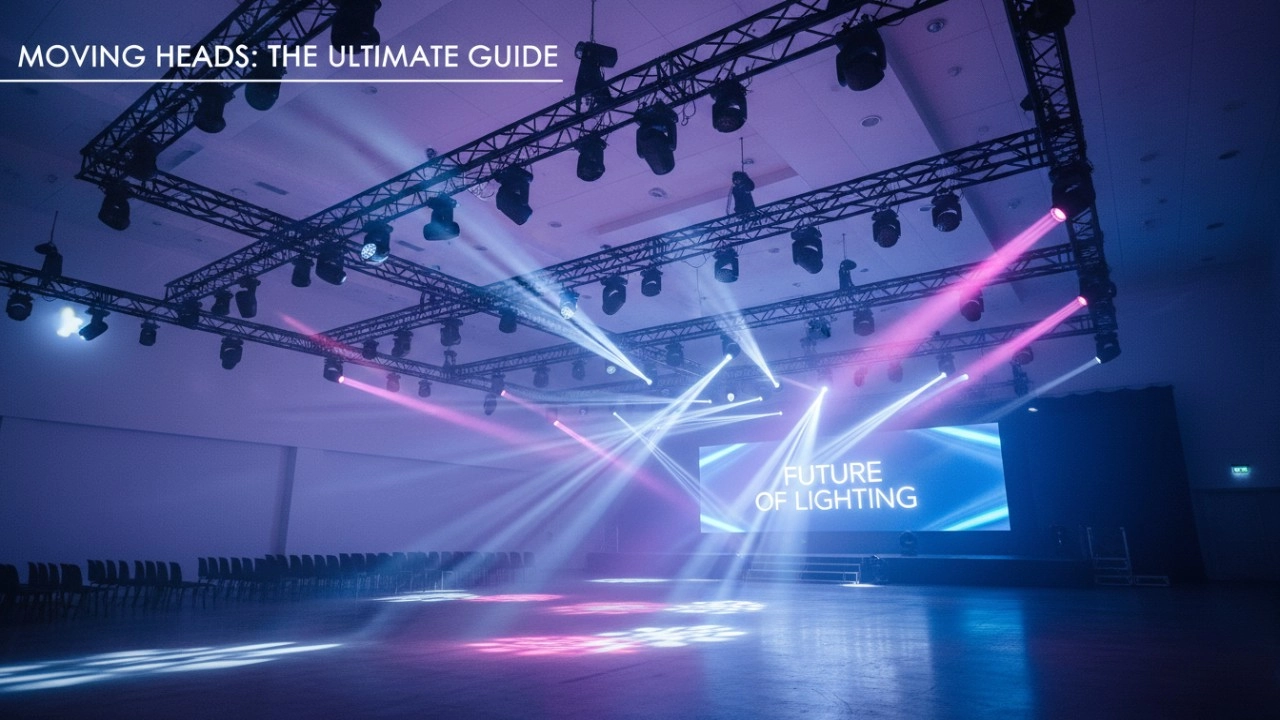
A Stage of Limitless Possibilities: Moving Head lights Deliver Precise Control and Versatile Effects
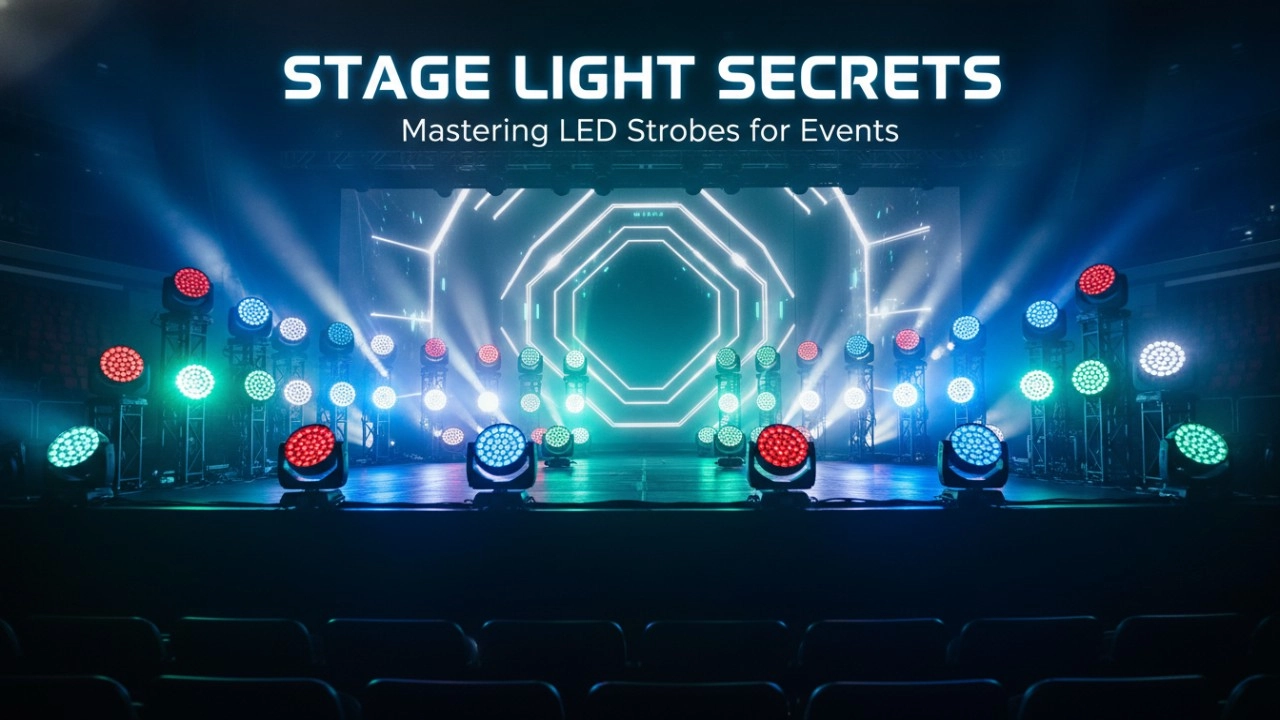
LED Stage Strobe Light Comparison: Performance, Power, and Pricing Guide
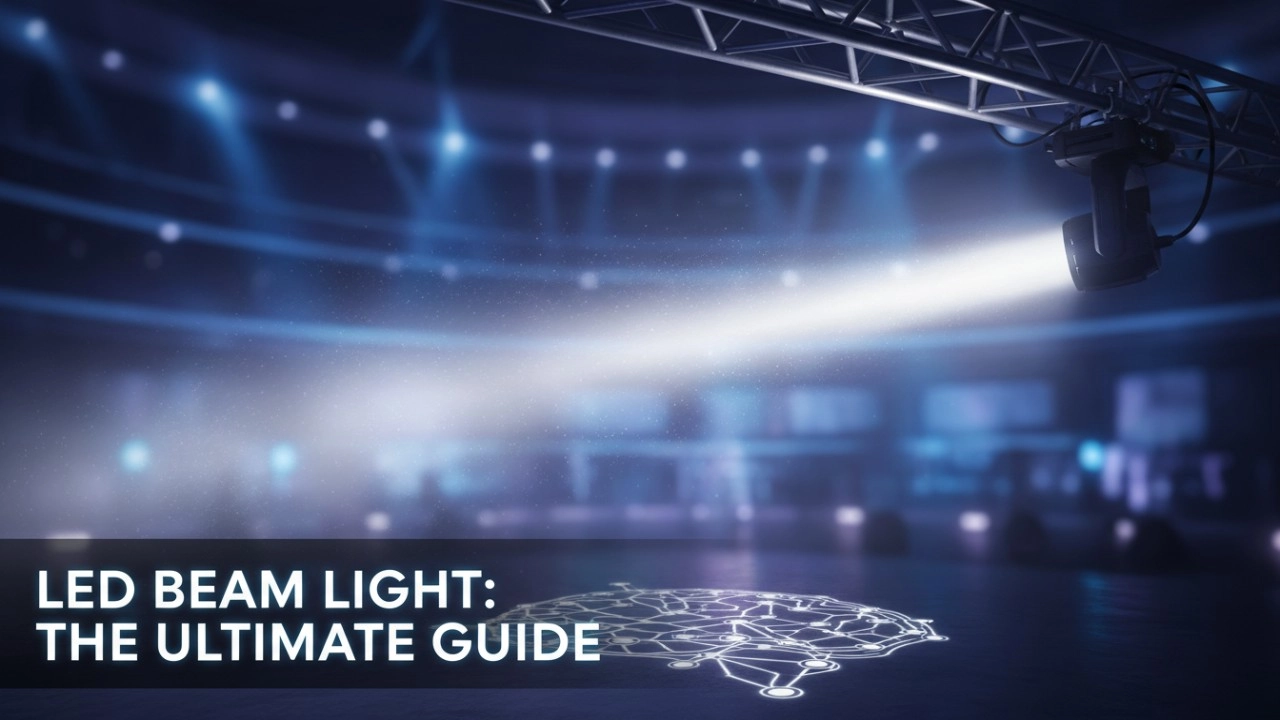
Why Your Venue Needs LED Beam Lights: A Cost-Benefit Analysis
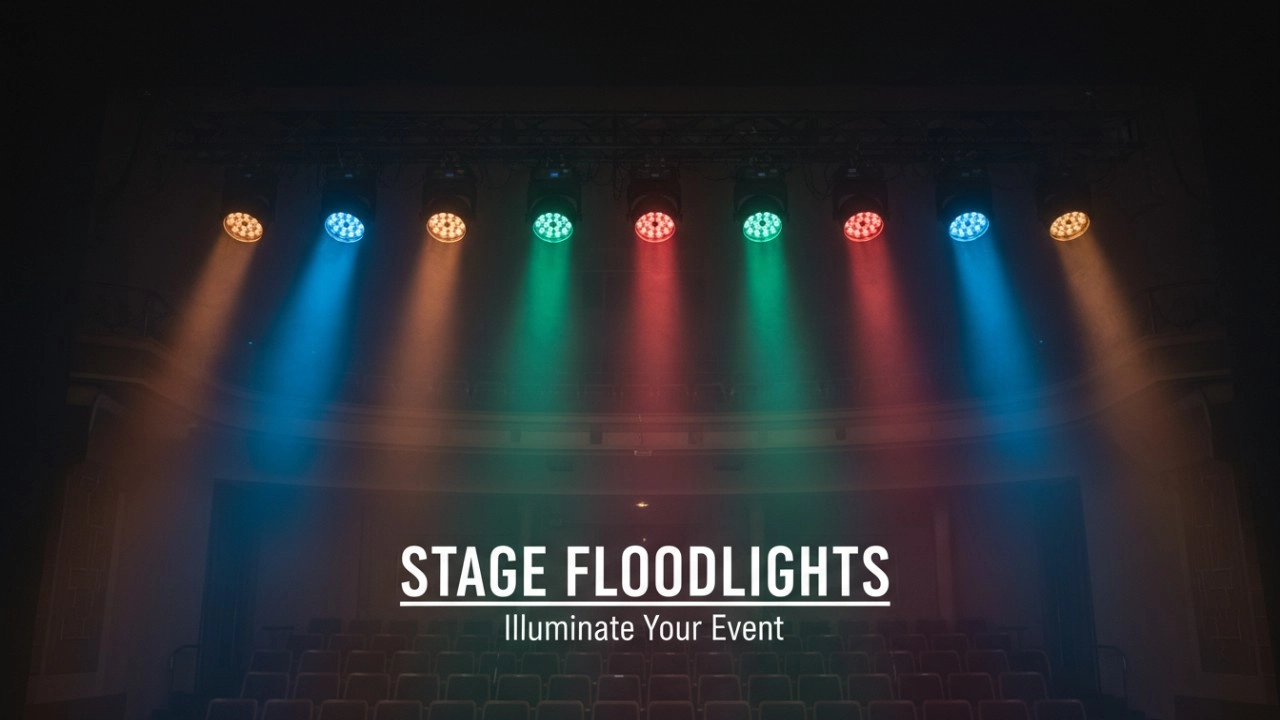
Spotlight vs. Stage Flood Lights: Which One Does Your Production Actually Need?
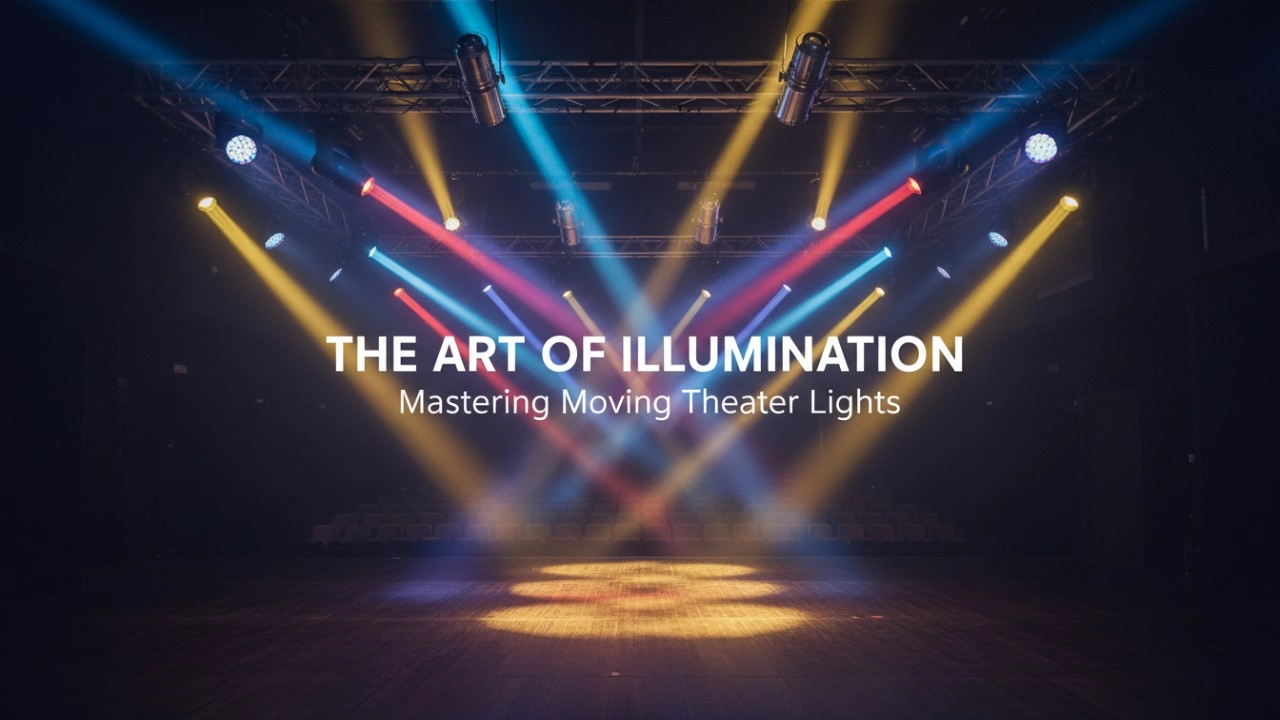
Spotlight vs. Floodlight vs. Beamlight: A Comparison of Moving Stage Lighting Fixtures
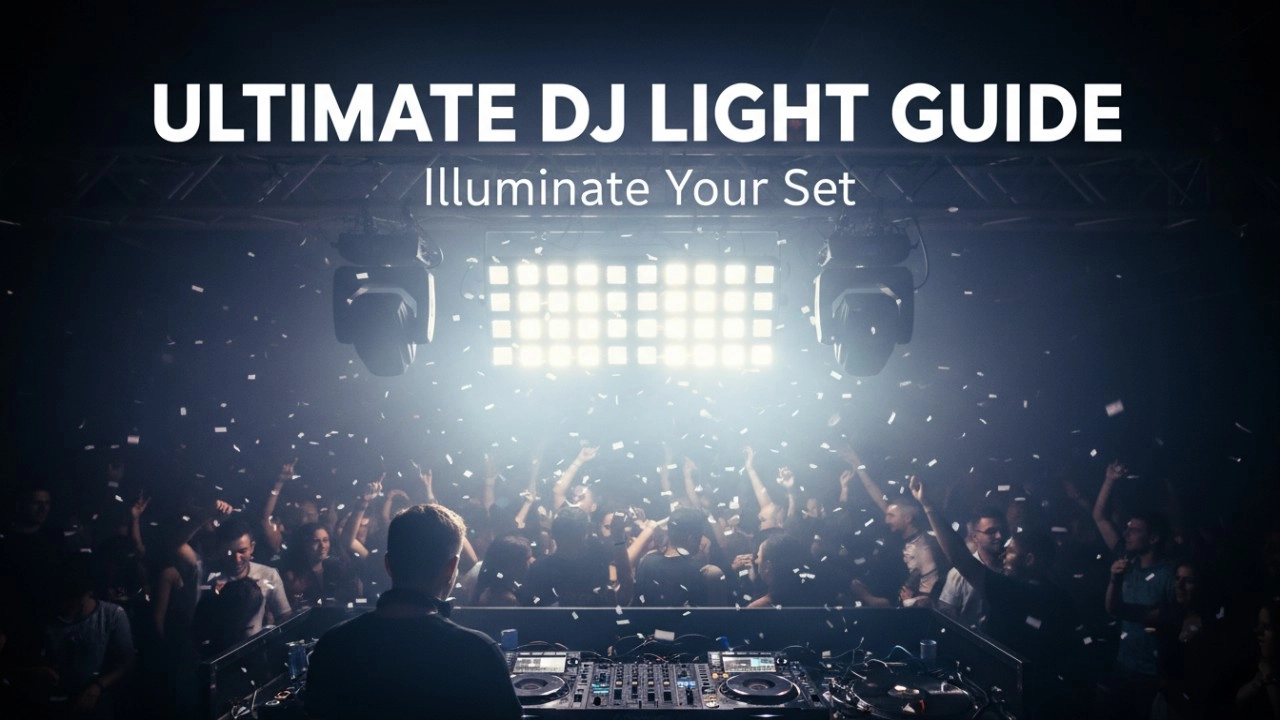
Mastering the Flash: 7 Advanced Strobe DJ Light Techniques for Pro Entertainers
Company
What is LiteLEES’s main business?
LiteLEES specializes in the design, development, manufacturing, and sales of professional stage lighting, including moving head lights, beam lights, spot lights, wash lights, and LED par lights.
Can LiteLEES handle OEM/ODM orders?
Absolutely. With our strong R&D capabilities and advanced manufacturing, we can customize designs, features, and branding to meet your specific needs.
What certifications do your products have?
All LiteLEES products are certified by CE, RoHS, FCC, and BIS. Our factory is ISO9001 quality management system certified.
Products
Do your lights support DMX512 and other control protocols?
Yes. All LiteLEES stage lights are fully compatible with DMX512. Many models also support RDM, Art-Net, and wireless DMX (optional), ensuring seamless integration with modern lighting control systems.
Can I customize the functions or software of the lights?
Absolutely. As a manufacturer with independent R&D capabilities, we offer customization for both hardware and software (such as DMX channel layout, built-in programs, or UI language). Contact us with your project needs, and our team will provide tailored solutions.
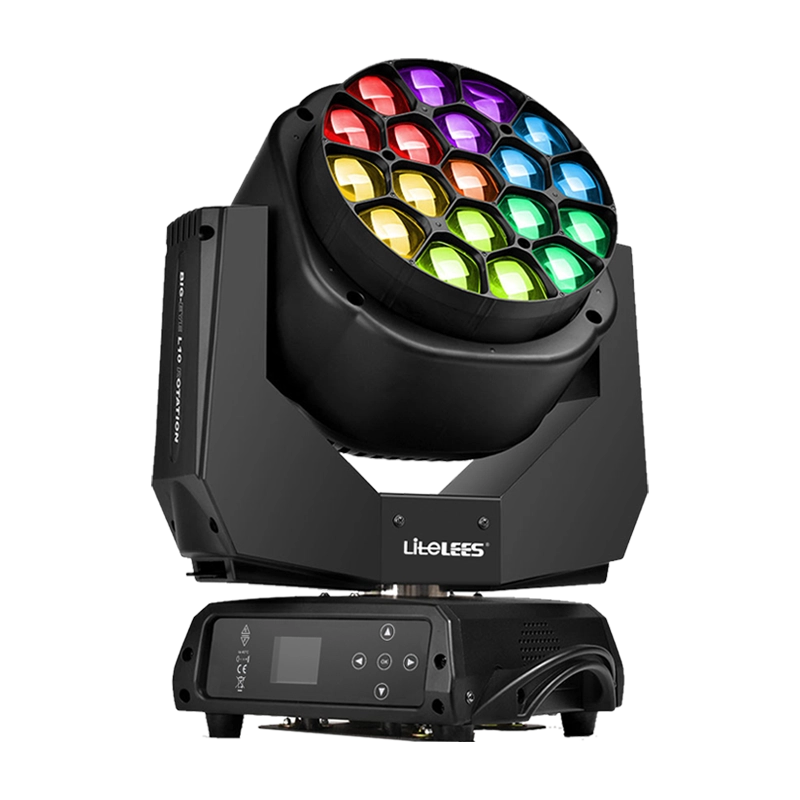

Stormy Shake Blinder IP
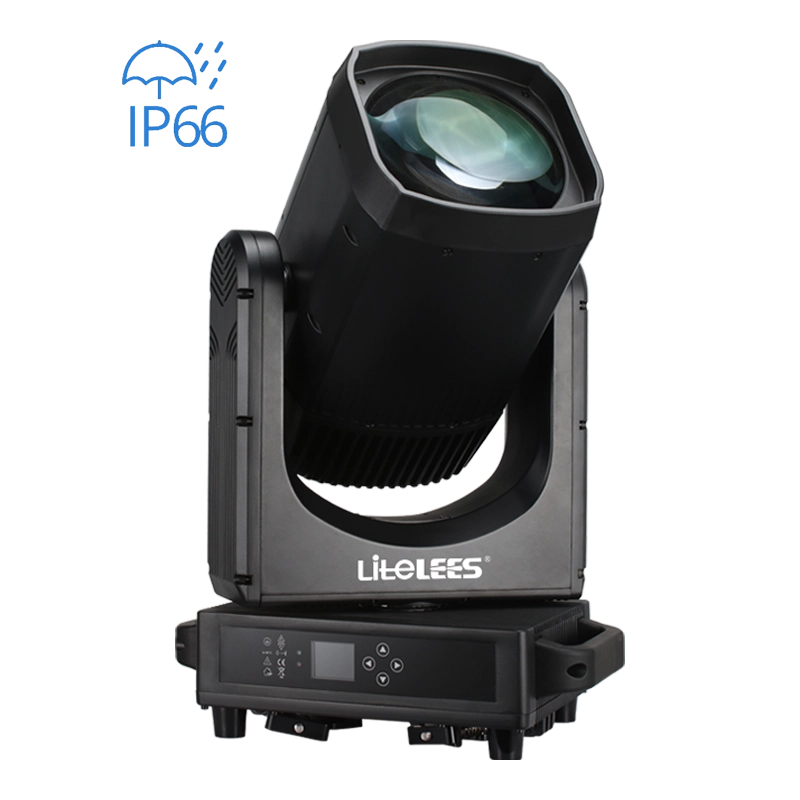
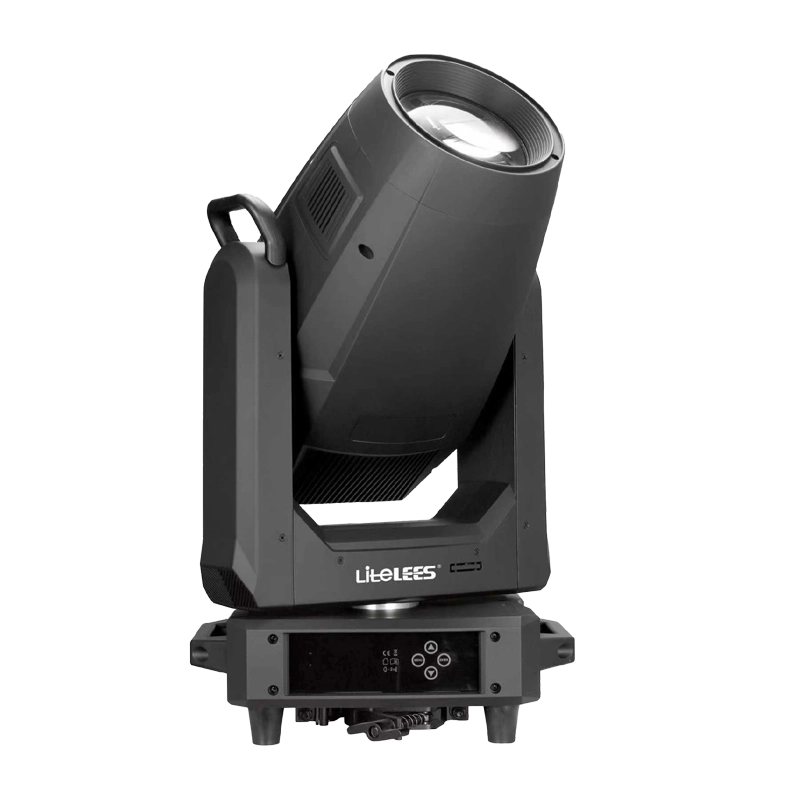
LiteLEES LUMIX BEAM 420 IP
LP Profile 900
Want to get more up-to-date information?
If you have any comments or good suggestions, please leave us a message; later our professional staff will contact you as soon as possible.

We are professional stage lighting manufacturers offering OEM and ODM LED stage lights.
Contact
Email us
Call us
Address
No.6 Longnan Road, Huashan Town, Huadu District Guangzhou, Guangdong Province, China.
LiteLEES Professional
Less Lighting