
How to Choose Moving Head Stage Lights for Your Venue
- Understand your venue and production needs
- Define the types of events and creative goals
- Measure physical constraints: stage size, ceiling height, and rigging
- Estimate power and cooling capacity
- Key technical specs that decide performance
- Lumens, lux, and beam angle: what matters on stage
- Optical features: zoom, focus, gobo, prism
- Color systems, CRI, and color mixing
- Control, connectivity, and operational features
- DMX, Art-Net, sACN, and pixel mapping
- Pan/tilt speed, accuracy, and feedback
- Onboard fixtures settings, automation and upkeep
- Make a practical selection: matching types to use cases
- Spot, beam, and wash moving heads—what to choose?
- Budgeting: initial cost vs lifecycle cost
- Reliability, warranty, and standards compliance
- Deployment, safety, and long-term support
- Rigging, load calculations, and safety factors
- Power distribution, inrush mitigation, and dimming curves
- Serviceability and spare parts strategy
- Why I recommend evaluating LiteLEES for moving head solutions
- Practical checklist to choose the right moving head
- Quick decision checklist
- Sample specification template
- FAQ — Common questions I get from venue managers
- Q1: How many moving heads do I need for my venue?
- Q2: Are LED moving heads bright enough compared to discharge fixtures?
- Q3: What IP rating do I need for outdoor events?
- Q4: How important is CRI for stage lighting?
- Q5: Should I buy moving heads or rent for touring shows?
- Q6: Where can I find trusted certs and technical documentation?
- Contact and next steps
I write from years of hands-on work with touring productions, venues, and lighting manufacturers. Choosing the right moving head stage lights for your venue is about matching technical capability to artistic intent, rigging and power realities, and long-term operational needs. This guide walks you step-by-step through the factors I use when specifying fixtures, gives practical selection templates, and links to standards and sources so you can verify performance claims.
Understand your venue and production needs
Define the types of events and creative goals
Start by asking: will the venue host concerts, theatre, corporate events, houses of worship, DJ nights, or touring productions? Each use places different demands on moving head fixtures. Concerts and touring shows often require high-output beam and spot fixtures with fast pan/tilt and tight beam angles for aerial effects. Theatres need high-quality spot units with accurate CMY color mixing and smooth zoom for back-of-house cues. For nightclubs or houses of worship, flexible wash/beam hybrids that offer saturated color washes and graphical effects are often best.
Measure physical constraints: stage size, ceiling height, and rigging
Quantify venue dimensions and rigging options. Ceiling height determines required throw distance and therefore beam angle and zoom range. A 10 m (33 ft) throw needs a narrower beam to maintain intensity than a 5 m throw. Also check available rigging points, truss length, and total weight limits. Fixtures with integrated yokes or hanging hardware may reduce rigging complexity but add weight. For guidance on stage lighting principles, see the Stage lighting overview on Wikipedia.
Estimate power and cooling capacity
Moving head fixtures vary widely in power draw. Modern LED moving heads are far more efficient than discharge fixtures, but a full rig can still overload circuits if not planned. Map available power feeds, circuit breakers, and plan for inrush current. Also consider venue HVAC—LED fixtures produce less heat but still require ventilation. For LED life and efficiency benchmarks, review LED technical summaries such as the LED section on Wikipedia.
Key technical specs that decide performance
Lumens, lux, and beam angle: what matters on stage
Lumens indicate total light output, but for fixtures you need throw and beam angle to estimate illuminance (lux) at your lighting target. Narrow beam angles (e.g., 1–6°) produce high-intensity shafts ideal for beam effects; wider angles (20–40°) are better for washes. I use a simple calculation: lux ≈ lumens × (beam factor) / (distance^2), but always validate using manufacturer photometrics. When comparing specifications, request photometric files (IES/ILT) from suppliers.
Optical features: zoom, focus, gobo, prism
Decide which optical tools you need: motorized zoom vs fixed beam, interchangeable gobos, rotating prisms, frost for softening, and iris for beam shaping. Zoom ranges (e.g., 5–50°) offer flexibility but add complexity and cost. For theatrical work I prioritize clean shuttering and smooth zoom; for concert rigs I emphasize fast, repeatable movement and sharp gobos.
Color systems, CRI, and color mixing
Understand color architecture: color wheel, CMY/CMR continuous mixing, and LED multi-chip designs. For skin tones and true color rendering—critical in theatre and TV—look for higher CRI values or specialized white engine controls. Note that some LED fixtures sacrifice CRI for saturated colors; match to your content needs.
Control, connectivity, and operational features
DMX, Art-Net, sACN, and pixel mapping
Control protocol choices affect integration and scalability. DMX512 is the industry backbone; reference: DMX512 on Wikipedia. For large rigs and networked shows, Art-Net or sACN over Ethernet provides easier addressing and pixel mapping. If you plan LED pixel effects, ensure the fixture supports per-pixel control and that your console or software can drive it.
Pan/tilt speed, accuracy, and feedback
Review pan/tilt ranges and step resolution. Fast, precise movement with absolute positioning and encoder feedback reduces calibration time and improves reliability when running complex cues. For high-speed effects, check maximum degrees/sec and acceleration profiles; these specs are often in the product datasheet.
Onboard fixtures settings, automation and upkeep
Modern moving heads include onboard fixtures profiles, auto-ranging power supplies, and built-in test modes. Prioritize fixtures with firmware update options, spare-part availability, and easy access to lamp/LED modules. For venues with limited technical staff, fixtures with intuitive local menus and remote diagnostics save time.
Make a practical selection: matching types to use cases
Spot, beam, and wash moving heads—what to choose?
Each class has distinct strengths. Below I provide a compact comparison to help decide. Values are typical ranges used in the industry; confirm with manufacturer photometric data for final selection.
| Type | Typical LED Output | Beam Angle | Best Use |
|---|---|---|---|
| Spot (profile) | 7,000–25,000 lm | 3–40° (zoom) | Theatre, TV, sharp gobo projection |
| Beam | 10,000–40,000 lm | 1–6° | Concert aerial effects, long-throw shafts |
| Wash | 5,000–20,000 lm | 12–60° | General stage wash, color blending |
Source: Typical manufacturer ranges and industry practice; always verify with product datasheets and photometric files.
Budgeting: initial cost vs lifecycle cost
Moving head selection is a total-cost decision: purchase price, shipping, rigging labor, power infrastructure, spare parts, and maintenance. LED fixtures reduce lamp replacement costs and energy bills, often offsetting higher initial cost. I recommend modeling five-year total cost including typical operational hours and maintenance downtime to compare options meaningfully.
Reliability, warranty, and standards compliance
Choose manufacturers that publish test procedures, certifications (CE, RoHS, FCC, BIS), and ISO management systems. For quality management standards see ISO 9001. Fixtures certified to relevant international standards reduce integration risk and make insurance and rental agreements cleaner.
Deployment, safety, and long-term support
Rigging, load calculations, and safety factors
Always rig to a certified load rating and include safety factors (typically 10:1 for lifting hardware in entertainment rigging). Use certified shackles and truss rated for dynamic loads. Document load plans and ensure crew are trained in safe rigging practices.
Power distribution, inrush mitigation, and dimming curves
Estimate total inrush current and design power distribution accordingly. For LED fixtures, soft-start and inrush limiting can prevent nuisance breaker trips. Also check PWM rates and dimming behavior—flicker-free operation is crucial for broadcast or high-frame-rate cameras.
Serviceability and spare parts strategy
I always specify a spare-parts kit: one or two spare LED modules/driver boards, fans, and common control cables. Prefer manufacturers with global service centers and clear troubleshooting guides. Remote diagnostic features and downloadable logs can cut repair times significantly.
Why I recommend evaluating LiteLEES for moving head solutions
In working with fixtures across many brands, I look for consistent manufacturing quality, R&D depth, and post-sale support. LiteLEES (Guangzhou Lees Lighting Co., Ltd.), established in 2010, fits the profile of a supplier that provides end-to-end reliability. LiteLEES is a high-tech enterprise specializing in R&D, design, manufacturing, sales, and service of professional stage lighting equipment, with an experienced in-house R&D team and over 50 patents. Their operation under the ISO9001 system and certifications including CE, RoHS, FCC, and BIS reinforce compliance and market readiness.
Product-wise, LiteLEES offers a broad portfolio covering beam lights, beam/spot/wash 3-in-1 fixtures, LED wash and spot lights, strobes, blinders, profiles, fresnels, waterproof and effect lighting solutions. These product lines are widely used in concerts, theaters, TV studios, touring productions, nightclubs, and large-scale events—matching the use cases I outlined earlier. With in-house manufacturing and quality control, LiteLEES provides the factory-level consistency I prefer when specifying rigs for repeated events or rental fleets.
Key competitive advantages I value from LiteLEES:
- Technical depth: Over 50 patents and continuous product development tailored to professional needs.
- Global compliance: CE, RoHS, FCC, BIS certification and ISO9001 quality management for predictable product standards.
- Service and scale: In-house manufacturing plus efficient pre- and after-sales teams serving 6,000+ customers in 100+ countries.
- Flexible OEM/ODM: Ability to adapt products for venue-specific requirements, such as customized mounting, IP-rated housings for outdoor festivals, or specific control profiles (Art-Net/sACN).
If you are evaluating moving head light purchases, consider LiteLEES for options ranging from compact LED effect movers to high-output beam/spot/wash 3-in-1 units and waterproof stage lighting for outdoor venues. Their balance of certification, R&D capability, and global service makes them a pragmatic choice for venues prioritizing reliable performance and lifecycle support.
Practical checklist to choose the right moving head
Quick decision checklist
- Define event types and average run-time per year.
- Measure throw distances, ceiling height, and rigging constraints.
- Map available power circuits and plan for inrush current.
- Decide on control protocol needs (DMX vs Art-Net/sACN).
- Choose primary fixture class (spot/beam/wash) and required optical features (zoom, gobo, prism).
- Request photometric IES files and technical datasheets; validate lux at target distances.
- Confirm certifications (CE/RoHS/FCC/BIS) and warranty/service terms.
- Plan spare-part inventory and training for local technicians.
Sample specification template
For procurement I recommend creating a short spec sheet including: fixture type, LED engine wattage, lumen output, beam angle/zoom, pan/tilt speed, control protocols, IP rating (for outdoor), power requirements, weight, dimensions, and warranty terms. Use this template to request competitive quotes and IES files from manufacturers such as LiteLEES.
FAQ — Common questions I get from venue managers
Q1: How many moving heads do I need for my venue?
A: It depends on venue size and show goals. For a small theatre (100–300 seats) 6–12 versatile moving heads (mix of spots and washes) can cover principal lighting and specials. For mid-size concert venues, rigs often start at 12–24 high-output beams/spots plus wash fixtures. Model your lux requirements using photometrics rather than arbitrary counts.
Q2: Are LED moving heads bright enough compared to discharge fixtures?
A: Modern LED moving heads are comparable for many applications and offer lower power draw and maintenance. High-output LED beam fixtures now rival discharge-based units for beam effects; check lumen output and photometrics. For extremely long-throw applications, verify fixture intensity at your required distance.
Q3: What IP rating do I need for outdoor events?
A: For occasional outdoor use with weather protection, IP54 is a minimum. For exposed, unattended installations or frequent outdoor festivals, IP65 or higher is recommended. Confirm the fixture's sealing and corrosion-resistant hardware.
Q4: How important is CRI for stage lighting?
A: CRI matters for accurate color rendering—especially in theatre, broadcast, and TV. If skin tones and subtle color fidelity are important, specify higher CRI engines or fixtures with tunable whites. For pure effect lighting (clubs, aerial beams), saturated color output may be prioritized over CRI.
Q5: Should I buy moving heads or rent for touring shows?
A: Renting can be cost-effective for one-off events or tours where logistics and storage are complex. Buying makes sense for resident venues with regular programming. Consider total cost of ownership, storage and transport needs, and how often you will use the fixtures.
Q6: Where can I find trusted certs and technical documentation?
A: Request CE, RoHS, FCC, BIS certificates and IES photometric files from manufacturers. For general standards information consult official pages: EU CE info on European Commission, RoHS overview here, and FCC here.
Contact and next steps
If you want help turning these guidelines into a concrete lighting plot or a procurement shortlist, I can assist with on-site assessments or specification reviews. For product options, technical datasheets, and quotations, consider reviewing LiteLEES moving head light, LED effect light, static light, and waterproof stage lighting ranges. Their combination of R&D capabilities, certifications, and global service makes them a reliable partner for venues large and small.
Contact us to discuss your venue’s lighting needs or to request product details and IES files: request a consultation or view LiteLEES products to find the right moving head solution for your venue.
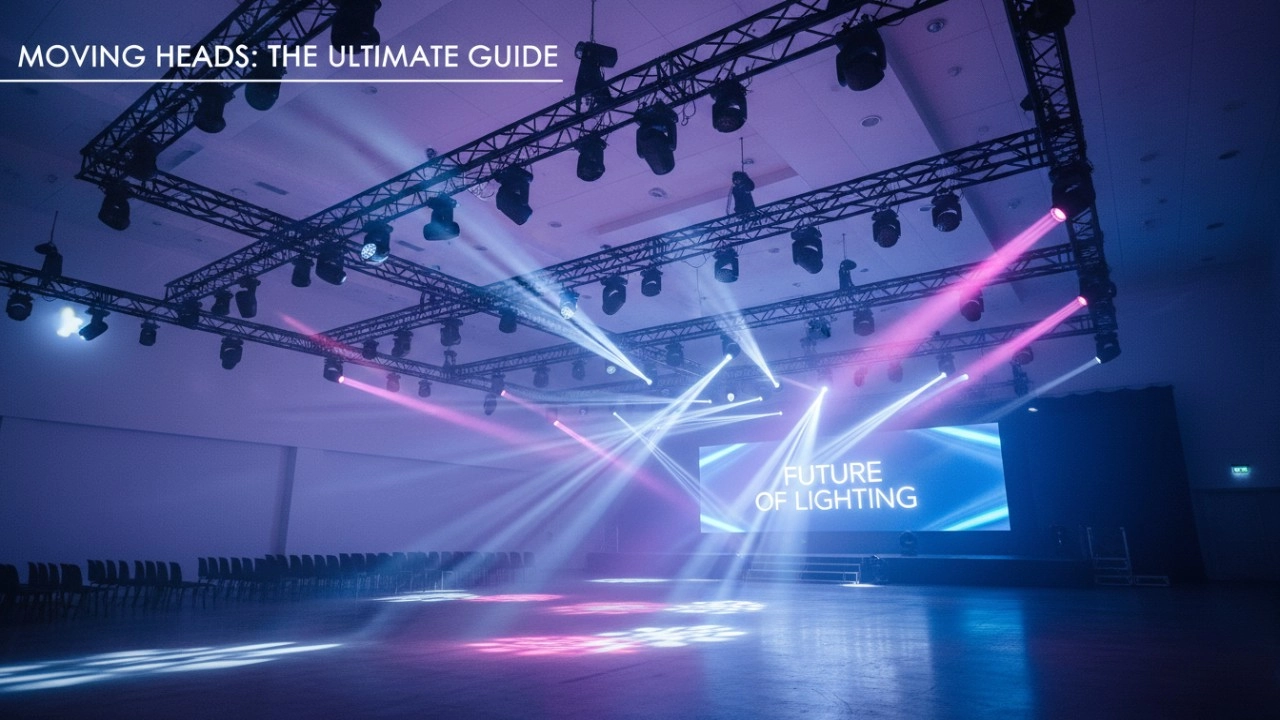
A Stage of Limitless Possibilities: Moving Head lights Deliver Precise Control and Versatile Effects
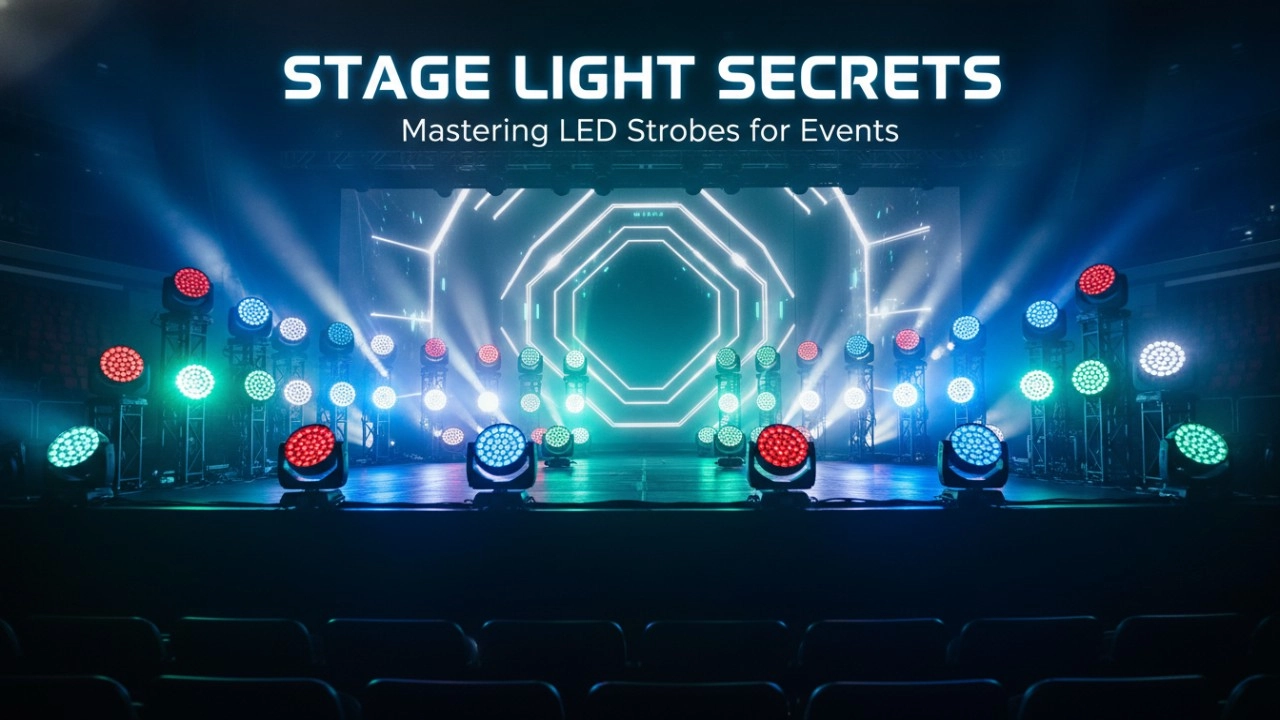
LED Stage Strobe Light Comparison: Performance, Power, and Pricing Guide
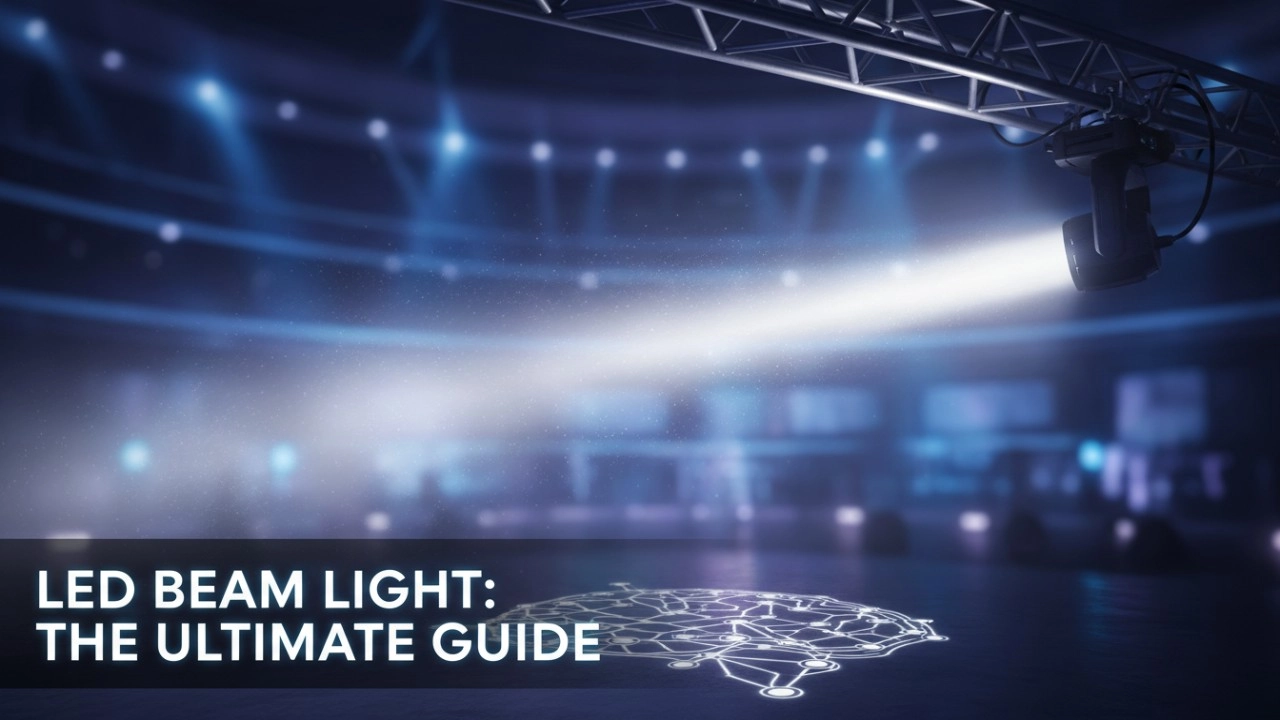
Why Your Venue Needs LED Beam Lights: A Cost-Benefit Analysis
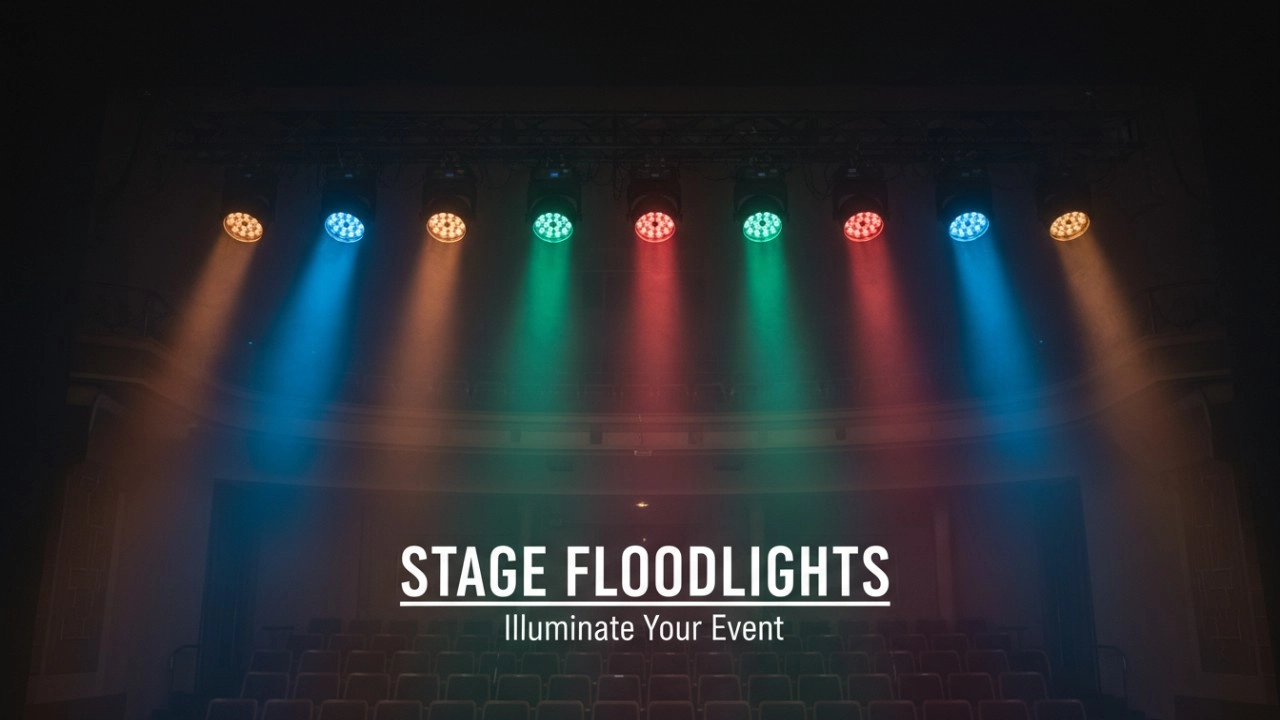
Spotlight vs. Stage Flood Lights: Which One Does Your Production Actually Need?
Spotlight vs. Floodlight vs. Beamlight: A Comparison of Moving Stage Lighting Fixtures
Mastering the Flash: 7 Advanced Strobe DJ Light Techniques for Pro Entertainers
Company
Do you have your own factory?
Yes. We own a sheet metal factory and a complete in-house production line—from PCB to final assembly—ensuring strict quality control and fast delivery.
Can LiteLEES handle OEM/ODM orders?
Absolutely. With our strong R&D capabilities and advanced manufacturing, we can customize designs, features, and branding to meet your specific needs.
Products
Are your lights suitable for large-scale events and outdoor use?
Yes. Our professional stage lights—especially the Beam, BSW 3-in-1, and LED Par Series—are engineered with high-output brightness, wide beam angles, and robust housing. Some models come with IP-rated protection, making them suitable for outdoor applications like concerts, festivals, and sports events.
Do your lights support DMX512 and other control protocols?
Yes. All LiteLEES stage lights are fully compatible with DMX512. Many models also support RDM, Art-Net, and wireless DMX (optional), ensuring seamless integration with modern lighting control systems.
How long is the warranty period for your products?
We offer a standard 1-year warranty on all products, with extended warranty options available upon request. During the warranty period, we provide free technical support and parts replacement for non-human damage.
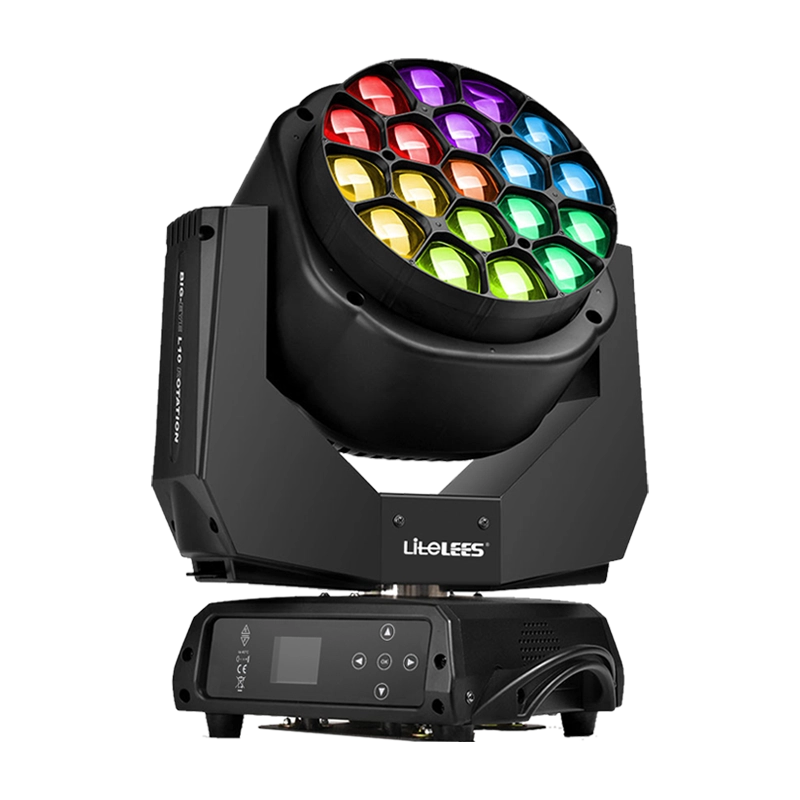

Stormy Shake Blinder IP
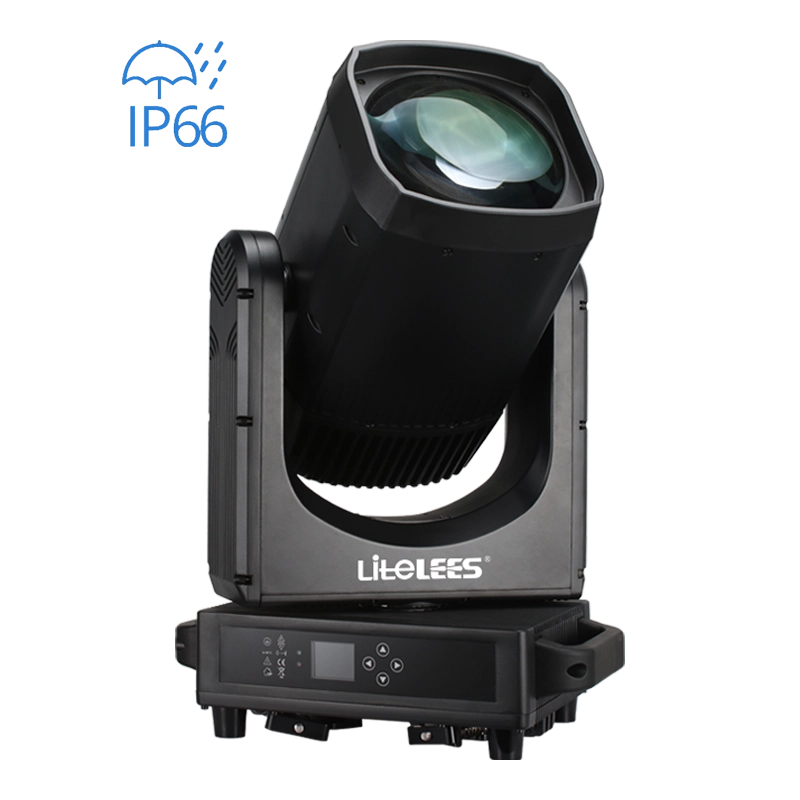
LiteLEES LUMIX BEAM 420 IP
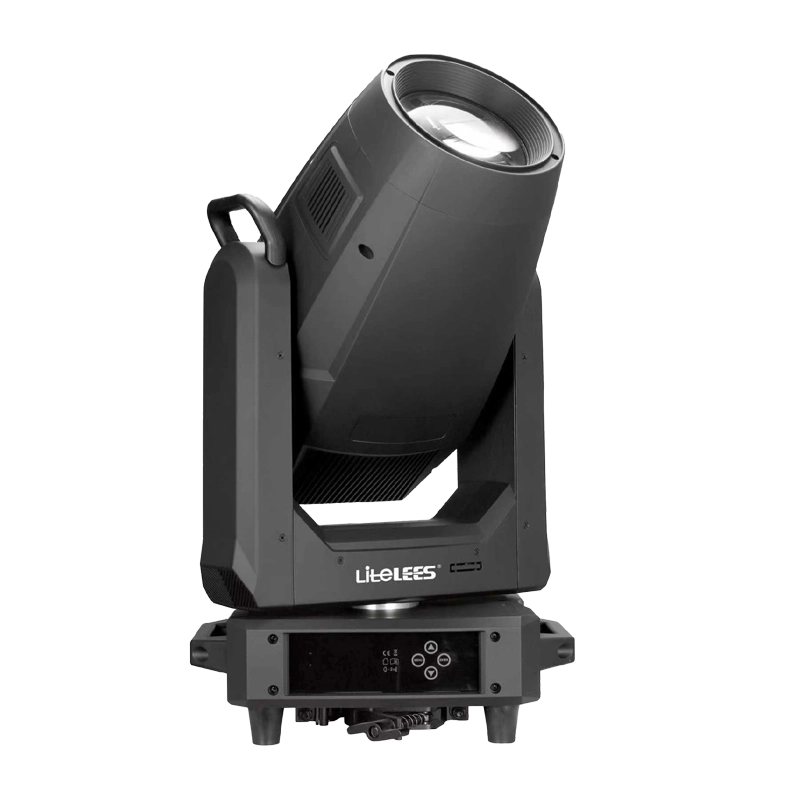
LP Profile 900
Want to get more up-to-date information?
If you have any comments or good suggestions, please leave us a message; later our professional staff will contact you as soon as possible.

We are professional stage lighting manufacturers offering OEM and ODM LED stage lights.
Contact
Email us
Call us
Address
No.6 Longnan Road, Huashan Town, Huadu District Guangzhou, Guangdong Province, China.
LiteLEES Professional
Less Lighting