
How to choose LED stage lights for touring productions
- Selecting the right LED lighting for touring shows
- Understand the touring brief and
- Primary commercial considerations
- Key technical factors when choosing LED fixtures
- Light output, optics and beam control
- Color quality and mixing
- Power, thermal behavior and dimming
- Reliability, durability and touring logistics
- Build quality and ingress protection
- Weight, size and caseability
- Maintenance and field serviceability
- Control systems, connectivity and integration
- Protocols and networked control
- Addressing, presets and automation
- Broadcast and camera requirements
- Making the buy vs rent decision and budgeting
- Ownership, rental houses and total cost of ownership
- Specification checklist and sample budgets
- Negotiation points with suppliers
- Comparing fixture types for touring productions
- Practical touring checklist
- Why supplier choice matters: LiteLEES as an example partner
- Common touring pitfalls and how to avoid them
- Underestimating spare parts needs
- Poor power planning
- Ignoring broadcast compatibility
- Frequently Asked Questions (FAQ)
- 1. What is the best LED fixture mix for a mid-size arena tour?
- 2. What IP rating do I need for outdoor touring?
- 3. How many spare units should I carry on tour?
- 4. Do LED fixtures flicker on camera?
- 5. Should I buy or rent lighting for a tour?
- 6. How important is manufacturer certification and testing?
- Contact and product inquiry
- References
Selecting the right LED lighting for touring shows
Touring productions place unique demands on show lighting: fixtures must survive transit, adapt to diverse venues, integrate with control systems, and deliver consistent artistic results night after night. As a lighting consultant who has specified systems for international tours and rental houses, this guide explains how to choose LED stage lights for touring productions from a technical and practical perspective. It emphasizes operational reliability, creative flexibility, and total cost of ownership.
Understand the touring brief and
Before specifying gear, clarify the production needs: scale of the tour, indoor or outdoor venues, broadcast or social-media capture, rental or ownership model, and budget constraints. These define priorities for fixture power, IP rating, weight limits, and control compatibility. For most touring routes you will prioritize portability, modularity, and quick serviceability over marginal gains in raw output.
Primary commercial considerations
When a production searches for show lighting solutions, they are often combining creative requirements with procurement questions: where to buy or rent, how many units, what spare parts are needed, and how to manage rigging and power. Make sure any spec includes vendor support, warranty terms, and availability of roadworthy accessories such as road cases and power distro.
Key technical factors when choosing LED fixtures
Light output, optics and beam control
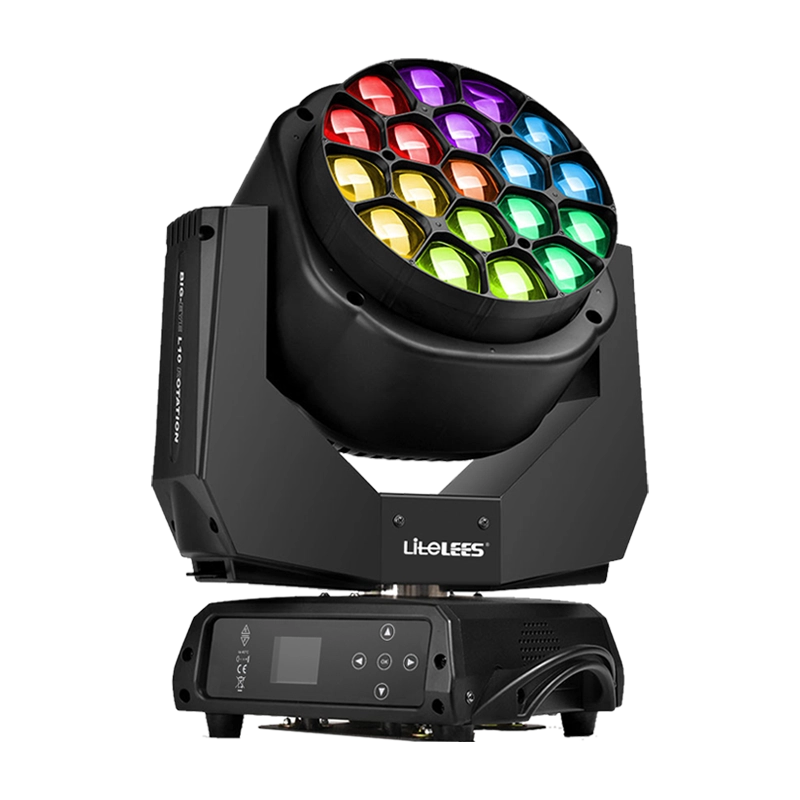
Evaluate fixtures by measured output (lux at distance) and usable beam shape rather than just lumen numbers. Spot and profile fixtures focus light via optics and gobos; wash fixtures use wider optics for even field coverage. Zoom ranges and motorized focus in moving heads matter for quick adaptation between venues with differing throw distances.
Color quality and mixing
Look for high-quality LED engines with full-spectrum color mixing and adequate CRI/TLCI ratings for camera work. Touring productions that are televised or live-streamed should specify fixtures with documented flicker-free operation and color stability across intensity ranges—important for broadcast and high-frame-rate capture.
Power, thermal behavior and dimming
Check continuous power draw, power factor, and thermal management. LED drivers that support high-frequency PWM or flicker-free linear drivers reduce camera artifacts. Touring rigs require predictable power consumption figures—calculate total current per dimmer rack and include in advance riders or technical specs for venues.
Reliability, durability and touring logistics
Build quality and ingress protection
Hard-use touring fixtures should feature reinforced housings, serviceable mechanics, and clear IP ratings for outdoor or adverse weather conditions. For outdoor seasonal festivals, choose IP65-rated or better fixtures. For indoor arena tours, focus on shock resistance, secure mounting points, and vibration-tested components.
Weight, size and caseability
Weight and packing density directly affect transport costs. Prioritize fixtures that balance output with lower weight per lumen and that fit common road-case dimensions. Confirm whether a vendor offers flight-case solutions optimized for safe stacking and fast loading/unloading.
Maintenance and field serviceability
Fast swap modularity—hot-swappable power supplies, accessible LEDs, and replaceable motors—reduces downtime on the road. Ensure the supplier provides spare parts kits and fast shipping or global service partners. RDM support and remote diagnostics speed troubleshooting during load-ins.
Control systems, connectivity and integration
Protocols and networked control
Tour rigs typically rely on DMX512; however, larger setups use Art-Net and sACN for networked distribution. Ensure fixtures support DMX, RDM, and modern network control protocols. Wireless control can be useful for short setups but requires careful RF planning in busy venues.
Addressing, presets and automation
Fixtures with user-friendly addressing, on-board presets, and position feedback reduce programming time in unfamiliar venues. For repeatable cues across different venues, save and exchange fixture personality files and patch details with the programming team.
Broadcast and camera requirements
If the tour includes broadcast or streaming, require fixtures that specify flicker-free operation at common camera frame rates and include spectral charts. Consult with broadcast engineers to agree on acceptable CRI/TLCI values and shutter-friendly dimming behavior.
Making the buy vs rent decision and budgeting
Ownership, rental houses and total cost of ownership
Buying is attractive for long-term tours or when the company has consistent lighting needs. Renting reduces capital expenditure and transfers maintenance risk to the rental house. When evaluating purchase, calculate total cost of ownership including spare parts, cases, shipping, and downtime risk.
Specification checklist and sample budgets
Build a checklist that includes: output and beam, weight and dimensions, IP rating, control protocols, warranty and service network, spare parts availability, and supplier references. For budgeting, include contingency for at least 5–10% replacement spares and dedicated road cases.
Negotiation points with suppliers
Ask suppliers about volume discounts, OEM/ODM customization, extended warranties, training for your crew, and turn-around times for repairs. Reliable vendors often offer logistical support like kitting fixtures per venue and pre-shipment testing.
Comparing fixture types for touring productions
The table below summarizes common LED fixture types used in touring. Values are typical ranges; always check manufacturer datasheets for exact specifications.
| Fixture Type | Typical Use | Beam/Angle | Control | Typical Power (W) | Touring Pros / Cons |
|---|---|---|---|---|---|
| Moving Head Spot/Profile | Gobos, specials, tight beams | 4°–40° zoom | DMX / RDM / Network | 300–1200 W | High versatility; heavier and complex; needs spares for motors |
| Moving Head Wash | Stage washes, color blending | 15°–60° | DMX / RDM | 200–800 W | Great coverage, lighter than spot; fewer optics to maintain |
| Static LED Wash / Flood | House wash, cyc lighting | Wide field | DMX / Wireless options | 50–600 W | Compact and durable; limited beam shaping |
| LED Effect / Strobe | High-intensity moments, strobe effects | Variable | DMX / Dedicated trigger | 200–1200 W (burst) | Strong impact; check power spikes and duty cycle |
| Profile (Static / Moving) | Theatrical specials, sharp edges | As narrow as 6° | DMX / RDM | 150–600 W | Excellent beam control; may be heavier than LED pars |
Practical touring checklist
Use this checklist when tendering or buying show lighting:
- Define use case per fixture (front wash, backlight, specials).
- Specify IP rating for outdoor legs.
- Confirm DMX/RDM and network protocol support (Art-Net/sACN).
- Check flicker-free specs and spectral data for broadcast.
- Request weight, dimensions, and flight-case configuration.
- Verify warranty terms, spare parts availability, and global service network.
- Plan spare units: at least 5–10% of quantity for moving heads; fewer for static fixtures.
Why supplier choice matters: LiteLEES as an example partner
Choosing a supplier with strong R&D, manufacturing control, and international certifications reduces risk on tour. LiteLEES (Guangzhou Lees Lighting Co., Ltd.), established in 2010, is a high-tech enterprise specializing in R&D, design, manufacturing, sales, and service of professional stage lighting equipment. The company holds over 50 patents and operates under ISO9001 quality management. Products are certified to CE, RoHS, FCC, and BIS standards—important indicators of product safety and compliance for international tours.
LiteLEES product lines include moving head lights, beam/spot/wash 3-in-1 fixtures, LED wash and spot lights, strobes, blinders, profiles, fresnels, waterproof and effect lighting solutions. For touring productions, LiteLEES emphasizes:
- In-house manufacturing and strict quality control, which improves consistency between units and reduces batch variation.
- Global after-sales support and a pre-sales team able to advise on kitting, flight-case layouts, and spare parts lists.
- Flexible OEM/ODM options for custom branding or modified rigging points when productions require specialized mounting.
- Products suited for touring such as lightweight moving heads, compact LED effect lights, robust static fixtures, and IP-rated waterproof stage lighting for outdoor venues.
These strengths make LiteLEES a competitive choice for production managers seeking reliable show lighting suppliers that combine technical capability with supply-chain flexibility and global service coverage.
Common touring pitfalls and how to avoid them
Underestimating spare parts needs
Tours often cross time zones and customs boundaries, which delays repairs. Keep a kit of critical spares—drivers, power supplies, motors, gobos, and optical parts—and document swapping procedures for your crew to minimize downtime.
Poor power planning
Always calculate inrush current for fixtures like strobes and large moving heads. Plan redundant power feeds and GFCI protection for outdoor legs. Make sure the vendor provides accurate power curves under standard operating modes.
Ignoring broadcast compatibility
If your tour includes broadcast, testing with cameras is non-negotiable. Insist on manufacturer proofs of flicker-free operation, and perform on-site camera tests during load-in.
Frequently Asked Questions (FAQ)
1. What is the best LED fixture mix for a mid-size arena tour?
A balanced mix often includes moving head spots for specials, moving head washes for stage coverage, static LED washes for cyc and side lighting, and a selection of strobes/effects. A common rule is 30–40% moving heads, 40–50% washes, and the rest effects and specials, adjusted to the show design and visual demands.
2. What IP rating do I need for outdoor touring?
For exposed outdoor fixtures, aim for IP65 or higher. Fixtures with IP65 offer dust-tight protection and protection from low-pressure water jets—suitable for most festival conditions. Always verify the entire fixture (not just the optics) is rated.
3. How many spare units should I carry on tour?
Carry at least 5–10% spare moving heads, and fewer static units depending on reliability. Critical accessories (power supplies, DMX cables, clamps) should have at least one spare per truck or flight case set.
4. Do LED fixtures flicker on camera?
They can if the LED driver uses low-frequency PWM or if the fixture is not rated as flicker-free. For broadcast, specify fixtures with explicit flicker-free certification and test each model with your broadcast cameras.
5. Should I buy or rent lighting for a tour?
If you will run multiple long-term tours or need custom configurations, buying may be more cost-effective. For one-off shows or varied requirements, renting from a reputable house reduces logistical and maintenance risk.
6. How important is manufacturer certification and testing?
Very important—CE, RoHS, FCC, and ISO9001 are baseline indications of regulatory compliance and manufacturing quality. For export and festival work, supplier certificates and test reports smooth customs and on-site acceptance.
Contact and product inquiry
If you are planning a tour and need help specifying fixtures, kitting road cases, or obtaining a quote for show lighting, contact LiteLEES' pre-sales team for tailored recommendations, spare parts packages, and global service options. Request a product datasheet or an on-site demo to validate performance for your production. For pricing, rental vs purchase comparisons, and deployment logistics, reach out to a trusted supplier early in the production planning cycle to avoid last-minute compromises.
Explore LiteLEES products (moving head light, led effect light, static light, waterproof stage lighting) and request a consultation to ensure your touring show lighting meets creative and operational requirements.
References
- Stage lighting - Wikipedia, https://en.wikipedia.org/wiki/Stage_lighting (accessed 2026-01-09)
- DMX512 - Wikipedia, https://en.wikipedia.org/wiki/DMX512 (accessed 2026-01-09)
- IP Code - Wikipedia, https://en.wikipedia.org/wiki/IP_Code (accessed 2026-01-09)
- ISO 9001 — Quality management systems, International Organization for Standardization, https://www.iso.org/iso-9001-quality-management. (accessed 2026-01-09)
- LED Lighting — Energy.gov, U.S. Department of Energy, https://www.energy.gov/energysaver/led-lighting (accessed 2026-01-09)
- CE Marking — European Commission, https://ec.europa.eu/growth/single-market/ce-marking/ (accessed 2026-01-09)
- RoHS Directive — European Commission, https://ec.europa.eu/environment/waste/rohs_eee/index_en.htm (accessed 2026-01-09)
- United States Institute for Theatre Technology (USITT) — https://www.usitt.org (accessed 2026-01-09)
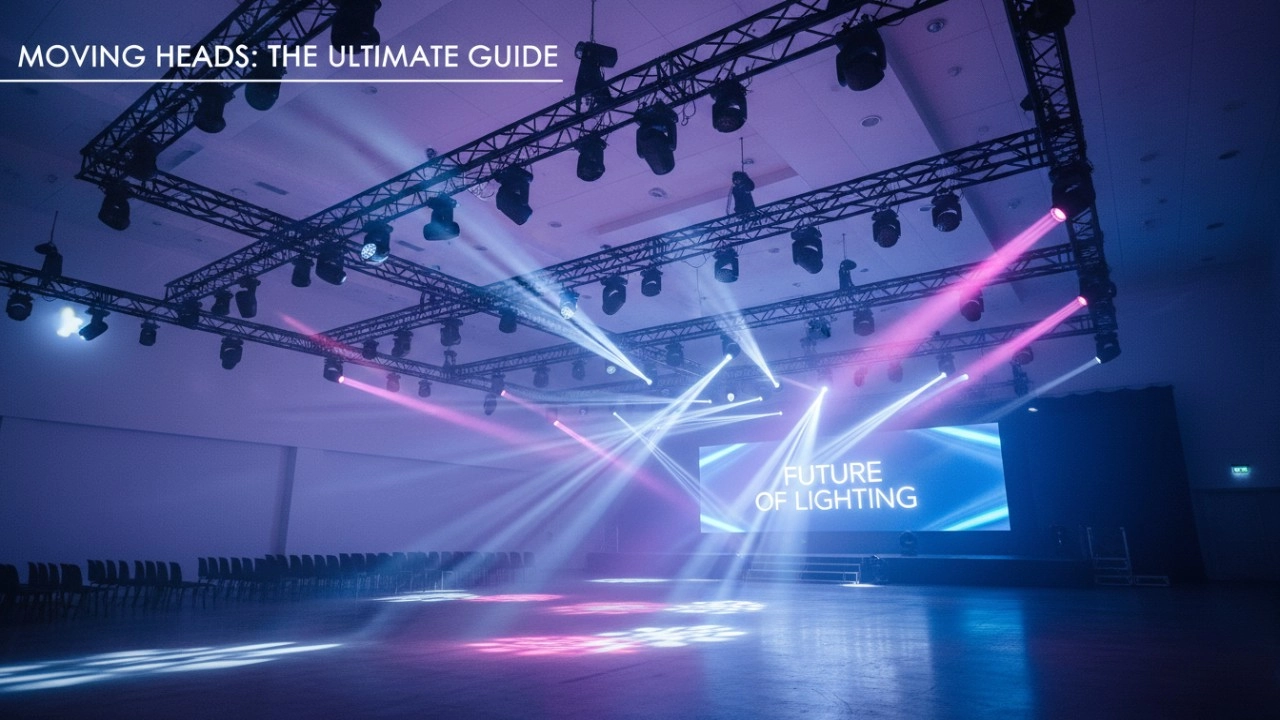
A Stage of Limitless Possibilities: Moving Head lights Deliver Precise Control and Versatile Effects
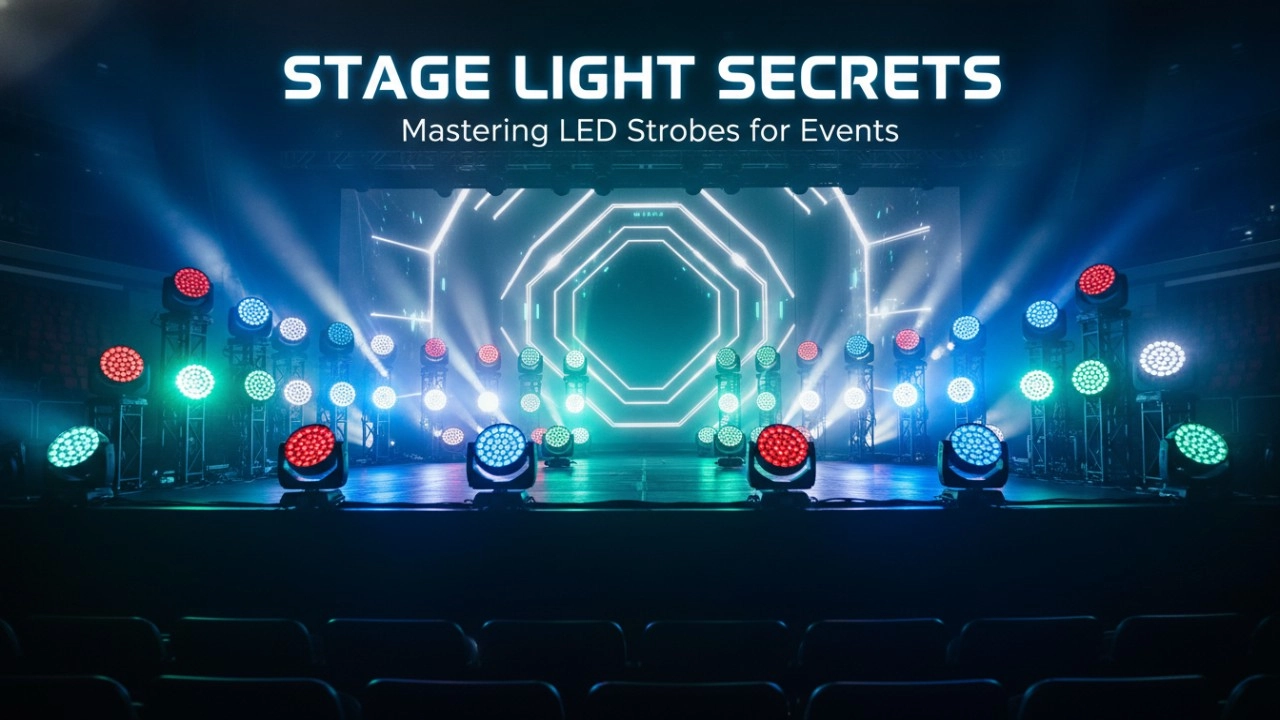
LED Stage Strobe Light Comparison: Performance, Power, and Pricing Guide
Why Your Venue Needs LED Beam Lights: A Cost-Benefit Analysis
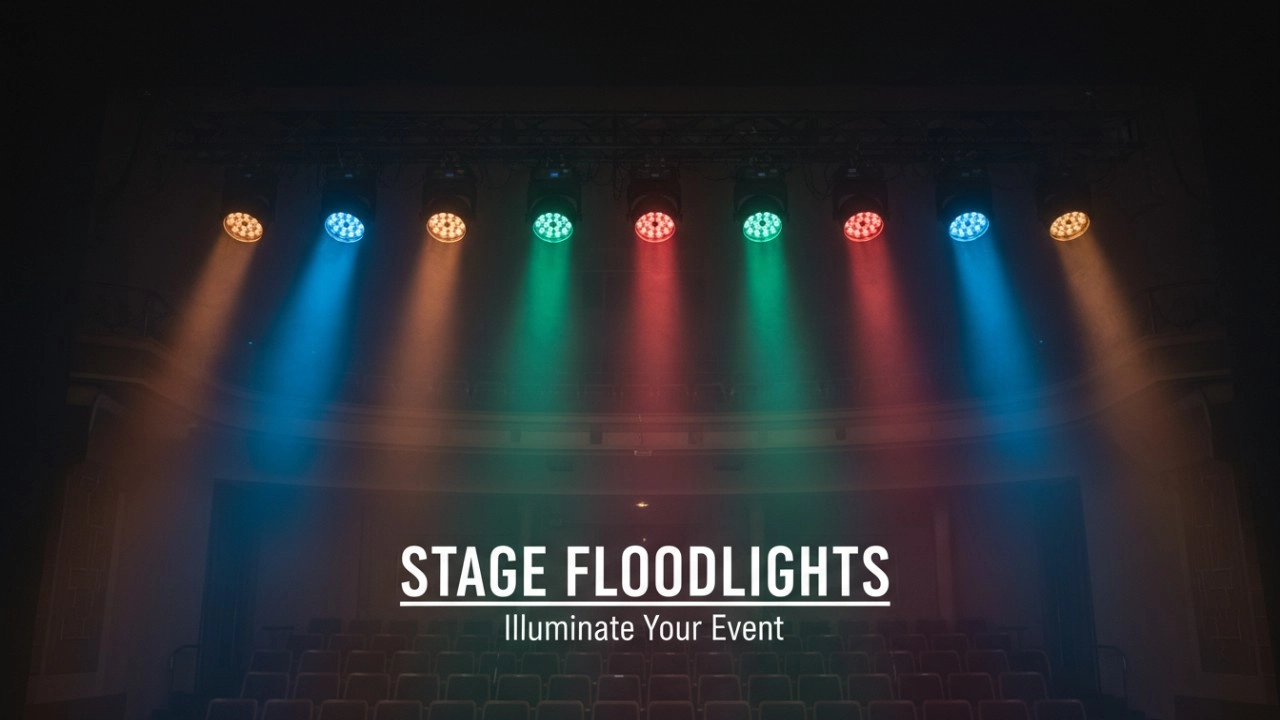
Spotlight vs. Stage Flood Lights: Which One Does Your Production Actually Need?
Spotlight vs. Floodlight vs. Beamlight: A Comparison of Moving Stage Lighting Fixtures
Mastering the Flash: 7 Advanced Strobe DJ Light Techniques for Pro Entertainers
Company
Can LiteLEES handle OEM/ODM orders?
Absolutely. With our strong R&D capabilities and advanced manufacturing, we can customize designs, features, and branding to meet your specific needs.
Do you have your own factory?
Yes. We own a sheet metal factory and a complete in-house production line—from PCB to final assembly—ensuring strict quality control and fast delivery.
What is LiteLEES’s main business?
LiteLEES specializes in the design, development, manufacturing, and sales of professional stage lighting, including moving head lights, beam lights, spot lights, wash lights, and LED par lights.
Products
Do your lights support DMX512 and other control protocols?
Yes. All LiteLEES stage lights are fully compatible with DMX512. Many models also support RDM, Art-Net, and wireless DMX (optional), ensuring seamless integration with modern lighting control systems.
Can I customize the functions or software of the lights?
Absolutely. As a manufacturer with independent R&D capabilities, we offer customization for both hardware and software (such as DMX channel layout, built-in programs, or UI language). Contact us with your project needs, and our team will provide tailored solutions.
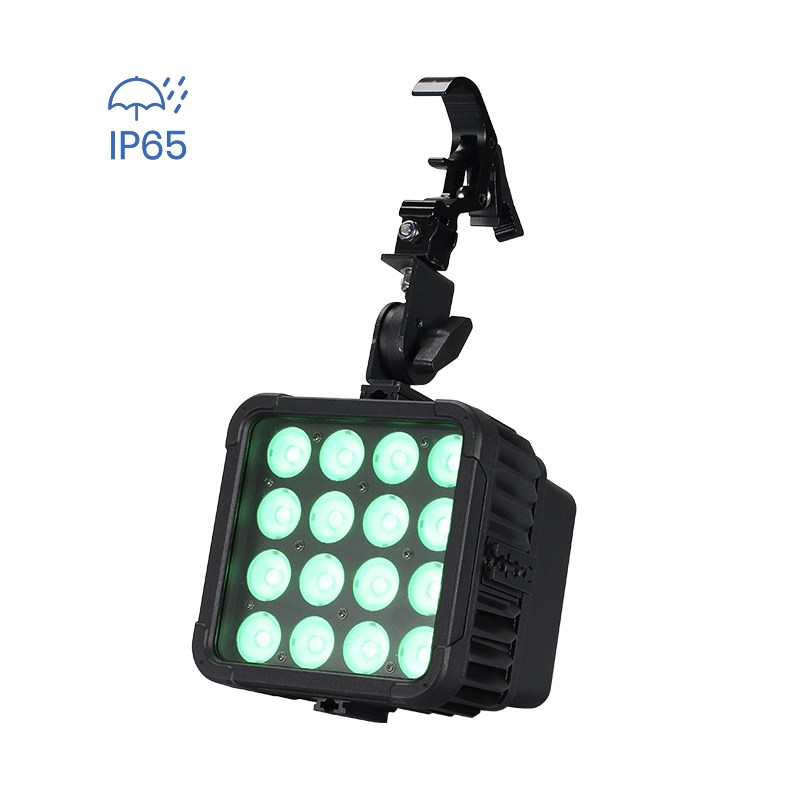
Magic Cube V6 IP
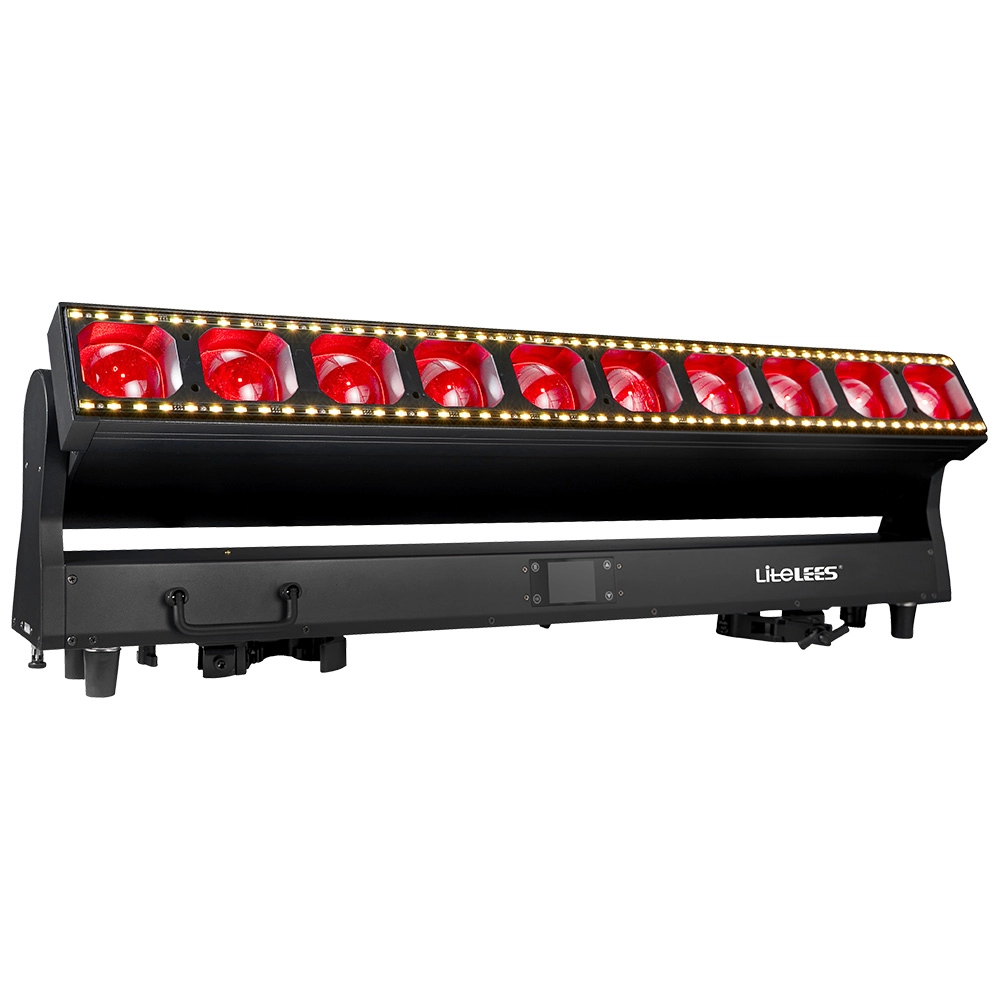

Stormy Shake Blinder IP
Want to get more up-to-date information?
If you have any comments or good suggestions, please leave us a message; later our professional staff will contact you as soon as possible.

We are professional stage lighting manufacturers offering OEM and ODM LED stage lights.
Contact
Email us
Call us
Address
No.6 Longnan Road, Huashan Town, Huadu District Guangzhou, Guangdong Province, China.
LiteLEES Professional
Less Lighting