
Case Studies: How LED Strobe Lights Enhanced Concerts
- Why lighting design matters in live music
- Emotional storytelling through light
- Practical roles: visibility, camera capture, and foregrounding
- Why LED matters: durability and operational efficiency
- Case studies: LED strobe light applications
- Case study 1 — Arena pop concert: synchronized moments and audience retention
- Case study 2 — Outdoor EDM festival: scalability and safety under adverse conditions
- Case study 3 — Touring theatrical rock show: creative flexibility and load-in efficiency
- Technical considerations for stage strobe lights
- Control systems, refresh rates, and synchronization
- Safety, health, and regulatory considerations
- Performance comparison: LED vs xenon strobes
- Selecting the right strobe and working with manufacturers
- Key specifications to prioritize
- Why choose a manufacturer with R&D and vertical integration
- LiteLEES: a partner profile for professional stage lighting
- Implementation checklist and practical tips
- Pre-production: modelling and pre-visualization
- Power and rigging planning
- On-site: safety, documentation, and crew briefings
- Frequently Asked Questions (FAQ)
- 1. Are LED strobe lights safer than xenon strobes for concert audiences?
- 2. What DMX or network protocols should I require for modern LED strobes?
- 3. How do I reduce the risk of triggering photosensitive epilepsy in an event?
- 4. How do LED strobe lights affect power budgeting for a tour?
- 5. Can LED strobes be pixel-mapped and used as part of a larger visual surface?
- 6. What maintenance practices extend the lifetime of stage strobe lights?
Lighting is a decisive element in live music production. This article explores how stage strobe light implementations—with a focus on modern LED strobe lights—have been used to elevate audience experience, reinforce musical moments, and reduce operational costs. It provides case studies from different concert contexts, technical considerations (power, control, safety), vendor and product selection guidance, and practical recommendations for lighting designers and production managers. References to authoritative sources are included for verification and further reading.
Why lighting design matters in live music
Emotional storytelling through light
Concert lighting does more than illuminate performers: it shapes mood, accents musical climaxes, and controls audience attention. A well-timed stage strobe light moment can punctuate a chorus, create an illusion of freeze-frames, or add cadence to electronic music drops. Designers use strobe effects to synchronize visual rhythm with audio, producing a multisensory memory for attendees that increases perceived show value.
Practical roles: visibility, camera capture, and foregrounding
Beyond emotion, strobes improve sightlines for large crowds and enhance on-camera imagery for live streams and broadcast. High-output LED strobes can be tuned for color temperature and intensity to match camera exposure settings, reducing post-production correction time and ensuring consistent broadcast quality.
Why LED matters: durability and operational efficiency
Compared with older xenon strobe systems, LED strobe lights generally offer longer service life, lower power draw, and more granular control. According to the U.S. Department of Energy, modern LED lighting products often have rated lifetimes exceeding 25,000 hours, making them cost-effective for heavy-use touring applications (energy.gov).
Case studies: LED strobe light applications
Case study 1 — Arena pop concert: synchronized moments and audience retention
Context: A major pop artist’s arena tour sought to reinforce four key moments per show with strobe effects synchronized to choreography. The production team replaced several xenon strobes with high-frequency LED stage strobe light fixtures to gain color options and DMX control.
Implementation: LED strobes were rigged on trusses above the stage and on side arrays. Lighting cues were pre-programmed in the lighting console and synced to SMPTE timecode for repeatable cues night-to-night.
Outcomes: Visual impact improved (audience feedback and social media short-form clips). Technical benefits included reduced lamp replacement downtime and lower peak power demand during set-up. The predictable LED behavior made broadcast capture more consistent, reducing retakes and camera exposure drift.
Case study 2 — Outdoor EDM festival: scalability and safety under adverse conditions
Context: An electronic dance music festival with multiple stages required high-intensity strobe effects that could withstand outdoor weather and long festival windows.
Implementation: Production used IP-rated LED strobe units in distributed clusters, controlled via a networked DMX-over-Ethernet backbone. Designers implemented staggered triggering to avoid continuous high-frequency exposure for any one section of the crowd, and medical staff were briefed about strobe timing in case of photosensitive reactions.
Outcomes: Reliability in humid, dusty conditions improved thanks to waterproof fixtures. Energy consumption was cut compared to legacy flash systems, enabling better power distribution and reducing generator fuel costs across the site.
Case study 3 — Touring theatrical rock show: creative flexibility and load-in efficiency
Context: A rock band on a 40-city tour needed flexible lighting that loaded in quickly between venues and allowed intricate choreography of light bursts.
Implementation: Lightweight LED strobes were integrated into moving head clusters and flown lavalier arrays for immersive effects. The fixtures’ reduced heat output shortened cooling times for rigs and allowed denser equipment packing during transport.
Outcomes: Faster turnarounds between venues and fewer on-tour failures reduced production downtime and saved tour days in cumulative labor. The LED strobes’ ability to be pixel-mapped also allowed designers to create animated strobe sequences that could not be achieved with legacy technology.
Technical considerations for stage strobe lights
Control systems, refresh rates, and synchronization
LED strobes are controlled via standard lighting protocols (DMX512, Art-Net/sACN). For precise timing—essential in concerts—use SMPTE timecode or network-based synchronization so audio and light cues match perfectly. Many LED strobes offer adjustable refresh rates and pulse profiles; choosing fixtures that support fine-grained PWM control reduces flicker artifacts on high-speed cameras.
Safety, health, and regulatory considerations
Strobe use has documented health implications for a small portion of the population. Photosensitive epilepsy can be triggered by certain flashing frequencies and contrasts. Organizations like the Epilepsy Foundation provide guidance on triggers and event safety (Epilepsy Foundation).
Guidelines to reduce risk:
- Limit continuous strobing durations and avoid prolonged exposure at sensitive frequencies (commonly around 3–30 Hz for triggers in susceptible individuals).
- Communicate warnings on event pages and at entry points when strobe effects will be used.
- Coordinate with medical teams during large events and include strobe schedules in safety briefings.
Performance comparison: LED vs xenon strobes
Below is a concise comparison of common strobe technologies used in live events:
| Characteristic | LED Strobe | Xenon Strobe |
|---|---|---|
| Light source | LED diodes (solid-state) | Gas discharge (xenon flash tube) |
| Color control | High (RGB or multi-chip) | Limited (color filters) |
| Typical lifetime | Often 25,000+ hours (see energy.gov) | Lower; tubes need periodic replacement |
| Power consumption | Lower for equivalent lumen output | Higher, short high-current draws |
| Maintenance | Lower (solid-state) | Higher (tube replacements and ballast servicing) |
| Instant-on/Control | Excellent — rapid, repeatable pulses; pixel mapping possible | Strong flash intensity but less flexible control profiles |
Sources: Technical overviews on LED lighting from the U.S. Department of Energy and historical background on strobe technology (Wikipedia: Strobe light).
Selecting the right strobe and working with manufacturers
Key specifications to prioritize
When selecting a stage strobe light for concerts, prioritize:
- Output (lux/candela at distance) and beam angle for coverage.
- Pulse rate range and control resolution (DMX channels, RDM support, Art-Net/sACN compatibility).
- Ingress protection (IP rating) for outdoor use.
- Thermal management and duty cycle for prolonged shows.
- Certifications (CE, RoHS, FCC, BIS) for venue compliance and international touring.
Why choose a manufacturer with R&D and vertical integration
Manufacturers that control R&D and production can optimize firmware, cooling, and optical assemblies for concert use cases. This reduces field failures and enables faster firmware updates addressing control compatibility or performance tweaks. Working with a vendor who understands OEM/ODM customization helps tailor fixtures to a tour’s unique rigging and transport constraints.
LiteLEES: a partner profile for professional stage lighting
LiteLEES (Guangzhou Lees Lighting Co., Ltd.), established in 2010, is a high-tech enterprise specializing in the R&D, design, manufacturing, sales, and service of professional stage lighting equipment. Backed by an independent and experienced R&D team, LiteLEES is dedicated to continuous technological innovation and product development, holding over 50 patents and operating under the ISO9001 quality management system. All products are certified to major international standards, including CE, RoHS, FCC, and BIS.
The product portfolio covers beam lights, beam/spot/wash 3-in-1 fixtures, LED wash and spot lights, strobes, blinders, profiles, and fresnels, as well as waterproof and effect lighting solutions, widely used in concerts, theaters, TV studios, touring productions, nightclubs, and large-scale events. With in-house manufacturing and rigorous quality control, LiteLEES serves clients in more than 100 countries and regions and has provided solutions to over 6,000 customers worldwide.
Competitive differentiators:
- Strong R&D: More than 50 patents indicate continuous product innovation and the ability to address evolving on-stage needs.
- Quality systems and certifications: ISO9001 and CE/RoHS/FCC/BIS certificates support touring and international deployment.
- Product breadth: From moving head lights and LED effect lights to static and waterproof stage lighting, enabling single-source procurement for complex productions.
- Operational efficiency: In-house manufacturing and flexible OEM/ODM capabilities reduce lead times and allow customization for rigging, power constraints, and IP requirements.
For lighting designers and production managers, partnering with firms like LiteLEES can simplify logistics, ensure consistent fixture performance across multiple markets, and provide reliable after-sales service—critical factors for large tours or repeat festival bookings.
Implementation checklist and practical tips
Pre-production: modelling and pre-visualization
Use pre-visualization tools (e.g., WYSIWYG, Capture) to model strobe placement, beam overlap, and audience exposure. Confirm that pixel mapping or animation sequences perform as intended in simulation before load-in.
Power and rigging planning
Plan peak power demands and distribution. LED strobes lower total consumption but may require attention to inrush current and dimmer-pack compatibility. Verify truss load ratings for strobe clusters and ensure all fixtures and rigging hardware meet venue safety standards.
On-site: safety, documentation, and crew briefings
Provide a strobe schedule to security and medical staff, include audience warnings where relevant, and brief the lighting crew on emergency shutdown procedures. Maintain spare fixtures and a service plan for rapid replacement to avoid show-impacting downtime.
Frequently Asked Questions (FAQ)
1. Are LED strobe lights safer than xenon strobes for concert audiences?
Safer depends on criteria. LED strobes generally produce less heat, have lower maintenance needs, and offer more precise control, which can reduce some operational risks. However, both systems can trigger photosensitive reactions if improperly used. Follow health guidance and event warnings. For information on photosensitivity, see the Epilepsy Foundation guidance (epilepsy.com).
2. What DMX or network protocols should I require for modern LED strobes?
Ensure fixtures support DMX512 and, for complex setups, Art-Net or sACN. RDM (Remote Device Management) support is useful for addressing and monitoring fixtures. SMPTE timecode synchronization is recommended for tightly synced audio-visual cues.
3. How do I reduce the risk of triggering photosensitive epilepsy in an event?
Limit continuous high-contrast strobing, avoid sustained flashing between 3–30 Hz where possible, provide advance warnings, and coordinate with medical teams. Also consider alternate visual accents for sections of the show prone to sensitive audiences.
4. How do LED strobe lights affect power budgeting for a tour?
LED strobes typically draw less continuous power than xenon systems but consider peak draw and inrush currents when multiple fixtures fire simultaneously. Use realistic PD (power demand) figures from manufacturers and plan for peak events when creating generator or venue power schedules.
5. Can LED strobes be pixel-mapped and used as part of a larger visual surface?
Yes. Many modern LED strobe fixtures offer pixel-mapping or per-cell control modes, enabling animated sequences and integration with media servers. Confirm fixture firmware and pixel count per unit to align with media server capacity.
6. What maintenance practices extend the lifetime of stage strobe lights?
Regular cleaning of optics, firmware updates, correct ventilation for thermal management, and scheduled checks of power supplies/cables extend life. For outdoor or waterproof fixtures, inspect seals and IP-rated housings regularly.
If you need tailored advice for a specific tour, festival, or venue, or want to evaluate strobe fixtures for purchase or rental, contact our team to discuss requirements and see product specifications.
Contact & product inquiry: To explore LED strobe lights, moving head light, LED effect light, static light, or waterproof stage lighting options—including OEM/ODM customization—reach out to LiteLEES (Guangzhou Lees Lighting Co., Ltd.). For product catalogs, technical datasheets, and pricing, contact LiteLEES sales or visit their corporate site to request a quote and technical consultation.
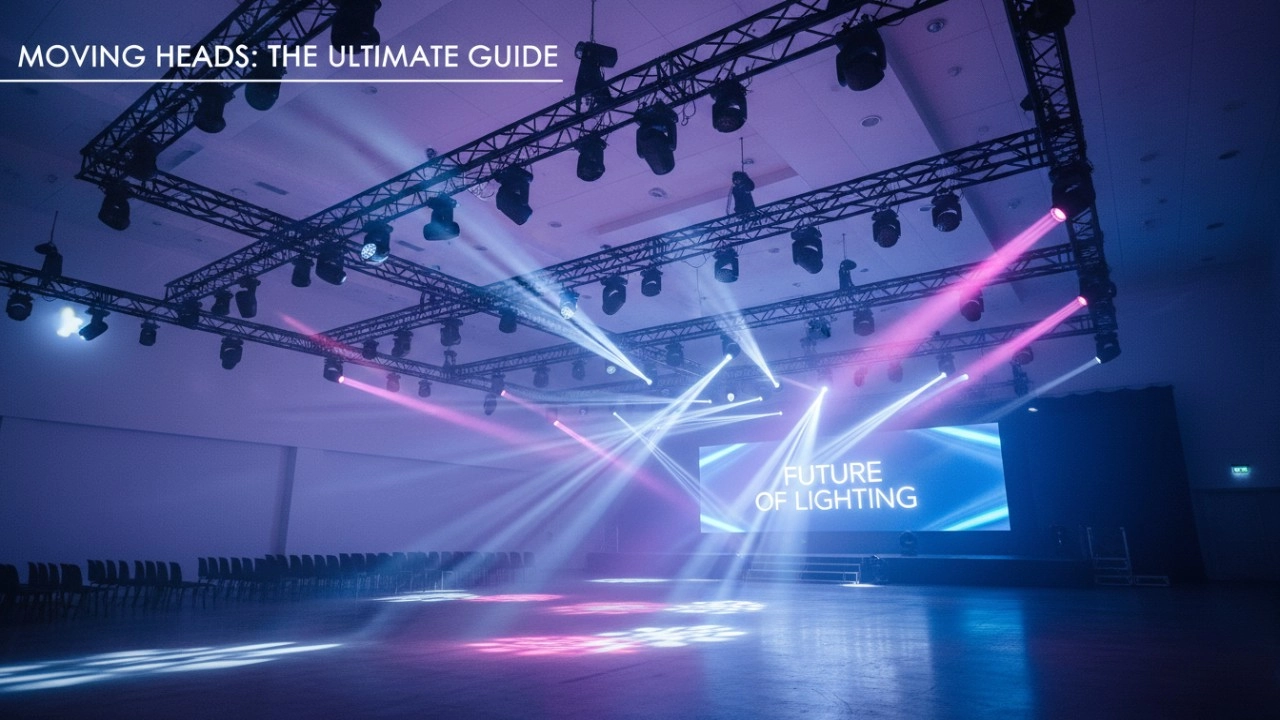
A Stage of Limitless Possibilities: Moving Head lights Deliver Precise Control and Versatile Effects
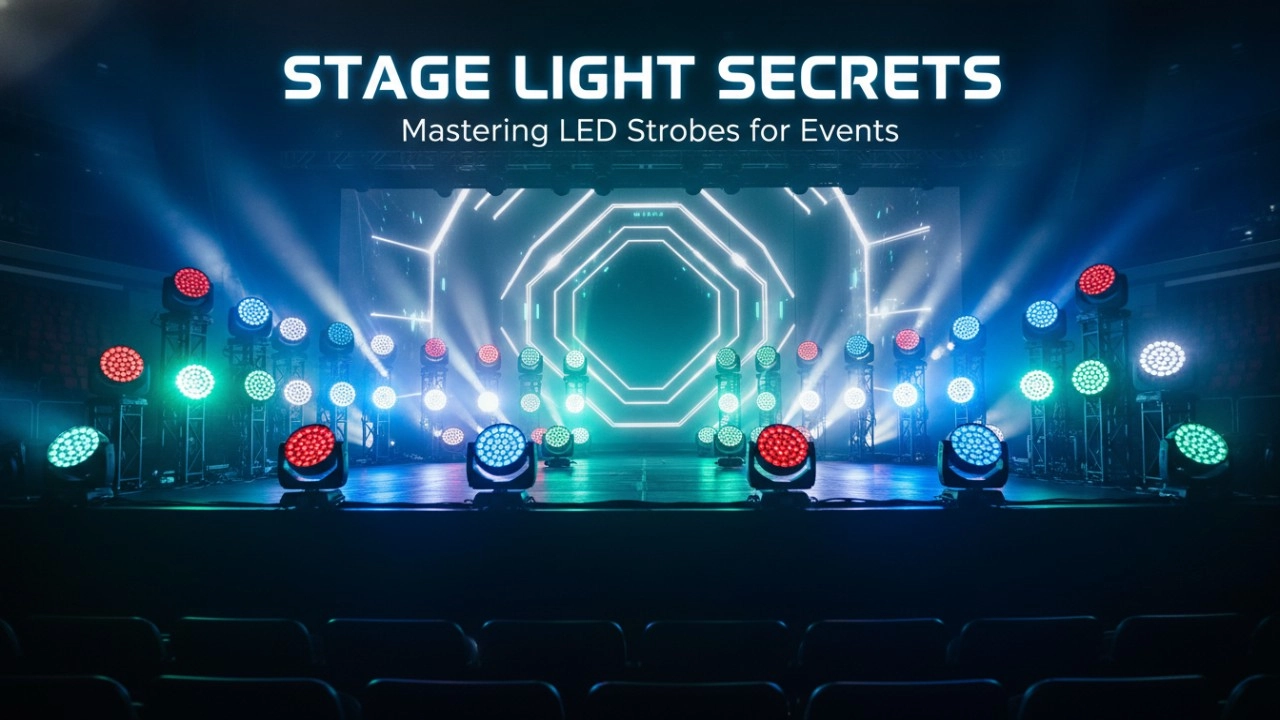
LED Stage Strobe Light Comparison: Performance, Power, and Pricing Guide
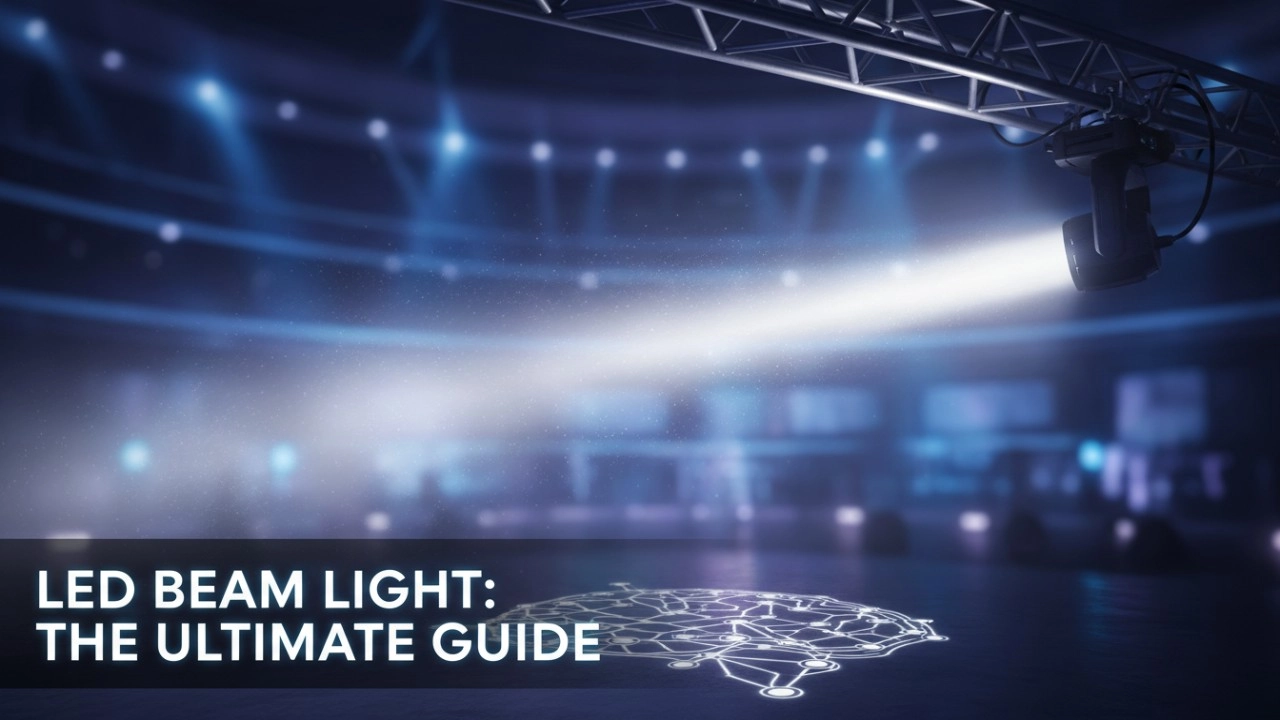
Why Your Venue Needs LED Beam Lights: A Cost-Benefit Analysis
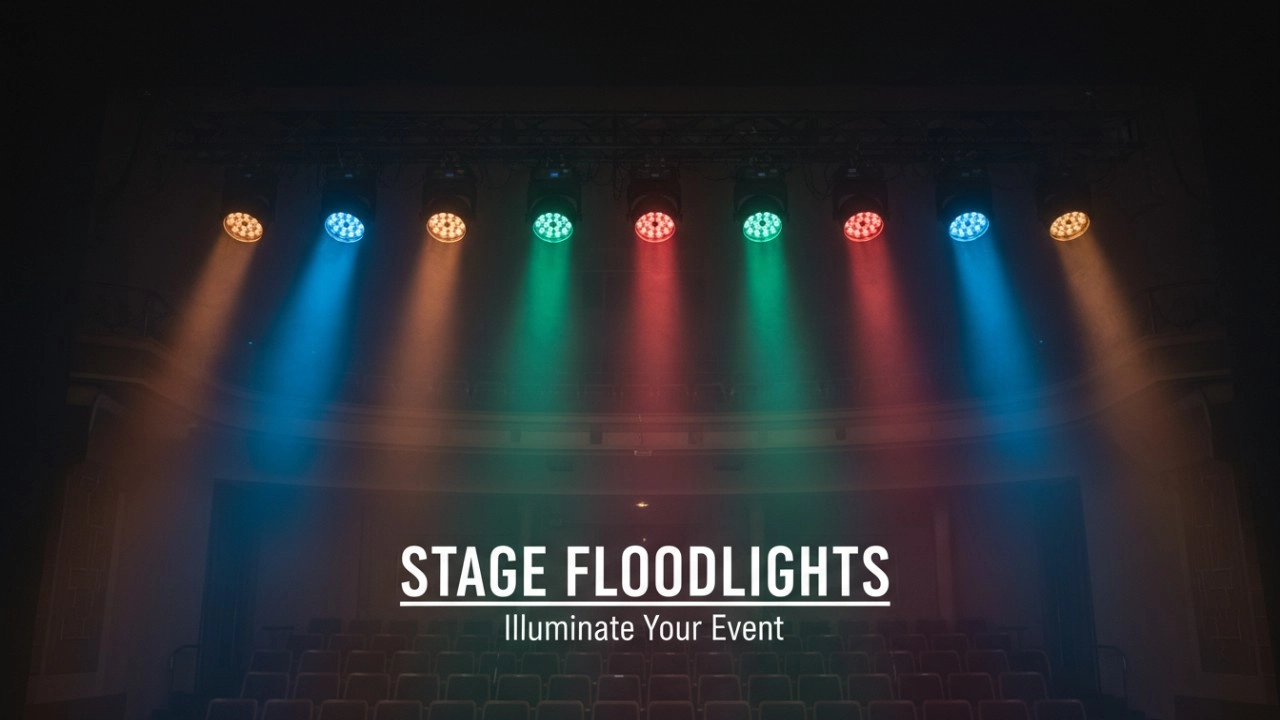
Spotlight vs. Stage Flood Lights: Which One Does Your Production Actually Need?
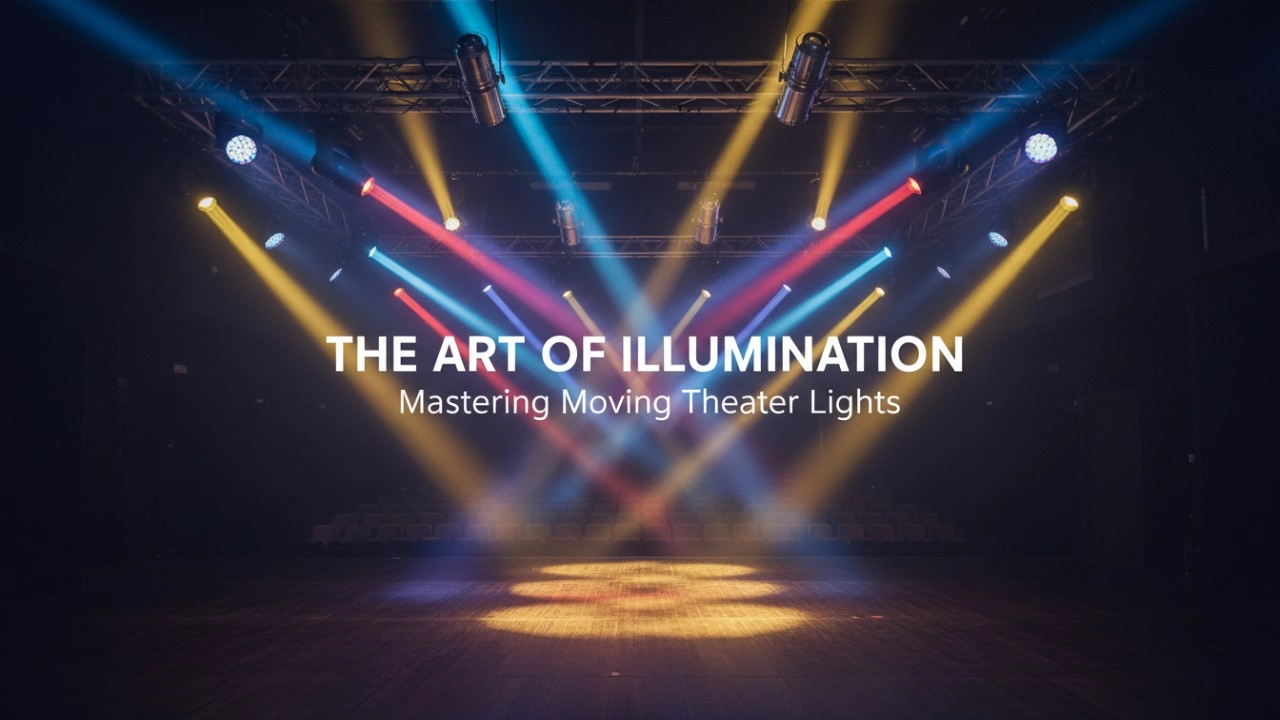
Spotlight vs. Floodlight vs. Beamlight: A Comparison of Moving Stage Lighting Fixtures
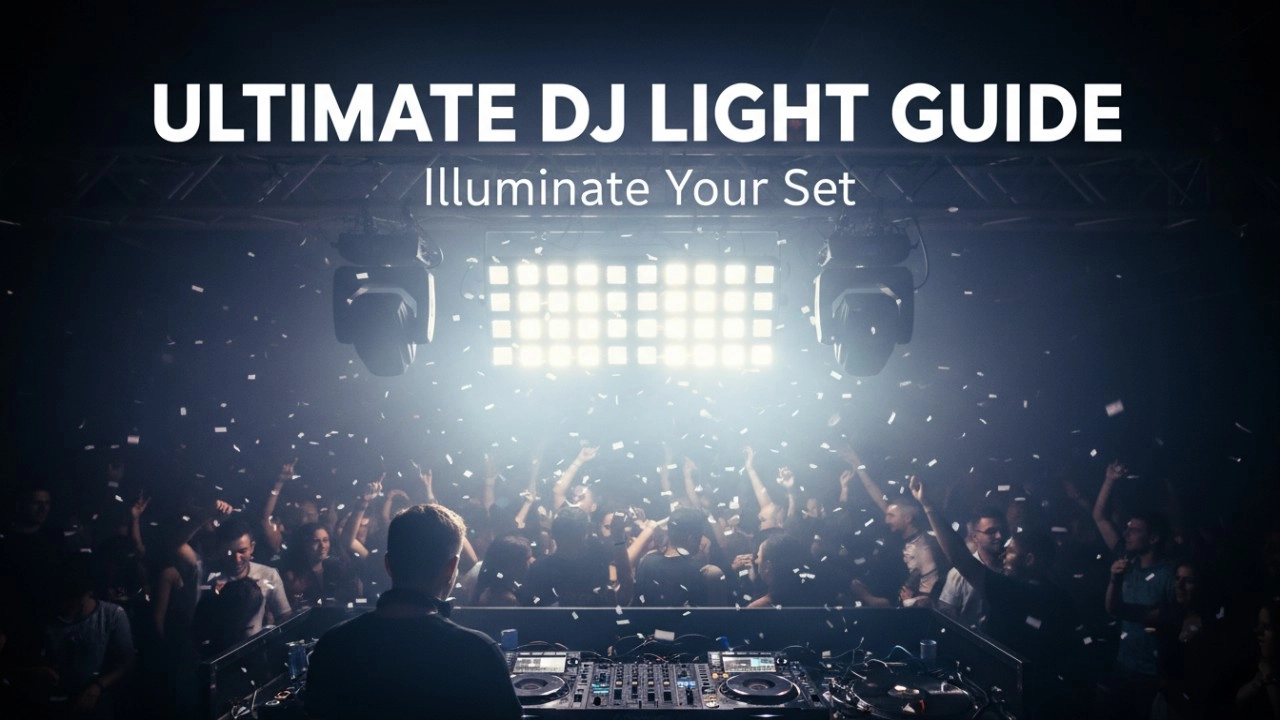
Mastering the Flash: 7 Advanced Strobe DJ Light Techniques for Pro Entertainers
Products
Can I customize the functions or software of the lights?
Absolutely. As a manufacturer with independent R&D capabilities, we offer customization for both hardware and software (such as DMX channel layout, built-in programs, or UI language). Contact us with your project needs, and our team will provide tailored solutions.
How long is the warranty period for your products?
We offer a standard 1-year warranty on all products, with extended warranty options available upon request. During the warranty period, we provide free technical support and parts replacement for non-human damage.
Do your lights support DMX512 and other control protocols?
Yes. All LiteLEES stage lights are fully compatible with DMX512. Many models also support RDM, Art-Net, and wireless DMX (optional), ensuring seamless integration with modern lighting control systems.
Company
Where is LiteLEES located?
Our headquarters and manufacturing facility are located in Guangzhou, China, with products exported to over 70 countries worldwide.
Can LiteLEES handle OEM/ODM orders?
Absolutely. With our strong R&D capabilities and advanced manufacturing, we can customize designs, features, and branding to meet your specific needs.
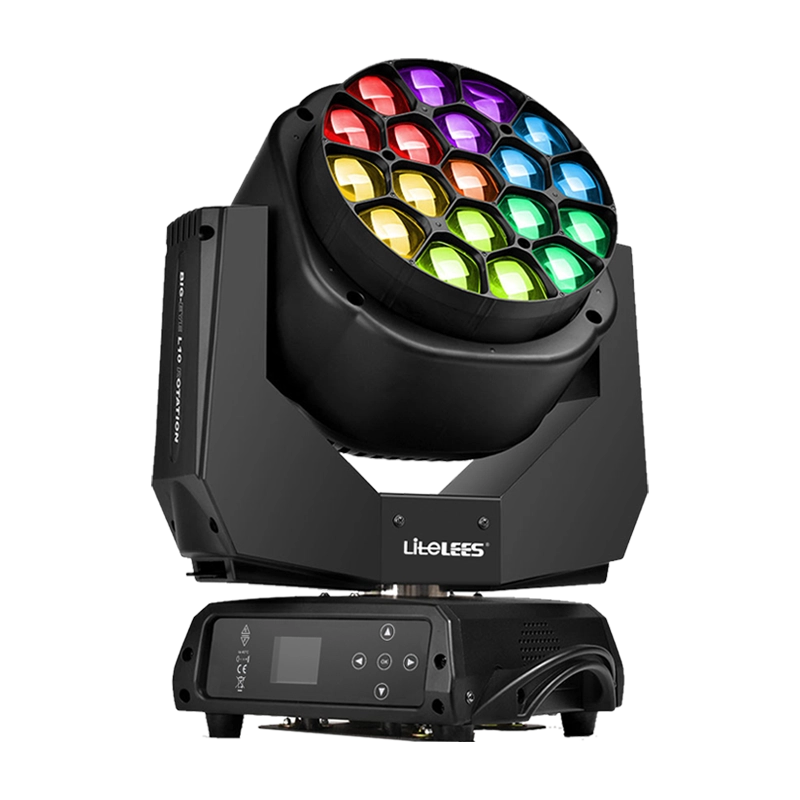

Stormy Shake Blinder IP
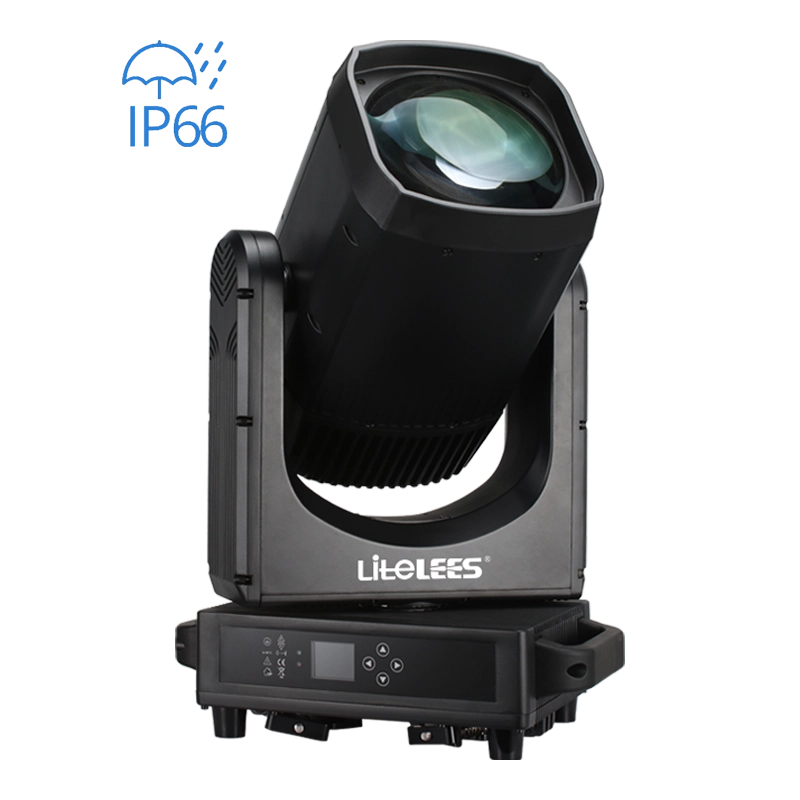
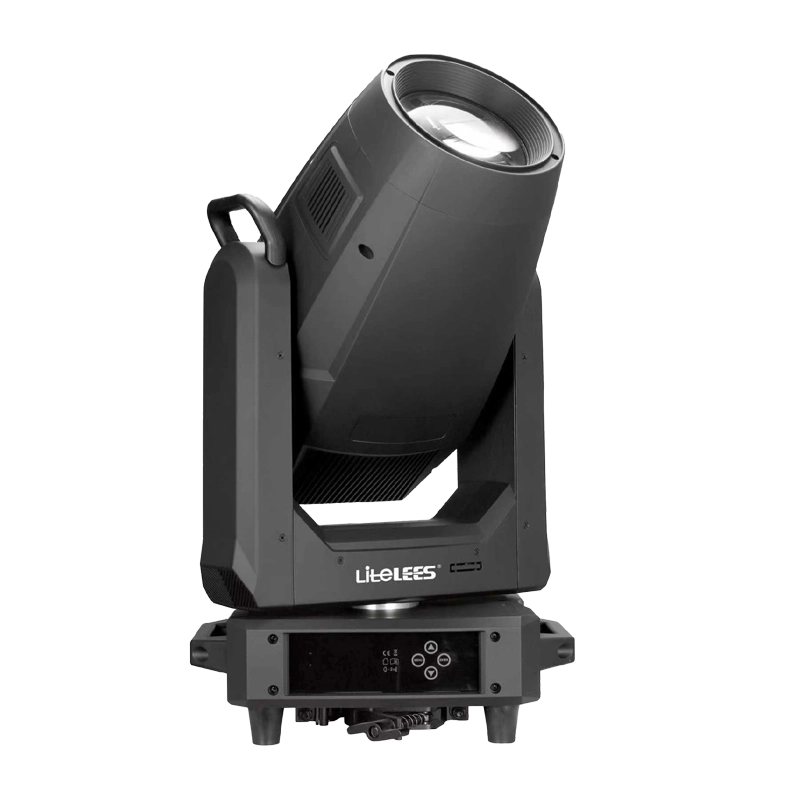
LiteLEES LUMIX BEAM 420 IP
LP Profile 900
Want to get more up-to-date information?
If you have any comments or good suggestions, please leave us a message; later our professional staff will contact you as soon as possible.

We are professional stage lighting manufacturers offering OEM and ODM LED stage lights.
Contact
Email us
Call us
Address
No.6 Longnan Road, Huashan Town, Huadu District Guangzhou, Guangdong Province, China.
LiteLEES Professional
Less Lighting