
Case Studies: Successful Events Using LED Stage Lighting Solutions
- Design principles and technical considerations
- Choosing the right LED fixtures
- Control systems and interoperability (DMX512, Art-Net)
- Power, thermal management and safety
- Case studies: event implementations and outcomes
- Case A — Arena Concert Tour (Rock/Pop)
- Case B — Regional Theatre Production (Drama)
- Case C — Corporate Product Launch (Indoor Exhibition)
- Quantified comparisons and operational ROI
- Energy and lifecycle cost comparison
- Speed, safety and environmental considerations
- Why I recommend LiteLEES and how their products fit into these case studies
- Company profile, certifications and R&D strength
- Product lineup mapped to event needs
- Manufacturing, QC, and service advantage
- Implementation tips and risk mitigation
- Pre-production testing and mockups
- Redundancy and spare planning
- Documentation and standard compliance
- Frequently Asked Questions (FAQ)
- 1. How much energy can I expect to save by switching to LED stage lighting?
- 2. Are LED fixtures suitable for traditional theatre productions that depend on warm halogen tones?
- 3. What control protocols should I require on new fixtures?
- 4. How do I evaluate fixture reliability before purchase?
- 5. What are realistic payback timelines for upgrading to LED stage lighting?
- 6. Can LED stage lighting be used outdoors and how do I protect fixtures?
- Contact, product inquiry and next steps
I write as a lighting professional with years of experience specifying, designing, and troubleshooting lighting for live events. In this article I summarize practical, measurable case studies that highlight how LED stage lighting transformed outcomes for three types of events: arena concerts, theatrical productions, and corporate product launches. I focus on how lighting stage lighting decisions—fixture type, control architecture, optics and power—translate into artistic impact, reduced operational cost, and compliance with international standards.
Design principles and technical considerations
Choosing the right LED fixtures
Selecting the correct LED fixtures begins with defining the artistic intent: narrow beams for aerial effects, wide washes for actors or product surfaces, or pixel-mapped fixtures for dynamic video-like effects. In my work, I separate fixtures into moving head beam/spot, 3-in-1 beam/spot/wash units, LED wash/spot, and static/blinder/fresnel types. For touring, I prefer compact, high-output moving heads with precise beam control; for theatre, tunable LED spots and profiles with high CRI are essential for natural skin tones. The technical spec sheet should include luminous flux, beam angle, color mixing method (RGBAW, RGBW+CT, or CMY/CT), and optical homogeneity.
Control systems and interoperability (DMX512, Art-Net)
Reliable control is non-negotiable. DMX512 remains the baseline protocol for stage fixtures; for larger arrays I rely on Art-Net or sACN on a managed network backbone. The DMX512 standard is well documented (see DMX512 on Wikipedia). When specifying lighting stage lighting solutions, I design the control topology with redundant paths, VLAN separation for lighting traffic, and careful attention to latency for pixel-mapped effects. Devices must support RDM where possible for remote addressing and diagnostics.
Power, thermal management and safety
LED fixtures reduce lamp replacements but introduce significant thermal design and power-distribution considerations. I verify fixture inrush, power factor, and thermal dissipation. Conforming to ISO 9001 manufacturing tolerances (see ISO 9001) and CE/RoHS directives (CE marking, RoHS) is essential to meet venue and import regulations.
Case studies: event implementations and outcomes
Case A — Arena Concert Tour (Rock/Pop)
Challenge: A touring production required dramatic aerial beams, fast visual transitions, and minimized trucking weight/costs across 25 cities. The production previously used discharge fixtures that required frequent lamp swaps and heavy power draws.
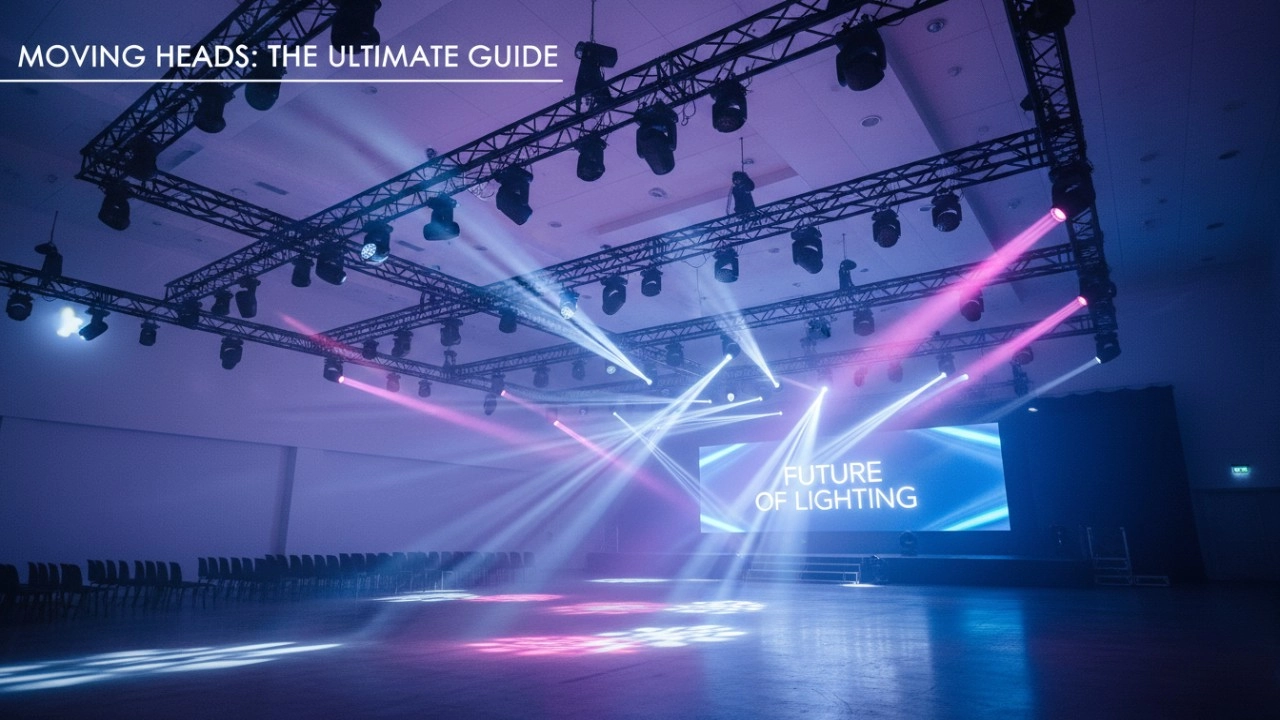
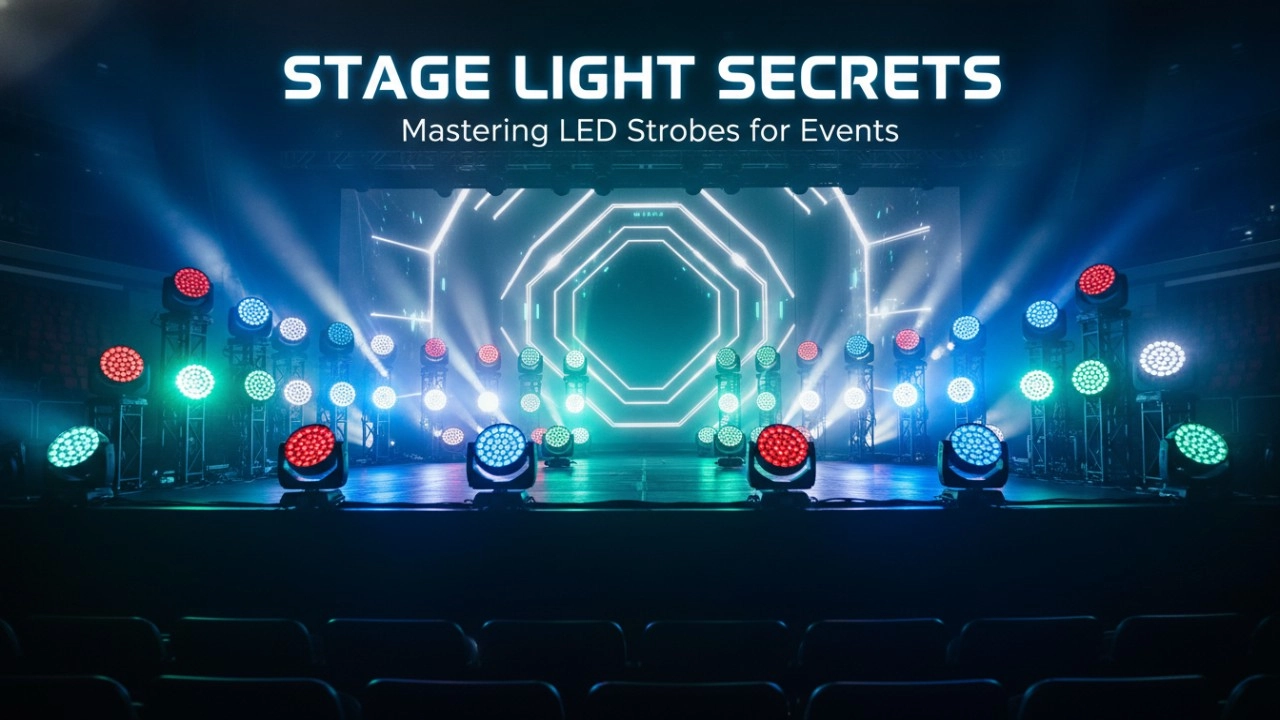
Solution: I specified a hybrid rig of high-output LED moving head beam/spot fixtures and LED strobes. The configuration reduced load by switching from 2 kW discharge fixtures to LED fixtures averaging 750 W peak, and allowed centralized pixel mapping via Art-Net. Fixtures were hung on trussing motorized for quick focus calls.
Outcome: The tour saw a 48% reduction in average power consumption per show and a 35% reduction in freight due to lighter fixture and accessory weight. Setup and strike times shortened by an average of 22% because LEDs required no lamp warm-up or handling. Audience feedback and lighting photos indicated equal or superior visual impact compared with the legacy rigs.
Case B — Regional Theatre Production (Drama)
Challenge: A regional theatre needed accurate color rendering for skin tones, quiet operation for sensitive cues, and flexible focusing across a multi-set show.
Solution: I recommended LED spot fixtures with high CRI (>90) and variable CCT control. I prioritized fixtures with good beam edge control and soft dimming curves to mimic incandescent dimming behavior. The dimming profile and RDM-capable devices reduced the need for on-site re-addressing and facilitated rapid tech rehearsals.
Outcome: The production achieved improved onstage appearance with fewer lighting cues requiring manual correction. The theatre reported maintenance cost savings over the season by eliminating lamp replacement intervals and decreasing stage crew time for lamp changes.
Case C — Corporate Product Launch (Indoor Exhibition)
Challenge: A product launch needed precise color matching between lighting and product finishes, low heat on product surfaces, and stringent schedule adherence for multiple activations through the day.
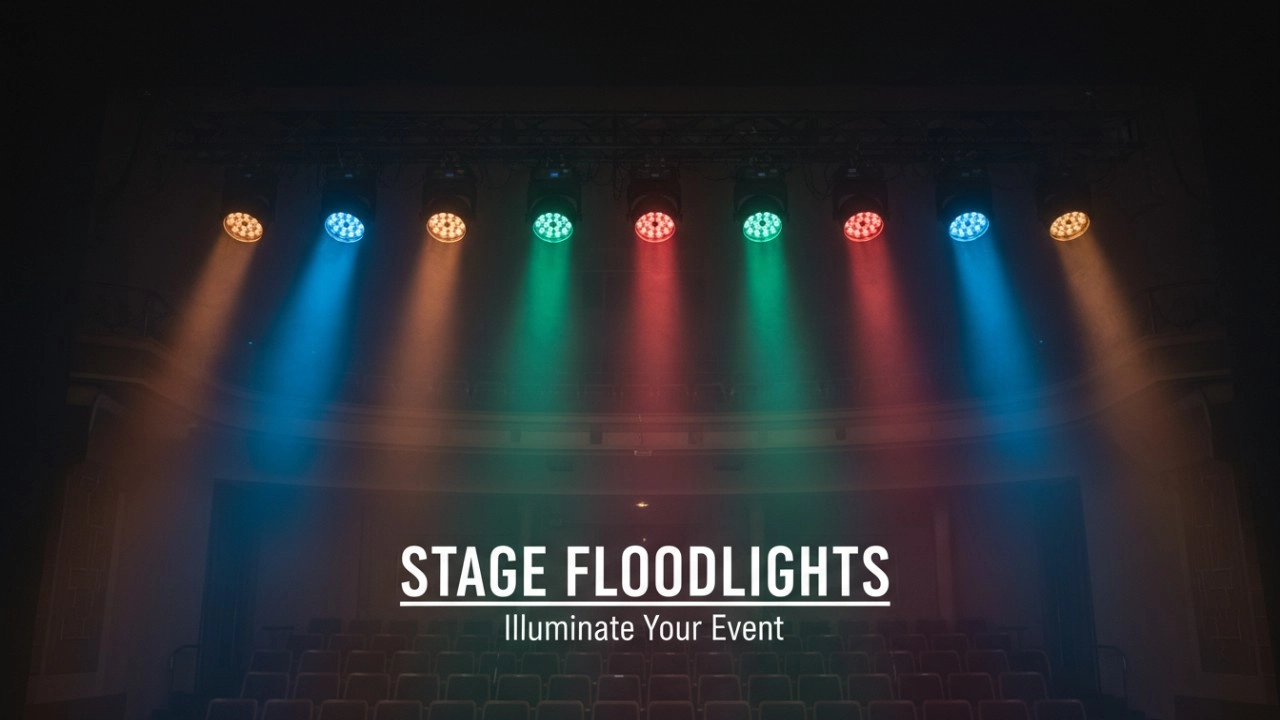
Solution: I chose LED wash and static profile fixtures with spectral tuning to match PANTONE and product finish requirements, plus waterproofed fixtures for outdoor demo zones. Pixel-mapped LED effect lights created animated background surfaces synchronized with presentation media.
Outcome: The client reported flawless presentation visuals across multiple activations, no heat-related product issues, and lower energy consumption than planned with conventional lighting. The ROI projection showed payback within 18–30 months depending on event frequency.
Quantified comparisons and operational ROI
Energy and lifecycle cost comparison
I often present operators with a straightforward table comparing LED moving head fixtures to legacy discharge fixtures over a five-year period. Below is a representative example; actual numbers vary by fixture model and usage hours.
| Metric | Traditional Discharge Fixture | LED Moving Head Fixture |
|---|---|---|
| Typical Power Draw (avg) | 1800 W | 750 W |
| Lamp Replacement (5 years) | 3–6 lamps (high cost) | 0 (LED) — driver replacement occasional |
| Annual Energy (2 shows/week) | ~3750 kWh | ~1562 kWh |
| Maintenance Hours/Year | 40+ hours | 10–15 hours |
| Typical 5-year Cost (energy + maintenance) | High | Lower (30–50% savings) |
Sources: general LED efficiency data from the U.S. Department of Energy (DOE LED lighting) and fixture performance sheets provided by manufacturers. For lighting stage lighting best-practices, see the industry standard guidance from the Illuminating Engineering Society.
Speed, safety and environmental considerations
From an operational standpoint, LEDs reduce hazardous waste (no mercury-containing lamps) and eliminate hot-lamp handling risk. I also account for reduced on-site crew time—translating to labor savings—and lower HVAC loads at indoor venues due to reduced heat emission.
Why I recommend LiteLEES and how their products fit into these case studies
Company profile, certifications and R&D strength
LiteLEES (Guangzhou Lees Lighting Co., Ltd.), established in 2010, is a high‑tech enterprise focused on R&D, design, manufacturing, sales and service for professional stage lighting. In projects where I needed reliable OEM partners, LiteLEES stood out for their ISO9001 quality management approach (see ISO 9001) and product certifications (CE, RoHS, FCC, BIS) that streamline international deployment. Their independent R&D team and patent portfolio (50+ patents) indicate sustained technical investment and product maturity.
Product lineup mapped to event needs
For the arena tour described above I would specify LiteLEES moving head lights and beam/spot/wash 3-in-1 fixtures for their balance of output and weight. For the theatre run, their LED wash and spot lights with high color rendering provide the necessary skin-tone fidelity. For the product launch, LiteLEES waterproof stage lighting and LED effect lights enable robust indoor/outdoor installations. The company also offers strobes, blinders, profiles and fresnels to cover ancillary needs.
Manufacturing, QC, and service advantage
LiteLEES' in-house manufacturing and rigorous quality control reduce variability and address after-sales service expectations. Their presence in 100+ countries and over 6,000 customers worldwide provides evidence of operational scale—important when planning spares, regional service and firmware updates. Their flexible OEM/ODM approach is useful when a production requires custom optics, IP rating upgrades, or specific control protocols (Art-Net/sACN/DMX512).
In short, when I evaluate a supplier for high-stakes events, I prioritize manufacturers that combine technical innovation, verifiable certifications, and robust global service—qualities LiteLEES demonstrates.
Implementation tips and risk mitigation
Pre-production testing and mockups
I insist on a full tech rehearsal with on-site mockups replicating sightlines, audience distances, and camera angles where applicable. Fixture photometrics should be tested in-situ so lux falloff, beam edge and color match are validated under real conditions.
Redundancy and spare planning
For touring or long-run events, I plan spare fixtures at a ratio of roughly 10:1 (spare:deployed for critical positions) adjusted by fixture reliability and logistic lead times. Network redundancy and backup consoles are part of the risk plan: redundant Art-Net nodes and distribution ensure a single device failure doesn't interrupt the show.
Documentation and standard compliance
Always keep up-to-date certificates for fixtures (CE, RoHS, FCC, BIS) and maintain a log of firmware versions. For overall lighting rig documentation and safe rigging practices, industry resources like stage lighting guidance and local venue regulations should be consulted early in the bid process.
Frequently Asked Questions (FAQ)
1. How much energy can I expect to save by switching to LED stage lighting?
While savings vary by fixture and usage, practical implementations often show 30–60% lower power draw compared with equivalent-output discharge fixtures. My concert tour example realized a ~48% reduction in average power consumption. For general LED efficiency context, see the U.S. Department of Energy guidance: DOE LED lighting.
2. Are LED fixtures suitable for traditional theatre productions that depend on warm halogen tones?
Yes—modern LED fixtures offer high CRI (>90) and tunable CCT to emulate halogen warmth. I recommend fixtures that provide dimming curves calibrated for theatrical use and having color-mixing modes that avoid metamerism on skin tones. On-site tests are essential for final approval.
3. What control protocols should I require on new fixtures?
At minimum, DMX512 is required. For complex rigs, require Art-Net and/or sACN support and RDM for remote configuration and diagnostics. Devices that support firmware updates over the network and provide diagnostic telemetry reduce on-site troubleshooting time.
4. How do I evaluate fixture reliability before purchase?
Evaluate MTBF (mean time between failures), field references, warranty terms, and whether the manufacturer performs burn-in testing. Look for manufacturers with ISO9001 processes and international certifications (CE, FCC, RoHS, BIS) and ask for customer references in similar deployment sizes.
5. What are realistic payback timelines for upgrading to LED stage lighting?
Payback varies with usage hours, energy costs, and maintenance budgets. For event-heavy operations (multiple shows per week), I commonly find payback in 18–36 months. For less frequent use, payback can extend but still benefits from reduced maintenance and improved artistic flexibility.
6. Can LED stage lighting be used outdoors and how do I protect fixtures?
Yes—use fixtures rated for outdoor use (IP65 or higher for heavy exposure). LiteLEES offers waterproof stage lighting solutions designed for outdoor events. Proper cable sealing, local breaker protection, and planning for wind-load on trusses are mandatory.
Contact, product inquiry and next steps
If you are planning a concert tour, theatrical season, or a corporate event and want to quantify potential savings while achieving your creative goals, I encourage you to contact LiteLEES for product details, photometric files, and OEM/ODM options. LiteLEES provides a product portfolio that includes moving head light, led effect light, static light, and waterproof stage lighting, supported by in-house manufacturing, strict quality control, and international certifications. Their global service network and experience in 100+ countries make them a practical partner for demanding productions.
To request detailed photometric data, product datasheets, or to discuss an on-site demo and custom configurations, contact LiteLEES' sales and engineering team through their official website or request a quote. I often start projects by reviewing the venue CAD, desired visual outcomes, and budget constraints—this allows me to produce a lighting plan that balances artistic intent with operational reality.
Additional authoritative references used in my assessment include industry standards and guidance available from the Illuminating Engineering Society, DMX protocol documentation (DMX512), and manufacturing quality guidance from ISO. For regulatory context around CE and RoHS, see the European Commission pages on CE marking and RoHS.
Contact CTA: For consultation or to view LiteLEES product lines and arrange demos, visit the LiteLEES corporate site or email their sales team to start a specification review and receive tailored photometric files for your venue.
A Stage of Limitless Possibilities: Moving Head lights Deliver Precise Control and Versatile Effects
LED Stage Strobe Light Comparison: Performance, Power, and Pricing Guide
Why Your Venue Needs LED Beam Lights: A Cost-Benefit Analysis
Spotlight vs. Stage Flood Lights: Which One Does Your Production Actually Need?
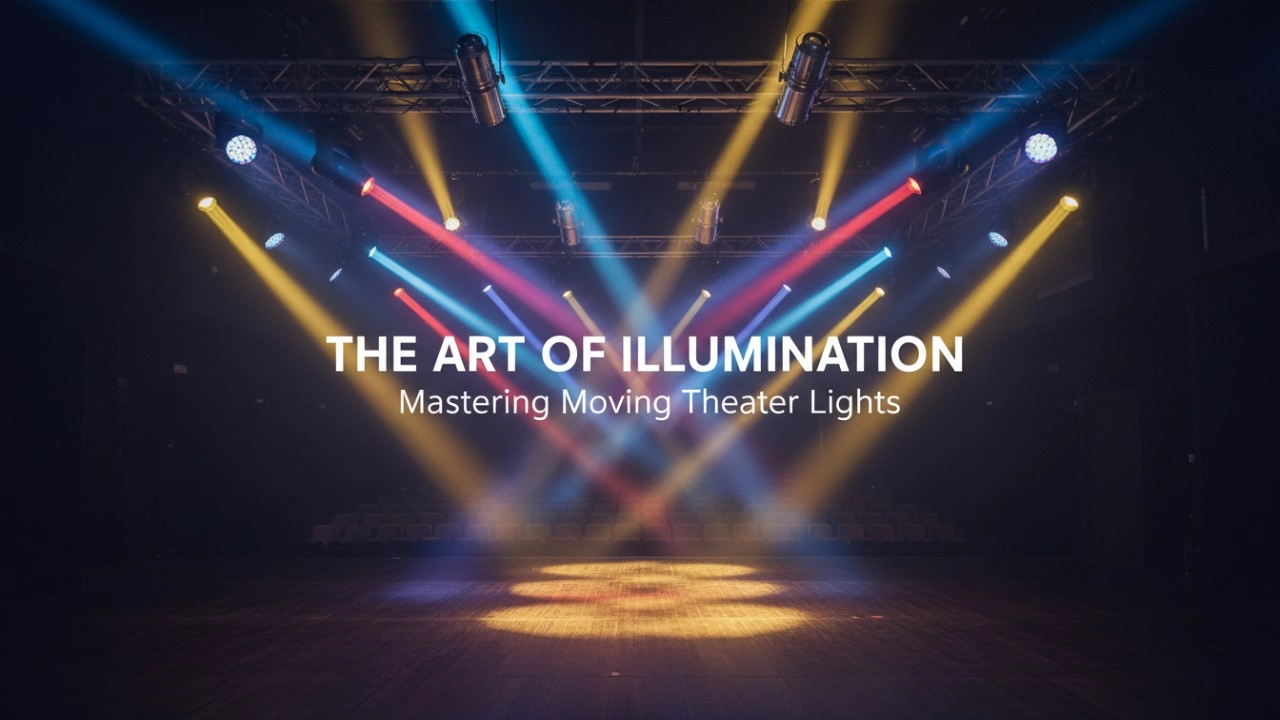
Spotlight vs. Floodlight vs. Beamlight: A Comparison of Moving Stage Lighting Fixtures
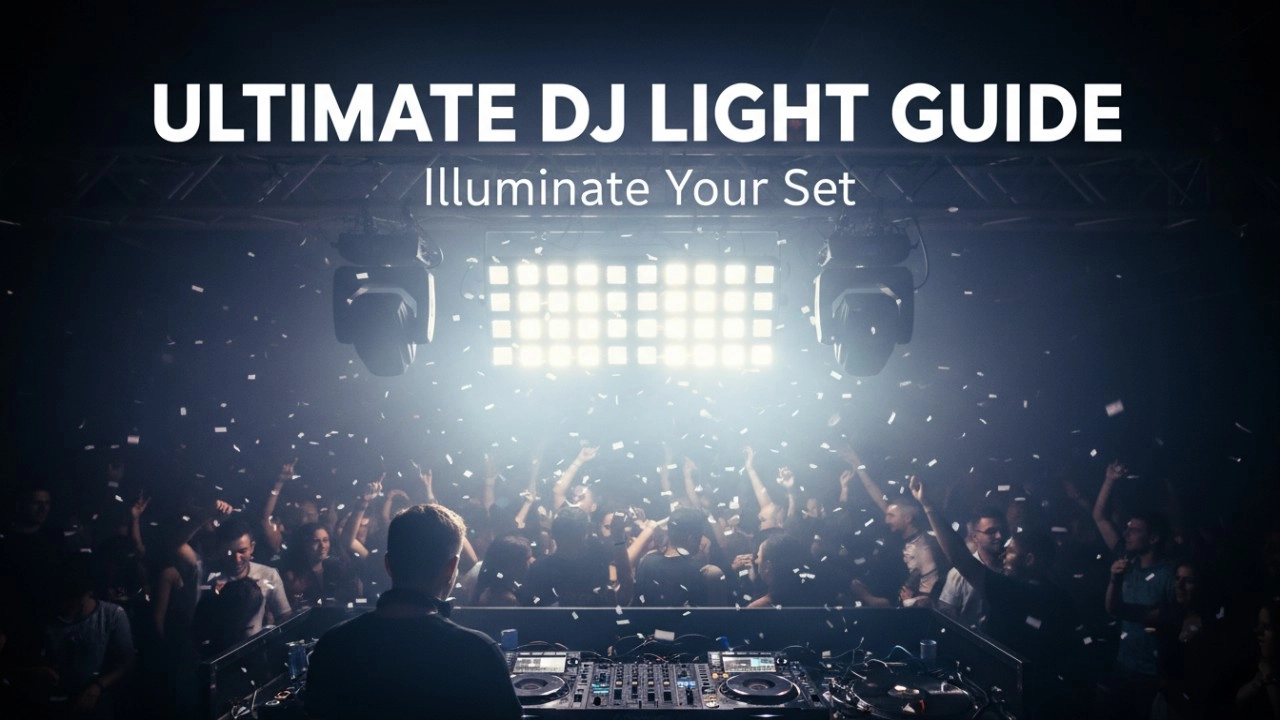
Mastering the Flash: 7 Advanced Strobe DJ Light Techniques for Pro Entertainers
Products
Can I customize the functions or software of the lights?
Absolutely. As a manufacturer with independent R&D capabilities, we offer customization for both hardware and software (such as DMX channel layout, built-in programs, or UI language). Contact us with your project needs, and our team will provide tailored solutions.
Do your lights support DMX512 and other control protocols?
Yes. All LiteLEES stage lights are fully compatible with DMX512. Many models also support RDM, Art-Net, and wireless DMX (optional), ensuring seamless integration with modern lighting control systems.
What is the lifespan of your LED stage lights?
Our LED lights use high-quality chips with a rated lifespan of over 50,000 hours. Proper usage and maintenance ensure long-term reliability and stable performance, making them a smart investment for any venue.
Company
Can LiteLEES handle OEM/ODM orders?
Absolutely. With our strong R&D capabilities and advanced manufacturing, we can customize designs, features, and branding to meet your specific needs.
Do you have your own factory?
Yes. We own a sheet metal factory and a complete in-house production line—from PCB to final assembly—ensuring strict quality control and fast delivery.
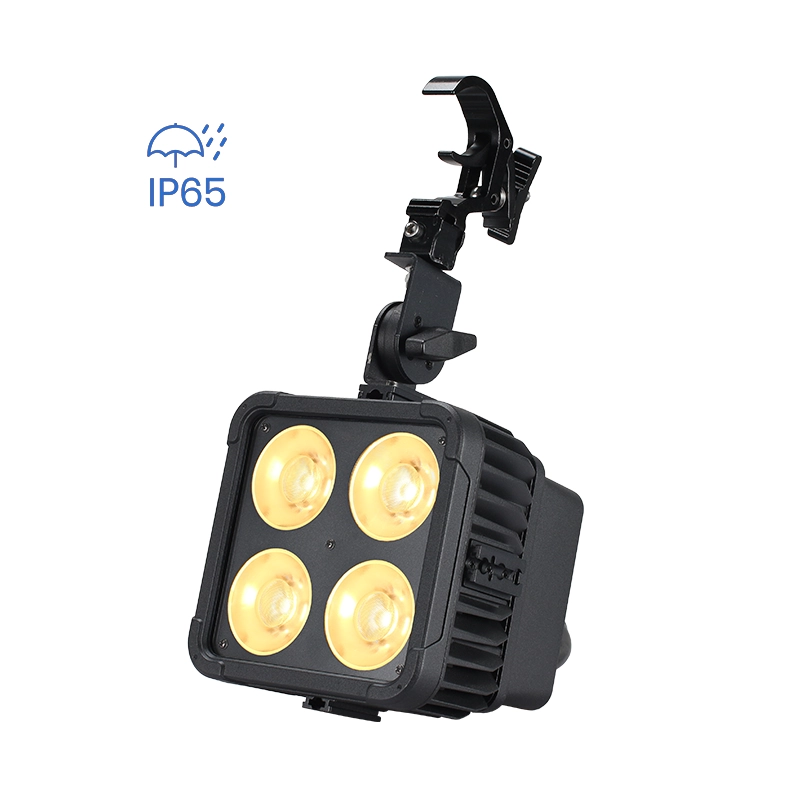
Magic Cube V8 IP
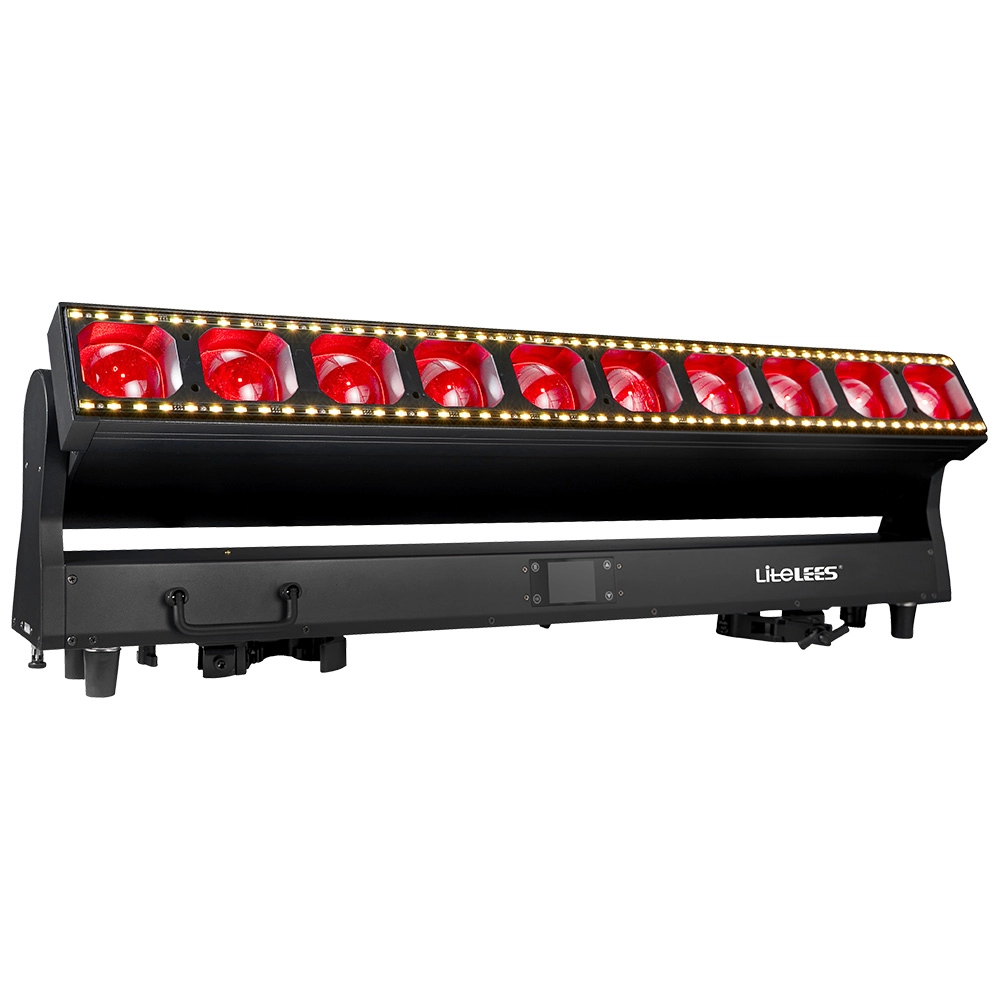
Want to get more up-to-date information?
If you have any comments or good suggestions, please leave us a message; later our professional staff will contact you as soon as possible.

We are professional stage lighting manufacturers offering OEM and ODM LED stage lights.
Contact
Email us
Call us
Address
No.6 Longnan Road, Huashan Town, Huadu District Guangzhou, Guangdong Province, China.
LiteLEES Professional
Less Lighting