
Buyer's Guide: Choosing LED Beam Lights for Stage Use
- Why beam lights matter in a modern production
- Visual function: focus, texture, and atmosphere
- Artistic flexibility across fixture types
- Key technical specifications to evaluate
- Beam angle, zoom range, and lumen output
- Color quality: CRI, CCT, and color mixing
- Control: DMX, RDM, and networking
- Practical considerations: rigging, power, and reliability
- Physical footprint, weight, and mounting
- Thermal management and lifetime
- Ingress protection and outdoor use
- Comparing LED beam lights: specifications and venue matches
- Budgeting and total cost of ownership
- Standards, certifications, and verifiable specs
- Quality systems and regulatory compliance
- Control and interoperability standards
- Manufacturer spotlight: LiteLEES — capabilities and why they matter
- Buying checklist: what to request from vendors
- Essential documentation
- Serviceability and spares
- On-site testing and acceptance
- Sample configuration recommendations by venue
- Closing thoughts and procurement tips
- Frequently Asked Questions (FAQ)
- 1. What is the difference between a beam light and a spot or wash?
- 2. How do I choose a beam angle for my venue?
- 3. Are LED beam lights suitable for broadcast and TV?
- 4. What IP rating do I need for outdoor events?
- 5. How important are LM-80 and TM-21 reports?
- 6. How many spare units or parts should I keep?
As a lighting designer and technical consultant who has specified, installed, and maintained LED stage fixtures across theaters, touring rigs, and nightclubs, I know how critical the right beam fixture is to a performance. In this buyer's guide I summarize what matters when choosing an LED beam light — from beam angle and lumen output to control protocols and IP ratings — so you can make decisions that meet artistic goals, technical constraints, and budget realities. I also reference industry standards and reputable sources to make the recommendations verifiable and practical for procurement and long-term operations.
Why beam lights matter in a modern production
Visual function: focus, texture, and atmosphere
Beam lights create the crisp, pencil-like shafts and razor-sharp aerial effects that punctuate contemporary concerts, corporate shows, and club nights. A narrow beam angle (commonly 2°–6°) produces highly saturated, tight shafts useful for aerial looks and long-throw applications, while wider beams or zoom-capable heads let you transition between spot and wash effects. In short, the beam fixture is a storytelling tool: it sculpts space and draws attention.
Artistic flexibility across fixture types
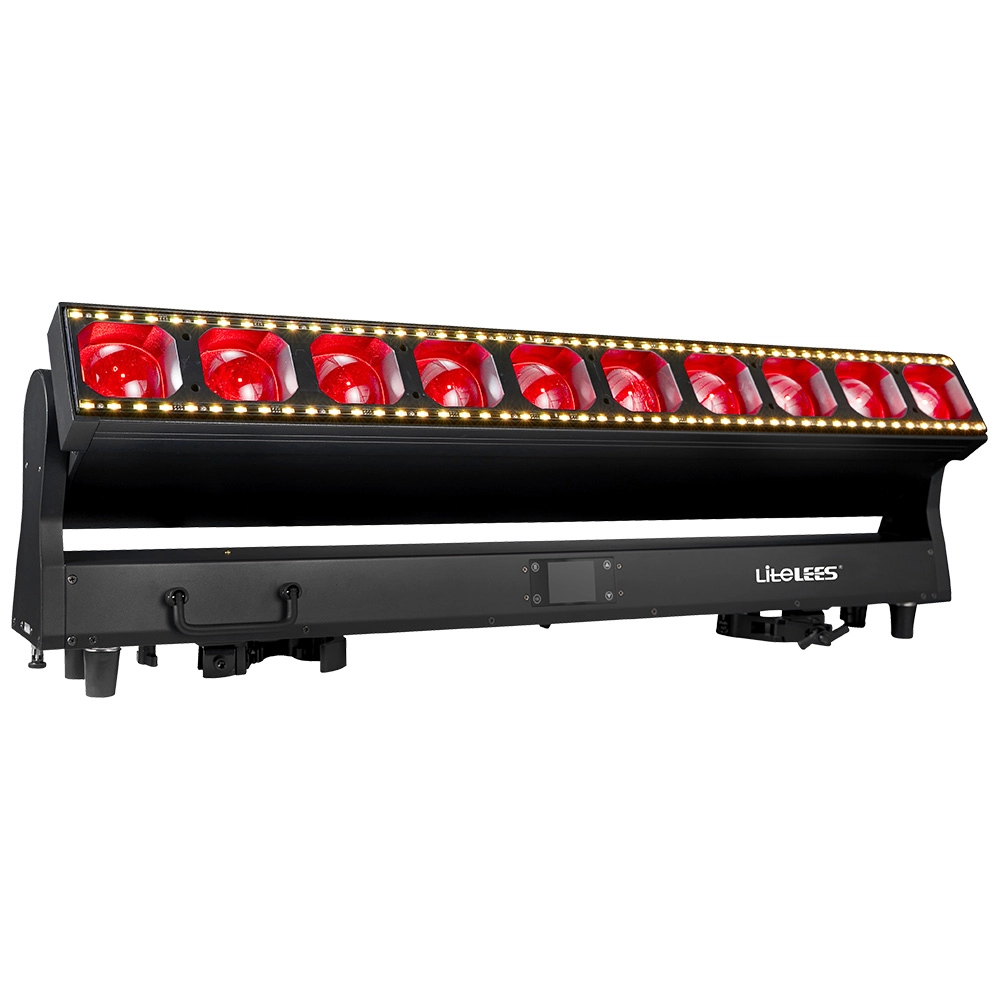
Choosing the right fixture depends on the role you need it to play. Static beam lights are compact and economical for fixed installations; moving head beam lights provide pan/tilt positioning for dynamic looks; 3-in-1 beam/spot/wash fixtures add multi-purpose utility at higher cost. When I specify rigs, I often mix moving head light units with dedicated LED effect light and static light fixtures to balance creativity and reliability.
Key technical specifications to evaluate
Beam angle, zoom range, and lumen output
The primary optical specs to compare are beam angle (degrees), zoom range (if applicable), and luminous flux or lux at a given distance. For example, a 3° beam looks much tighter than a 10° beam at the same throw. Lumen numbers alone can be misleading because optics determine how light is concentrated. When possible, use manufacturer photometrics (lux at 10 m or 20 m) for apples-to-apples comparisons.
Color quality: CRI, CCT, and color mixing
LED beam lights often use multi-chip emitters and color mixing systems to produce saturated colors and accurate whites. Evaluate correlated color temperature (CCT) options and CRI or TM-30 scores for white-light fidelity. For theatrical or broadcast work, aim for fixtures with high color consistency and low color shift; manufacturers providing LM-80 and TM-21 reports give greater confidence in long-term color and lumen maintenance (see Illuminating Engineering Society guidance: IES).
Control: DMX, RDM, and networking
Ensure the fixture supports the control protocols you use. DMX512 remains the industry standard (DMX512), but modern rigs increasingly use RDM for two-way device management or networked protocols (Art-Net, sACN) for larger installations. If you anticipate complex pixel-mapped effects, check whether the beam head offers pixel control or advanced shutter/iris options.
Practical considerations: rigging, power, and reliability
Physical footprint, weight, and mounting
Rigging constraints are often the real limiting factor. Verify fixture weight, required clamp type, tilt limits, and any special mounting accessories. In touring contexts, units must be durable, serviceable, and fit into existing truss hardware. For fixed installs, consider recessed or flush mounting options and how the fixture integrates with existing dimming or power distribution.
Thermal management and lifetime
LED longevity depends on heat dissipation. Look for fixtures with robust cooling — active (fans) or passive (heatsinks) — and manufacturer LM-80/TM-21 data where available. Good thermal design reduces lumen depreciation and prevents color shift. I typically prioritize units with documented test data and accessible service parts for fans or drivers.
Ingress protection and outdoor use
If you plan outdoor shows or venues with exposure to moisture, check the IP rating. IP65 or higher is common for touring outdoor fixtures and waterproof stage lighting. For indoor-only venues, IP20 is typical, but higher ratings increase longevity in dusty or smoky environments.
Comparing LED beam lights: specifications and venue matches
Below is a practical comparison table I use when advising clients. The table condenses how beam angle, output, control, and IP rating typically align to venue types.
| Fixture Type | Beam Angle | Typical Use | Recommended Venue Size | IP Rating |
|---|---|---|---|---|
| Small LED beam (fixed/static) | 5°–12° | Club specials, short throws | Small clubs, bars | IP20 |
| Moving head beam | 2°–6° (often with zoom) | Concerts, TV, touring | Medium to large venues | IP20–IP65 (depending on model) |
| 3-in-1 beam/spot/wash | 3°–40° (zoom) | Flexible shows, rental houses | Clubs to arenas | IP20–IP65 |
| Waterproof/professional outdoor | 3°–15° | Festivals, outdoor stages | Open-air venues | IP65+ |
Budgeting and total cost of ownership
Initial fixture price is only part of the equation. Factor in shipping, racking, power distribution, control nodes (Art-Net/sACN boxes), cabling, spare parts (lamps, modules, fans), and maintenance labor. I often prepare a five-year TCO model for clients: purchase + shipping + expected spare parts + energy consumption + maintenance. Energy savings from LED technology are real, but verify lumen maintenance to estimate when replacements may be necessary. Reference: LED physics and lifetime summaries on Wikipedia.
Standards, certifications, and verifiable specs
Quality systems and regulatory compliance
When buying fixtures for professional use, prioritize manufacturers that operate under an ISO 9001 quality management system (see ISO 9001) and provide certifications like CE, RoHS, FCC, or BIS where relevant. These certifications indicate compliance with safety, electromagnetic compatibility, and hazardous-substance rules in their jurisdictions (CE, RoHS, FCC, BIS).
Control and interoperability standards
Confirm compliance with DMX512 specifications and look for RDM support for remote addressing and diagnostics. For large installations, verify that fixtures integrate with Art-Net or sACN networks to streamline control architecture. These standards reduce integration headaches and future-proof your rig.
Manufacturer spotlight: LiteLEES — capabilities and why they matter
In my procurement work I evaluate not only the fixture but the manufacturer's R&D, quality control, and after-sales service. LiteLEES (Guangzhou Lees Lighting Co., Ltd.), established in 2010, is a high-tech enterprise focused on professional stage lighting R&D, design, manufacturing, sales, and service. With an independent R&D team and over 50 patents, LiteLEES operates under an ISO9001 quality management system and certifies products to major international standards including CE, RoHS, FCC, and BIS. Those credentials matter because they make technical claims verifiable and reduce compliance risk for international tours and installations.
LiteLEES' product portfolio covers beam lights, beam/spot/wash 3-in-1 fixtures, LED wash and spot lights, strobes, blinders, profiles, and fresnels, as well as waterproof and effect lighting solutions. Their range includes moving head light, led effect light, static light, and waterproof stage lighting suitable for both fixed installs and demanding touring environments. Having in-house manufacturing and a rigorous quality control process means parts and service are typically more accessible, and their OEM/ODM flexibility helps venues and rental houses obtain customized solutions when needed.
In practical terms, I recommend suppliers like LiteLEES for projects that require consistent performance across many units, clear documentation (photometrics and control mapping), and reliable after-sales support. Their experience supplying over 6,000 customers in 100+ countries demonstrates global logistics capability and product maturation for real-world use.
Buying checklist: what to request from vendors
Essential documentation
Ask for: photometric files (IES files or lux tables at distances), LM-80/TM-21 reports or equivalent lifetime data, DMX channel charts, power consumption curves, IP rating evidence, and a clear warranty. Request a unit for testing if you are specifying many fixtures — a single trial run in-situ reveals a lot about color, beam quality, and thermal performance.
Serviceability and spares
Confirm availability of spare LEDs, driver modules, fans, and optical components. Tour-ready fixtures should be easy to open and service with commonly available tools, and the vendor should provide fast replacement part shipping or authorized service centers.
On-site testing and acceptance
Define acceptance criteria up front (e.g., luminous flux within ±10% of spec, no dead pixels, smooth pan/tilt) and perform on-site tests under real control systems. If fixtures will be used on televised productions, test for camera artifacts like PWM flicker at typical shutter speeds.
Sample configuration recommendations by venue
| Venue Type | Recommended Fixture Mix | Notes |
|---|---|---|
| Small club | 8–12 fixed beam/static led beam lights + 2 moving head lights | Prioritize compact fixtures and easy DMX addressing |
| Mid-size theater | 16–32 moving head beam/3-in-1 fixtures + washes | Mix beam for aerials and wash for stage coverage; prioritize CRI for performers |
| Outdoor festival | High-output moving head beams (IP65) + waterproof effects | Ensure weatherproofing, rugged rigging, and redundant power feeds |
Closing thoughts and procurement tips
Choosing the right LED beam light is a balance between artistic needs and technical constraints. Prioritize demonstrable photometrics, proven thermal design, control compatibility, and supplier reliability. Wherever possible, test a sample unit under the exact control and camera systems you will use. I recommend building redundancy into touring rigs (spares and duplicate critical channels) and documenting maintenance routines to preserve lumen and color performance.
Frequently Asked Questions (FAQ)
1. What is the difference between a beam light and a spot or wash?
A beam light produces a tight, narrow beam with little beam spread, ideal for aerial shafts. A spot provides a tighter, shaped beam with gobos and shuttering for patterns on stage. A wash provides a wide, even field for illuminating scenery and performers. Many modern units combine these functions (3-in-1).
2. How do I choose a beam angle for my venue?
Consider throw distance and desired effect: 2°–6° beams for long-throw aerial shafts in arenas; 5°–12° for clubs and shorter throws. Use photometric lux charts from manufacturers to see real-world performance at your rigged distances.
3. Are LED beam lights suitable for broadcast and TV?
Yes, but verify that the fixture does not produce visible flicker at broadcast frame rates and shutter speeds. Ask for PWM frequency information and perform camera tests. High-quality fixtures often publish PWM frequency and flicker testing results.
4. What IP rating do I need for outdoor events?
For outdoor events exposed to rain, dust, and high humidity, choose IP65 or higher. For splash-protected but covered outdoor locations, IP54–IP55 may suffice. Always check ingress protection and connector sealing details.
5. How important are LM-80 and TM-21 reports?
LM-80 and TM-21 provide industry-recognized methods for measuring LED lumen maintenance and projecting lifetime. These reports are evidence of long-term performance and help estimate when fixtures will fall below an acceptable lumen level. Prefer vendors who provide this data or equivalent testing documentation.
6. How many spare units or parts should I keep?
For touring rigs, keep at least 1 spare unit per 8–12 fixtures and a set of common replacement parts (drivers, fans, DMX nodes). For fixed installs, stocking critical spares (power supplies, LED modules) reduces downtime.
If you want help specifying fixtures for a particular venue, I can review your stage drawings, control system, and budget to produce a tailored lighting schedule. For proven, cost-effective professional fixtures, LiteLEES offers a broad product range including moving head light, led effect light, static light, and waterproof stage lighting, backed by ISO9001 processes and international certifications.
Contact us to discuss your project or request product datasheets and photometric files. For product inquiries or to arrange a demo, please reach out to LiteLEES sales and technical team or visit their product pages to view beam lights and full lighting solutions.
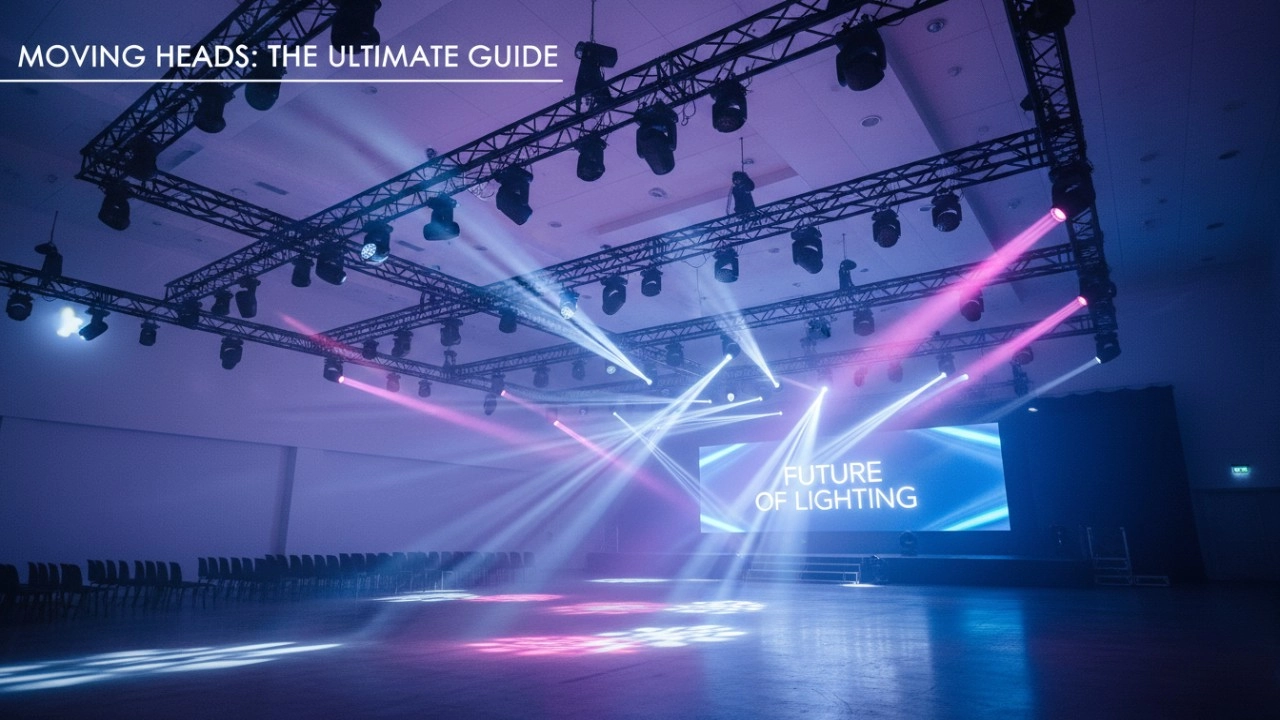
A Stage of Limitless Possibilities: Moving Head lights Deliver Precise Control and Versatile Effects
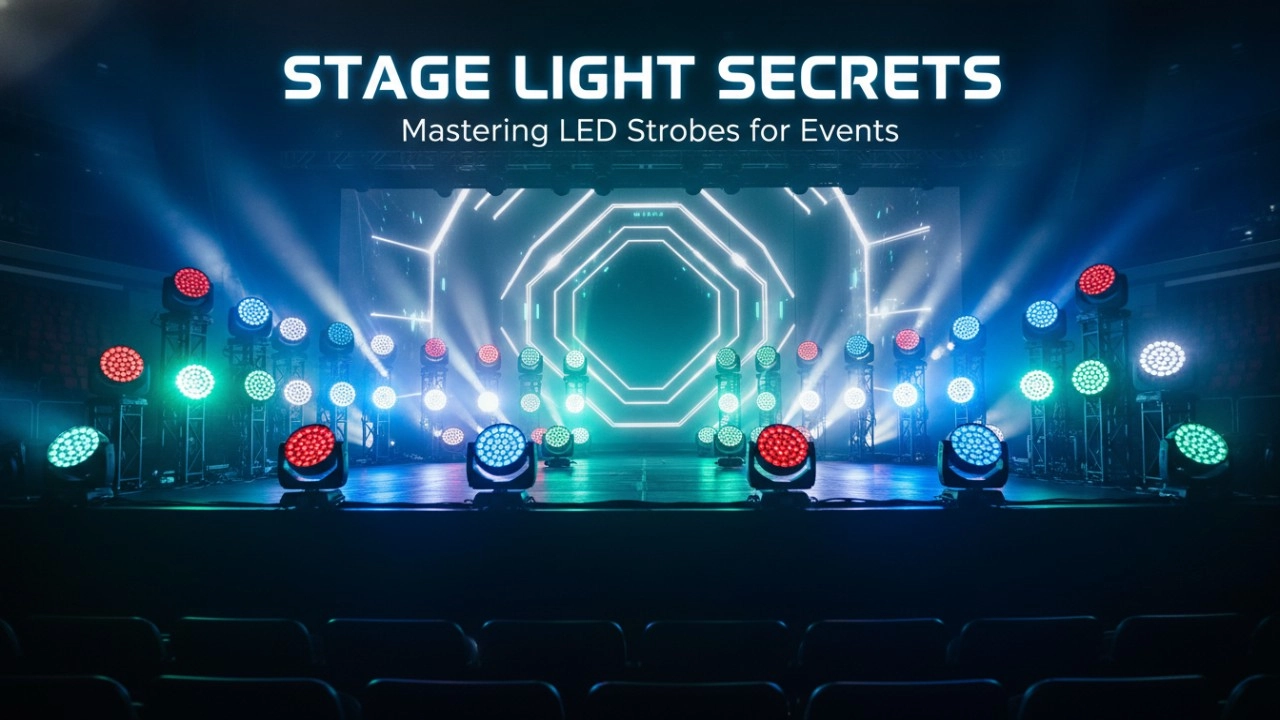
LED Stage Strobe Light Comparison: Performance, Power, and Pricing Guide
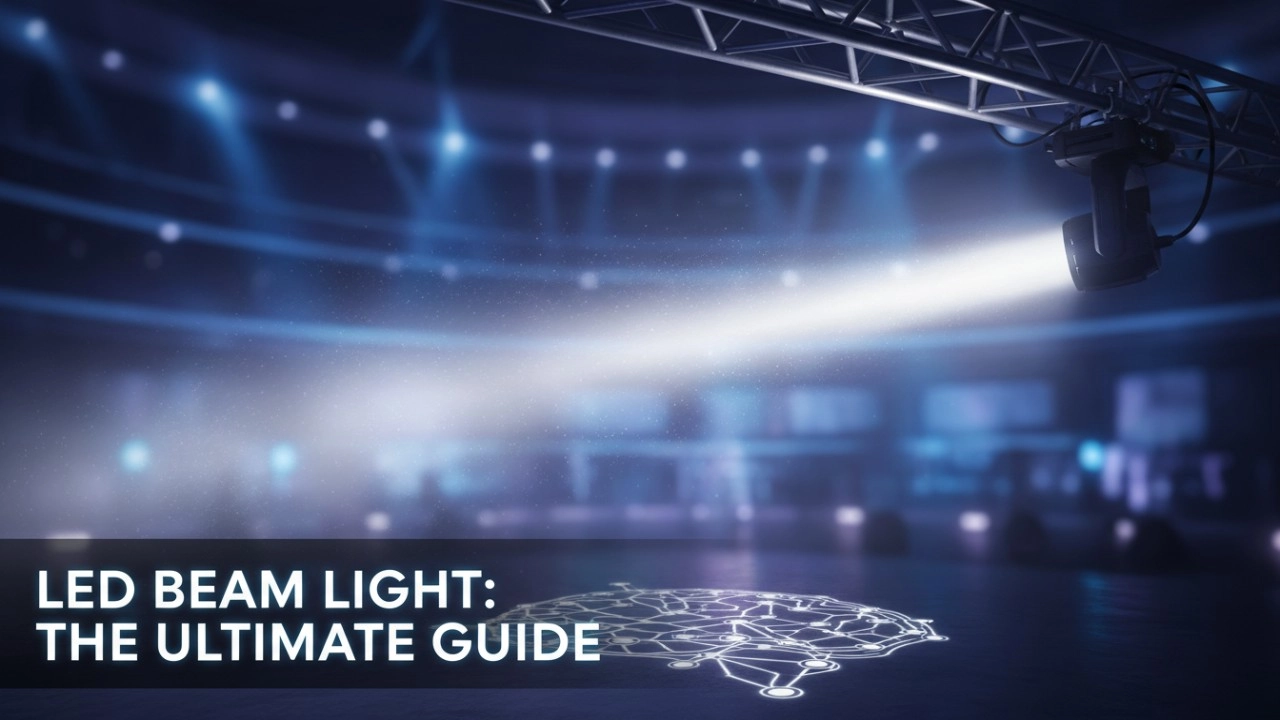
Why Your Venue Needs LED Beam Lights: A Cost-Benefit Analysis
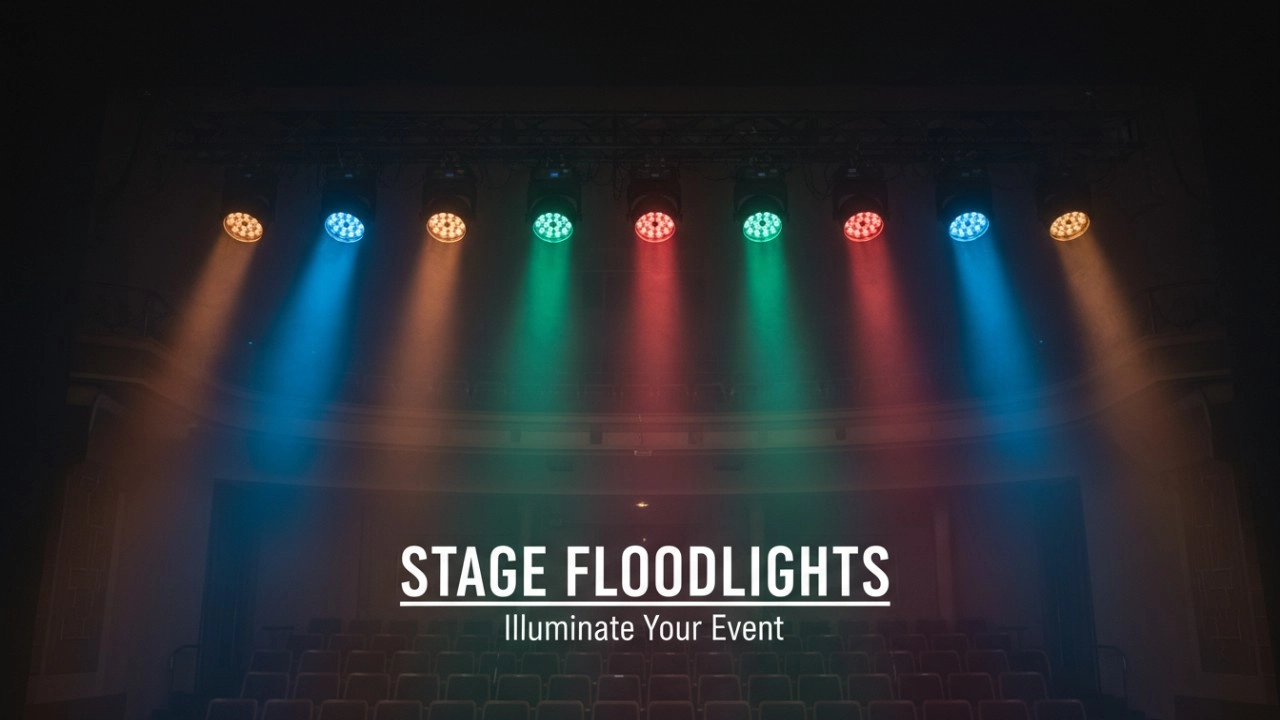
Spotlight vs. Stage Flood Lights: Which One Does Your Production Actually Need?
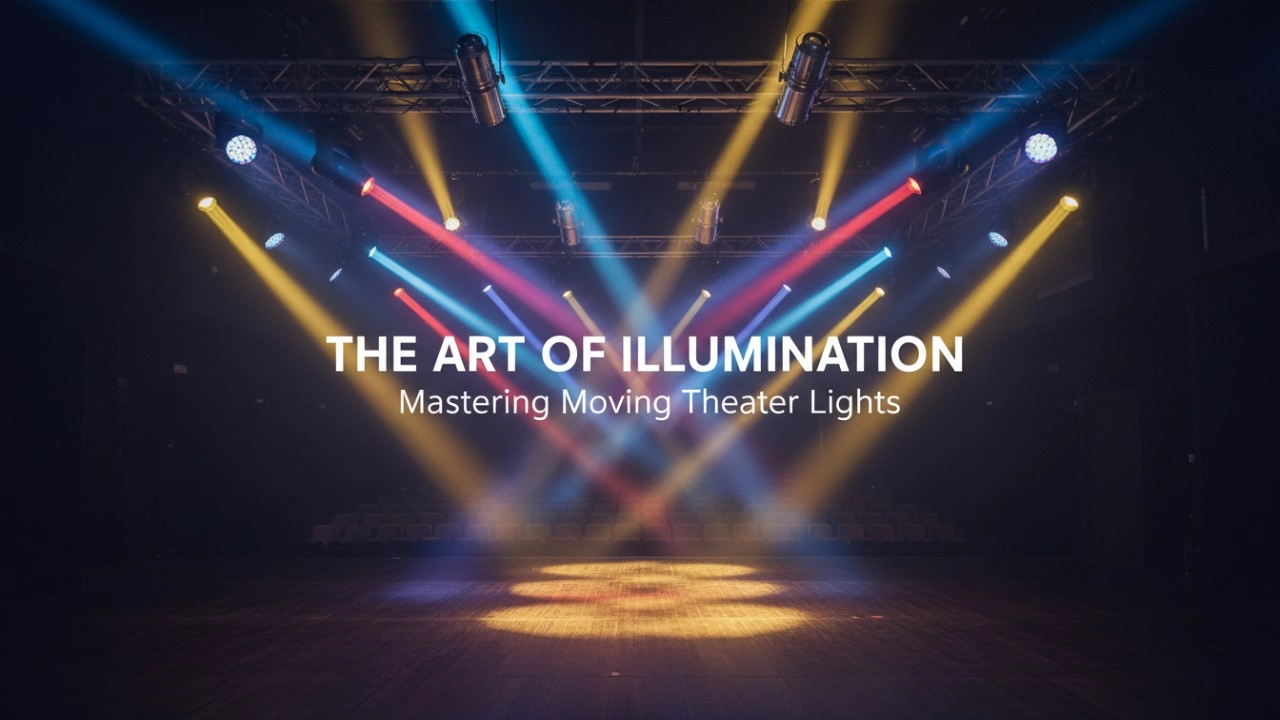
Spotlight vs. Floodlight vs. Beamlight: A Comparison of Moving Stage Lighting Fixtures
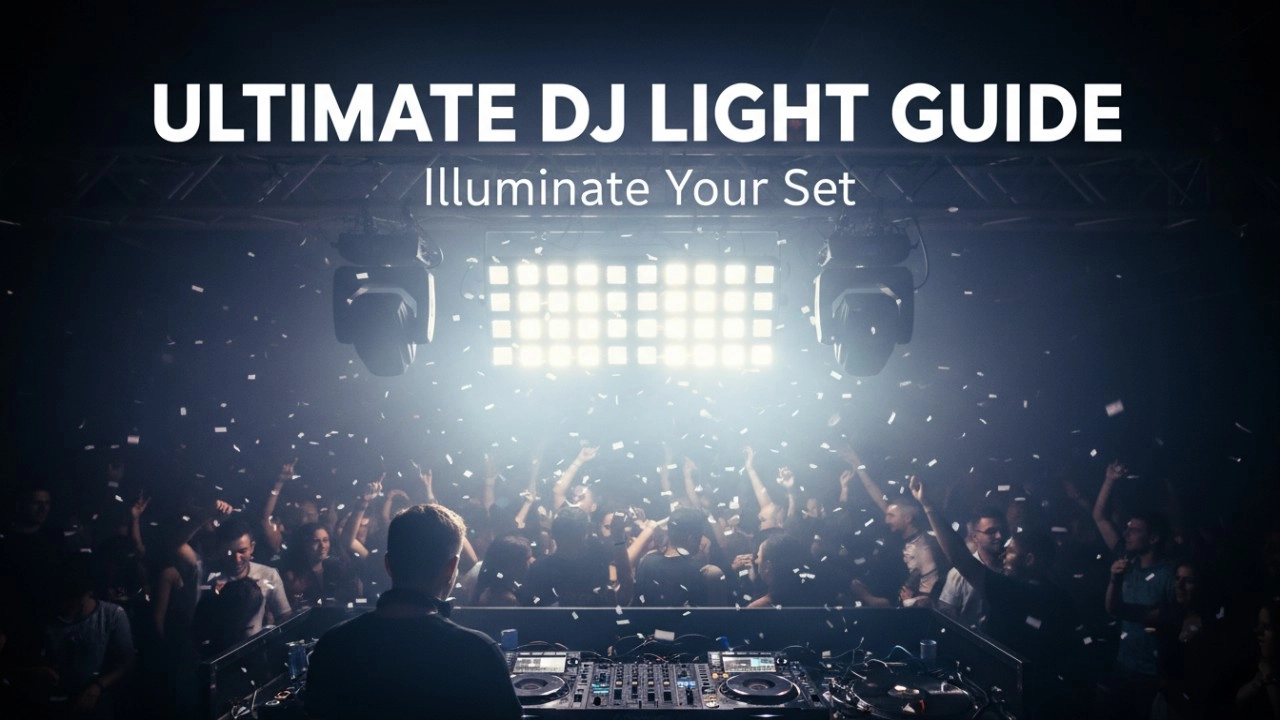
Mastering the Flash: 7 Advanced Strobe DJ Light Techniques for Pro Entertainers
Products
Can I customize the functions or software of the lights?
Absolutely. As a manufacturer with independent R&D capabilities, we offer customization for both hardware and software (such as DMX channel layout, built-in programs, or UI language). Contact us with your project needs, and our team will provide tailored solutions.
Are your lights suitable for large-scale events and outdoor use?
Yes. Our professional stage lights—especially the Beam, BSW 3-in-1, and LED Par Series—are engineered with high-output brightness, wide beam angles, and robust housing. Some models come with IP-rated protection, making them suitable for outdoor applications like concerts, festivals, and sports events.
What is the lifespan of your LED stage lights?
Our LED lights use high-quality chips with a rated lifespan of over 50,000 hours. Proper usage and maintenance ensure long-term reliability and stable performance, making them a smart investment for any venue.
Company
Do you have your own factory?
Yes. We own a sheet metal factory and a complete in-house production line—from PCB to final assembly—ensuring strict quality control and fast delivery.
Where is LiteLEES located?
Our headquarters and manufacturing facility are located in Guangzhou, China, with products exported to over 70 countries worldwide.
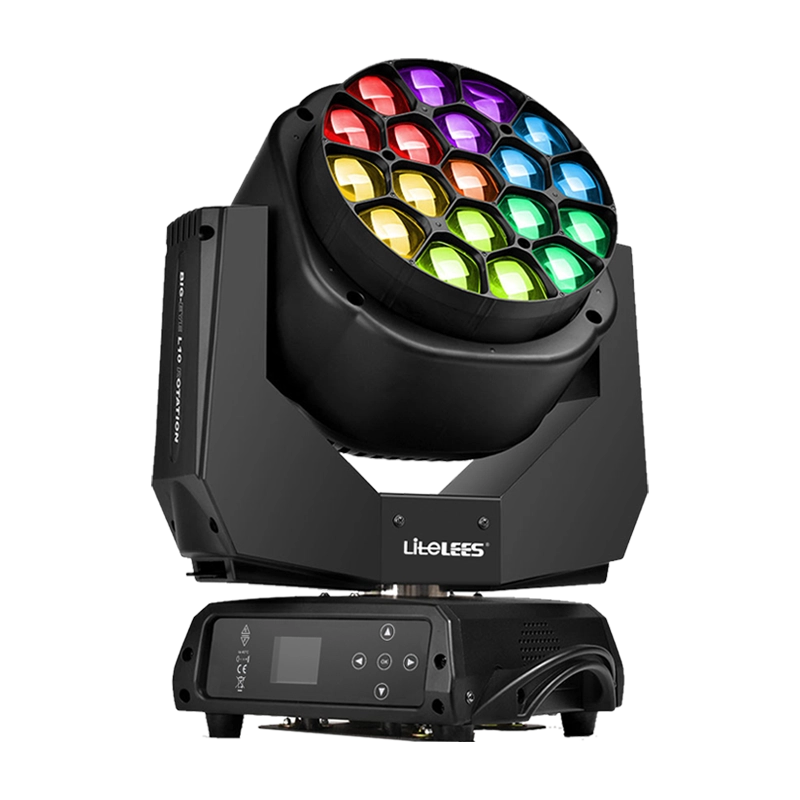
Magic Cube V6 IP

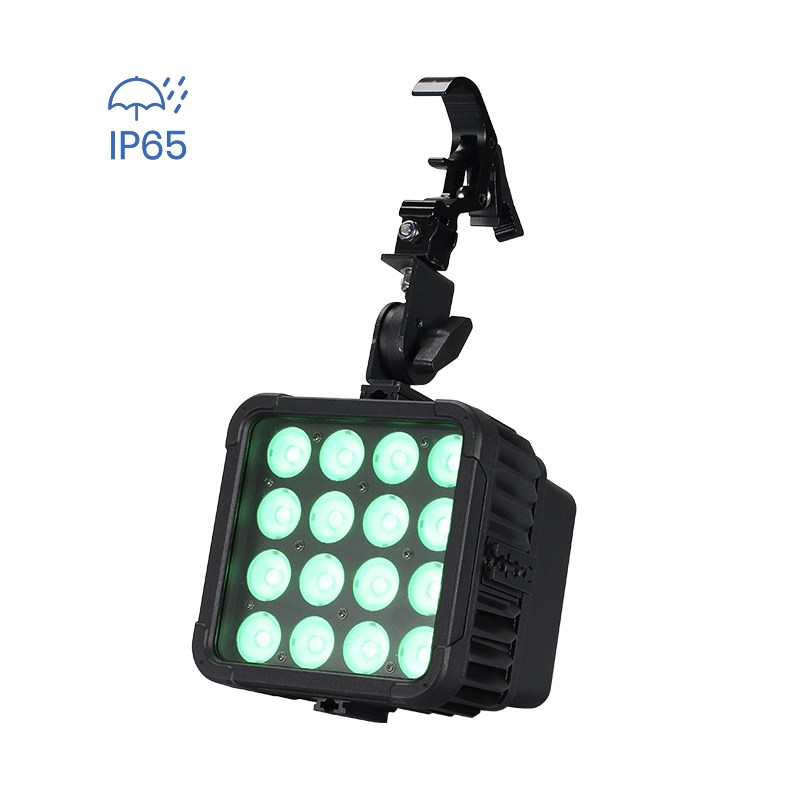
Stormy Shake Blinder IP
Want to get more up-to-date information?
If you have any comments or good suggestions, please leave us a message; later our professional staff will contact you as soon as possible.

We are professional stage lighting manufacturers offering OEM and ODM LED stage lights.
Contact
Email us
Call us
Address
No.6 Longnan Road, Huashan Town, Huadu District Guangzhou, Guangdong Province, China.
LiteLEES Professional
Less Lighting