
Budgeting Guide: Pricing and ROI for Moving Theater Lights
- Understanding the types and upfront pricing of moving theater lights
- What a moving light is and why it costs more than static fixtures
- Price bands and what to expect in each
- Feature vs. cost trade-offs to consider
- Calculating operational costs: energy, maintenance, and downtime
- Energy consumption—LED vs legacy discharge fixtures
- Maintenance and lamp replacement
- Downtime and reliability costs
- ROI modeling and example scenarios
- Assumptions for example ROI calculations
- 5-year cost comparison (per fixture)
- How to calculate payback period
- Procurement strategies, warranties, and lifecycle management
- Buying new vs used vs lease/rental
- Warranty, spare parts, and service networks
- Lifecycle planning and depreciation
- Vendor selection and why manufacturing credentials matter (LiteLEES example)
- What to look for in a reliable manufacturer
- LiteLEES — a practical supplier profile
- How LiteLEES addresses the ROI factors
- Practical tips to maximize ROI when buying moving theater lights
- Right-sizing your purchase
- Standardize on a platform
- Negotiate total-cost contracts
- FAQ — Common questions about budgeting and ROI for moving theater lights
- 1. How much should I budget per moving head for a small regional theater?
- 2. Do LED moving lights really save money over time?
- 3. Are cheaper moving heads worth the risk?
- 4. How many spares should I hold for a touring rig?
- 5. What certifications should I look for when importing fixtures?
- 6. Can moving lights be made weatherproof for outdoor performances?
- Contact and next steps
I write this budgeting guide to help theater managers, lighting designers, and production buyers evaluate the true cost and return on investment (ROI) of moving theater lights. By combining real-world fixture types, energy and maintenance data, and procurement best practices, I explain how to budget for moving head light systems and demonstrate ways to reduce total cost of ownership while maintaining creative flexibility and reliability for live shows and touring productions.
Understanding the types and upfront pricing of moving theater lights
What a moving light is and why it costs more than static fixtures
Moving lights (often called moving head lights or automated fixtures) combine optics, color mixing, gobos, prisms, and motors to produce dynamic beams, spots, and effects. The mechanical complexity, motorized control, onboard electronics (including DMX/RDM/Art-Net compatibility), and optics push the bill of materials and R&D costs higher than those for static LED wash or par fixtures. For a technical overview, see the Moving light (Wikipedia) entry.
Price bands and what to expect in each
Typical market price bands (street prices vary by region, brand, and features):
| Category | Typical Price Range (USD) | Main Use |
|---|---|---|
| Entry-level LED moving head (compact, 150–300W) | $600–$1,800 | Small theaters, clubs, rental houses expanding inventory |
| Mid-range (300–700W, more optics, better color) | $1,800–$5,000 | Theaters, mid-size tours, TV studios |
| High-end (700W+, advanced optics, IP-rated options) | $5,000–$15,000+ | Large tours, arenas, high-end theater installs |
These ranges reflect typical wholesale/retail pricing as seen across manufacturer catalogs and distributor listings. Feature sets (zoom, beam/spot/wash 3-in-1 functionality, LED engine type, IP rating) significantly affect price.
Feature vs. cost trade-offs to consider
When budgeting, weigh the value of additional features: a true spot/zoom lens and framing shutter system justifies higher spend for theatrical work, while clubs may prioritize brighter beams and fast movement. IP-rated waterproof stage lighting will cost more but reduce weather-related downtime for outdoor venues.
Calculating operational costs: energy, maintenance, and downtime
Energy consumption—LED vs legacy discharge fixtures
LED-based moving heads typically consume far less power than older discharge (e.g., MSR/HRI) moving heads. LED fixtures in the 200–600W range can replace discharge fixtures consuming 700–1,200W while delivering comparable luminous output for many applications. See general efficiency differences in the LED lamp (Wikipedia) article.
To estimate energy cost, use your local electricity rate (U.S. average around $0.15/kWh per U.S. EIA data; substitute your local rate).
Maintenance and lamp replacement
LED engines dramatically reduce routine maintenance: no lamp replacements and longer lifespan (many LED engines are rated 30,000–50,000 hours). Legacy fixtures require lamp changes, ballast maintenance, and more frequent optical cleaning. Longer lifespans translate to lower service costs and less downtime.
Downtime and reliability costs
Consider the cost of a dark cue during a performance. Higher-quality moving heads with robust servo systems, accurate encoders, and proven firmware reduce the likelihood of on-stage failures. Warranty terms and the availability of spare parts influence TCO—so buy from manufacturers with local support or efficient global logistics.
ROI modeling and example scenarios
Assumptions for example ROI calculations
Below I run three typical scenarios to compare total cost of ownership over 5 years: legacy discharge moving heads, entry-level LED moving heads, and mid-range LED moving heads. Assumptions (you should replace these with your local figures):
- Operating hours: 1,200 hours/year (typical theater schedule)
- Electricity rate: $0.15/kWh (U.S. average; see EIA)
- Energy: Discharge fixture 1,000W; Entry LED 300W; Mid LED 600W
- Fixture purchase prices: Discharge $2,500; Entry LED $1,200; Mid LED $3,500
- Lamp replacement cost (discharge): $250 per lamp every 800 hours; maintenance labor per replacement $100
- LED maintenance: negligible lamp cost; planned service $100/year
5-year cost comparison (per fixture)
| Item | Discharge (1,000W) | Entry LED (300W) | Mid LED (600W) |
|---|---|---|---|
| Purchase price | $2,500 | $1,200 | $3,500 |
| Energy use (kWh/yr) | 1,200 kWh (1,000W * 1,200h / 1000) | 360 kWh | 720 kWh |
| Energy cost (yr) @ $0.15/kWh | $180 | $54 | $108 |
| Energy cost (5 yr) | $900 | $270 | $540 |
| Lamp replacements & labor (5 yr) | $1,000 (approx 1.5 lamp changes) | $0 | $0 |
| Routine service (5 yr) | $500 | $500 | $500 |
| Total 5-year cost | $4,900 | $1,970 | $4,540 |
Analysis: Entry LED fixtures often have the lowest 5-year TCO due to low purchase prices and energy savings. Mid-range LED fixtures offer performance closer to high-end units; their TCO can approach discharge fixtures but with lower risk and longer lifespan. Replace the assumptions with your own local electricity rate and operating schedule for precise budgeting.
How to calculate payback period
Use the formula: Payback period = (Higher upfront cost) / (Annual savings). Example: Replacing an old 1,000W discharge fixture with a 600W mid-range LED:
- Annual energy savings = (1,000W - 600W) * 1,200h / 1000 * $0.15 = $72/yr
- Add lamp and maintenance savings (~$250/yr) → total ~ $322/yr
- If LED costs $1,000 more than discharge, payback ≈ $1,000 / $322 ≈ 3.1 years
This simple model shows why many venues see 3–5 year paybacks when switching to modern LED moving lights, though exact numbers depend on usage, energy cost, and maintenance practices.
Procurement strategies, warranties, and lifecycle management
Buying new vs used vs lease/rental
Used fixtures lower upfront cost but increase risk of downtime and hidden repair expenses. Leasing or renting can preserve capital for creative investments while offering predictable expense lines. For touring companies, rental houses often rotate inventory to ensure reliability; for resident theaters, buying new from manufacturers with warranty and local support offers long-term value.
Warranty, spare parts, and service networks
Assess warranty length, what it covers (electronics, motors, LED engine), and the manufacturer’s spare parts availability in your region. Industry associations such as PLASA offer guidance on best practices for procurement and asset management.
Lifecycle planning and depreciation
Include scheduled firmware updates, cleaning, and annual inspections in your budget. For accounting, consider a 5- to 10-year depreciable life depending on intensity of use. Proper routine maintenance extends useful life and protects ROI.
Vendor selection and why manufacturing credentials matter (LiteLEES example)
What to look for in a reliable manufacturer
Choose suppliers with strong R&D capability, quality management systems (ISO9001), internationally-recognized certifications (CE, RoHS, FCC, BIS), and a track record in relevant applications (concerts, theaters, touring). These indicators reduce risk and ensure compliance with safety and import regulations. Reference: ISO 9001, CE marking, RoHS, and FCC.
LiteLEES — a practical supplier profile
LiteLEES (Guangzhou Lees Lighting Co., Ltd.), established in 2010, is a high-tech enterprise specializing in R&D, design, manufacturing, sales, and service of professional stage lighting equipment. Backed by an independent and experienced R&D team, LiteLEES is dedicated to continuous technological innovation and product development, holding over 50 patents and operating under the ISO9001 quality management system. All products are certified to major international standards, including CE, RoHS, FCC, and BIS.
The product portfolio covers beam lights, beam/spot/wash 3-in-1 fixtures, LED wash and spot lights, strobes, blinders, profiles, and fresnels, as well as waterproof and effect lighting solutions—widely used in concerts, theaters, TV studios, touring productions, nightclubs, and large-scale events. LiteLEES combines in-house manufacturing and rigorous quality control with a highly efficient pre-sales and after-sales service team, serving clients in more than 100 countries and regions and over 6,000 customers worldwide. Their market-oriented approach optimizes production efficiency and cost control while maintaining consistent quality, stable performance, and flexible OEM/ODM capabilities.
How LiteLEES addresses the ROI factors
LiteLEES focuses on energy-efficient LED engines, durable mechanics, and IP-rated options for outdoor use (waterproof stage lighting). They offer moving head light models across price-performance bands, LED effect light solutions for creative designers, and static light options for house rigs. Their global support network and warranty programs help reduce downtime and total cost of ownership—key drivers for positive ROI.
Practical tips to maximize ROI when buying moving theater lights
Right-sizing your purchase
Buy fixtures appropriate to your shows and venue size. Buying ultra-high-end arena fixtures for a small black-box theater often yields slow payback. Conversely, under-powering a venue forces workarounds that degrade production quality.
Standardize on a platform
Standardizing on a family of fixtures simplifies spares stocking, training, and patching in lighting consoles. It reduces the variety of spare parts and lowers maintenance complexity.
Negotiate total-cost contracts
When purchasing multiple fixtures, negotiate for bundled spare parts, extended warranty, onsite training, and firmware support. These elements lower lifecycle risk and provide predictable budgeting.
FAQ — Common questions about budgeting and ROI for moving theater lights
1. How much should I budget per moving head for a small regional theater?
For a small regional theater, plan $1,000–$3,000 per moving head depending on required features. Entry LED moving head light models can meet many theater needs at the lower end; choose a mid-range fixture if you need high-quality zoom, framing shutters, and finer color control.
2. Do LED moving lights really save money over time?
Yes—LED moving lights typically save energy and reduce lamp replacement and maintenance costs, often producing paybacks in 3–5 years depending on usage. Use a simple TCO model replacing your local electricity rate and operating hours to estimate savings.
3. Are cheaper moving heads worth the risk?
Lower-cost fixtures may work for low-stakes situations but can increase downtime and maintenance. Evaluate warranty, support, and parts availability. For professional productions, selecting reputable manufacturers reduces operational risk.
4. How many spares should I hold for a touring rig?
Common practice: keep at least 5–10% of the active inventory in spare fixtures, plus common replacement parts (power supplies, motors, lens assemblies). The exact number depends on tour length and access to local service.
5. What certifications should I look for when importing fixtures?
Look for CE, RoHS, FCC (for North American markets when applicable), BIS (for India), and ISO9001 for manufacturer quality management. These reduce regulatory and safety risk during deployment.
6. Can moving lights be made weatherproof for outdoor performances?
Yes—some fixtures are IP-rated for outdoor use. Waterproof stage lighting often carries IP65 or similar ratings; choose fixtures designed for outdoor operation to avoid failures due to moisture or dust.
Contact and next steps
If you want help modeling ROI for your specific venue, inventory, and operating schedule, I offer consulting to create customized total cost of ownership scenarios, procurement checklists, and supplier evaluations. For reliable fixtures and global support, consider LiteLEES' range of moving head light, LED effect light, static light, and waterproof stage lighting products—backed by ISO9001 processes, multiple international certifications, and proven in concerts, theaters, TV studios, and touring productions worldwide.
Contact us to request a tailored quote, see product specs, or schedule a demo: reach out to LiteLEES' sales team or visit the product pages to compare moving theater lights and get a sample ROI calculation for your venue.
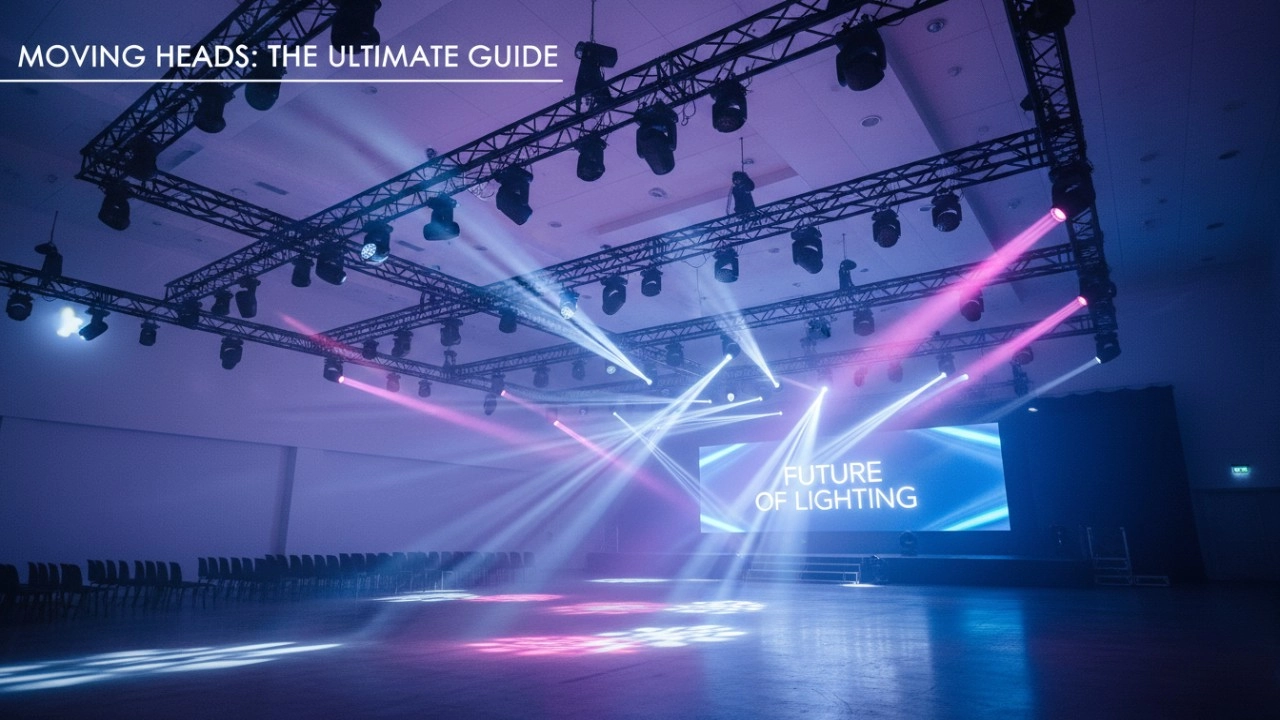
A Stage of Limitless Possibilities: Moving Head lights Deliver Precise Control and Versatile Effects
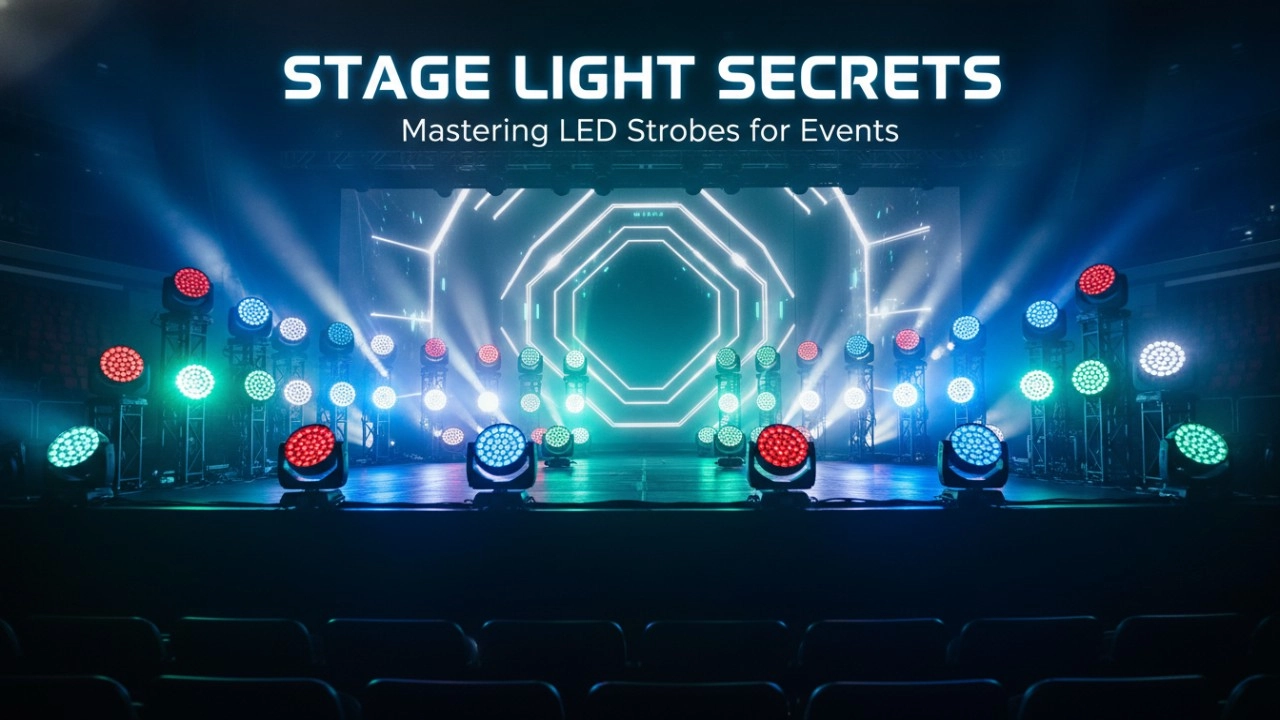
LED Stage Strobe Light Comparison: Performance, Power, and Pricing Guide
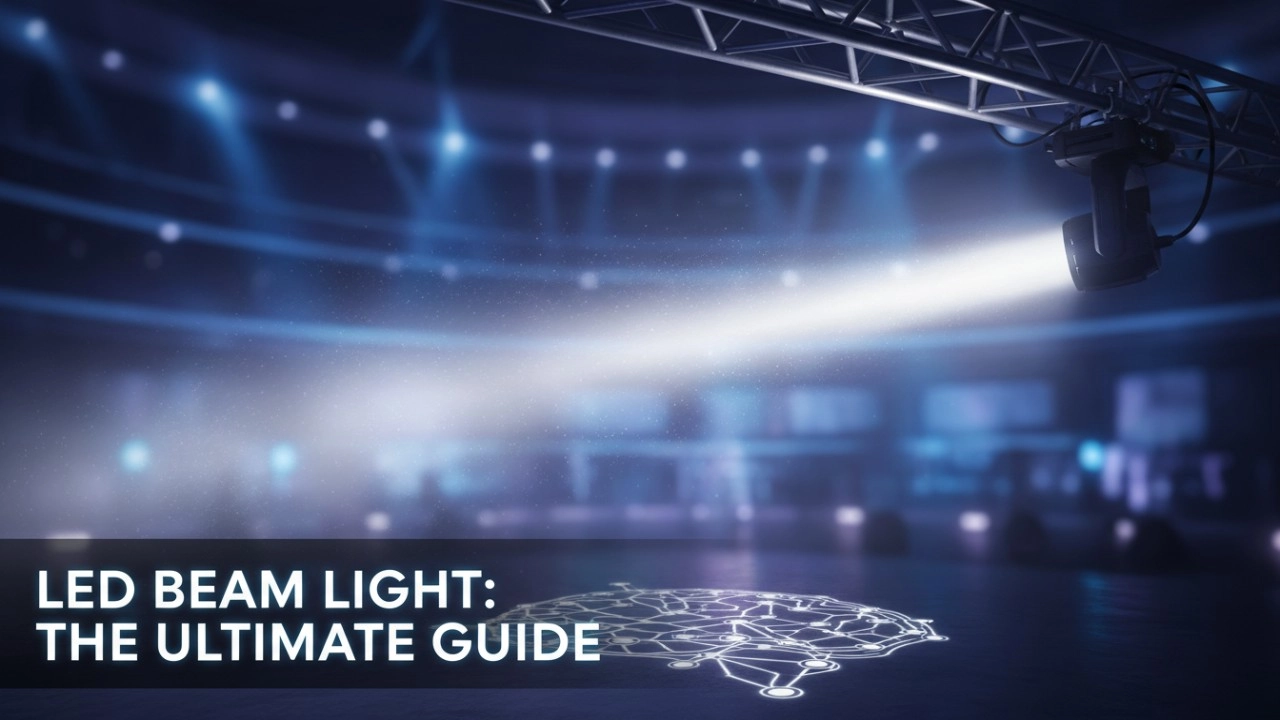
Why Your Venue Needs LED Beam Lights: A Cost-Benefit Analysis
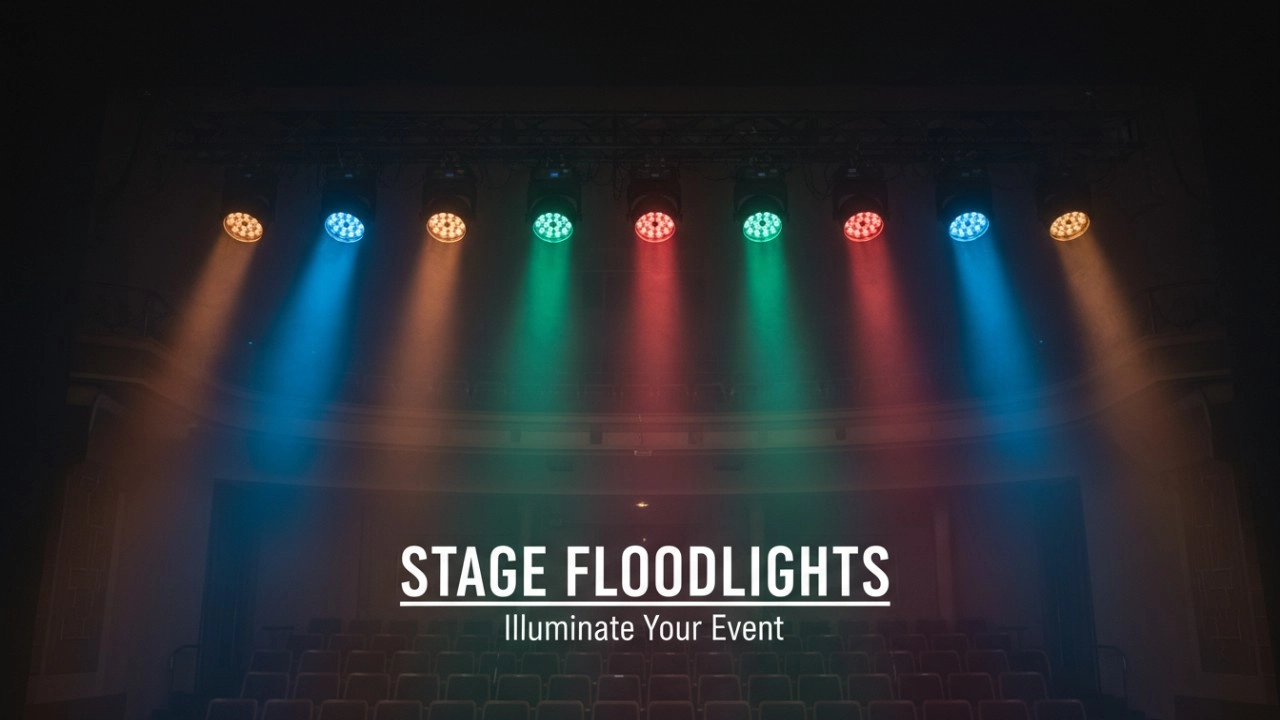
Spotlight vs. Stage Flood Lights: Which One Does Your Production Actually Need?
Spotlight vs. Floodlight vs. Beamlight: A Comparison of Moving Stage Lighting Fixtures
Mastering the Flash: 7 Advanced Strobe DJ Light Techniques for Pro Entertainers
Company
Can LiteLEES handle OEM/ODM orders?
Absolutely. With our strong R&D capabilities and advanced manufacturing, we can customize designs, features, and branding to meet your specific needs.
Do you have your own factory?
Yes. We own a sheet metal factory and a complete in-house production line—from PCB to final assembly—ensuring strict quality control and fast delivery.
Where is LiteLEES located?
Our headquarters and manufacturing facility are located in Guangzhou, China, with products exported to over 70 countries worldwide.
Products
Can I customize the functions or software of the lights?
Absolutely. As a manufacturer with independent R&D capabilities, we offer customization for both hardware and software (such as DMX channel layout, built-in programs, or UI language). Contact us with your project needs, and our team will provide tailored solutions.
What is the lifespan of your LED stage lights?
Our LED lights use high-quality chips with a rated lifespan of over 50,000 hours. Proper usage and maintenance ensure long-term reliability and stable performance, making them a smart investment for any venue.
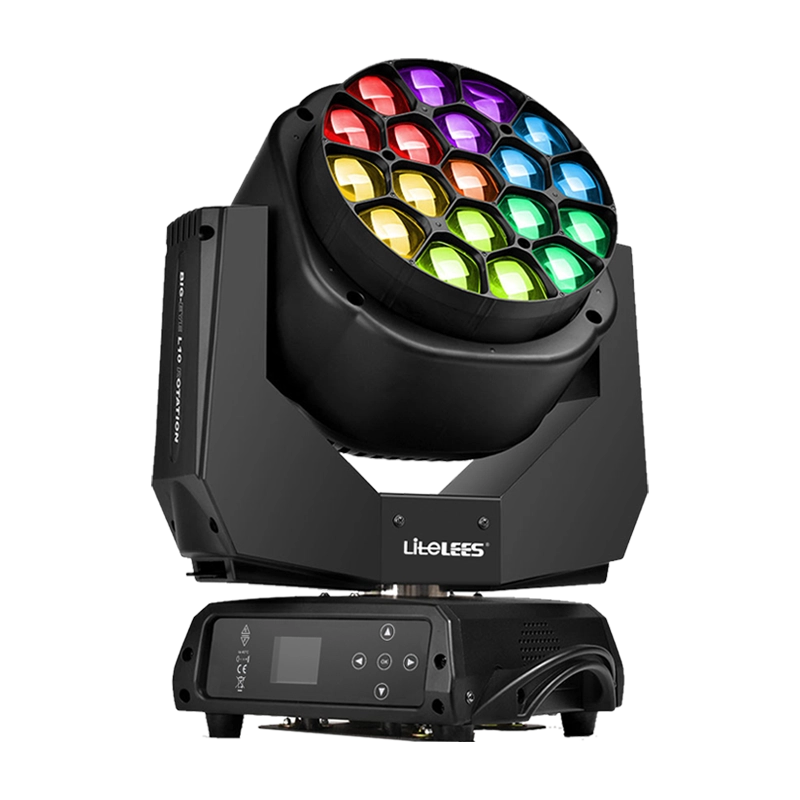

Stormy Shake Blinder IP
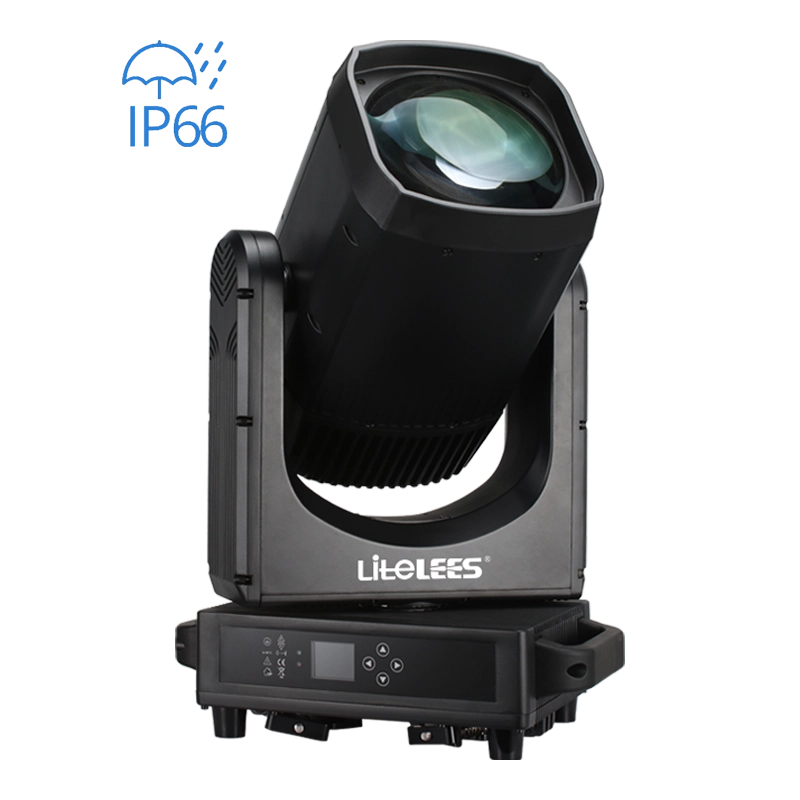
LiteLEES LUMIX BEAM 420 IP
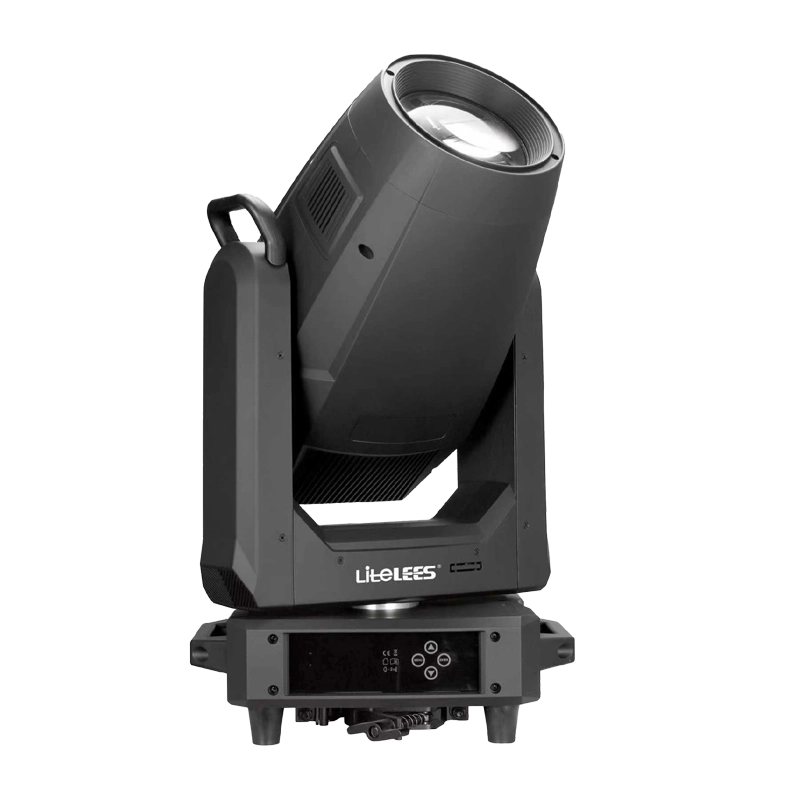
LP Profile 900
Want to get more up-to-date information?
If you have any comments or good suggestions, please leave us a message; later our professional staff will contact you as soon as possible.

We are professional stage lighting manufacturers offering OEM and ODM LED stage lights.
Contact
Email us
Call us
Address
No.6 Longnan Road, Huashan Town, Huadu District Guangzhou, Guangdong Province, China.
LiteLEES Professional
Less Lighting