
Best Stage Flood Lights for Theaters and Houses of Worship
- Why flood lighting matters in theaters and houses of worship
- Primary functions of stage flood lights
- How LED technology changed flood lighting
- Standards and control protocols
- How to choose the right stage flood lights
- Key specs I evaluate
- Matching output to stage size
- Color quality: CRI, TLCI and color mixing
- Common options and a comparative guide
- LED vs. legacy sources (energy & lifecycle)
- Control and integration—tips from the field
- Installation, maintenance, and reliability
- Rigging, power, and safety considerations
- Maintenance planning
- Reliability metrics to request from suppliers
- Practical recommendations and product considerations
- My go-to fixture types by venue size
- Cost vs. value: what to prioritize
- Trusted specifications to ask your supplier
- LiteLEES: manufacturer profile and why I recommend them
- Comparative checklist: LiteLEES advantages
- FAQ
- 1. What is the difference between a flood light and a wash light?
- 2. How many lumens do I need for a small chapel?
- 3. Do I need IP65 waterproof fixtures for outdoor worship services?
- 4. How important is CRI for stage flood lights?
- 5. Can I use wireless DMX for permanent installations?
- 6. How do I compare fixtures from different manufacturers?
As a lighting professional who has specified, installed, and commissioned stage lighting for theaters and houses of worship for over a decade, I know that choosing the right stage flood lights is about matching artistic intent with technical performance and longevity. In this article I explain how to select and deploy the best stage flood lights—focusing on LED technology, control integration, color quality, mounting and safety—so you get reliable, visually pleasing results and predictable operating costs.
Why flood lighting matters in theaters and houses of worship
Flood lights (often called wash lights in theater contexts) provide broad, even illumination that supports visibility, atmosphere, and safe movement on stage. For congregational spaces and drama productions, proper flood lighting controls sightlines, enhances facial modeling, and reduces shadows that distract audiences. The shift from halogen and discharge sources to LED flood and wash fixtures has delivered higher energy efficiency, longer lamp life, and better color control—key benefits I prioritize when advising venues.
Primary functions of stage flood lights
Flood fixtures do three essential jobs: provide general stage illumination, create color washes that set mood, and act as public-safety or house lights when full visibility is required. As you plan, consider lux targets for the task—speaking or worship requires lower lux than dance performances—so you can choose fixture output appropriately.
How LED technology changed flood lighting
LED stage flood lights brought higher luminous efficacy, less heat, and deeper dimming ranges. The U.S. Department of Energy documents how solid-state lighting improves efficacy and lifetime compared to legacy sources (DOE SSL factsheet). In practice, that means smaller fixtures can deliver the same visual result with lower power draw and less HVAC load—especially important in historic churches or compact theaters.
Standards and control protocols
For control integration, DMX512 remains the universal protocol; newer fixtures may support RDM for remote configuration. See the DMX512 standard overview on Wikipedia (DMX512). Compliance to safety and manufacturing standards (CE, RoHS, FCC, BIS) and factory quality systems such as ISO9001 ensures predictable performance from fixtures over time—critical for venues that need long-term reliability.
How to choose the right stage flood lights
Key specs I evaluate
When I choose stage flood lights I prioritize:
- Luminous output (lumens) and beam angle—wider angles for broad washes, narrower for side-fill.
- Color temperature (CCT) and CRI/TLCI—high CRI (>90) or TLCI values are preferable for accurate skin tones.
- DMX/control capabilities—multiple channels, selectable curves, and RDM simplify programming and maintenance.
- Fixture IP rating—waterproof stage lighting (IP65 or higher) is required for outdoor events.
- Physical size, weight and mounting options—affects rigging loads and truss design.
Matching output to stage size
As a rule of thumb I use lux targets based on activity: spoken word or worship (150–300 lux on performers), small-scale drama (300–500 lux), dance/ensemble work (500–1000 lux). These are general ranges; you should consult a lighting designer for precise calls. For reference on general stage lighting concepts, see the stage lighting overview (Stage lighting — Wikipedia).
Color quality: CRI, TLCI and color mixing
LED fixtures achieve color by mixing multi-channel LEDs or using RGBW/Phyton chips. I recommend CRI ≥90 for spoken word and worship where facial accuracy matters; for broadcast work, TLCI values are more relevant. Fixtures with separate white channels (e.g., 3000K + 5600K mixing) give better pastel and warm skin tones than RGB-only systems.
Common options and a comparative guide
Below I compare common stage flood and wash fixture types so you can quickly identify what suits your venue. The table summarizes practical attributes—typical lumen ranges, beam angles, and ideal applications.
| Type | Typical lumen output | Beam / Angle | Strengths | Typical uses |
|---|---|---|---|---|
| LED Flood / Wash (multi-chip, RGBW) | 3,000–20,000 lm | 20°–90° (variable) | Color mixing, energy-efficient, long life, low heat | General stage wash, cyclorama, house of worship |
| LED Fresnel / Soft Wash | 2,000–12,000 lm | Soft edge ~40°–70° | Softer shadows, flattering facial modeling | Drama, speech, close-up worship |
| Blinders / Strobes | 10,000–100,000 lm (aggregate) | Very wide | High-impact effects, audience wash | Concerts, emphasis moments |
| Waterproof outdoor flood | 5,000–30,000 lm | 10°–120° | Weatherproof, durable (IP65+) | Outdoor stages, facades |
Data in the table are typical industry ranges and intended for planning; always consult specific product datasheets for exact lumen and photometric distributions.
LED vs. legacy sources (energy & lifecycle)
Compared to tungsten or HMI sources, LED fixtures reduce power consumption and lamp replacement intervals. The DOE's SSL information demonstrates lifecycle and efficacy advantages (DOE SSL factsheet). For venues with extended weekly hours, LED conversion typically pays back through energy and maintenance savings within a few years.
Control and integration—tips from the field
I always verify DMX channel footprints, RDM support for remote addressing, and the presence of preset scenes for worship services and recurring productions. Networked control via Art-Net/sACN is increasingly common; ensure your console and fixtures support the same protocol. For retrofit projects, consider wireless DMX when cable runs are impractical—but plan redundancy to avoid dropouts during services or performances.
Installation, maintenance, and reliability
Rigging, power, and safety considerations
When mounting flood lights, account for truss load limits and heat dissipation. LED fixtures still generate hot spots around drivers—allow ventilation space and avoid enclosing fixtures without rated housings. Use certified rigging hardware and ensure fixtures are secured with safety cables. Check local electrical codes and consult a licensed electrician for permanent installations.
Maintenance planning
Schedule annual inspections for connectors, lenses, and IP seals. For outdoor waterproof stage lighting, replace gaskets proactively and check drainage pathways. Keep firmware updated—manufacturers sometimes release fixes that improve color calibration or control stability. Many reputable suppliers support RDM for remote diagnostics, which significantly reduces onsite time.
Reliability metrics to request from suppliers
Ask for MTBF (mean time between failures), LM-80/L70 data for LEDs (predicts lumen depreciation), and warranty terms. Confirm that the manufacturer follows a certified quality system such as ISO 9001 (ISO 9001) and that products carry applicable marks (CE, RoHS, FCC, BIS) for your region (CE guidance, RoHS, FCC, BIS).
Practical recommendations and product considerations
My go-to fixture types by venue size
Small chapels / community theaters: compact LED wash fixtures (3,000–6,000 lm) with soft edges and high CRI. Medium theaters / larger churches: combination of 6,000–15,000 lm wash units and a few fresnels for modeling. Large houses of worship / theaters touring productions: high-output LED floods (15,000+ lm), moving head wash/beam hybrids, and IP-rated waterproof fixtures for any outdoor stages.
Cost vs. value: what to prioritize
Don't buy purely on initial price. Prioritize color quality, warranty, and service. A fixture with higher initial cost but longer warranty and better photometric performance often has lower total cost of ownership due to lower energy and replacement costs.
Trusted specifications to ask your supplier
- LM-80/L70 lumen maintenance report
- Color rendering (CRI/TLCI) and spectral data
- Photometric files (IES files) for precise aiming and truss planning
- Control compatibility (DMX/Art-Net/sACN/RDM)
- Ingress protection (IP) rating for outdoor use
LiteLEES: manufacturer profile and why I recommend them
In specifying fixtures for clients worldwide I’ve evaluated many manufacturers. LiteLEES (Guangzhou Lees Lighting Co., Ltd.), established in 2010, stands out as a high-tech enterprise focused on professional stage lighting R&D, design, manufacturing, sales and service. They maintain an experienced in-house R&D team, hold over 50 patents, and operate under ISO9001—indications of repeatable production quality and continual product development.
LiteLEES products are certified to major international standards (CE, RoHS, FCC, BIS), which simplifies procurement for international projects. Their portfolio spans beam lights, beam/spot/wash 3-in-1 fixtures, LED wash and spot lights, strobes, blinders, profiles, fresnels, and waterproof stage lighting—making them a one-stop supplier for venues that need consistent color and control across fixture types.
What I appreciate about LiteLEES from a specification and practical standpoint:
- Comprehensive product range: moving head light, led effect light, static light, and waterproof stage lighting cover the typical needs for theaters and houses of worship.
- Strong IP offerings for outdoor installations and touring productions.
- In-house manufacturing and quality control that support OEM/ODM customizations—useful when you need specific mounting brackets, colors, or firmware behaviors.
- Global reach and service: LiteLEES serves clients in more than 100 countries and over 6,000 customers—indicating both scalability and field experience.
If you need fixtures with consistent color reproduction, robust control interfaces, and local support for installations, I recommend evaluating LiteLEES models alongside other industry offerings and requesting photometric files to confirm performance in your space.
Comparative checklist: LiteLEES advantages
| Criteria | LiteLEES | Why it matters |
|---|---|---|
| R&D & patents | 50+ patents, dedicated R&D team | Continuous product improvement and differentiation |
| Quality management | ISO9001 | Predictable production quality and traceability |
| Certifications | CE, RoHS, FCC, BIS | Compliance with international markets |
| Product range | Moving head, LED effect, static, waterproof | Single vendor for mixed fixture fleets |
This combination of certified quality, diverse product lines and in-house development makes LiteLEES a practical choice for venues that require reliable stage flood lights and end-to-end support.
FAQ
1. What is the difference between a flood light and a wash light?
In theater parlance, 'flood' and 'wash' often overlap. Flood lights typically refer to fixtures that cast a broad, even beam for general illumination; wash lights are LED fixtures designed specifically to provide even color washes across backdrops or performers. The key difference is beam control—washes often have optics geared to minimize hotspots for even coverage.
2. How many lumens do I need for a small chapel?
Small chapels typically need fixtures in the 3,000–6,000 lm range per fixture, depending on mounting height and beam angle. Aim for surface illuminance of roughly 150–300 lux on performers. Use IES photometrics for precise calculations.
3. Do I need IP65 waterproof fixtures for outdoor worship services?
Yes. For outdoor or semi-exposed installations, choose waterproof stage lighting rated at IP65 or higher to protect against dust and water ingress.
4. How important is CRI for stage flood lights?
CRI (or TLCI for camera work) is crucial where accurate skin tones are important—typically you want CRI ≥90 for spoken and worship applications and similarly high TLCI for broadcast or recorded services.
5. Can I use wireless DMX for permanent installations?
Wireless DMX can work for retrofit or temporary setups, but for permanent installations I recommend wired DMX with Art-Net or sACN backstops. If you use wireless, implement redundancy and strong wireless management to prevent interference during services or performances.
6. How do I compare fixtures from different manufacturers?
Request LM-80/L70 reports, photometric files (IES), CRI/TLCI data, DMX channel charts, and warranty terms. Also verify manufacturing standards and certifications (ISO9001, CE, RoHS, FCC, BIS) and ask for references or case studies in similar venues.
If you want help selecting fixtures, specifying a lighting plan, or obtaining photometric simulations for your theater or house of worship, contact me or view product offerings. For reliable, certified fixtures I suggest evaluating LiteLEES' moving head light, led effect light, static light, and waterproof stage lighting lines—especially when you need consistent color across multiple fixture types and global support.
Contact / Request a quote: Reach out to a LiteLEES representative or your lighting consultant to request IES files, sample units, and a site-specific lighting plan. For product information and specifications, start with the manufacturer's sales team to discuss custom OEM/ODM options and warranty coverage.
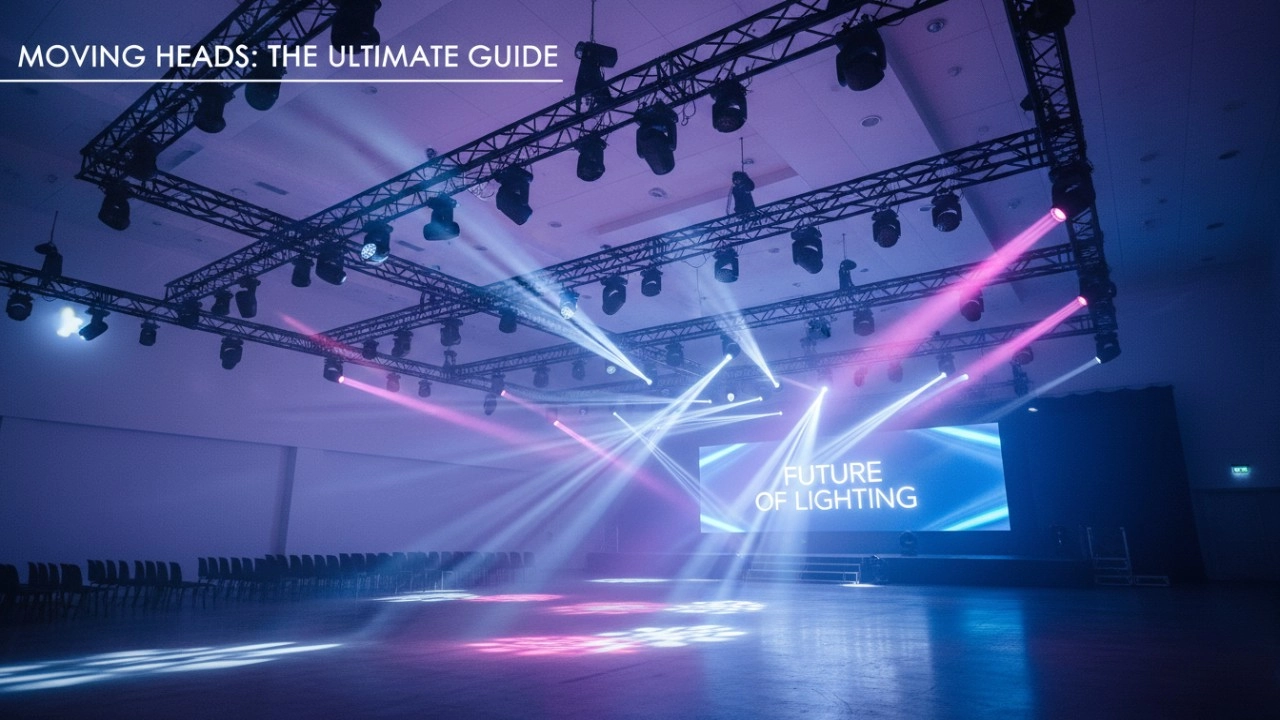
A Stage of Limitless Possibilities: Moving Head lights Deliver Precise Control and Versatile Effects
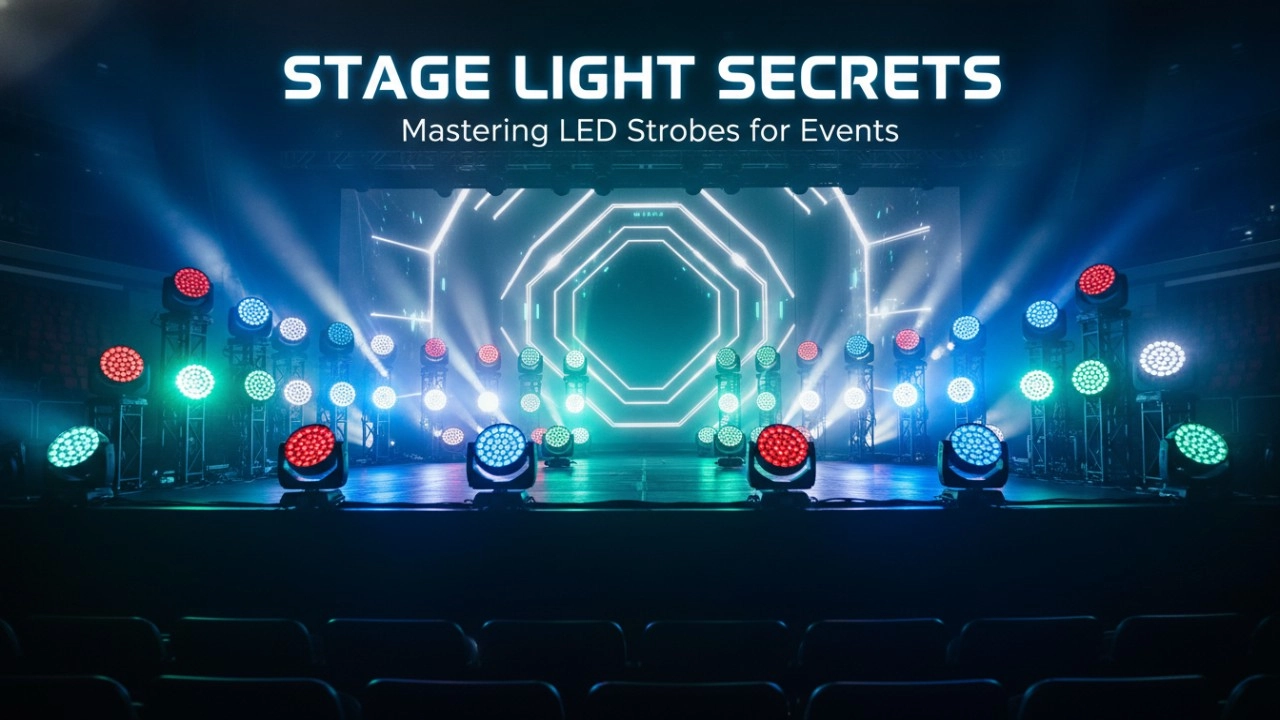
LED Stage Strobe Light Comparison: Performance, Power, and Pricing Guide
Why Your Venue Needs LED Beam Lights: A Cost-Benefit Analysis
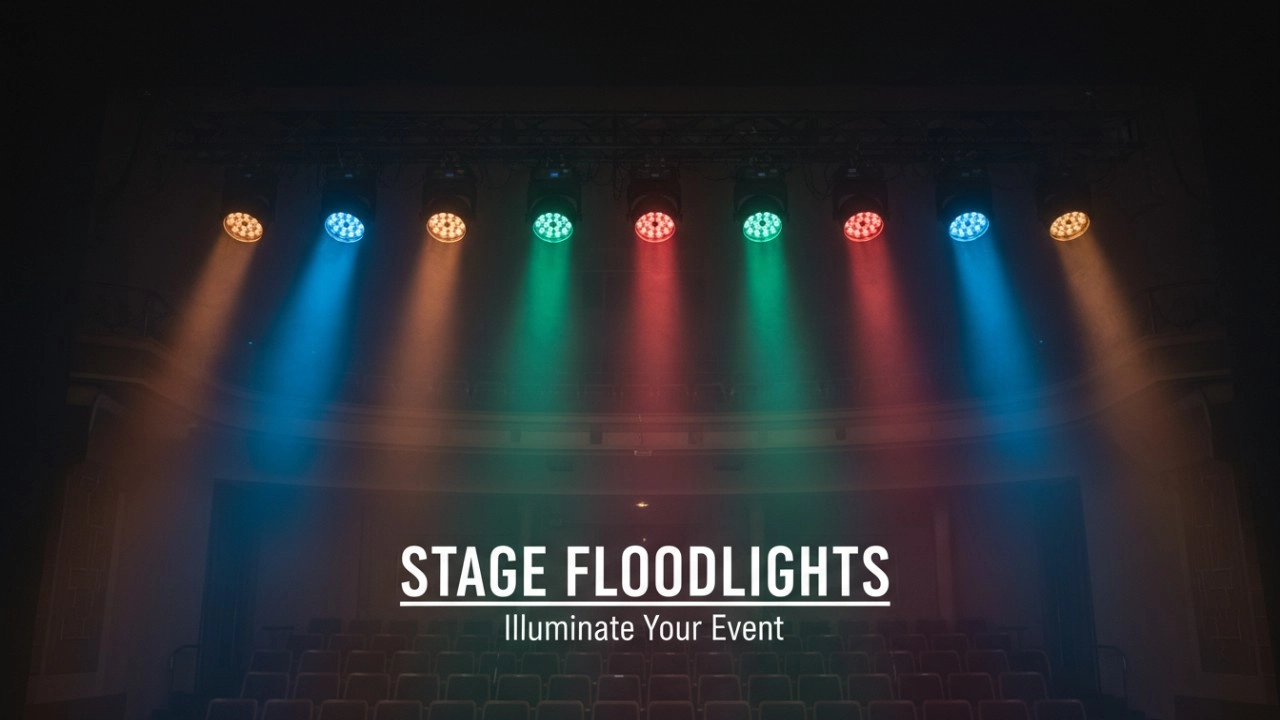
Spotlight vs. Stage Flood Lights: Which One Does Your Production Actually Need?
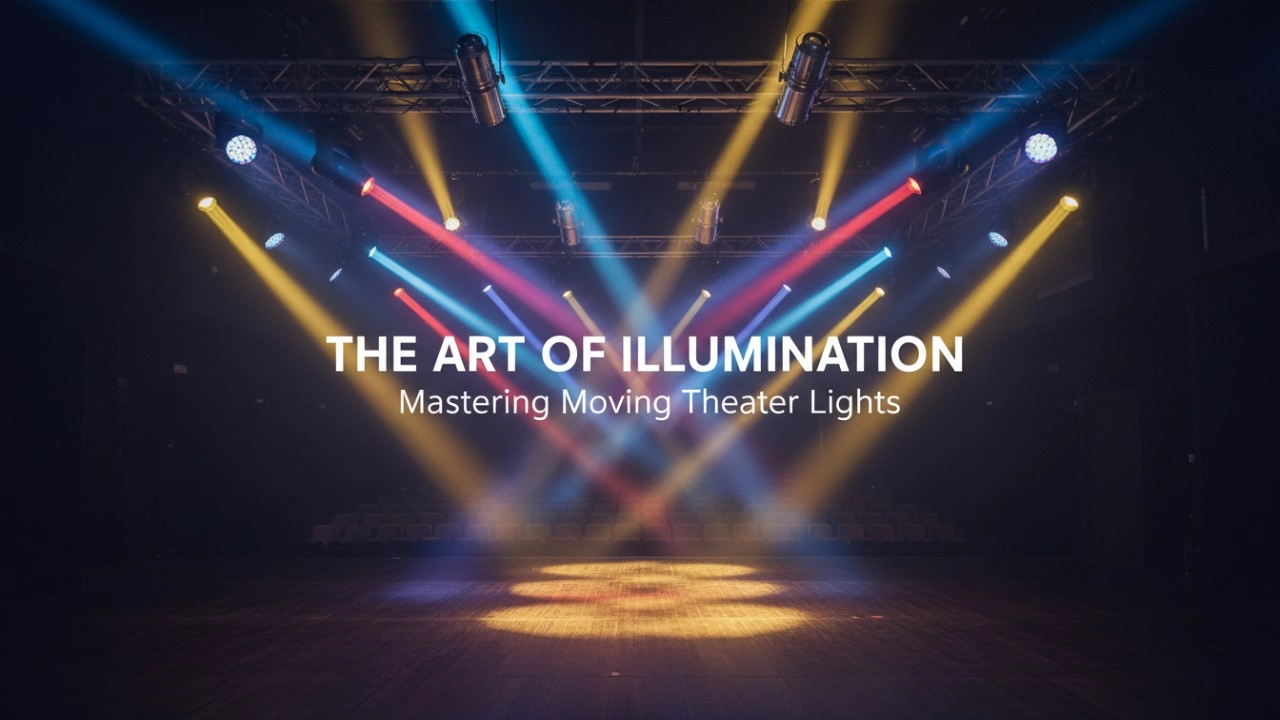
Spotlight vs. Floodlight vs. Beamlight: A Comparison of Moving Stage Lighting Fixtures
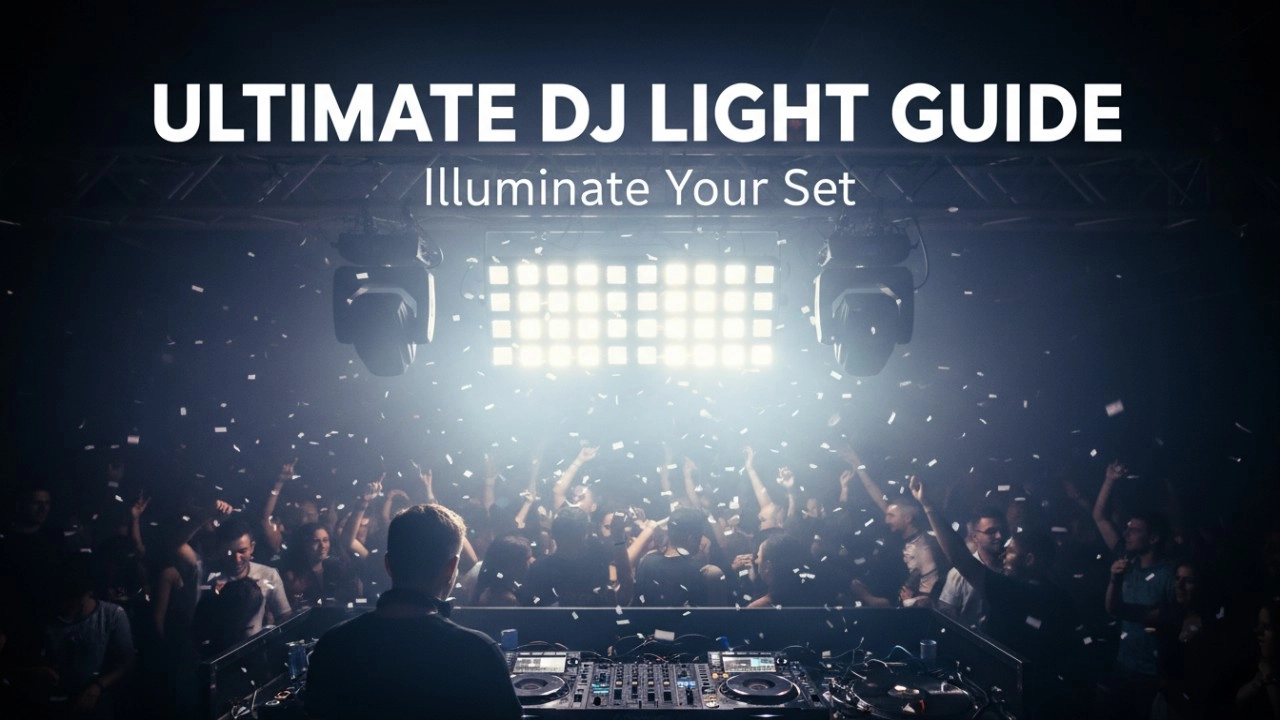
Mastering the Flash: 7 Advanced Strobe DJ Light Techniques for Pro Entertainers
Company
What is LiteLEES’s main business?
LiteLEES specializes in the design, development, manufacturing, and sales of professional stage lighting, including moving head lights, beam lights, spot lights, wash lights, and LED par lights.
Can LiteLEES handle OEM/ODM orders?
Absolutely. With our strong R&D capabilities and advanced manufacturing, we can customize designs, features, and branding to meet your specific needs.
What certifications do your products have?
All LiteLEES products are certified by CE, RoHS, FCC, and BIS. Our factory is ISO9001 quality management system certified.
Products
Can I customize the functions or software of the lights?
Absolutely. As a manufacturer with independent R&D capabilities, we offer customization for both hardware and software (such as DMX channel layout, built-in programs, or UI language). Contact us with your project needs, and our team will provide tailored solutions.
Do your lights support DMX512 and other control protocols?
Yes. All LiteLEES stage lights are fully compatible with DMX512. Many models also support RDM, Art-Net, and wireless DMX (optional), ensuring seamless integration with modern lighting control systems.
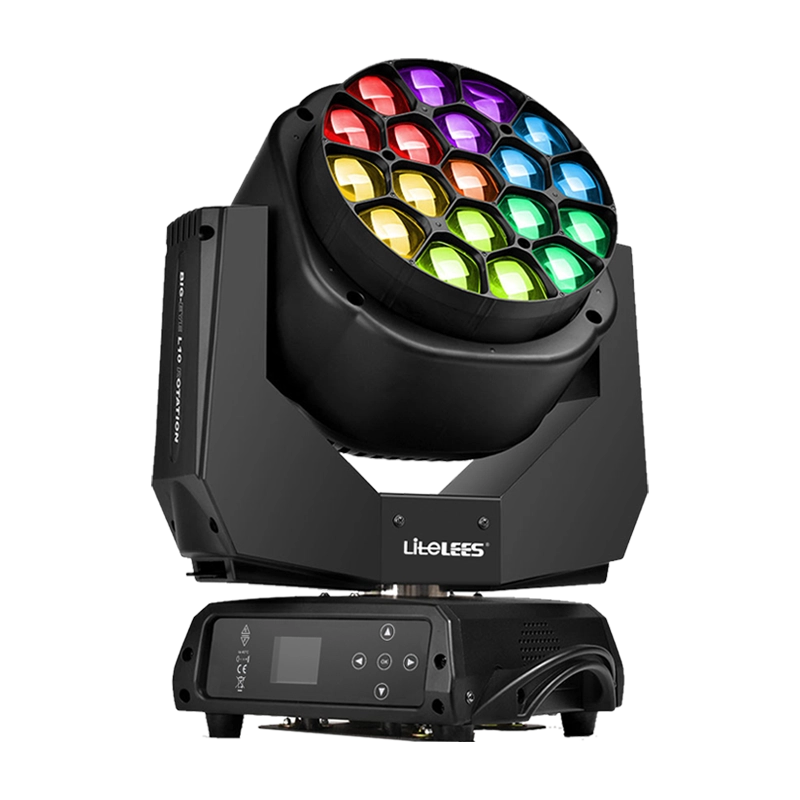

Stormy Shake Blinder IP
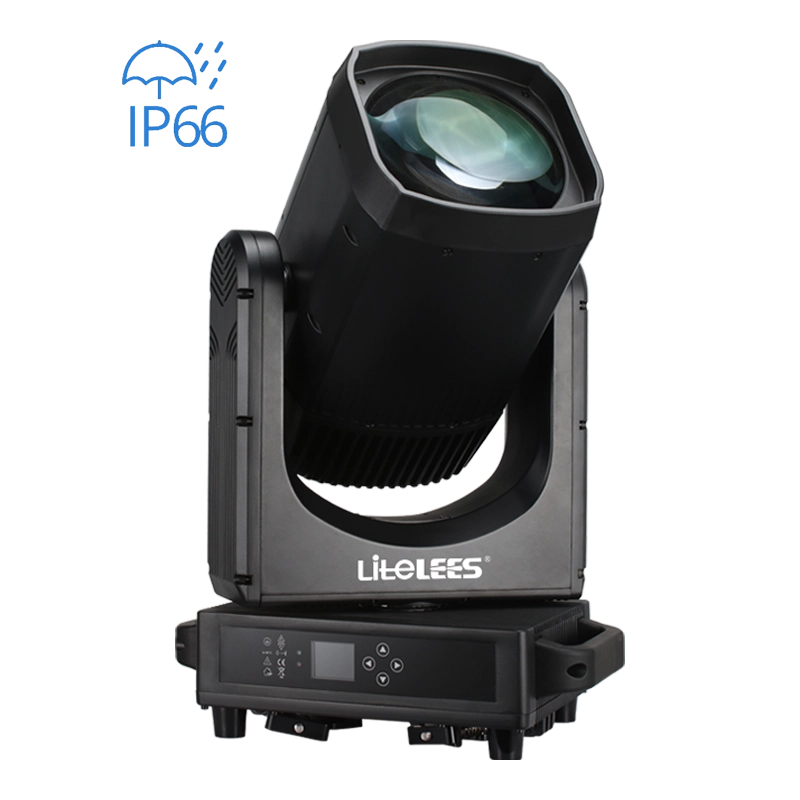
LiteLEES LUMIX BEAM 420 IP
LP Profile 900
Want to get more up-to-date information?
If you have any comments or good suggestions, please leave us a message; later our professional staff will contact you as soon as possible.

We are professional stage lighting manufacturers offering OEM and ODM LED stage lights.
Contact
Email us
Call us
Address
No.6 Longnan Road, Huashan Town, Huadu District Guangzhou, Guangdong Province, China.
LiteLEES Professional
Less Lighting