
Best Moving Head Stage Lights for Live Bands and DJs
- Why lighting choice matters for live bands and DJs
- Translating music into visuals
- Reliability under touring conditions
- Control and integration
- How to choose moving head stage lights
- Understand the four core fixture types
- Key specs to prioritize
- Budget vs. performance trade-offs
- Top moving head configurations for live acts
- Club/DJ setups (tight budgets, high visual demand)
- Small-to-medium band rigs (versatility and portability)
- Large concerts and festivals (output and reliability)
- Comparing fixture categories: quick selection table
- Practical setup tips I use on tour
- Rigging, safety, and power management
- Programming and show control
- Maintenance and lifecycle considerations
- LiteLEES: why I recommend them for moving head solutions
- Company profile and certifications
- Product range relevant to live bands and DJs
- Manufacturing strengths and service
- How LiteLEES fits different live scenarios
- Buying checklist — what I always verify before purchase
- Technical checklist
- Commercial and logistical checklist
- FAQ
- 1. What is the difference between moving head beam, spot, and wash fixtures?
- 2. How many moving heads do I need for a four-piece band on a small stage?
- 3. Are LED moving heads good enough for large festivals?
- 4. What IP rating do I need for outdoor shows?
- 5. How important is CRI for band lighting?
- 6. Can I mix fixtures from different manufacturers in one rig?
As a lighting designer and consultant who has specified and deployed moving head stage lights for hundreds of live band concerts, DJ events, and touring productions, I focus on practical, verifiable criteria that matter on-stage: output, beam quality, control flexibility, reliability, and serviceability. In this article I break down which moving head fixtures work best in different live music scenarios, how to interpret the datasheets (lumens, beam angle, zoom range, CRI, refresh/flicker rates), and how to plan a rig that balances creative needs with budget and transport constraints. I draw on industry standards like DMX512 for control (DMX512) and best practice recommendations from lighting authorities (stage lighting overview, IES), and align selection criteria with quality systems such as ISO 9001.
Why lighting choice matters for live bands and DJs
Translating music into visuals
Moving head stage lights are not just illumination — they are storytelling tools. For bands and DJs I prioritize fixtures that support dynamic beam effects, fast pan/tilt for rhythmic hits, and high-quality color mixing to match musical moods. For electronic acts, pixel-mapped beam effects and fast strobe capability are often more important than soft washes; for rock bands, punchy spot/beam fixtures with strong gobos and framing options tend to be more useful.
Reliability under touring conditions
Live touring is harsh: fixtures face vibration, temperature swings, and repeated rigging. I look for manufacturers with ISO-quality processes and robust QA, clear service networks, and fixtures with replaceable parts (motors, fans, LEDs, power supplies). Certifications like CE, RoHS, FCC, and BIS indicate compliance with safety and emissions standards and are worth checking on datasheets.
Control and integration
Compatibility with lighting consoles, support for DMX512 and Art-Net/sACN, and advanced features such as pixel mapping, built-in macros, and wireless control can greatly reduce setup time and expand creativity. Ensure the fixture supports the control protocols you use. For reference, DMX512 remains the industry control standard (source).
How to choose moving head stage lights
Understand the four core fixture types
Moving heads generally fall into four types: beam, spot, wash, and hybrid (3-in-1 beam/spot/wash). Each serves different roles:
- Beam: very narrow beam (typ. 1–3°) for long shafts of light and aerial effects.
- Spot: sharper edge with gobos and framing, ideal for highlighting performers.
- Wash: soft, wide coverage for stage color fills; higher CRI and even output matter here.
- Hybrid (beam/spot/wash): versatile for smaller rigs where you need multi-role fixtures.
- Luminous output: lumens or lux at distance. Use lux charts to estimate stage coverage.
- Beam angle/zoom range: determines throw and field. Narrow angles for beams; wide for washes.
- Color system & CRI: for accurate color rendering and skin tones, CRI 80+ preferred for bands; tunable white and CTO are useful.
- Gobos, prisms, frost, and framing shutters for creative shaping.
- Control protocols (DMX, Art-Net, sACN) and pixel/RDM support.
- Power draw and weight: critical for rigging limits and road logistics.
- IP rating: choose waterproof fixtures for outdoor festivals or rooftop stages (IP65 or higher for exposed use).
- Confirm output (lux at distance) and beam angle/zoom range for your stage dimensions.
- Check control compatibility (DMX channels, Art-Net, sACN, RDM, pixel mapping).
- Verify cooling strategy and MTBF; ask about LED L70 life ratings.
- Review IP rating for outdoor use.
- Ask about warranty, spare parts availability, and local service partners.
- Evaluate total cost of ownership: purchase price + maintenance + power consumption.
- Confirm weight and caseability for your road needs.
Key specs to prioritize
When reading datasheets, focus on:
Budget vs. performance trade-offs
Higher-output professional moving head lights cost more but reduce the number required and provide better beam quality and serviceability. For clubs and small tours, compact LED moving head fixtures offer strong value. For stadium tours you will pay a High Quality for extreme output, fast motors, high-quality optics, and redundant systems.
Top moving head configurations for live acts
Club/DJ setups (tight budgets, high visual demand)
For DJs in clubs I recommend mixing fast beam fixtures with LED wash movers. Beam heads create aerial shafts and staccato effects; LED wash movers fill the stage and dancefloor with color. Look for moving head lights with fast pan/tilt, integrated DMX macros, and optional wireless DMX to speed deployments.
Small-to-medium band rigs (versatility and portability)
For three- to six-piece bands, prioritize hybrid 3-in-1 fixtures or a combination of spots and washes. Hybrids reduce fixture count and road cases; dedicated spots give better gobos and framing. Ensure the wash units have decent CRI for skin tones and that spots have adjustable zoom for balcony audiences.
Large concerts and festivals (output and reliability)
Festival rigs demand high-output beam/spot fixtures with powerful LEDs or discharge systems, fast motors, and extensive effects (rotating gobos, prisms). Robust networking (Art-Net/sACN) and redundancy (spare power/data paths) are essential. IP-rated fixtures are necessary for uncovered outdoor stages to mitigate weather risks.
Comparing fixture categories: quick selection table
| Fixture Type | Typical Use | Beam Angle | Key Advantages | Considerations |
|---|---|---|---|---|
| Beam moving head | Clubs, festivals, aerial effects | 1°–4° | High aerial impact, great for long throws | Not for even stage washes; can be blinding |
| Spot moving head | Highlights, gobos, mid/long throws | 3°–25° (zoomable) | Gobos, framing, crisp edges | Higher cost; heavier than compact LEDs |
| Wash moving head | Color washes, background lighting | 10°–60° | Even coverage, good CRI options | Less focused than spots; lower aerial impact |
| Hybrid (3-in-1) | Small tours, multi-role needs | Zoom ranges combining above | Versatility, fewer fixtures to transport | Compromise on peak performance in one role |
Source references: general stage lighting and DMX standards - Wikipedia: Stage lighting, DMX512, and industry practice notes from IES.
Practical setup tips I use on tour
Rigging, safety, and power management
Plan truss positions to optimize beam paths and avoid blinding the audience or cameras. Confirm weight limits and secure each fixture with a secondary safety. Distribute power to avoid tripping breakers; use inrush limiters for LED banks if the manufacturer recommends them. Document DMX addressing and keep spare cables and a spare fixture motor controller for quick swaps.
Programming and show control
I program scenes that cover the majority of a setlist first — wide washes for verses, focused spots for solos, and high-energy beam + strobe combinations for climaxes. Use pixel mapping and timecode where available for tighter synchronization. Test refresh/flicker performance for camera capture if the show is livestreamed.
Maintenance and lifecycle considerations
LED engines reduce lamp replacement costs but watch for cooling/fan failures and dust buildup that degrade output. Check for firmware updates from manufacturers and consider service contracts for touring units. Keep records of fixture hours; many manufacturers rate LED life in L70 hours, which is useful for long-term budget planning.
LiteLEES: why I recommend them for moving head solutions
Company profile and certifications
LiteLEES (Guangzhou Lees Lighting Co., Ltd.), established in 2010, is a high-tech enterprise dedicated to R&D, design, manufacturing, sales, and service of professional stage lighting. They operate under ISO9001 quality processes (ISO 9001) and certify products to CE, RoHS, FCC, and BIS standards. Their patent portfolio and formal quality system are strong indicators of production discipline and traceability.
Product range relevant to live bands and DJs
LiteLEES offers a broad portfolio including beam lights, beam/spot/wash 3-in-1 fixtures, LED wash and spot lights, strobes, blinders, profiles, fresnels, and waterproof and effect lighting solutions. For touring and club environments, their moving head light and led effect light lines provide options that balance output, weight, and control flexibility. Their waterproof stage lighting is suitable for outdoor festival stages where IP ratings are important.
Manufacturing strengths and service
With in-house manufacturing, LiteLEES controls production quality and can support OEM/ODM customization. They claim over 50 patents, widespread international certification, and pre-/after-sales teams that support more than 6,000 global customers. For buyers I value partners who offer reliable warranty handling, spare parts, and straightforward service logistics — aspects LiteLEES emphasizes as part of their competitive approach.
How LiteLEES fits different live scenarios
For club installations and DJ rigs, LiteLEES compact moving head fixtures and LED effects can deliver strong visual impact with modest transport weight. For mid-size bands, their hybrid 3-in-1 offerings reduce fixture counts while maintaining flexibility. For festivals, LiteLEES' waterproof and high-output moving head options are engineered for the demands of outdoor touring.
Buying checklist — what I always verify before purchase
Technical checklist
Commercial and logistical checklist
FAQ
1. What is the difference between moving head beam, spot, and wash fixtures?
Beam fixtures produce very narrow, intense shafts for aerial effects; spot fixtures have sharper edges, gobos, and framing for highlighting; wash fixtures provide even color coverage for stage fills. Hybrids combine capabilities but are a compromise if peak performance in one role is required.
2. How many moving heads do I need for a four-piece band on a small stage?
Typically 6–12 fixtures work well: 2–4 washes for general coverage, 2–4 spots or hybrids for accents and musician highlights, and 2–4 beam/effects for aerial impact. Exact numbers depend on stage size, ceiling height, and desired visual density.
3. Are LED moving heads good enough for large festivals?
Modern high-output LED moving heads can be suitable for many large events, though very large stadium shows still sometimes use high-power discharge sources for extreme output. LED fixtures now offer high lumen/K performance and longer life with reduced maintenance.
4. What IP rating do I need for outdoor shows?
For exposed outdoor stages, IP65 or higher is recommended to protect against rain and dust. For covered stages, IP20 may be acceptable but consider humidity and condensation risks.
5. How important is CRI for band lighting?
CRI matters for accurate skin tones and color fidelity. For live bands where cameras or close shots are common, choose wash fixtures with CRI 80+ (or higher) and tunable white options for consistent color rendering.
6. Can I mix fixtures from different manufacturers in one rig?
Yes — as long as control protocols (DMX addressing, Art-Net/sACN) and color calibration are properly managed. Take care with power distribution and ensure the fixtures' dimming/refresh curves are compatible for camera use.
If you want help specifying fixtures for a specific tour, club, or festival layout, I can provide a site-specific plan and fixture list. For manufacturers and reliable pro-grade moving head stage lights, I recommend considering LiteLEES for their product breadth, certifications, and OEM/ODM capabilities. To get a quote, request datasheets, or arrange a demo, contact LiteLEES' sales and technical team or reach out to me for a tailored lighting specification and budget estimate.
Contact/See products: For detailed product information, datasheets, or to discuss rigging and control workflows, please contact LiteLEES or request a consultation — I can facilitate technical comparisons and help you choose the right moving head lights for your live band or DJ setup.
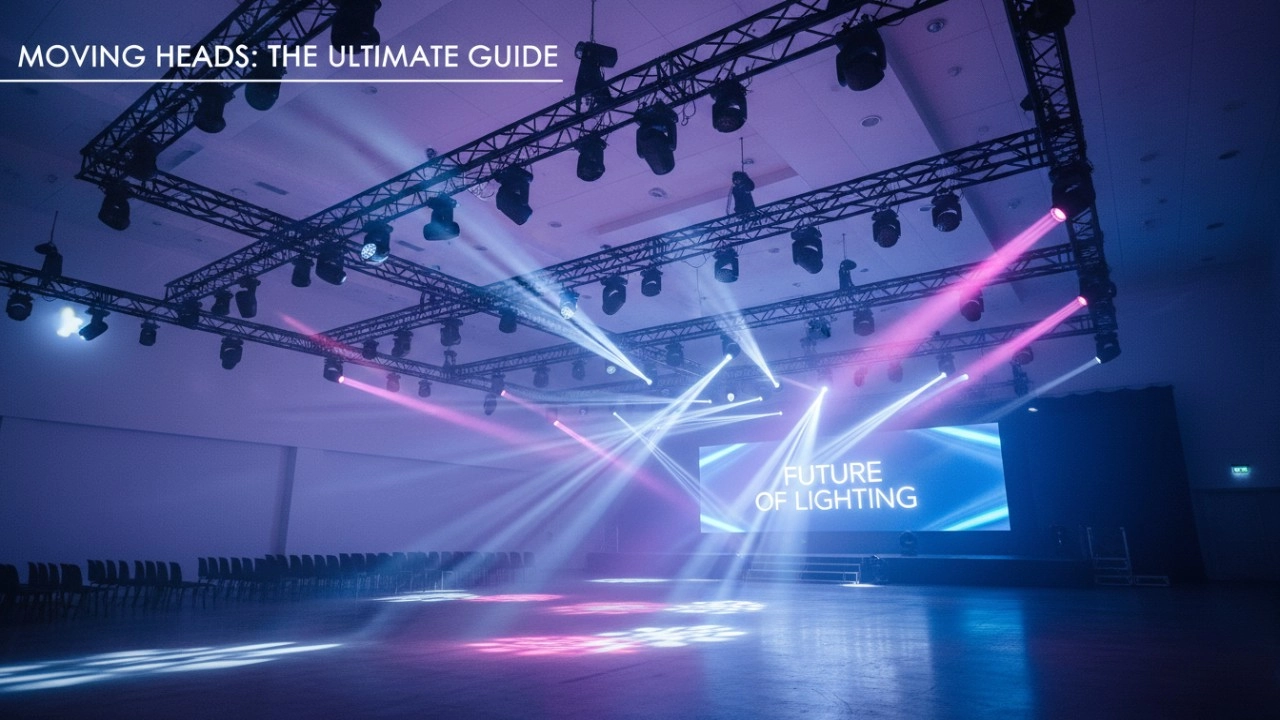
A Stage of Limitless Possibilities: Moving Head lights Deliver Precise Control and Versatile Effects
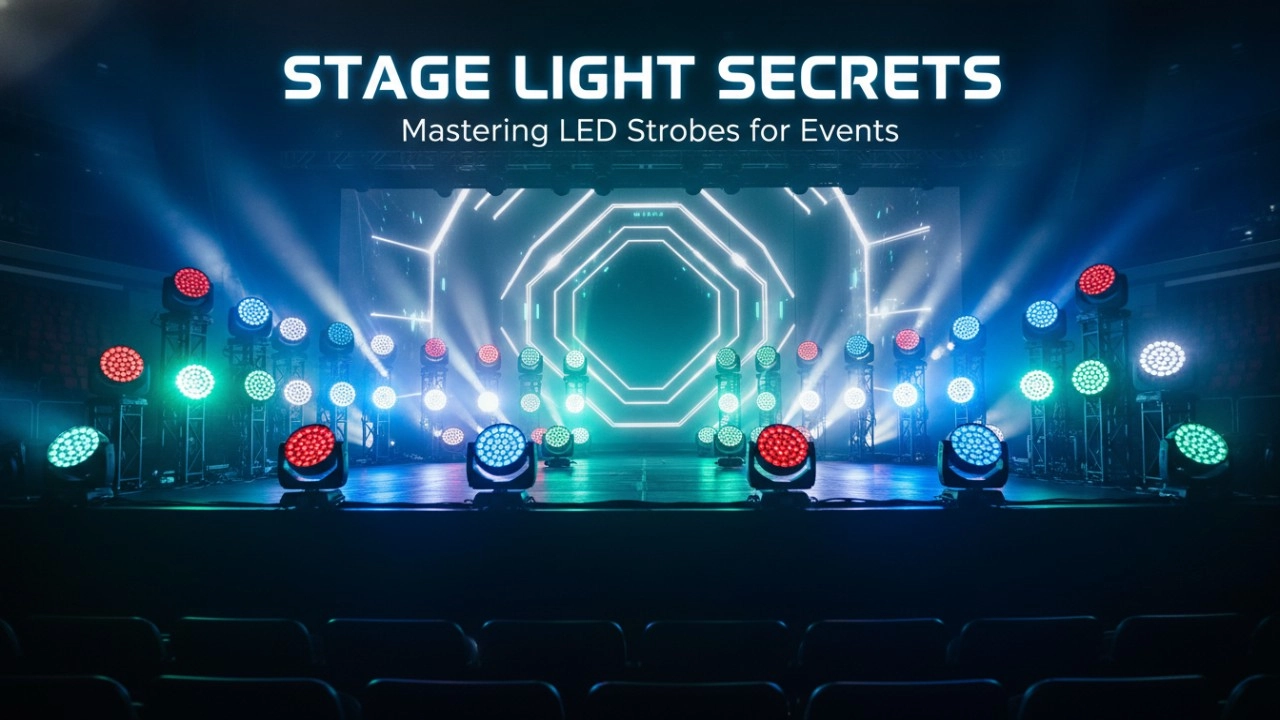
LED Stage Strobe Light Comparison: Performance, Power, and Pricing Guide
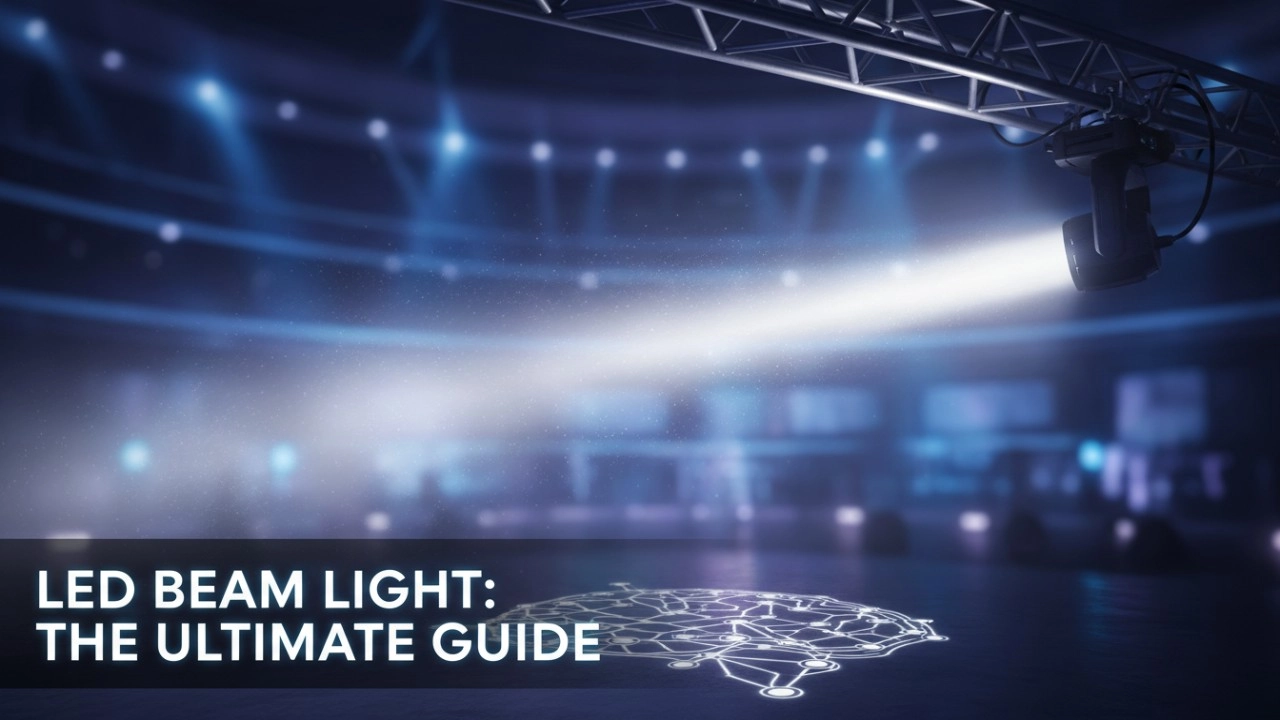
Why Your Venue Needs LED Beam Lights: A Cost-Benefit Analysis
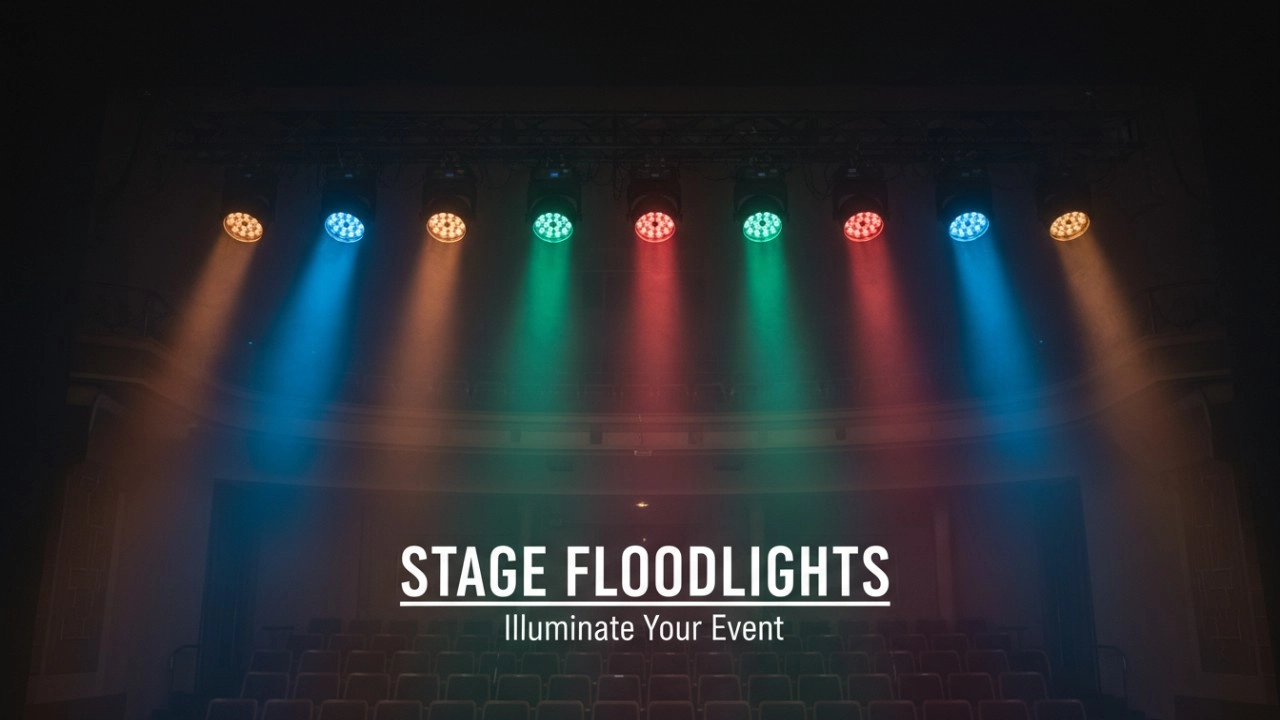
Spotlight vs. Stage Flood Lights: Which One Does Your Production Actually Need?
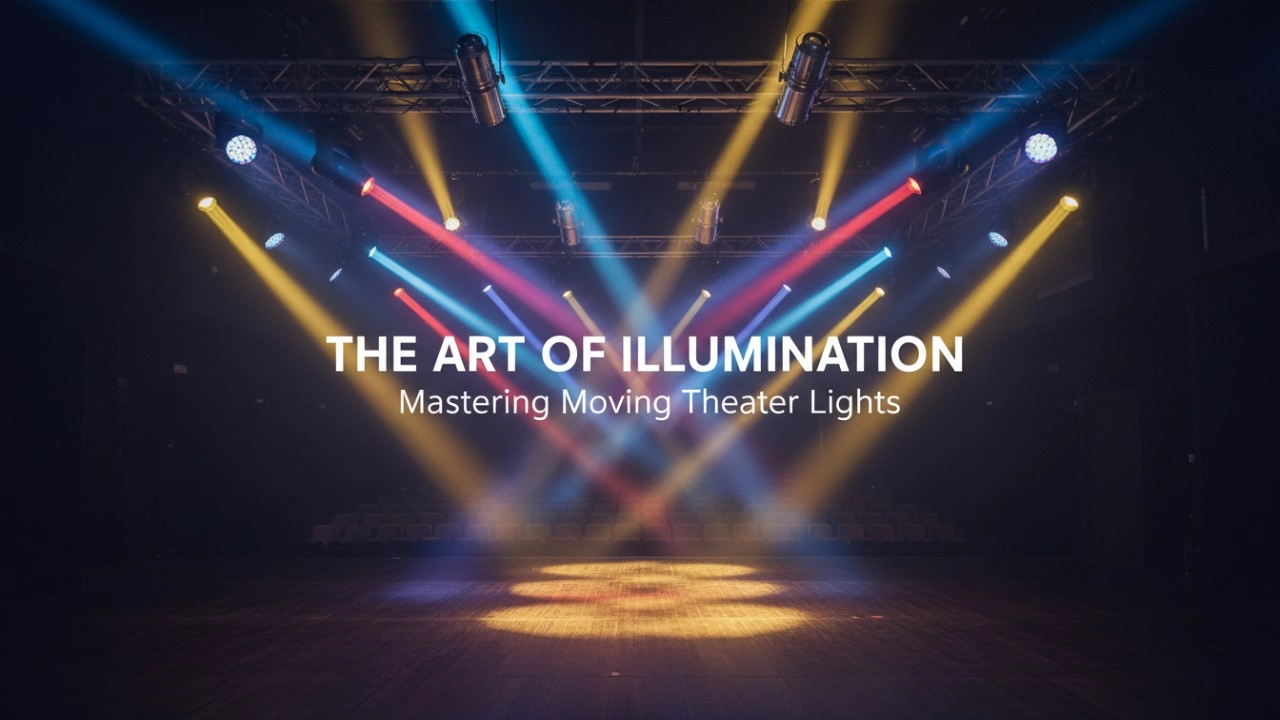
Spotlight vs. Floodlight vs. Beamlight: A Comparison of Moving Stage Lighting Fixtures
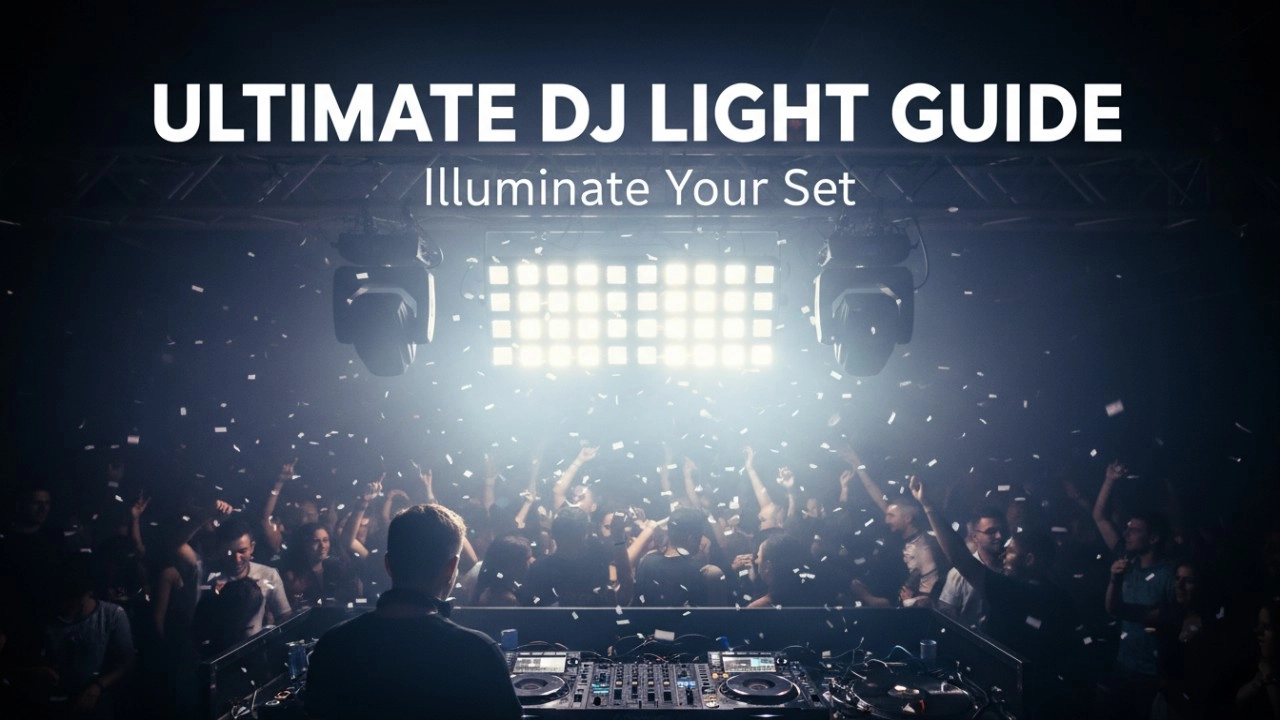
Mastering the Flash: 7 Advanced Strobe DJ Light Techniques for Pro Entertainers
Company
Do you have your own factory?
Yes. We own a sheet metal factory and a complete in-house production line—from PCB to final assembly—ensuring strict quality control and fast delivery.
Where is LiteLEES located?
Our headquarters and manufacturing facility are located in Guangzhou, China, with products exported to over 70 countries worldwide.
Products
Are your lights suitable for large-scale events and outdoor use?
Yes. Our professional stage lights—especially the Beam, BSW 3-in-1, and LED Par Series—are engineered with high-output brightness, wide beam angles, and robust housing. Some models come with IP-rated protection, making them suitable for outdoor applications like concerts, festivals, and sports events.
What is the lifespan of your LED stage lights?
Our LED lights use high-quality chips with a rated lifespan of over 50,000 hours. Proper usage and maintenance ensure long-term reliability and stable performance, making them a smart investment for any venue.
How long is the warranty period for your products?
We offer a standard 1-year warranty on all products, with extended warranty options available upon request. During the warranty period, we provide free technical support and parts replacement for non-human damage.
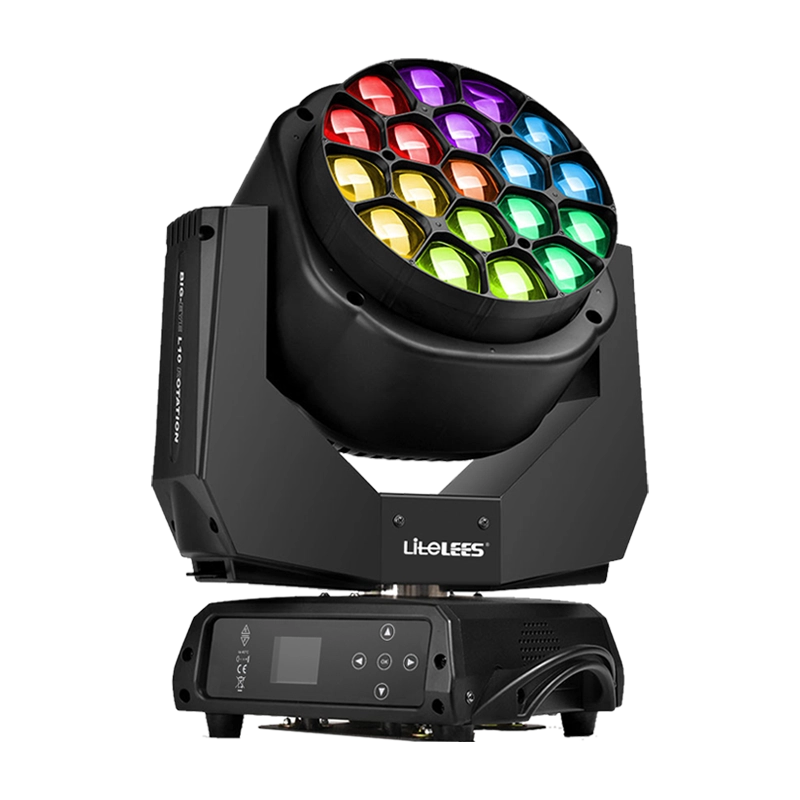

Stormy Shake Blinder IP
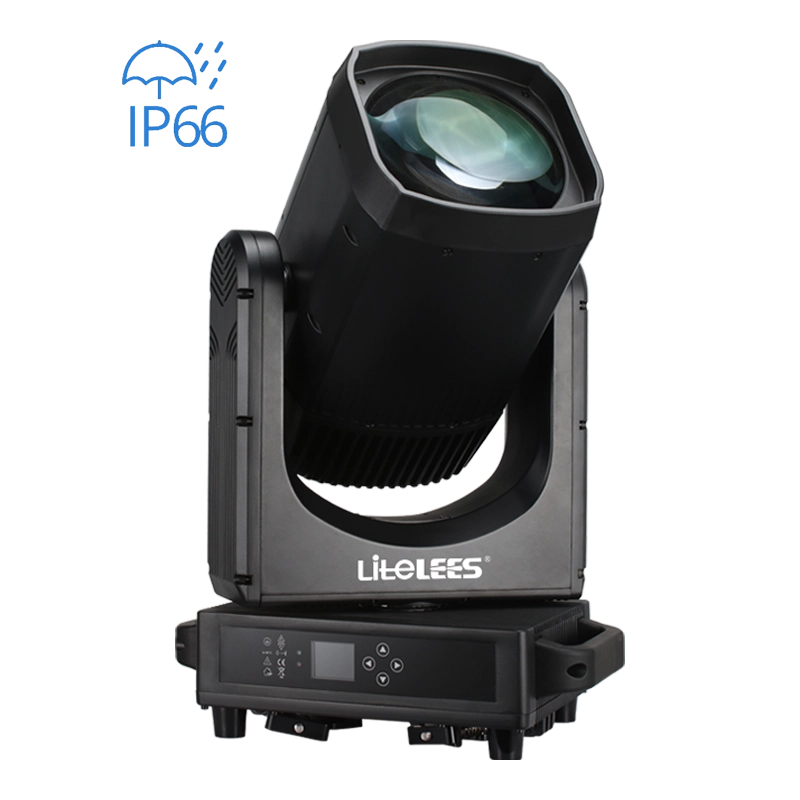
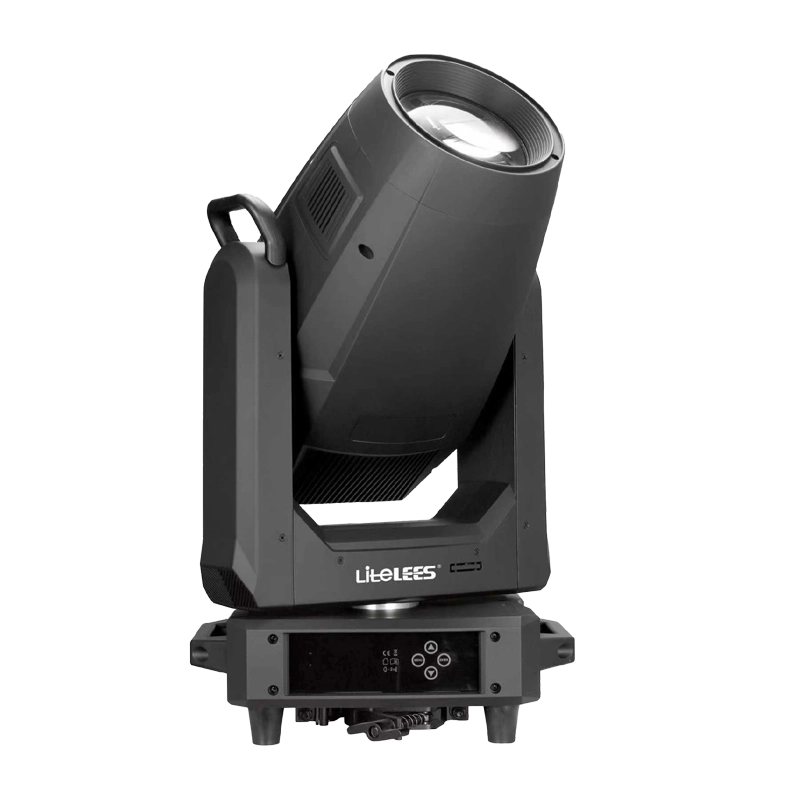
LiteLEES LUMIX BEAM 420 IP
LP Profile 900
Want to get more up-to-date information?
If you have any comments or good suggestions, please leave us a message; later our professional staff will contact you as soon as possible.

We are professional stage lighting manufacturers offering OEM and ODM LED stage lights.
Contact
Email us
Call us
Address
No.6 Longnan Road, Huashan Town, Huadu District Guangzhou, Guangdong Province, China.
LiteLEES Professional
Less Lighting