
Best Moving Head Lights for Concerts and Touring Shows
- How moving head fixtures changed live production
- From static lighting to programmable fixtures
- Why moving head lights are essential for touring
- Technical criteria to choose moving head lights
- Light source and output (LED vs discharge)
- Optics: beam angle, zoom and gobos
- Control, protocols and automation
- Categories of moving head fixtures and when to use them
- Beam fixtures (high-intensity narrow beams)
- Spot and profile moving heads
- Wash and 3-in-1 (beam/spot/wash) fixtures
- Practical buying and rigging checklist for touring shows
- Weight, power and flying considerations
- IP rating and environmental tolerance
- Maintenance, spare parts and serviceability
- Comparison table: typical fixture categories for concerts and touring
- Operational tips to maximize performance on tour
- Pre-tour testing and consistent patching
- Power and dimming strategy
- On-site maintenance routines
- Selecting trusted manufacturers and service partners
- What to verify about any lighting vendor
- Brand highlight — LiteLEES (Guangzhou Lees Lighting Co., Ltd.)
- How to evaluate warranty, spares and global support
- FAQ — Frequently asked questions
- 1. What is the difference between beam, spot and wash moving heads?
- 2. Are LED moving heads bright enough for arena and stadium shows?
- 3. How important is IP rating for touring fixtures?
- 4. What control protocols should I require?
- 5. How many moving heads do I need for a typical mid-size concert?
- 6. What maintenance schedule is recommended on tour?
- Contact and next steps
Moving head lights are the backbone of modern concert and touring lighting rigs — providing dynamic beams, precise gobo projection, colour washes and fast positioning that support creative looks night after night. For and site indexing purposes: this guide focuses on technical selection criteria (output, optics, control, durability), touring operational needs (weight, power, rigging, IP and shock tolerance), and recommended fixture categories for concerts, festivals and arena tours. It offers actionable buying and deployment advice based on industry standards (DMX512), maintenance best practices, and vendor selection guidance.
How moving head fixtures changed live production
From static lighting to programmable fixtures
Moving head lights replaced fixed-profile instruments by combining remote pan/tilt control, interchangeable gobos, and adjustable optics in a single fixture. This evolution is rooted in advances in motors, digital control (notably the DMX512 protocol), and LED/arc light sources. For background on stage lighting evolution and digital control standards, see the DMX512 overview on Wikipedia: https://en.wikipedia.org/wiki/DMX512 and the general stage lighting page: https://en.wikipedia.org/wiki/Stage_lighting.
Why moving head lights are essential for touring
For tours, moving heads deliver repeatable cues, tight timing, and the flexibility to adapt to different venue sizes. Key touring priorities are reliability, serviceability, transport weight, and consistent color and beam output across hundreds of shows. Touring production managers prioritize fixtures with proven longevity, easily replaceable modules, and robust housings.
Technical criteria to choose moving head lights
Light source and output (LED vs discharge)
LED moving head lights dominate modern touring setups due to long lamp life, lower power draw, and instant re-ignition. High-output discharge (HID) lamps can produce very narrow, bright beams useful for stadium-grade spot/beam fixtures, but they require lamp replacement and warm-up. When comparing fixtures, check measured luminous flux (lumens) and lux at distance from manufacturer photometric data sheets.
Optics: beam angle, zoom and gobos
Beam angle and zoom determine fixture versatility. Narrow beams (1–3°) create sharp shafts for beam fixtures, while zoom ranges (e.g., 3–50°) make fixtures adaptable from spot to wash. Gobo wheels (static and rotating) add texture. For graphic projection, look for higher-resolution gobos and precise focus capability.
Control, protocols and automation
DMX512 remains the universal control layer; RDM (Remote Device Management) improves on-site configuration and addressing. Newer fixtures often support Art-Net or sACN over Ethernet for larger networks. Prioritize fixtures with clear addressing, presets, and built-in macros to reduce console programming time.
Categories of moving head fixtures and when to use them
Beam fixtures (high-intensity narrow beams)
Use beam moving heads for aerial effects, high-contrast shafts that cut through haze, and strong mid-air definers in arenas. Typical attributes: narrow beam 1–3°, high centre-beam candela, rotatable prism, and fast pan/tilt. Ideal for large-scale concerts and festival main stages.
Spot and profile moving heads
Spot fixtures are designed for tight projection, crisp gobos and framing shutters. They replace traditional ellipsoidals in many touring rigs. Look for framing shutters, fine focus, and high CRI where skin tones and onstage appearances matter (TV or close-up shots).
Wash and 3-in-1 (beam/spot/wash) fixtures
Wash moving heads provide soft-edge color coverage. 3-in-1 fixtures (beam/spot/wash) offer versatility for tours requiring fewer fixture types and reduced rigging complexity, though they may compromise slightly on the specialized performance of dedicated units.
Practical buying and rigging checklist for touring shows
Weight, power and flying considerations
Every kilogram saved impacts truck space and labour costs. Check fixture weight, hoist points, and certified rigging hardware. Power draw (in watts) and inrush current determine distro configuration — LED fixtures typically reduce generator load compared to discharge units.
IP rating and environmental tolerance
Outdoor festival runs require higher IP ratings (IP65 for full waterproofing). Indoor tours may accept IP20 units, but ruggedized housings and sealed electronics help in venues with high dust or humidity. IP standards are defined by IEC; for reference see the IEC IP rating definitions: https://en.wikipedia.org/wiki/IP_Code.
Maintenance, spare parts and serviceability
Choose fixtures where lamps (if any), fans, and consumable components are easy to access and replace. Verify manufacturer service networks and spare-part lead times, particularly when routing fixtures through multiple countries.
Comparison table: typical fixture categories for concerts and touring
| Category | Typical Output | Beam/Zoom | Weight (typical) | Best Use |
|---|---|---|---|---|
| High-Output Beam | 50,000–350,000 cd / high lux at 10–30m | 1–3° fixed or tight zoom | 20–40 kg | Arena/stadium aerial effects, strong shafts |
| Spot/Profile | 20,000–120,000 lm equivalent | 6–30° zoom, framing shutters | 12–25 kg | Gobo projection, sharp focus, portraits |
| Wash / 3-in-1 | 10,000–80,000 lm | 8–60° wide zoom | 10–22 kg | Color washes, versatile FOH/side fills |
| Compact Touring Fixtures | 5,000–40,000 lm | 10–40° | 6–12 kg | Small stages, low deck weight, corporate tours |
Notes: values are typical industry ranges; consult manufacturer photometric data for exact figures.
Operational tips to maximize performance on tour
Pre-tour testing and consistent patching
Run a full patch with your console and test each fixture’s pan/tilt accuracy, colour calibration, and gobo alignment. Use RDM to confirm addresses. Create standardized presets for different venue sizes to reduce load-in programming time.
Power and dimming strategy
Implement soft-start where supported and balance loads across phases to avoid generator surges. Where possible, use fixtures with active PFC (power factor correction) and inrush limiting to protect distro and generators.
On-site maintenance routines
Implement daily checklists: fan function, optical cleanliness, mechanical play in pan/tilt, and DMX signal integrity. Keep a kit of common spares (fuses, fans, gobos, cables) and an accurate inventory of serial numbers and firmware versions.
Selecting trusted manufacturers and service partners
What to verify about any lighting vendor
Check ISO certification (ISO9001 indicates quality management systems), product certifications (CE, RoHS, FCC where applicable), patent portfolio and documented industry references. Manufacturer transparency on test data, photometrics and MTBF (mean time between failures) is important.
Brand highlight — LiteLEES (Guangzhou Lees Lighting Co., Ltd.)
LiteLEES, established in 2010, is a high-tech enterprise specializing in R&D, design, manufacturing, sales and service of professional stage lighting equipment. Backed by an independent and experienced R&D team, LiteLEES focuses on continuous technological innovation and product development, holding over 50 patents and operating under the ISO9001 quality management system. Their products are certified to major international standards, including CE, RoHS, FCC and BIS. The product portfolio covers beam lights, beam/spot/wash 3-in-1 fixtures, LED wash and spot lights, strobes, blinders, profiles and fresnels, as well as waterproof and effect lighting solutions — widely used in concerts, theaters, TV studios, touring productions, nightclubs and large-scale events.
LiteLEES emphasizes in-house manufacturing and rigorous quality control, backed by a pre-sales and after-sales service team serving clients in more than 100 countries and regions. They claim over 6,000 customers worldwide and combine flexible OEM/ODM capabilities with cost control and stable performance. For tours seeking a manufacturer with an established R&D pipeline, visible certification and global service capability, LiteLEES is a viable consideration. Their core lighting families include moving head lights, LED effect lights, static lights and waterproof stage lighting — suitable for touring and fixed installations where reliability and consistent photometric output matter.
How to evaluate warranty, spares and global support
Confirm warranty coverage, what constitutes wear-and-tear vs manufacturing failure, and spares shipping times to tour countries. Prefer vendors with regional service centres or accredited service partners and clear firmware update policies.
FAQ — Frequently asked questions
1. What is the difference between beam, spot and wash moving heads?
Beam fixtures produce narrow, intense shafts (1–3°) for aerial effects. Spot/profile fixtures focus more on crisp gobos and shutters for detailed projection. Wash fixtures generate smooth colour coverage with wider beams and softer edges.
2. Are LED moving heads bright enough for arena and stadium shows?
Yes — modern high-power LED moving heads and hybrid designs can achieve the lux and beam intensity required for arenas and stadiums, especially when combined with multiple fixtures and haze. Discharge-based fixtures still excel at the narrowest, highest-intensity beams, but LED technology continues to close the gap.
3. How important is IP rating for touring fixtures?
Very important for outdoor festivals. IP65-rated fixtures are effectively waterproof and dust-tight; indoor tours commonly use IP20 fixtures. Evaluate route-specific needs (outdoor load-ins, rainy climates) when specifying fixtures.
4. What control protocols should I require?
DMX512 is essential. RDM simplifies addressing and diagnostics. For large networks, Art-Net or sACN over Ethernet provides scalable distribution. Make sure fixtures support at least DMX and preferably RDM.
5. How many moving heads do I need for a typical mid-size concert?
There is no one-size-fits-all answer. A common mid-size rig might include 8–16 moving heads across beam/spot/wash roles — for key aerial looks, side-fill, and FOH specials. Start with your design priorities (key looks, stage coverage, budget) and scale accordingly.
6. What maintenance schedule is recommended on tour?
Daily: visual inspection, fan check, and DMX connectivity. Weekly: optical cleaning and firmware checks. Monthly (or after every block of shows): more thorough mechanical inspection and spare part replacement as needed.
Contact and next steps
If you’re specifying moving head lights for a concert tour or festival and would like a tailored fixture selection or quote, contact LiteLEES for product datasheets, photometrics, and OEM/ODM options. LiteLEES provides technical support, sample testing, and global after-sales service to support touring schedules. For inquiries and to view product ranges (moving head light, led effect light, static light, waterproof stage lighting), reach out to LiteLEES through their official channels to get certified specifications and sample availability.
Additional authoritative references: DMX512 protocol: https://en.wikipedia.org/wiki/DMX512; stage lighting overview: https://en.wikipedia.org/wiki/Stage_lighting; IP rating definitions: https://en.wikipedia.org/wiki/IP_Code.
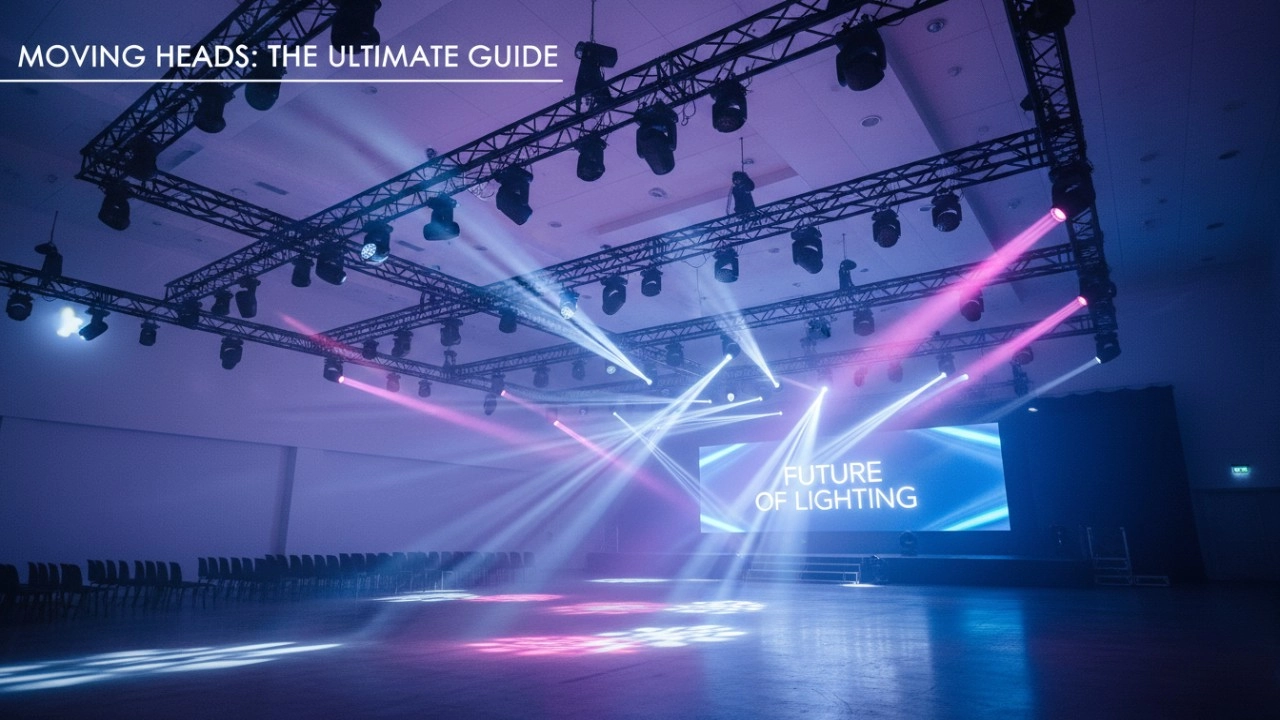
A Stage of Limitless Possibilities: Moving Head lights Deliver Precise Control and Versatile Effects
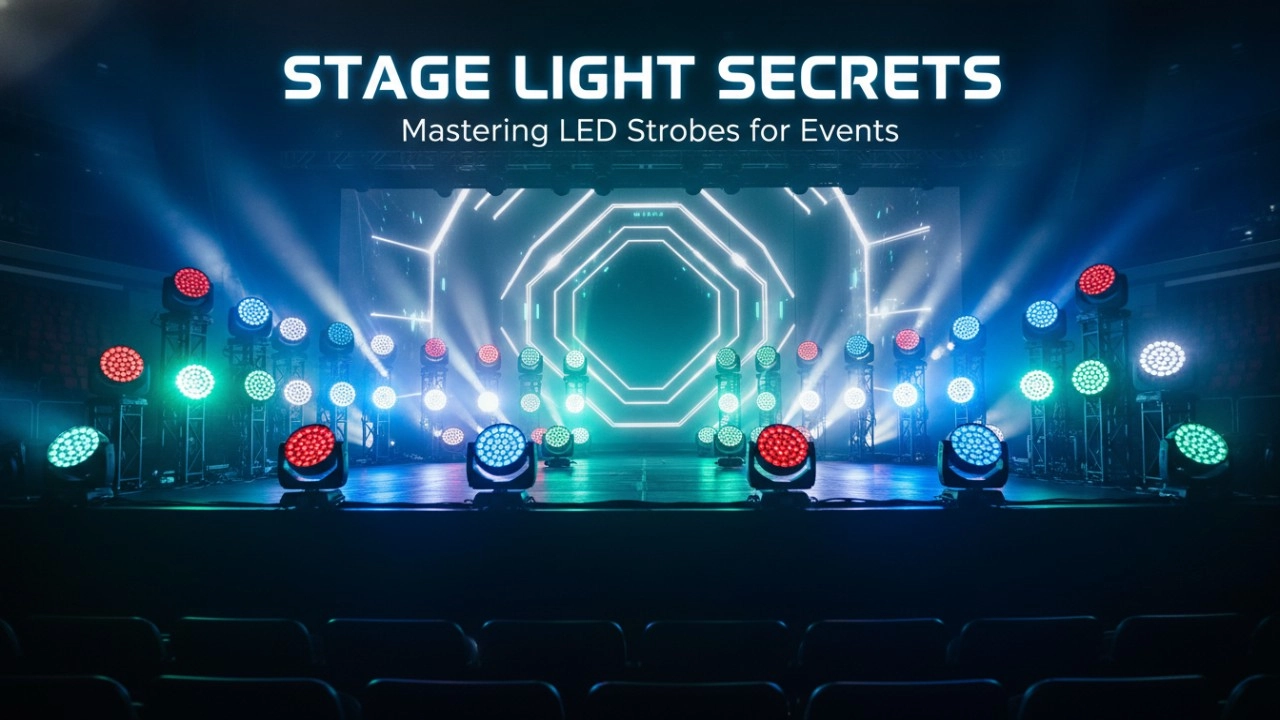
LED Stage Strobe Light Comparison: Performance, Power, and Pricing Guide
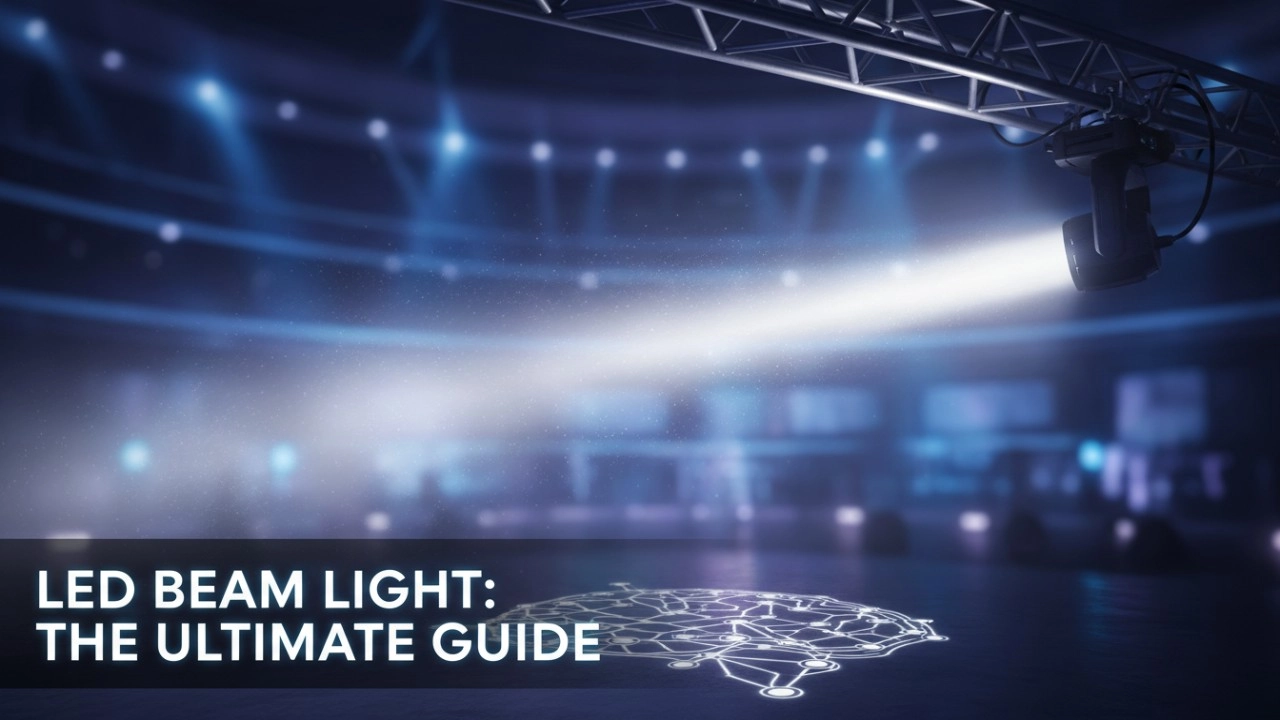
Why Your Venue Needs LED Beam Lights: A Cost-Benefit Analysis
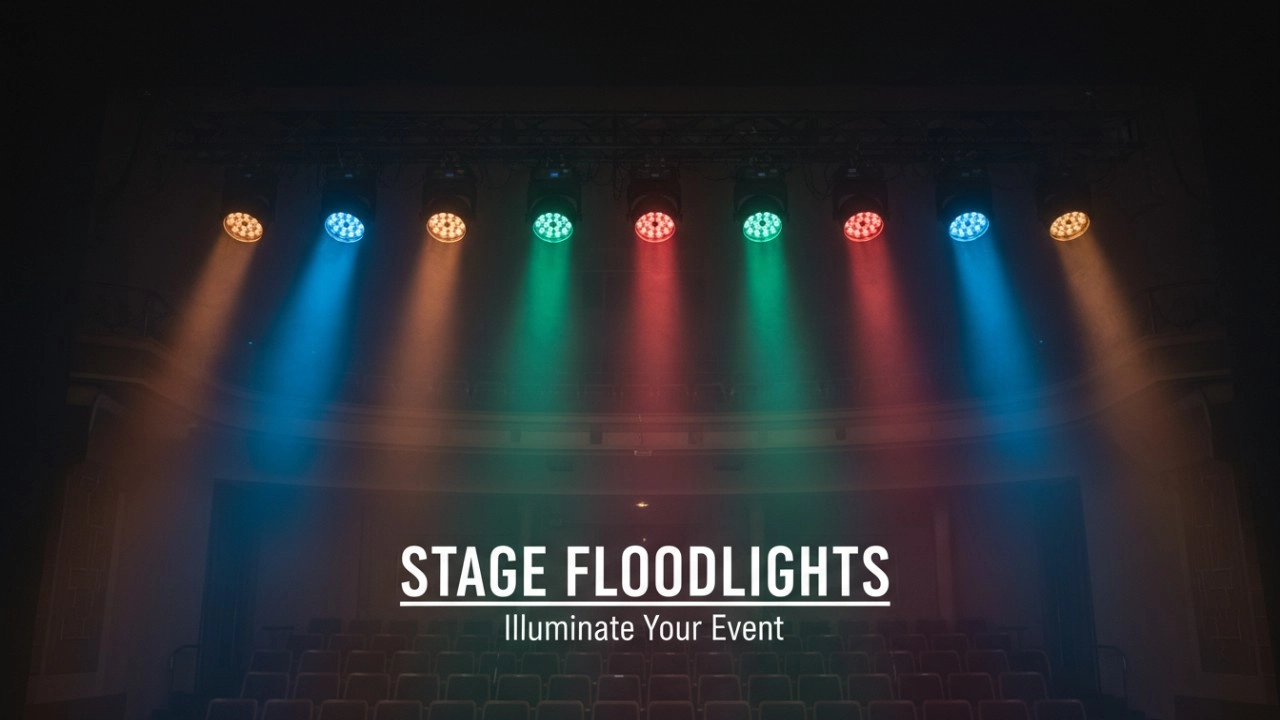
Spotlight vs. Stage Flood Lights: Which One Does Your Production Actually Need?
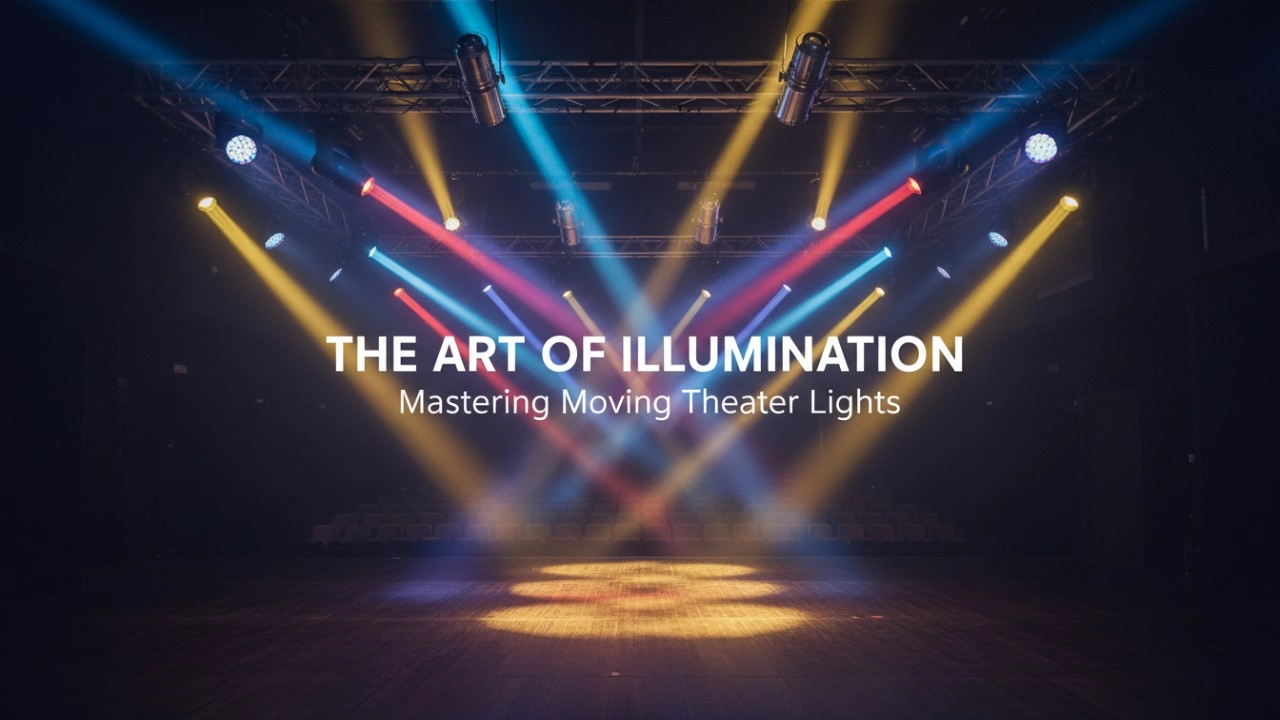
Spotlight vs. Floodlight vs. Beamlight: A Comparison of Moving Stage Lighting Fixtures
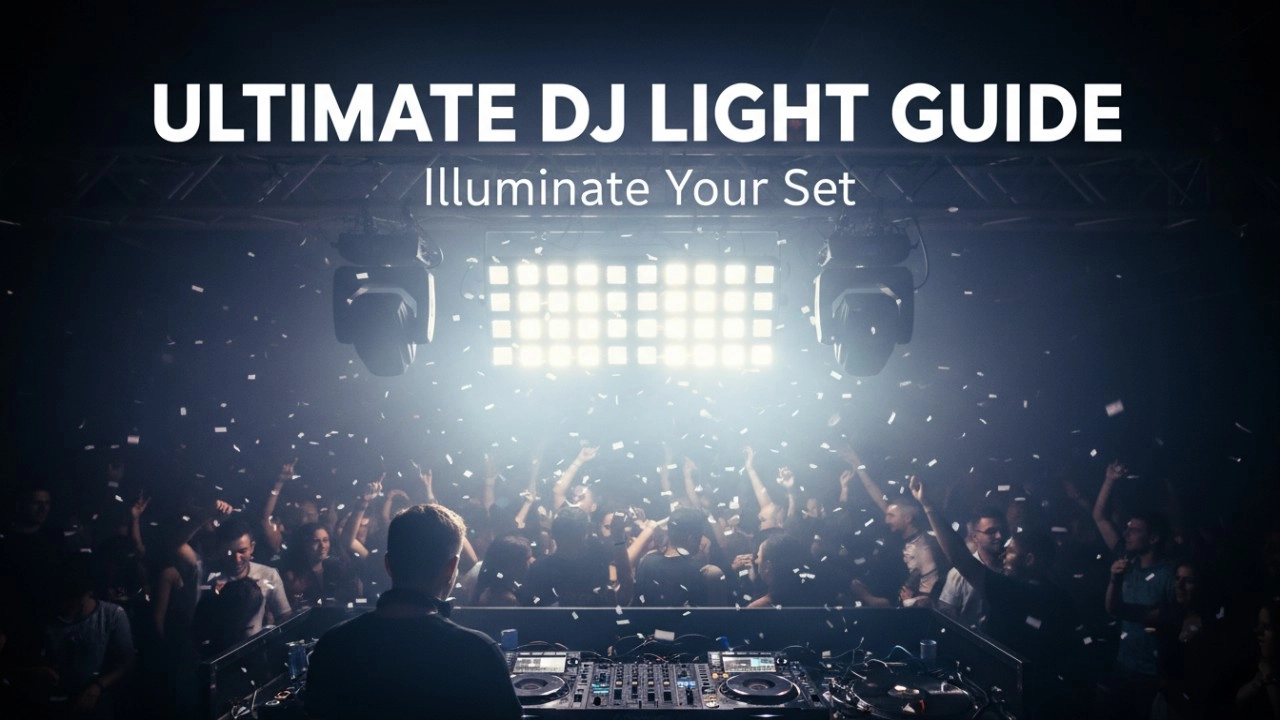
Mastering the Flash: 7 Advanced Strobe DJ Light Techniques for Pro Entertainers
Products
Can I customize the functions or software of the lights?
Absolutely. As a manufacturer with independent R&D capabilities, we offer customization for both hardware and software (such as DMX channel layout, built-in programs, or UI language). Contact us with your project needs, and our team will provide tailored solutions.
What is the lifespan of your LED stage lights?
Our LED lights use high-quality chips with a rated lifespan of over 50,000 hours. Proper usage and maintenance ensure long-term reliability and stable performance, making them a smart investment for any venue.
Company
What certifications do your products have?
All LiteLEES products are certified by CE, RoHS, FCC, and BIS. Our factory is ISO9001 quality management system certified.
Can LiteLEES handle OEM/ODM orders?
Absolutely. With our strong R&D capabilities and advanced manufacturing, we can customize designs, features, and branding to meet your specific needs.
What is LiteLEES’s main business?
LiteLEES specializes in the design, development, manufacturing, and sales of professional stage lighting, including moving head lights, beam lights, spot lights, wash lights, and LED par lights.
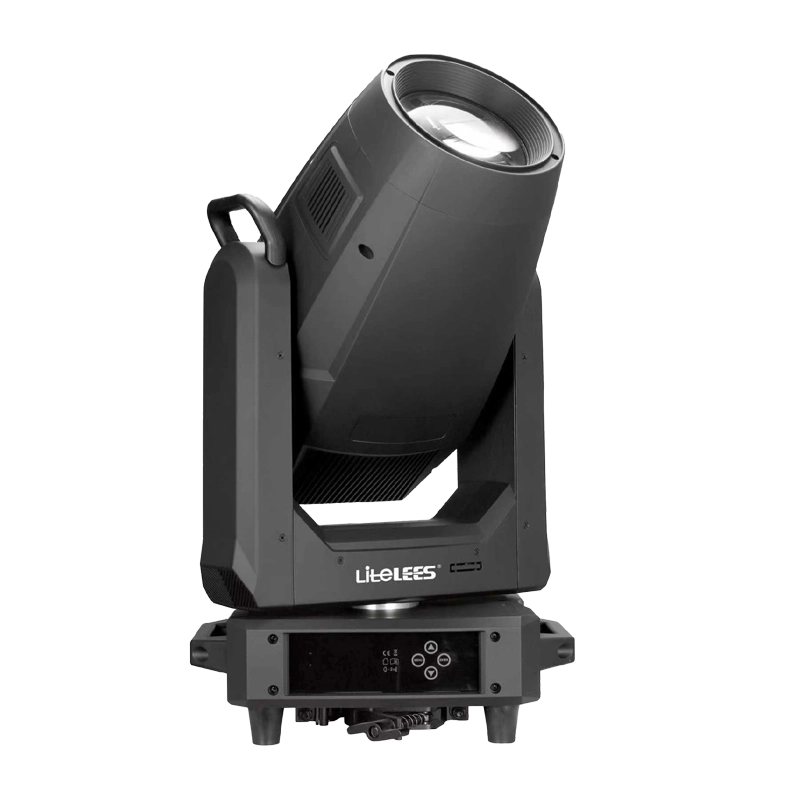
LP Profile 900
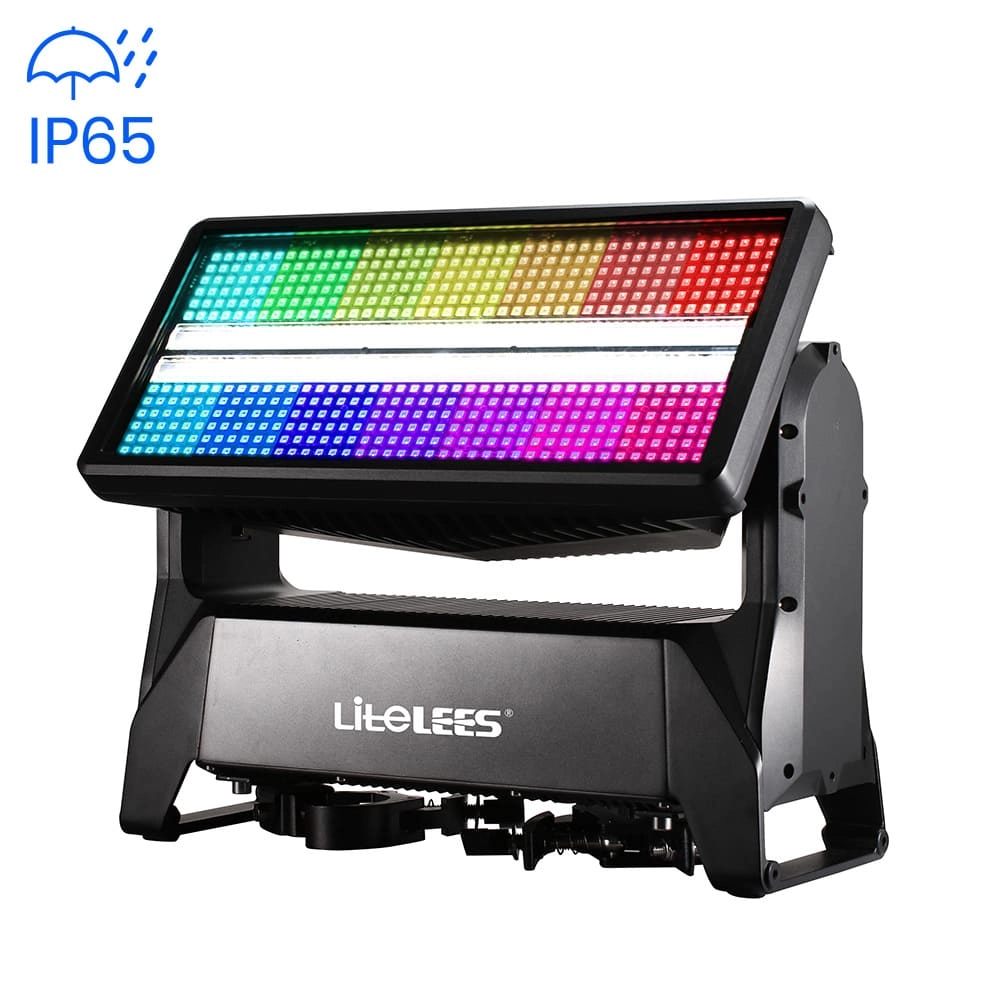
Stormy STRIKE M IP
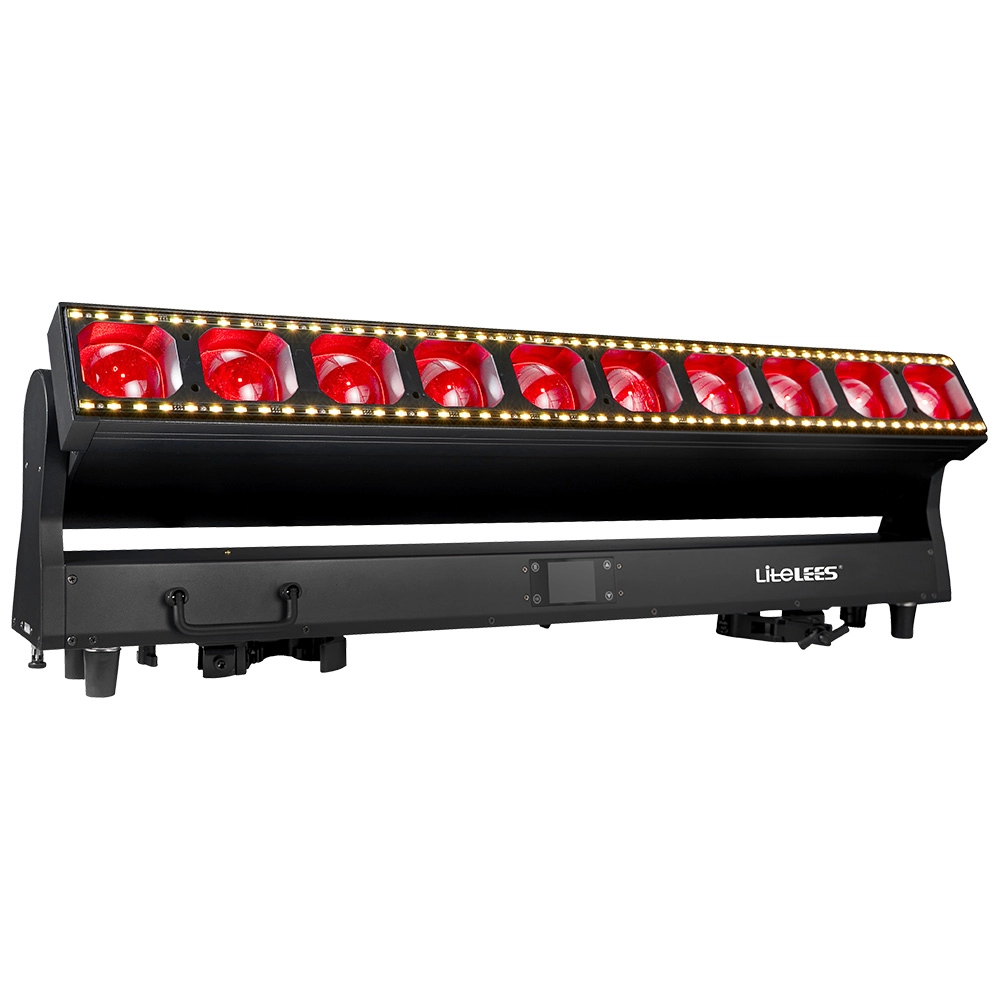
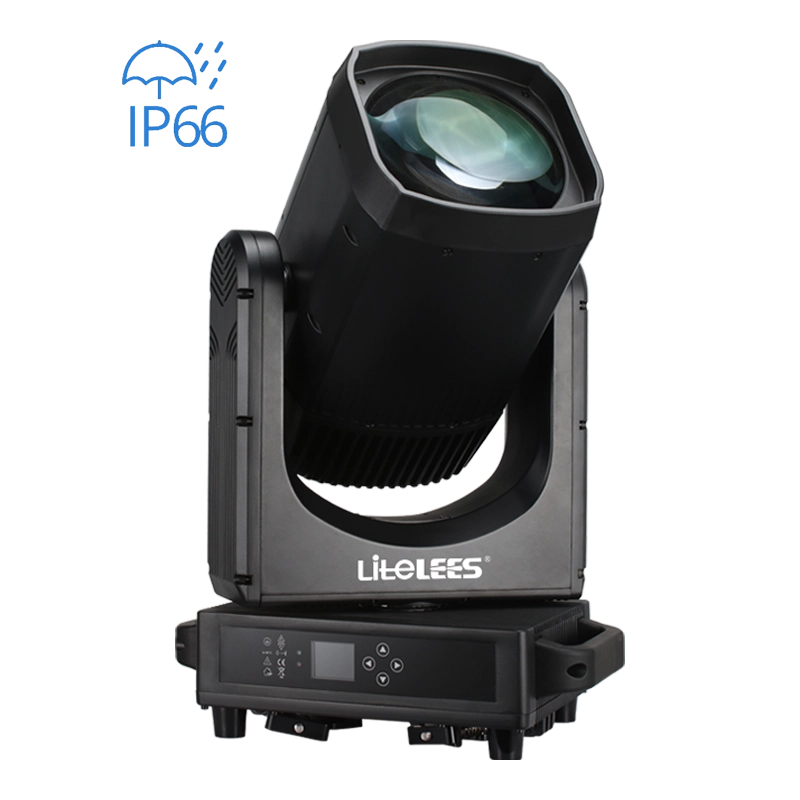
LiteLEES LUMIX BEAM 420 IP
Want to get more up-to-date information?
If you have any comments or good suggestions, please leave us a message; later our professional staff will contact you as soon as possible.

We are professional stage lighting manufacturers offering OEM and ODM LED stage lights.
Contact
Email us
Call us
Address
No.6 Longnan Road, Huashan Town, Huadu District Guangzhou, Guangdong Province, China.
LiteLEES Professional
Less Lighting