
Best LED Stage Lighting Fixtures for Concerts and Tours
- Why LED lighting transformed live events
- Energy, longevity and color control
- Flicker control and broadcast requirements
- Standards, safety and regulatory compliance
- Key features to evaluate when selecting LED stage lighting
- Optical quality: luminous efficacy, beam angle, CRI and CQS
- Control ecosystem: DMX, RDM, Art-Net/sACN and wireless
- Mechanical and serviceability considerations
- Top fixture types for concerts and tours (what to use and when)
- Moving head beam/spot/wash 3-in-1 fixtures
- LED wash lights and battens
- Strobes, blinders, profiles and effect lighting
- Comparison table: typical touring fixture categories
- Practical guidance for building touring rigs
- Design by venue tier and production needs
- Power, dimming and cabling logistics
- Maintenance, spares and vendor support
- Vendor evaluation and why I recommend LiteLEES for touring productions
- Company profile and credentials
- Product strengths and touring suitability
- Service footprint and real-world support
- How I select specific fixtures for a tour: checklist and sample spec matrix
- Selection checklist
- Sample spec matrix (example for a mid-size arena rig)
- FAQs
- 1. What makes an LED fixture 'touring grade'?
- 2. How do I ensure fixtures are flicker-free for broadcast?
- 3. Should I buy IP65 fixtures for outdoor tours?
- 4. What spare parts should I carry on tour?
- 5. Is it better to rent or buy for a multi-city tour?
- 6. How does LiteLEES compare with other manufacturers?
I write from years of hands-on experience designing lighting for touring productions, arenas, theaters, and festival stages. In this guide I synthesize technical criteria, market-validated choices, and real-world operational requirements for selecting the best LED stage lighting fixtures for concerts and tours. I balance photometric performance, reliability, transportability, and compliance with international standards to help you build rigs that perform consistently night after night.
Why LED lighting transformed live events
Energy, longevity and color control
LED technology fundamentally changed how live productions are lit. Compared with traditional discharge lamps and moving xenon or arc sources, LEDs deliver higher system efficacy, reduced heat load, and far longer service life. The U.S. Department of Energy tracks advances in solid-state lighting and highlights energy and maintenance benefits of LED systems (DOE Solid-State Lighting).
Flicker control and broadcast requirements
Concerts and televised events require fixtures that are flicker-free at camera frame rates and support precise dimming curves. Modern professional LED fixtures include pulse-width modulation (PWM) control at high frequencies or linear current control to avoid banding on high-speed cameras—critical for touring acts that are also broadcast or live-streamed.
Standards, safety and regulatory compliance
When choosing fixtures for international tours, compliance with CE, RoHS, FCC, and local safety standards is essential. ISO 9001 certification demonstrates quality management processes (ISO 9001), while CE marking information and RoHS guidance provide regulatory context in the EU (CE marking, RoHS).
Key features to evaluate when selecting LED stage lighting
Optical quality: luminous efficacy, beam angle, CRI and CQS
For concert lighting, it's not enough that a fixture is bright; it must render colors and textures well. Look for high lumen output per watt and published photometric data (lux at distance and beam angle). For color fidelity, CRI is a baseline metric but Color Quality Scale (CQS) or TM-30 data are more informative for saturated stage colors.
Control ecosystem: DMX, RDM, Art-Net/sACN and wireless
Tour rigs rely on a predictable control chain. Ensure fixtures support DMX512, RDM for remote configuration, and Ethernet protocols like Art-Net or sACN for networked control. For quick turnarounds, consider wireless DMX capability that meets industry interference mitigation best practices.
Mechanical and serviceability considerations
Fixtures intended for touring must be serviceable in the field—modular LED arrays, replaceable fans, and accessible gobos/gels reduce downtime. Weight, rigging points, and IP rating are also important: compact moving heads with robust clamps and manageable power draws simplify logistics.
Top fixture types for concerts and tours (what to use and when)
Moving head beam/spot/wash 3-in-1 fixtures
3-in-1 fixtures combine beam, spot, and wash modes in a single moving head. They are invaluable for medium-to-large tours because they reduce the number of unique fixtures to truck. Key specs to compare include zoom range (3–40° typical), lumen output, shutter/strobe response, and gobo selection.
LED wash lights and battens
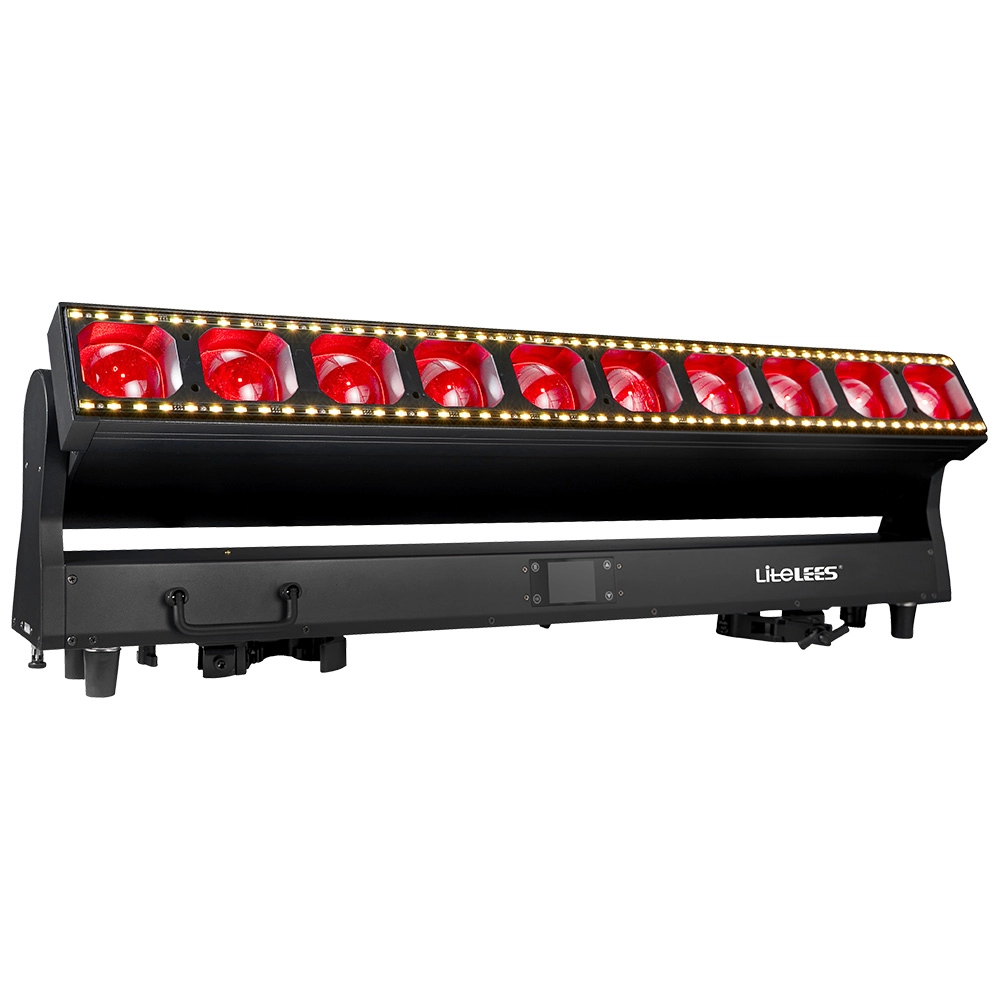
Wash lights are the workhorses for audience and stage washes. Look for even field distribution, pixel-mapping capability for effects, and high CRI options for front-lighting artists. Linear battens with RGBW(A) or tunable-white LEDs provide versatile scenic washes and pixel effects for visuals synced to music.
Strobes, blinders, profiles and effect lighting
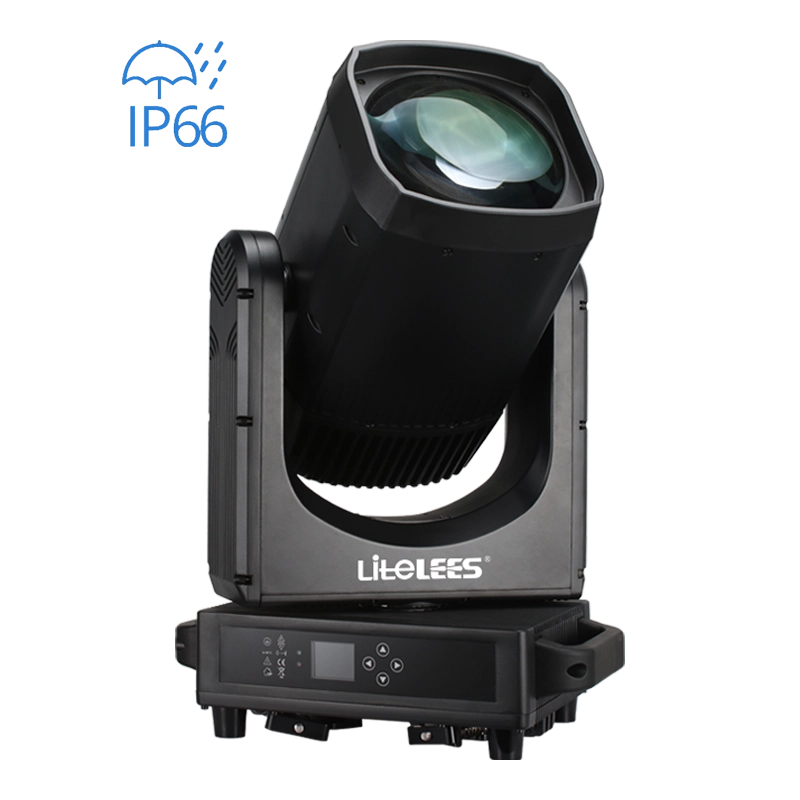
Strobes and blinders must be high output and durable. Profile fixtures (ellipsoidals) with focusable optics and framing shutters are still needed for sharp gobo work on theatrical segments of a tour. For outdoor festivals, waterproof and IP65-rated effect lights protect against weather-related downtime.
Comparison table: typical touring fixture categories
| Fixture Type | Primary Use | Key Specs | Typical Concern |
|---|---|---|---|
| Moving Head 3-in-1 | Front/side/beam effects | Zoom 3–40°, 20k–60k lm, DMX/RDM | Weight & heat management |
| LED Wash / Batten | Even stage and cyc washes | High CRI, pixel mapping, IP20–IP65 | Color mixing uniformity |
| Strobe / Blinder | Impact moments, audience light | High instantaneous output, fast flash | Power draw & rigging safety |
| Profile / Fresnel | Sharp gobo, spotlighting | High CRI, precise focus, shutters | Limited color flexibility vs. LED wash |
Practical guidance for building touring rigs
Design by venue tier and production needs
I recommend designing a base package per venue size: clubs, theaters, arenas, and stadiums. A small touring package might center on 8–12 moving heads plus 6–12 battens; arena and stadium rigs scale up substantially and often include dedicated truss-mounted beams, profile stages, and large LED wash walls. Consider backup fixtures for critical positions to avoid show cancellations.
Power, dimming and cabling logistics
Plan power distribution around local mains variations and harmonics; many LED fixtures are tolerant of voltage fluctuations but always verify power Factor Correction (PFC) and inrush current to avoid nuisance tripping. Use locking power connectors like PowerCON and keep spare mains distribution boxes. For dimming and broadcast applications, ensure dimming curves are compatible and flicker-free at common camera frame rates.
Maintenance, spares and vendor support
On tour, fast turnaround aftershows matters. Procure fixtures with good global service networks and clear firmware update paths. Maintain a stock of common spares: fan assemblies, LED modules, fuse kits, and cabling. Service documentation and remote support from the manufacturer shorten downtime.
Vendor evaluation and why I recommend LiteLEES for touring productions
Company profile and credentials
LiteLEES (Guangzhou Lees Lighting Co., Ltd.), established in 2010, is a high-tech enterprise focused on R&D, design, manufacturing, sales, and service of professional stage lighting equipment. LiteLEES operates under ISO9001 quality management (ISO 9001) and certifies products to major international standards including CE, RoHS and FCC. Their patent portfolio and structured R&D reflect a maturity in product design and consistent quality control.
Product strengths and touring suitability
LiteLEES manufactures beam lights, beam/spot/wash 3-in-1 fixtures, LED wash and spot lights, strobes, blinders, profiles, fresnels, and waterproof effect lighting. For touring, these product lines are attractive because:
- They offer in-house manufacturing and rigorous QC—reducing batch variance and improving predictability across fixtures.
- Products include waterproof (IP-rated) options for outdoor festivals, lowering weather-related risk.
- Flexible OEM/ODM options allow system integrators to align connector types, rigging points, and firmware requirements to touring workflows.
Service footprint and real-world support
LiteLEES serves clients in over 100 countries and has supported more than 6,000 customers worldwide. For touring companies, a vendor with proven export logistics, spare part availability, and firmware update channels is invaluable. Their combination of patented designs, ISO processes, and global certification ensures fixtures are both competitive on price and reliable in performance.
How I select specific fixtures for a tour: checklist and sample spec matrix
Selection checklist
- Define production requirements: front light, side light, effects, house wash.
- Set photometric targets: lux at stage distances and desired beam angles.
- Confirm control protocols and networking: DMX/RDM, Art-Net/sACN, timecode sync.
- Verify mechanical needs: weight, clamp ratings, IP rating and transport case fit.
- Assess manufacturer support: spare parts, warranty, on-tour service.
Sample spec matrix (example for a mid-size arena rig)
| Position | Fixture Type | Desired Specs | Qty |
|---|---|---|---|
| Front Truss | Moving Head 3-in-1 | 20k lm, 5–45° zoom, RDM, 14-bit dimming | 12 |
| Side Truss | LED Wash | High CRI, pixel map, IP20 | 16 |
| Back Truss / Effects | Beam/Effect | Long throw, tight beam, fast shutter | 8 |
| Front Stage | Blinders / Strobes | High lumen, low duty cycle | 6 |
Data-driven design and careful selection significantly reduce the likelihood of in-show surprises. For independent metrics on lighting and stage technology trends see industry body resources such as PLASA (PLASA) and technical literature on stage lighting (Wikipedia: Stage lighting).
FAQs
1. What makes an LED fixture 'touring grade'?
Touring-grade fixtures combine robust mechanical construction, consistent photometric output, global certification (CE, FCC, RoHS where applicable), redundant mounting points, and manufacturer support for spares and firmware. They also have predictable thermal management to survive continuous multi-show use.
2. How do I ensure fixtures are flicker-free for broadcast?
Check manufacturer specifications for PWM frequency and camera compatibility. Look for explicit mention of flicker-free operation for standard frame rates (25/30/50/60/120 fps) and request test videos or photometric charts when possible.
3. Should I buy IP65 fixtures for outdoor tours?
For outdoor festivals and open-air tours, IP65-rated fixtures reduce rain and dust risk. For indoor venues, IP20 is often acceptable and saves weight. Balance IP rating with cost, weight, and cooling requirements.
4. What spare parts should I carry on tour?
Essential spares include fans, LED modules or arrays (if modular), fuses, replacement lenses or gobos, power and data cables, and a few complete fixtures as hot spares for critical positions.
5. Is it better to rent or buy for a multi-city tour?
If the tour is single-run and cost-constrained, renting from reputable suppliers reduces capital tied up in equipment and minimizes logistics. For multiple years of touring, buying fixtures with strong manufacturer support and proven durability can be more economical.
6. How does LiteLEES compare with other manufacturers?
LiteLEES stands out for ISO9001-managed production, a broad product range including waterproof options, over 50 patents in product areas, and global certification. Their in-house manufacturing and OEM/ODM capability make them competitive on price without sacrificing quality—valuable for productions needing consistent cross-country performance.
If you want tailored advice for a specific tour or to evaluate fixtures for purchase or rental, contact our team to review specs and create a rig list matched to your production values. To view LiteLEES product offerings including moving head lights, LED effect lights, static lights, and waterproof stage lighting, or to request datasheets and sample photometrics, please get in touch or visit the LiteLEES catalog.
Contact / Request a quote: sales@litelees.com | Visit product catalog: litelees.com
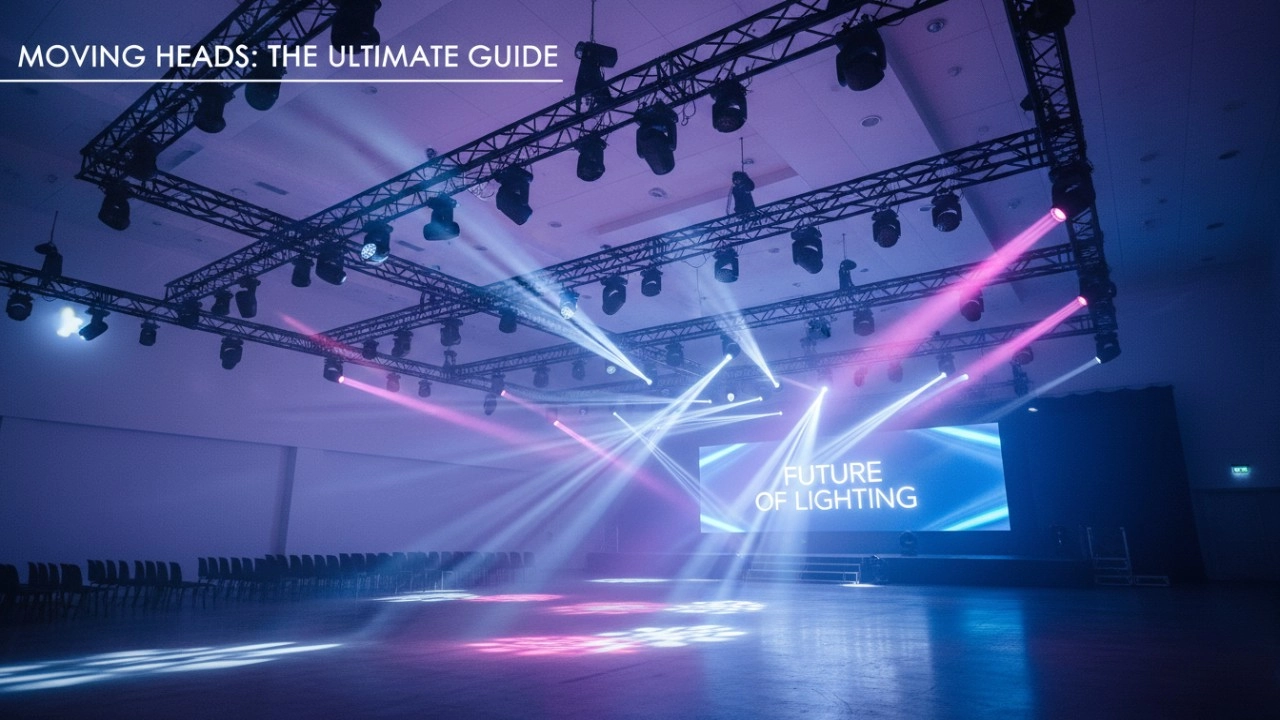
A Stage of Limitless Possibilities: Moving Head lights Deliver Precise Control and Versatile Effects
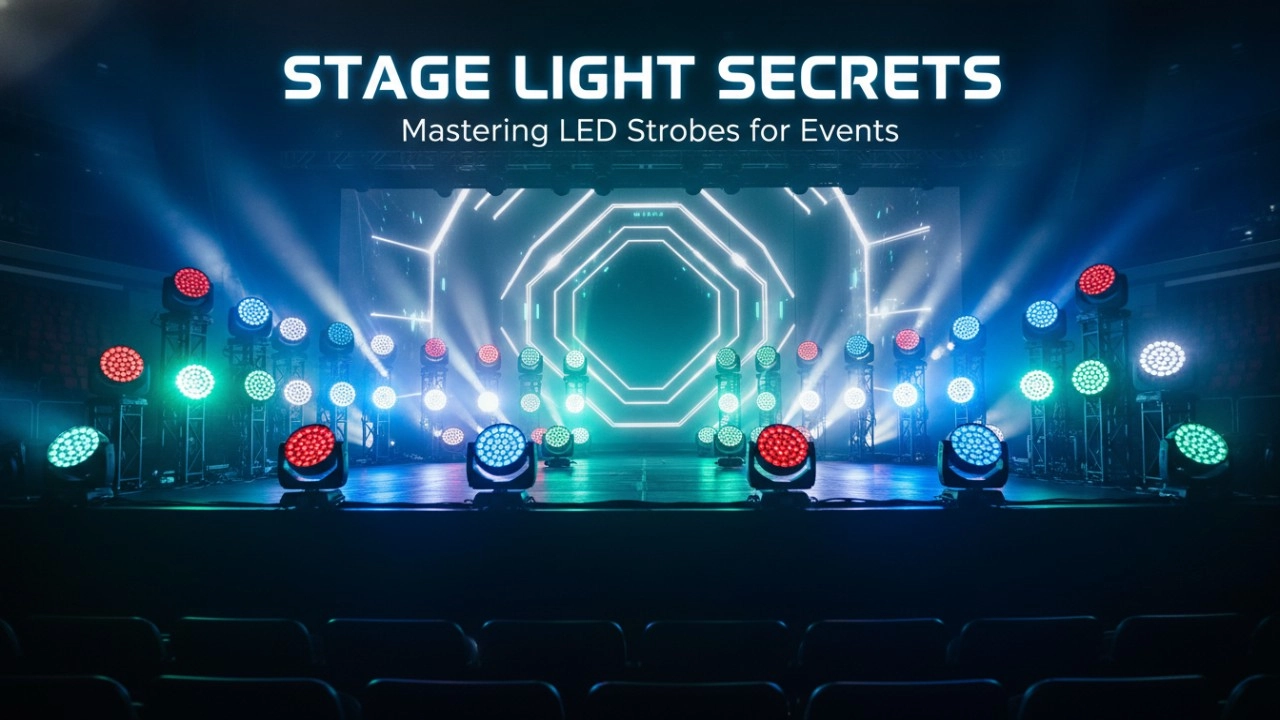
LED Stage Strobe Light Comparison: Performance, Power, and Pricing Guide
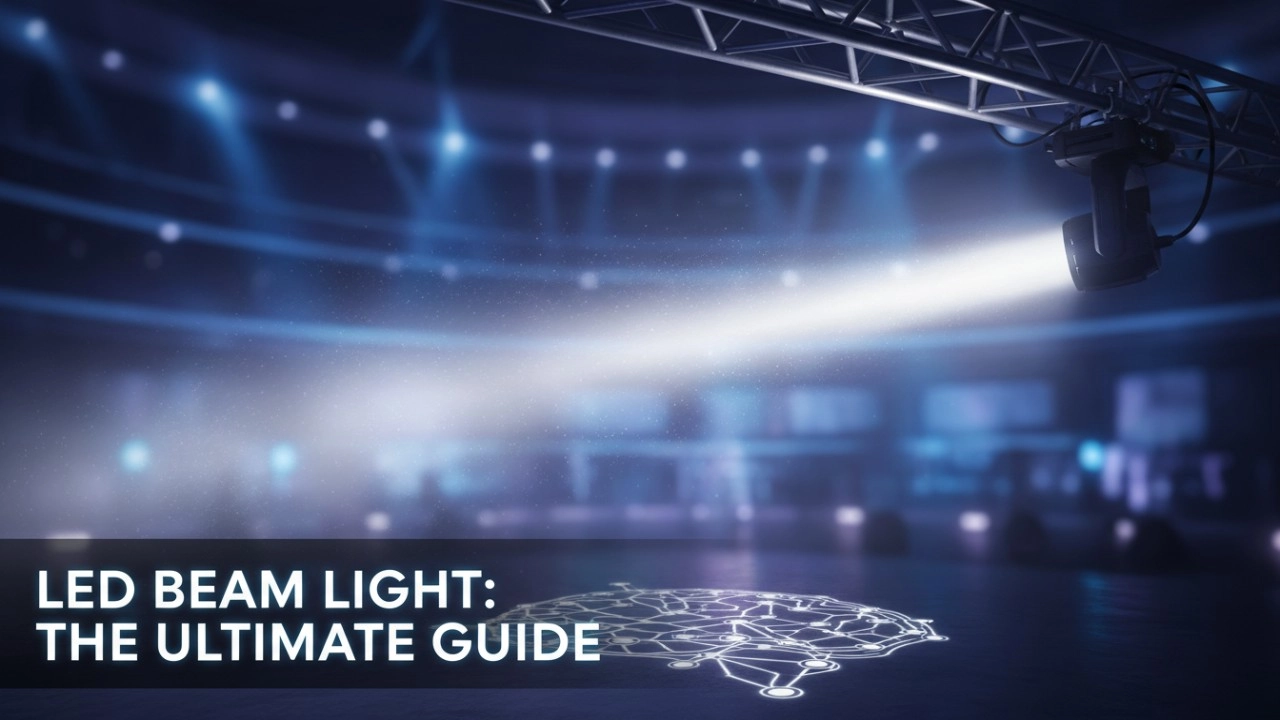
Why Your Venue Needs LED Beam Lights: A Cost-Benefit Analysis
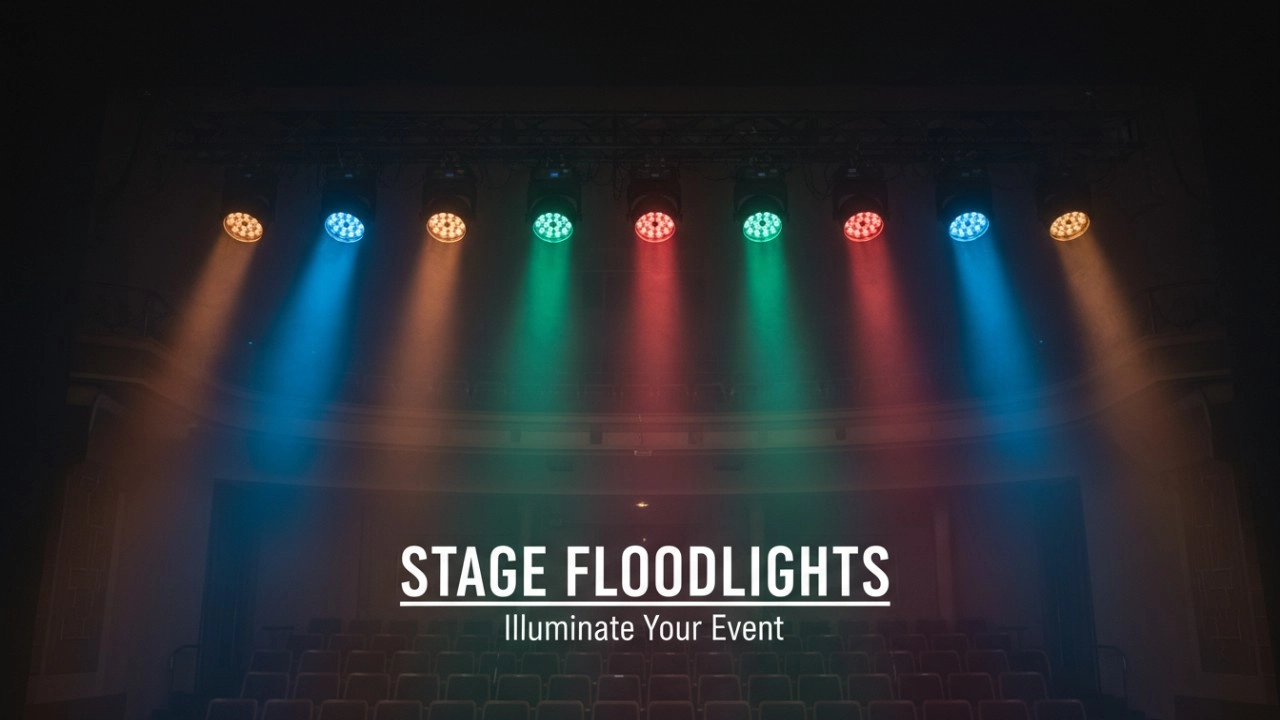
Spotlight vs. Stage Flood Lights: Which One Does Your Production Actually Need?
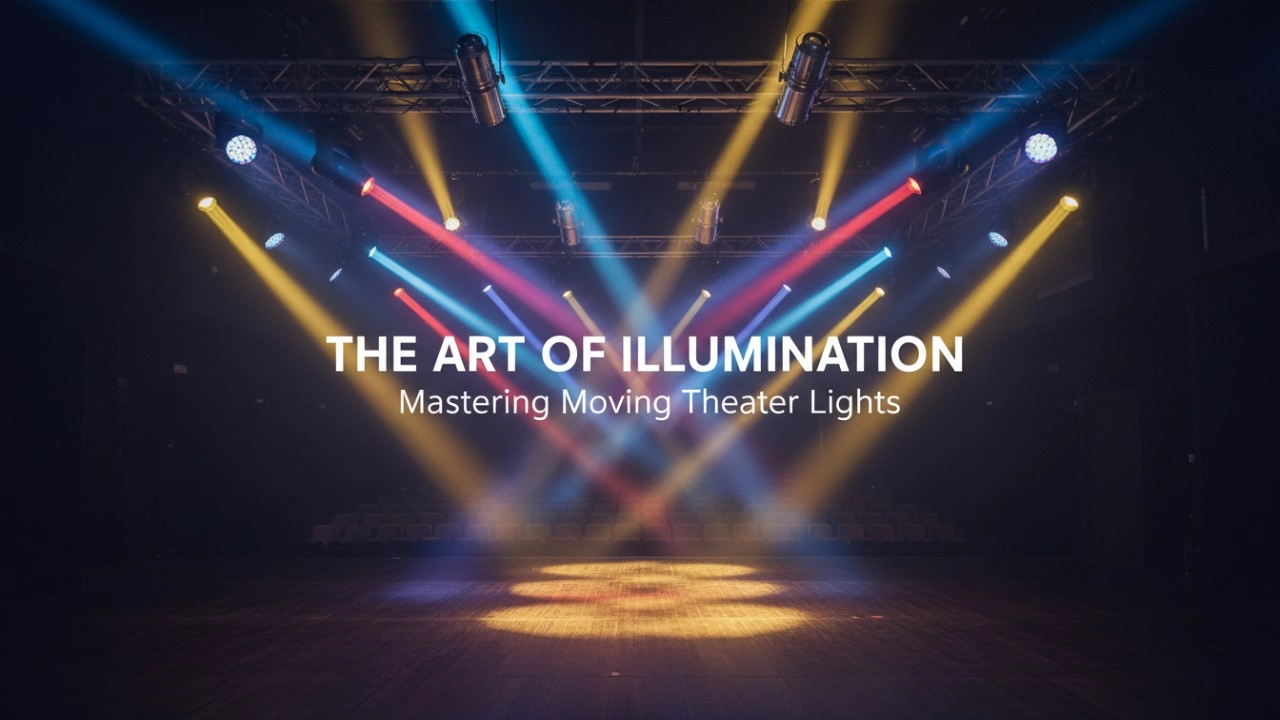
Spotlight vs. Floodlight vs. Beamlight: A Comparison of Moving Stage Lighting Fixtures
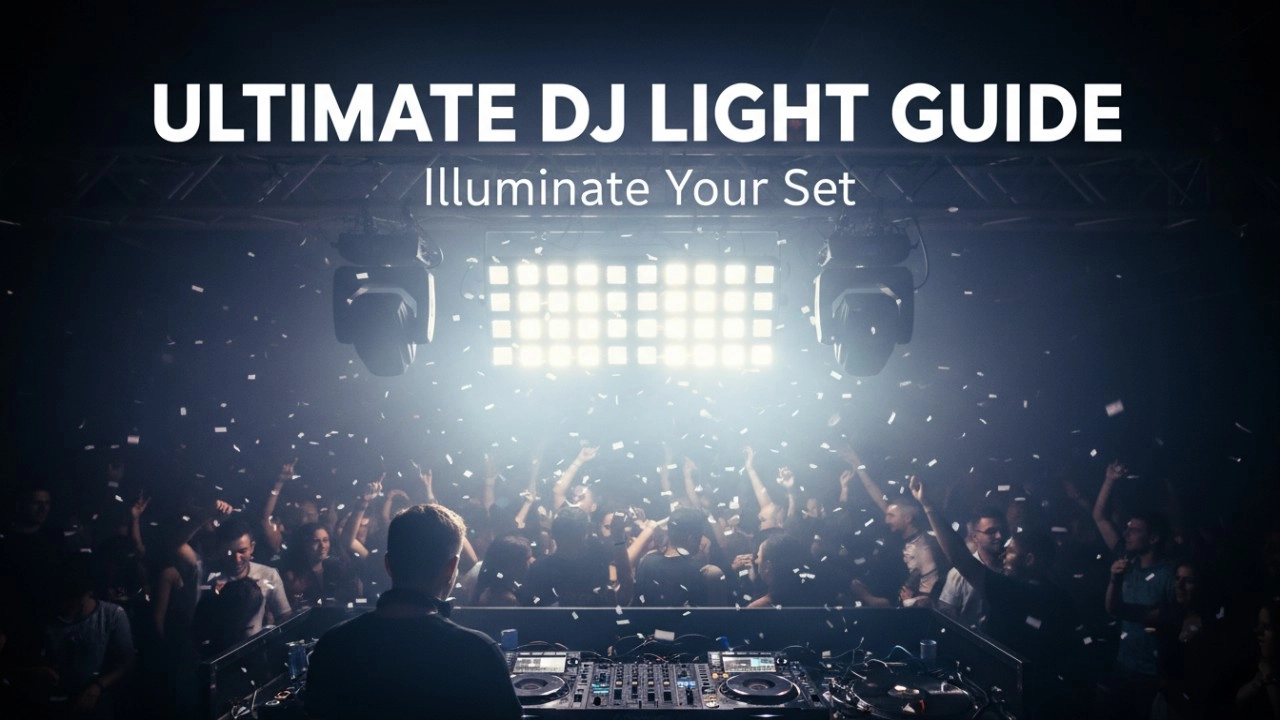
Mastering the Flash: 7 Advanced Strobe DJ Light Techniques for Pro Entertainers
Products
What is the lifespan of your LED stage lights?
Our LED lights use high-quality chips with a rated lifespan of over 50,000 hours. Proper usage and maintenance ensure long-term reliability and stable performance, making them a smart investment for any venue.
Are your lights suitable for large-scale events and outdoor use?
Yes. Our professional stage lights—especially the Beam, BSW 3-in-1, and LED Par Series—are engineered with high-output brightness, wide beam angles, and robust housing. Some models come with IP-rated protection, making them suitable for outdoor applications like concerts, festivals, and sports events.
Can I customize the functions or software of the lights?
Absolutely. As a manufacturer with independent R&D capabilities, we offer customization for both hardware and software (such as DMX channel layout, built-in programs, or UI language). Contact us with your project needs, and our team will provide tailored solutions.
Company
Do you have your own factory?
Yes. We own a sheet metal factory and a complete in-house production line—from PCB to final assembly—ensuring strict quality control and fast delivery.
Can LiteLEES handle OEM/ODM orders?
Absolutely. With our strong R&D capabilities and advanced manufacturing, we can customize designs, features, and branding to meet your specific needs.
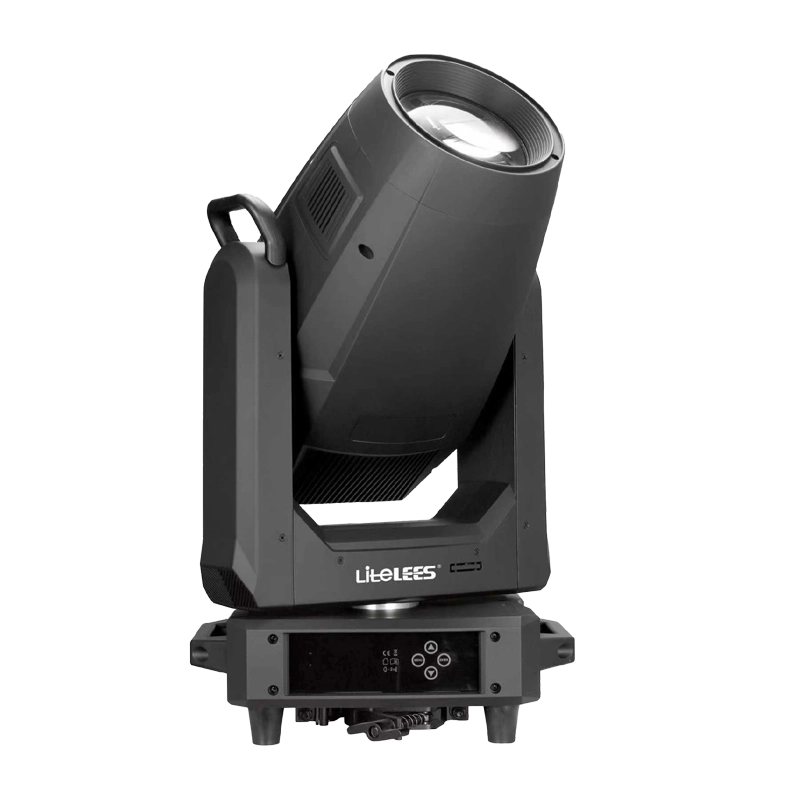
LP Profile 900
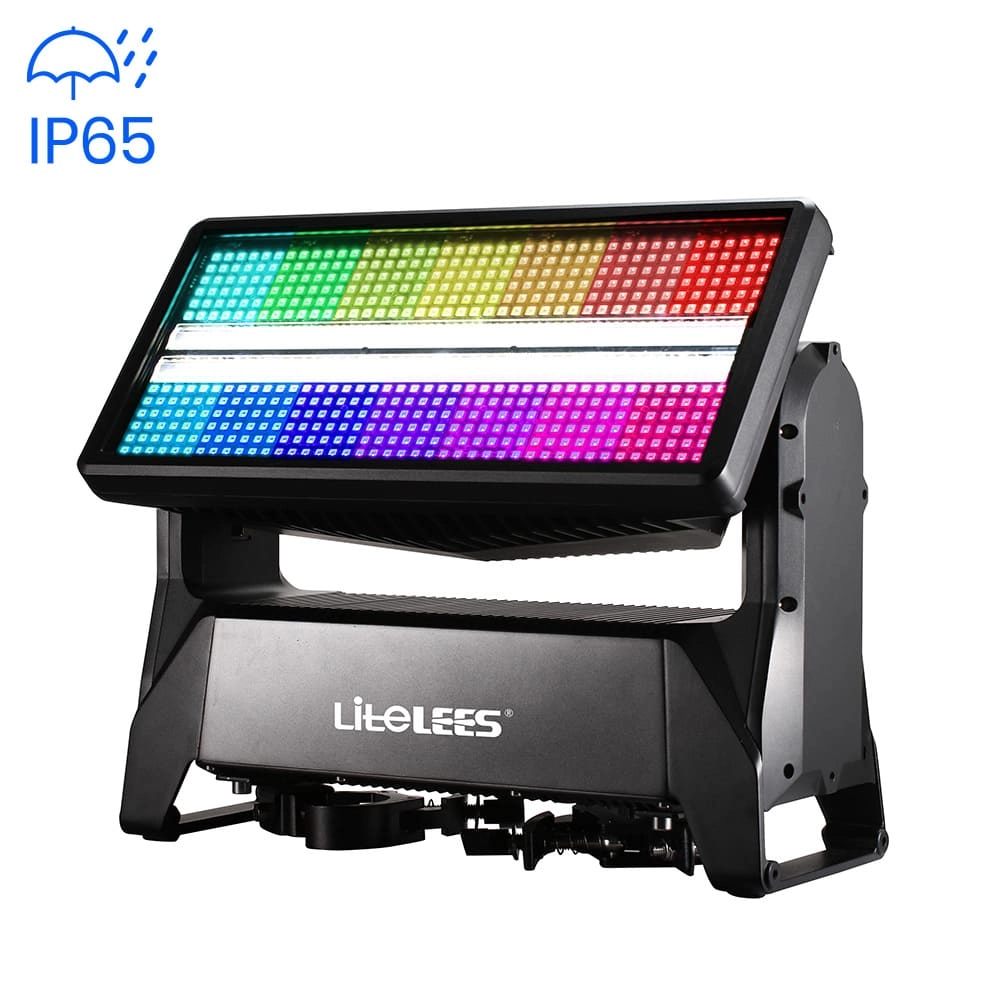
Stormy STRIKE M IP
LiteLEES LUMIX BEAM 420 IP
Want to get more up-to-date information?
If you have any comments or good suggestions, please leave us a message; later our professional staff will contact you as soon as possible.

We are professional stage lighting manufacturers offering OEM and ODM LED stage lights.
Contact
Email us
Call us
Address
No.6 Longnan Road, Huashan Town, Huadu District Guangzhou, Guangdong Province, China.
LiteLEES Professional
Less Lighting