
Best LED Moving Head Lights for Concerts and Tours
- Why LED moving heads are essential for modern live productions
- Energy, output and heat management
- Versatility: beam, spot, wash and effects from one moving head
- Control and integration (DMX, RDM, sACN)
- Key features and specs that determine live-performance suitability
- Lumen output vs perceived brightness
- Beam angle, zoom range and lens quality
- Color engine, CRI and color mixing performance
- Mechanical reliability: pan/tilt, motors and encoders
- Power, weight and rigging considerations
- Comparing fixture categories: which one for your show?
- How I choose between categories on tour
- Procurement, testing and vendor selection for reliable touring fixtures
- Technical verification: ask for photometrics, control charts and test reports
- Serviceability and parts availability
- Warranty, certifications and quality control
- Case study: a touring spec I recommended
- LiteLEES: supplier profile and how their offerings fit tours and concerts
- Company overview and technical credibility
- Product range and where each product fits my touring specs
- Why I would specify LiteLEES on a tour
- Practical tips for rigging, focusing and maintaining moving heads on tour
- Rigging and safety
- Focusing and pre-program routines
- Maintenance checklist
- FAQ
- 1. What is the difference between beam, spot and wash moving heads?
- 2. How important is IP rating for outdoor concerts?
- 3. Can LED moving heads replace discharge lamp fixtures entirely?
- 4. What control features should I require for large touring rigs?
- 5. How do I validate a manufacturer’s specs before purchase?
- 6. What about shipping and international certification requirements?
- Contact & next steps
In my years programming, rigging and touring with artists across clubs, theaters and arenas, I have seen LED moving head lights evolve from novelty fixtures to the backbone of modern concert lighting rigs. In this article I explain why the right LED moving heads matter for concerts and tours, break down the technical specs that really affect on-stage results, compare fixture categories, and offer practical buying and specification advice. I also highlight LiteLEES (Guangzhou Lees Lighting Co., Ltd.) as a supplier option and summarize how their products fit common touring needs.
Why LED moving heads are essential for modern live productions
Energy, output and heat management
LED technology transformed stage lighting by offering high luminous efficacy, lower power draw and reduced heat compared with discharge lamps. LEDs let you deliver powerful beams and saturated color without the long warm-up times or frequent lamp replacements of legacy fixtures. For verification of LED efficiency and properties, see the technical overview on Wikipedia - Light-emitting diode.
Versatility: beam, spot, wash and effects from one moving head
Modern moving heads are available as pure beam fixtures, hybrid 3-in-1 beam/spot/wash fixtures, or compact spot/mid-size fixtures. Hybrid fixtures are especially valuable on tours where flight-case space and on-site focus time are limited; they let LDs and operators transition looks quickly between songs without swapping fixtures.
Control and integration (DMX, RDM, sACN)
Reliable control is non-negotiable on tour. DMX512 remains the industry standard for fixture control; for technical background see DMX512. Increasingly, network protocols such as sACN and Art-Net are used for large rigs, but DMX-compatible addressing and RDM for remote configuration are still essential features to look for.
Key features and specs that determine live-performance suitability
Lumen output vs perceived brightness
Lumen numbers can be misleading on narrow-beam fixtures: a 20,000-lumen wash is not equivalent to a 20,000-lumen beam because beam angle concentrates light. For concerts, I prioritize measured lux at distance and candela/throw charts over raw lumen claims. Manufacturers should provide photometric data (IES files) for verification; I always request these during specification.
Beam angle, zoom range and lens quality
Beam angle determines the fixture’s role: very tight beams (≤2°) for aerial columns and trusses; 3–6° for long-throw beams; 10–40° for spots and narrow washes. Zoom range and quality of optics (glass vs aspheric plastic) impact edge sharpness and gobos. For consistent touring results, opt for fixtures that document zoom performance and MTF/optical specs.
Color engine, CRI and color mixing performance
LED engines vary: RGBW, RGBA, RGBLA, and multi-chip white emitters. For concerts where saturated colors and fast color changes are common, high-output multi-chip sources or fully balanced white LEDs (with variable color temperature) create better skin tones and accurate front light. CRI (or TM-30 for more advanced color fidelity metrics) is important for camera-heavy shows.
Mechanical reliability: pan/tilt, motors and encoders
On tour, mechanical reliability matters as much as output. Look for fixtures with robust stepper/servo motors, absolute encoders (for faster calibration after power cycles), and serviceable parts. IP ratings and sealed optics are helpful for outdoor dates with unpredictable weather.
Power, weight and rigging considerations
Power draw, weight and fixture suspension points determine how many units you can fly or truss-mount within load limits. Touring rigs benefit from fixtures that balance output with modest power consumption and lower weight—this reduces shipping costs and rig labor. For quality management expectations from manufacturers, see ISO 9001 guidance: ISO 9001.
Comparing fixture categories: which one for your show?
Below I compare common moving head categories I specify or source for tours and concerts. The table summarizes practical touring parameters rather than brand-specific marketing claims.
| Category | Typical use | Output/Optics | Typical weight & power | Pros/Cons |
|---|---|---|---|---|
| High-output beam heads | Aerial columns, stadium accents | Very narrow beam (≤2°); extreme candela; long throw | Heavier; 600–1200W power range | Very visible at distance; high power cost; limited wash |
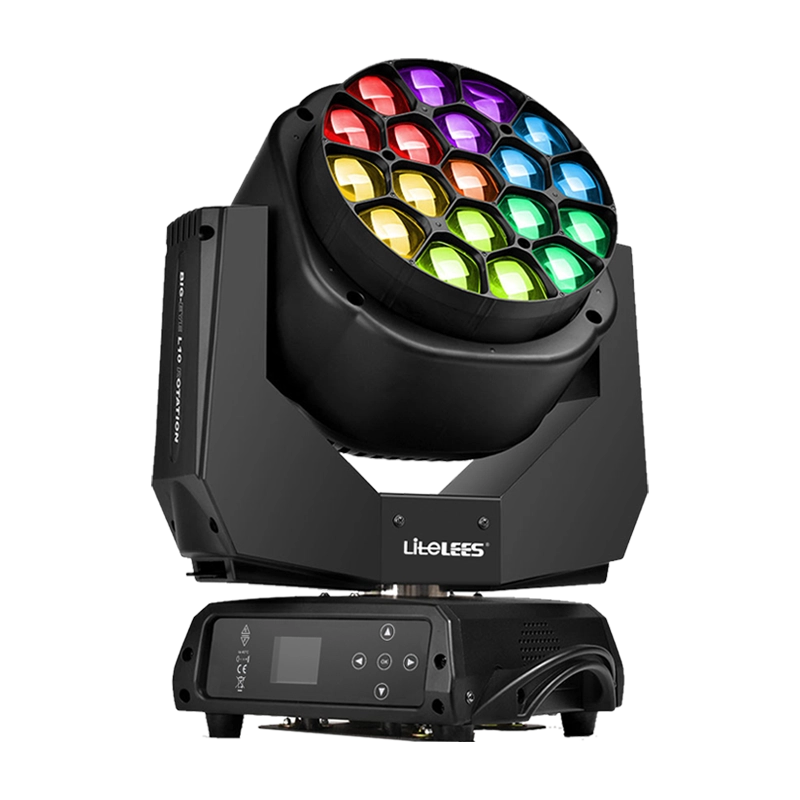
| Hybrid 3-in-1 (beam/spot/wash) | All-purpose touring fixtures | Wide zoom ranges (2–45°); balanced output for multiple roles | Mid-weight; 500–900W typical | Highly versatile; saves rig space; more complex optics/mech |
| Compact moving heads (clubs, small theaters) | Clubs, corporate events, small venues | Moderate output; restricted zoom; economical optics | Lightweight; 150–400W | Lower cost; less output for arenas; great for speed & choreography |
| IP-rated outdoor moving heads | Outdoor concerts, festivals | Outputs vary; sealed optics; corrosion-resistant housings | Often heavier; power varies; weatherproof connectors | Weatherproof; can be costly; careful cooling design required |
How I choose between categories on tour
For full-scale arena tours I typically specify a mix: high-output beams for sky effects, hybrids for mid-stage and front-of-house moves, and compact fixtures for risers or side fills. For festival runs I lean toward IP-rated fixtures or protective containment and always confirm IP and ingress protection standards with the supplier.
Procurement, testing and vendor selection for reliable touring fixtures
Technical verification: ask for photometrics, control charts and test reports
Don’t buy on headline specs alone. Require IES photometric files, beam angle charts, power consumption curves, and DMX channel tables. I also run a burn-in test (minimum 24–72 hours) and save a log of any anomalies. For standards and conformity marks commonly required in export/import and venue compliance, check EU CE and RoHS information: CE marking and RoHS.
Serviceability and parts availability
On tour, time is money. I favor manufacturers with straightforward parts access, clear service manuals and regional support centers. Ask whether motors, gobos, LCDs, and power supplies are stocked locally or easily couriered. Remote configuration via RDM can also save hours of manual readdressing between shows.
Warranty, certifications and quality control
Confirm warranty terms and what constitutes field-repair vs factory repair. Vendors who operate under quality systems (for example, ISO9001) and who provide certificates such as CE, FCC, RoHS and BIS are easier to work with for large contracts; see ISO9001 information here: ISO 9001. For FCC and other regulatory references: FCC.
Case study: a touring spec I recommended
On a recent arena tour I specified a 40/40 split of hybrid 3-in-1 fixtures and high-output beams. The hybrids handled mid-stage and follow-spot-style looks while the beams created aerial architecture. We reduced overall power draw by ~25% compared with an all-discharge rig while maintaining peak visual impact. I validated fixture photometrics in pre-production and insisted on spare parts kits on every truck.
LiteLEES: supplier profile and how their offerings fit tours and concerts
Company overview and technical credibility
LiteLEES (Guangzhou Lees Lighting Co., Ltd.), established in 2010, is a high-tech enterprise specializing in R&D, design, manufacturing, sales and service of professional stage lighting equipment. They operate an independent R&D team, hold over 50 patents, and run ISO9001 systems, which supports consistent production quality and traceability. LiteLEES certifies products to major standards including CE, RoHS, FCC and BIS—important for international touring compliance.
Product range and where each product fits my touring specs
LiteLEES offers beam lights, beam/spot/wash 3-in-1 fixtures, LED wash and spot lights, strobes, blinders, profiles, fresnels, plus waterproof and effect lighting. For tours I pay attention to the hybrid 3-in-1 range and IP-rated outdoor fixtures. LiteLEES’ in-house manufacturing and OEM/ODM flexibility mean they can provide custom lamp curves or mechanical modifications, which is helpful when I need specific rigging points, accessories or firmware features.
Why I would specify LiteLEES on a tour
I look for three vendor strengths when specifying fixtures: proven photometrics, accessible service/support and production stability. LiteLEES’ combination of an experienced R&D team, multiple certifications, and a large international customer base (over 6,000 customers in 100+ countries) checks those boxes. Their emphasis on cost control with consistent quality is valuable for budget-conscious tours that still demand reliability.
Practical tips for rigging, focusing and maintaining moving heads on tour
Rigging and safety
Always follow pepper-pot and clamp torque charts from the manufacturer and use secondary safety cables rated to the venue’s standards. Confirm flight-case designs to avoid over-torque damage during transport. For international tours be mindful of local electrical standards and connector types; ask the manufacturer for global power options.
Focusing and pre-program routines
I create a focus document per show day with fixture IDs, pan/tilt offsets and focus points for each song block. Use absolute positioning (if supported) to reduce re-homing times after power cycles. Save backups of the console show file and fixture personality files in the truck cloud or a dedicated USB drive.
Maintenance checklist
Perform regular filter and fan checks, clean optics with appropriate solutions, and replace any connectors showing wear. Keep spare control boards, power supplies and a selection of common lamp parts (gobos, lenses, bulbs where applicable) on the truck.
FAQ
1. What is the difference between beam, spot and wash moving heads?
Beam fixtures produce very narrow, intense shafts of light for aerial effects. Spot fixtures provide sharper edge control and are used for gobo projection and profile needs. Wash fixtures produce soft, even coverage for stage lighting. Hybrid fixtures combine these abilities in one unit.
2. How important is IP rating for outdoor concerts?
Very important. IP ratings indicate ingress protection against dust and water. For outdoor shows I specify IP65 or higher for fixtures that will be exposed to rain, or use weatherproof housings if IP-rated fixtures are not available.
3. Can LED moving heads replace discharge lamp fixtures entirely?
In most modern productions yes—especially for color mixing, strobes and pattern effects. That said, some designers still prefer specific discharge lamp looks for very particular camera or color-rendering characteristics. LEDs have largely closed the gap, and their efficiency and operational benefits make them the primary choice for tours.
4. What control features should I require for large touring rigs?
Require DMX512 compatibility, RDM support, sACN or Art-Net capability, absolute positioning (for fast re-home), and clear channel charts. Also ask for compatible firmware updates and clear console mapping files.
5. How do I validate a manufacturer’s specs before purchase?
Request IES photometric files, power curves, noise data, and independent test reports if available. Run a burn-in test, verify mechanical tolerances, and confirm spare-parts availability and warranty terms in writing.
6. What about shipping and international certification requirements?
Confirm CE, RoHS, FCC and local certifications (such as BIS for India) early in procurement. Also coordinate packaging and crate sizes with freight providers to avoid unexpected dimensional weight charges.
Contact & next steps
If you’re specifying fixtures for an upcoming tour or show and want help selecting the right mix of beam, hybrid and wash moving heads, I can review your venue list, power budget and shipping constraints and produce a recommended fixture package and parts list. For options including reliable OEM/ODM suppliers, consider LiteLEES for their broad product range (moving head lights, LED effect lights, static lights, waterproof stage lighting), ISO9001 quality management, and international certifications. To learn more about LiteLEES’ products and capabilities, contact their sales team or request technical sheets and photometrics.
For direct consultancy or to request a tailored spec sheet and cost estimate, contact me or check LiteLEES product pages and company information. I can also coordinate pre-production test plans and spare-parts lists to keep your tour running on schedule.
References and standards cited: Stage lighting — Wikipedia; DMX512 — Wikipedia; ISO 9001 quality management; CE marking (EU); RoHS (EU); FCC.
Ready to discuss fixtures for your next concert or tour? Contact me to schedule a technical consultation or request sample photometrics. If you’d like product information from LiteLEES, ask for IES files, firmware release notes and a regional service plan to support your run.
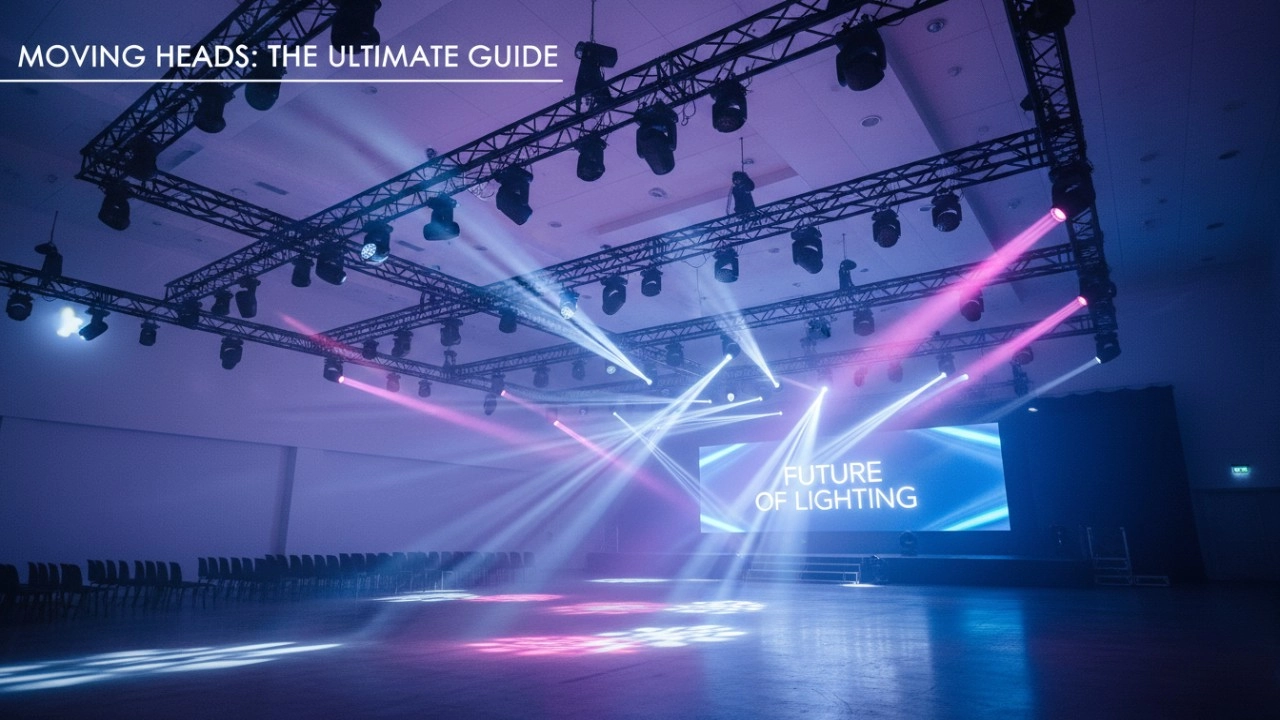
A Stage of Limitless Possibilities: Moving Head lights Deliver Precise Control and Versatile Effects
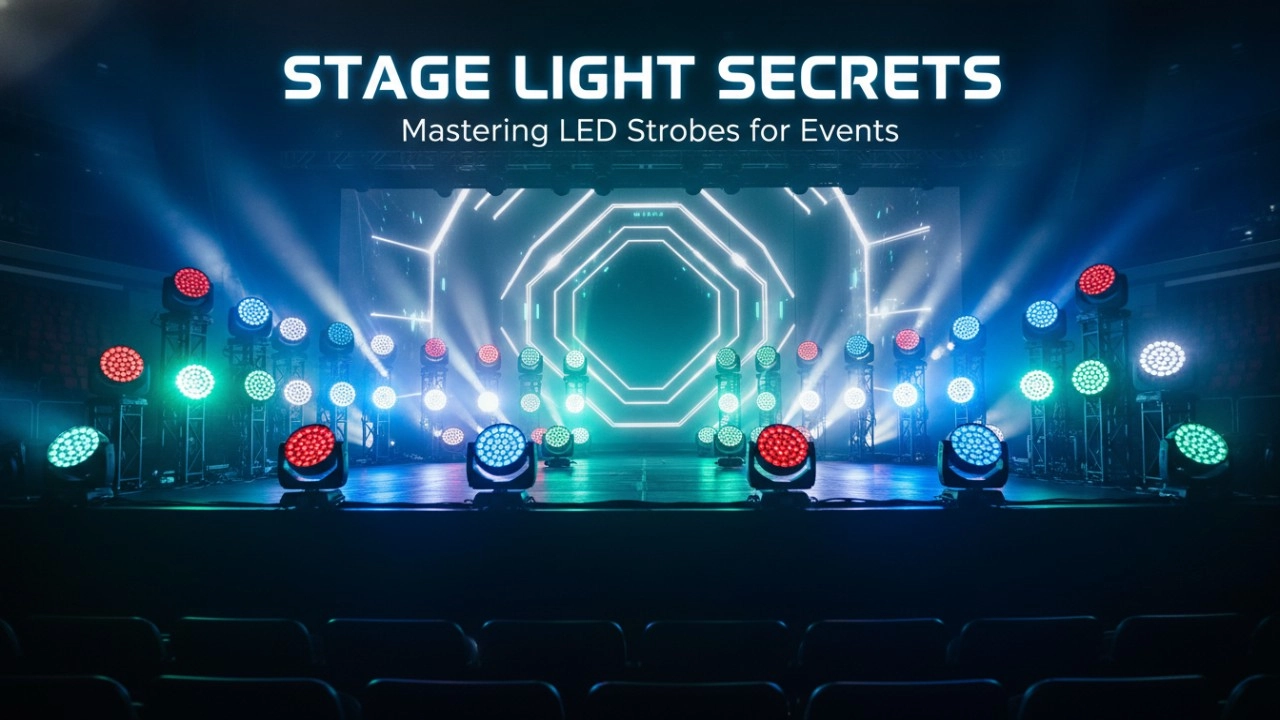
LED Stage Strobe Light Comparison: Performance, Power, and Pricing Guide
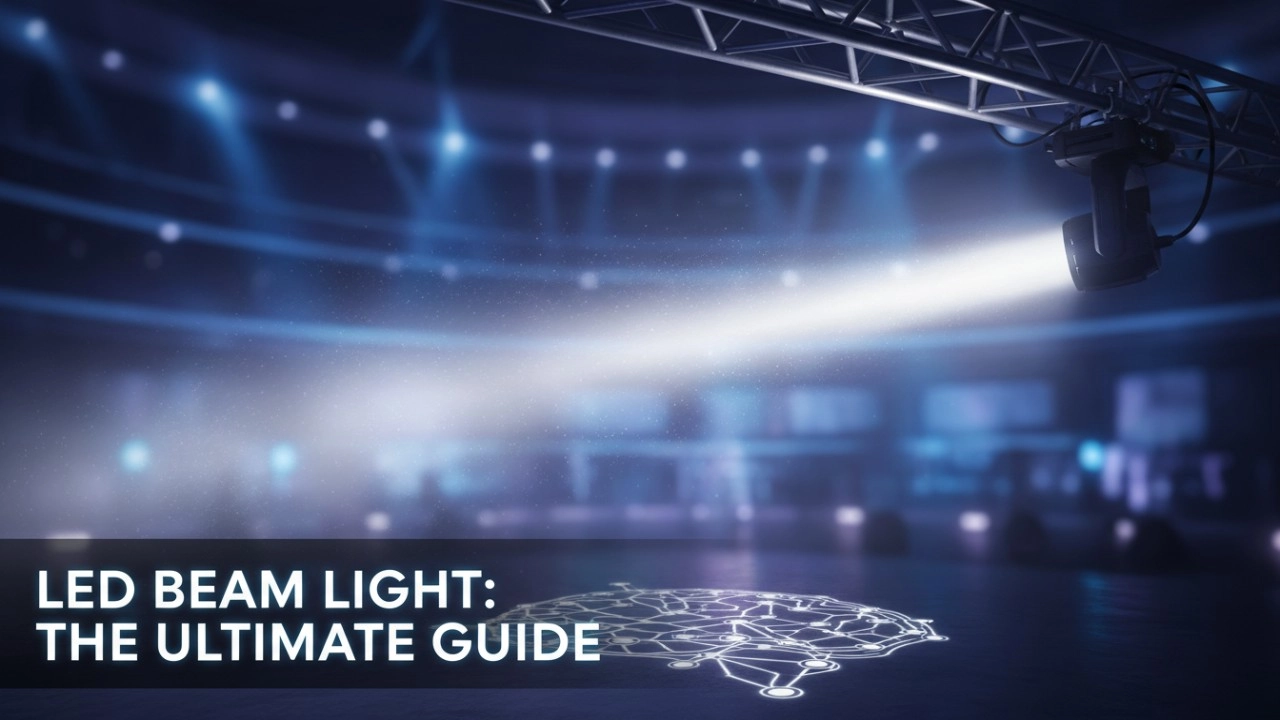
Why Your Venue Needs LED Beam Lights: A Cost-Benefit Analysis
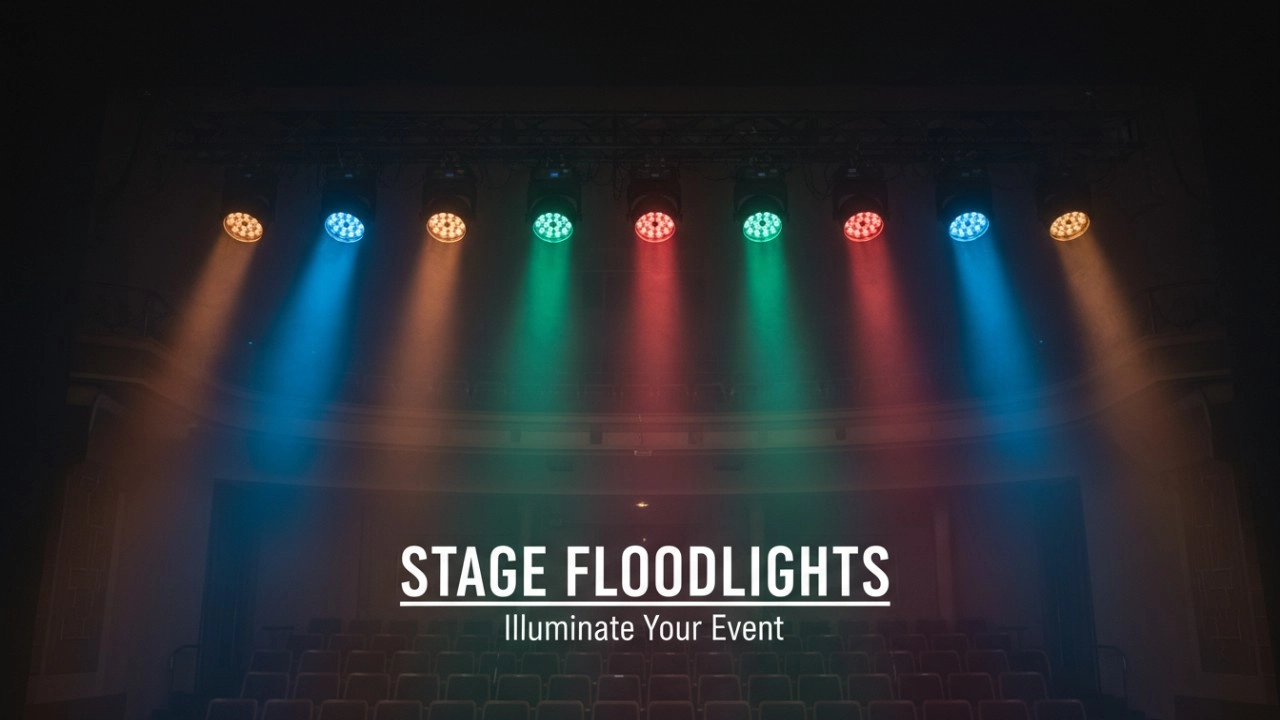
Spotlight vs. Stage Flood Lights: Which One Does Your Production Actually Need?
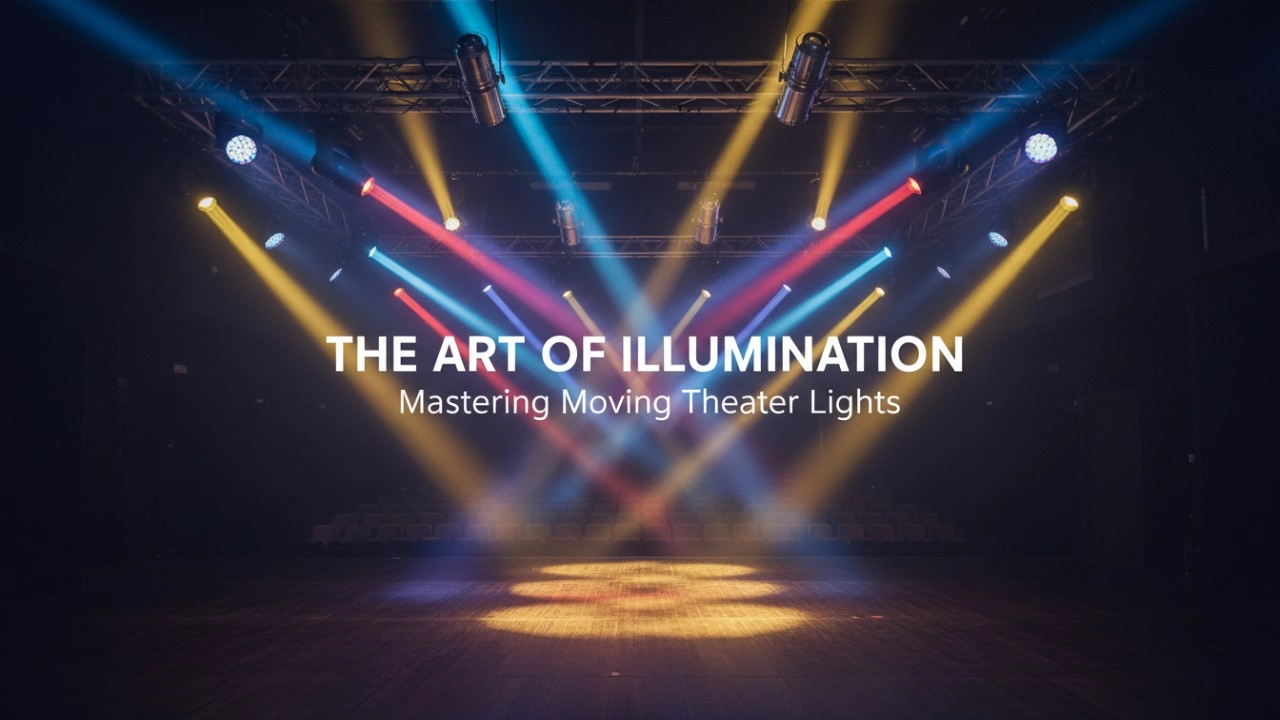
Spotlight vs. Floodlight vs. Beamlight: A Comparison of Moving Stage Lighting Fixtures
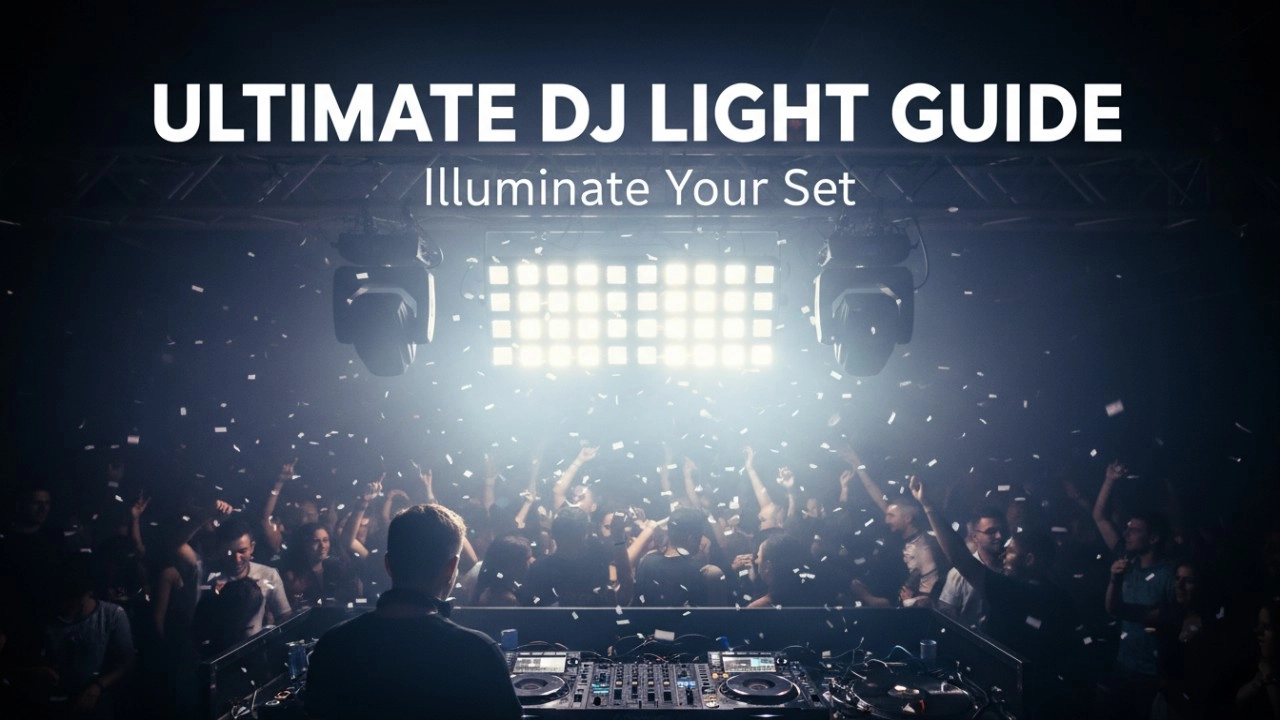
Mastering the Flash: 7 Advanced Strobe DJ Light Techniques for Pro Entertainers
Products
Do your lights support DMX512 and other control protocols?
Yes. All LiteLEES stage lights are fully compatible with DMX512. Many models also support RDM, Art-Net, and wireless DMX (optional), ensuring seamless integration with modern lighting control systems.
Can I customize the functions or software of the lights?
Absolutely. As a manufacturer with independent R&D capabilities, we offer customization for both hardware and software (such as DMX channel layout, built-in programs, or UI language). Contact us with your project needs, and our team will provide tailored solutions.
What is the lifespan of your LED stage lights?
Our LED lights use high-quality chips with a rated lifespan of over 50,000 hours. Proper usage and maintenance ensure long-term reliability and stable performance, making them a smart investment for any venue.
Company
Where is LiteLEES located?
Our headquarters and manufacturing facility are located in Guangzhou, China, with products exported to over 70 countries worldwide.
Can LiteLEES handle OEM/ODM orders?
Absolutely. With our strong R&D capabilities and advanced manufacturing, we can customize designs, features, and branding to meet your specific needs.
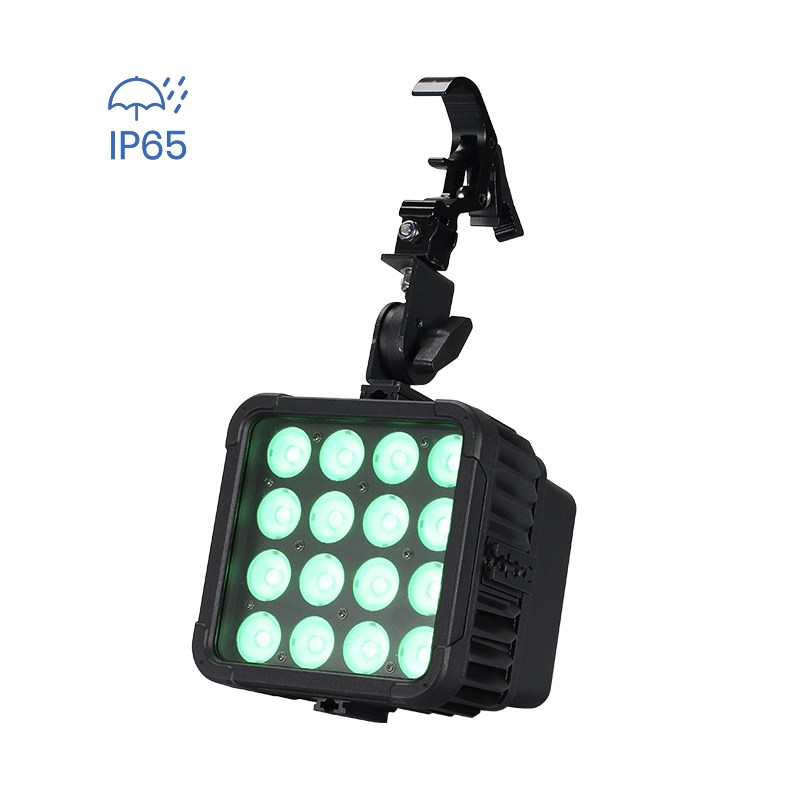
Magic Cube V6 IP
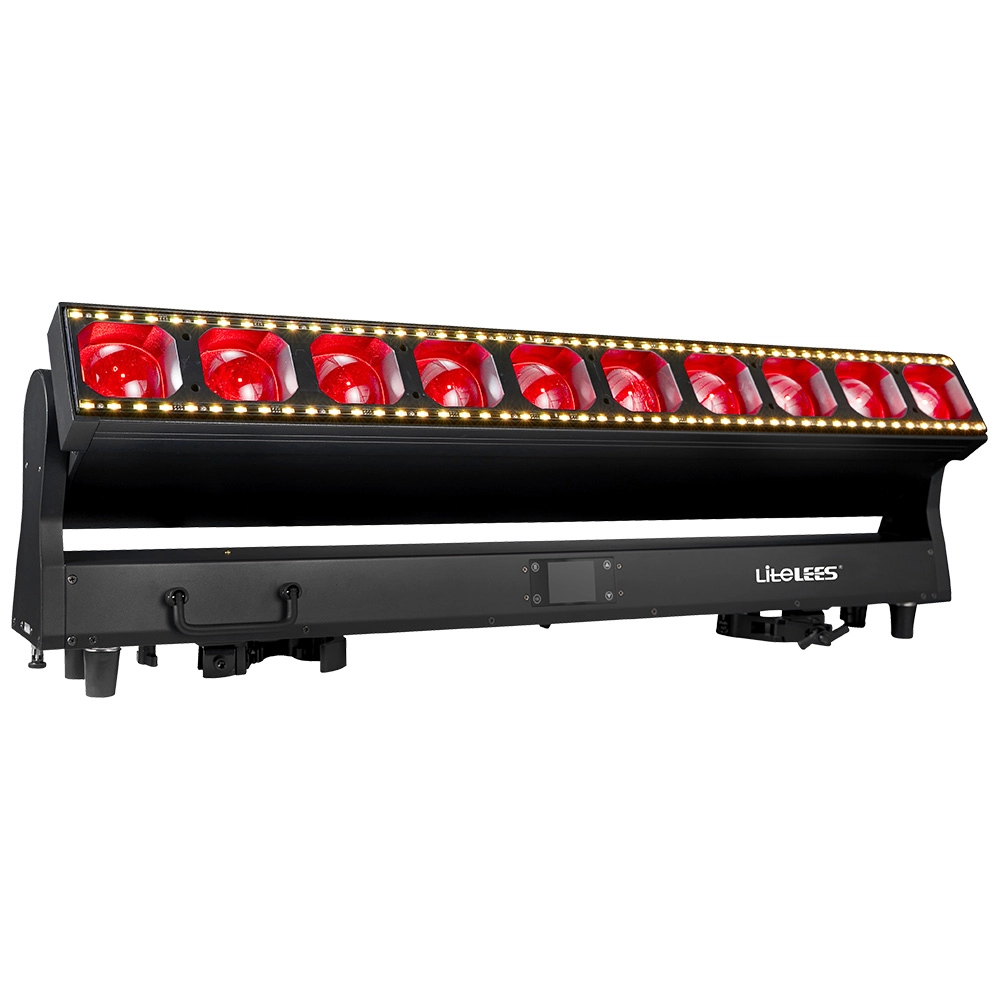

Stormy Shake Blinder IP
Want to get more up-to-date information?
If you have any comments or good suggestions, please leave us a message; later our professional staff will contact you as soon as possible.

We are professional stage lighting manufacturers offering OEM and ODM LED stage lights.
Contact
Email us
Call us
Address
No.6 Longnan Road, Huashan Town, Huadu District Guangzhou, Guangdong Province, China.
LiteLEES Professional
Less Lighting