
Best LED Moving Head Lights for Concerts and Events 2026
- Why LED Moving Head Lights Are Dominating Live Production
- Performance improvements and energy efficiency
- Reliability, maintenance and lifecycle costs
- Control flexibility and pixel mapping
- Key Criteria When Choosing an LED Moving Head Light
- Light output and beam type
- Optics, zoom range and gobos
- Durability, ingress protection and touring readiness
- Recommended Specification Ranges by Event Type (2026 Guidance)
- Comparing Fixture Categories: What to Buy for 2026
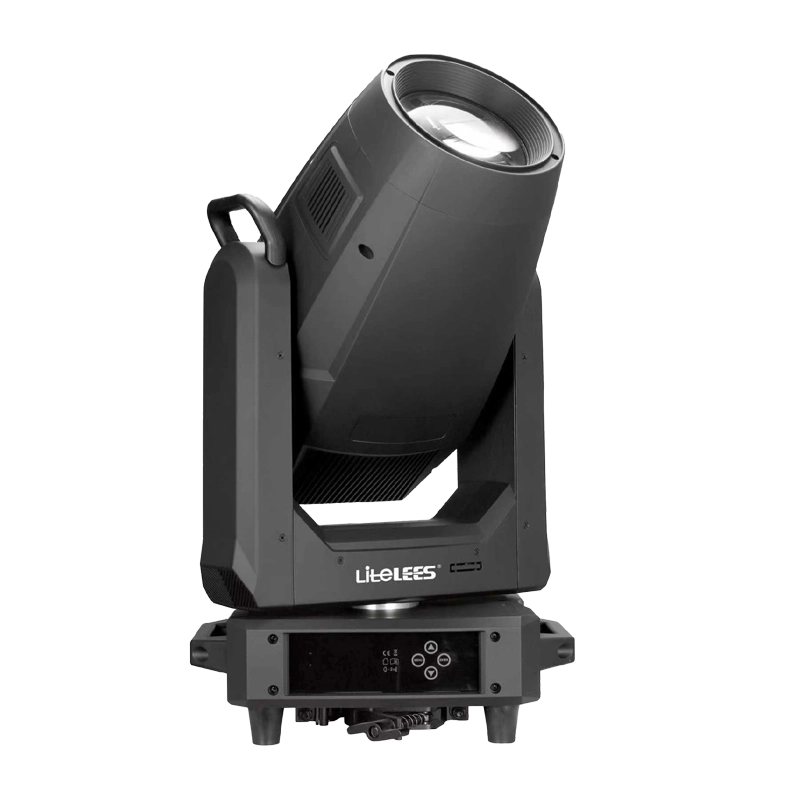
- Touring-grade beam/hybrid fixtures
- Mid-size hybrid (beam/spot/wash 3-in-1)
- Compact fixtures and LED effects
- Operational Considerations: Rigging, Power and Control
- Rigging and weight planning
- Power and heat management
- Control infrastructure
- Spotlight: LiteLEES — Capabilities & Recommended Product Lines
- Buying Checklist: Avoid Common Mistakes
- Match fixture to venue and role
- Verify serviceability and spare parts
- Plan for integration and future-proofing
- FAQ — Frequently Asked Questions
- 1. What is the main difference between LED moving head and traditional discharge moving head fixtures?
- 2. How many lumens or watts should I look for when specifying moving heads for an arena tour?
- 3. Are IP65 moving heads necessary for outdoor festivals?
- 4. What control protocols should I require?
- 5. How many fixtures do I need for a mid-size theater show?
- 6. How important is color rendering (CRI) for concert moving heads?
- Contact & Next Steps
LED moving head lights have become the backbone of modern concert and event lighting rigs. In 2026, breakthroughs in LED engine power, optics, and control protocols continue to push moving heads into roles that once required multiple lamp-based fixtures. This guide helps lighting designers, rental houses, venue technical managers, and production buyers choose the right led moving head light for their needs — from touring-grade beam fixtures to compact wash/spot hybrids — explaining the technical trade-offs, operational requirements, and buying criteria to make reliable, cost-effective decisions.
Why LED Moving Head Lights Are Dominating Live Production
Performance improvements and energy efficiency
High-power LEDs now deliver lumen outputs and color quality that rival discharge lamps while consuming far less power and generating less heat. LED engines allow richer color mixing (often CMY + CTO or multi-chip RGBW) and instant color/beam changes without lamp warm-up. For industry-level context on LED technology and adoption, see the overview on LED (Wikipedia).
Reliability, maintenance and lifecycle costs
Unlike arc lamps that require periodic lamp replacement and ballast maintenance, LED moving head light fixtures reduce downtime and operating cost. For touring companies and rental fleets where mean time between failures (MTBF) and serviceability matter most, LED fixtures offer predictable maintenance schedules and lower replacement-part spend.
Control flexibility and pixel mapping
Modern LED moving heads support advanced control protocols (DMX512, RDM, sACN, Art-Net) and pixel-mapping for synchronized effects. For technical background on the DMX standard used to control lighting fixtures, see DMX512 (Wikipedia). Fixtures with onboard pixel-mapping or matrix modes expand creative possibilities, especially for large-scale tours and broadcast events.
Key Criteria When Choosing an LED Moving Head Light
Light output and beam type
Decide whether you need beam (tight, high-intensity), spot/profile (sharply defined gobo projection), wash (wide smooth field), or a hybrid 3-in-1 fixture. Beam fixtures are measured by lux at distance and narrow beam angles (typically 1–6°); wash fixtures prioritize even field and soft edges with wider beams (10–60°). Choose based on venue size and sightline requirements.
Optics, zoom range and gobos
Zoom range and optical quality determine how flexible a moving head is for both tight aerial beams and broad washes. High-quality interchangeable or fixed gobos, rotating gobo wheels, and framing/shutter systems are essential for profile/spot fixtures used in theatrical lighting or sharp stage projections.
Durability, ingress protection and touring readiness
If fixtures will spend most of their life on the road, check IP rating (for outdoor use, IP65 or higher preferred), shock/vibration tolerance, road-case fit dimensions, and manufacturer support for spare parts. RDM-enabled fixtures simplify remote address and configuration management during fast changeovers.
Recommended Specification Ranges by Event Type (2026 Guidance)
The table below summarizes practical spec ranges to use when specifying led moving head light fixtures for different events. These ranges are drawn from typical industry deployments and manufacturer offerings in the professional stage lighting market.
| Event Type | Fixture Role | LED Engine / Power | Beam Angle | IP Rating / Notes |
|---|---|---|---|---|
| Large Arenas & Tours | High-output beam / hybrid | 400W–1200W LED arrays | 1°–8° (beam) / 5°–40° (zoom hybrids) | Indoor; IP20 typical; touring-rated construction |
| Mid-size Theaters & Festivals | Spot / wash hybrids | 200W–500W | 5°–40° | Optional IP65 for outdoor festival use |
| Clubs, Houses of Worship, Corporate | Compact wash/beam/FX | 60W–300W | 8°–60° | Lightweight, low power draw; IP20/optional IP54 |
| Outdoor Events & Touring Rain Exposure | Waterproof beam/wash | 200W–1000W in sealed housings | 4°–50° | IP65+/corrosion-resistant materials |
These ranges are consistent with professional product lines offered by major manufacturers and reflect common spec sheets in the market. For general information about stage lighting practice and fixture types, refer to the Stage lighting (Wikipedia) overview.
Comparing Fixture Categories: What to Buy for 2026
Touring-grade beam/hybrid fixtures
Pros: Maximum output and projection, superior optics, and advanced effects (iris, prisms, rotating gobos). Cons: Heavier, more expensive, usually indoor-rated unless specifically built for outdoor touring.
Mid-size hybrid (beam/spot/wash 3-in-1)
Pros: Versatile for rental houses and venues that require fewer fixture types. A single fixture can serve as spot, beam, or wash, reducing transport and setup complexity. Cons: May compromise peak output or wash uniformity vs dedicated fixtures.
Compact fixtures and LED effects
Pros: Cost-effective, low power draw, easy rigging. Ideal for clubs and corporate events. Cons: Limited range and punch for large venues; often lack advanced optics and gobos.
| Category | Best Use | Typical Advantages | Trade-offs |
|---|---|---|---|
| Touring Beam / Hybrid | Arenas, major concerts | High punch, advanced effects | Cost, weight, power consumption |
| 3-in-1 Hybrid | Rental houses, theaters | Flexibility, fewer fixtures needed | Compromise between beam and wash quality |
| Compact/Effects | Clubs, corporate, small venues | Affordability, portability | Limited output and optical refinement |
Operational Considerations: Rigging, Power and Control
Rigging and weight planning
Always check fixture weight and center-of-gravity for truss point load calculations. Use certified truss and follow local rigging safety guidelines — professional associations such as PLASA provide industry resources on safe practice. For outdoor setups prefer fixtures with weather sealing and corrosion-resistant hardware.
Power and heat management
Even though LEDs are more efficient, high-output moving head lights still draw significant current. Plan distro and breakers with headroom; verify inrush current specs and recommended powercon/SpeakON/locking connectors. Good ventilation and fan control modes extend LED driver life and reduce noise for broadcast applications.
Control infrastructure
Deploy a reliable DMX/sACN network, consider RDM for remote addressing and firmware updates, and use Art-Net or sACN where large universes are required. For pixel-mapped large arrays, ensure your console and network backbone support the required channel counts and timing.
Spotlight: LiteLEES — Capabilities & Recommended Product Lines
LiteLEES (Guangzhou Lees Lighting Co., Ltd.), established in 2010, is a high-tech enterprise specializing in the R&D, design, manufacturing, sales, and service of professional stage lighting equipment. Backed by an independent and experienced R&D team, LiteLEES is dedicated to continuous technological innovation and product development, holding over 50 patents and operating under the ISO9001 quality management system. All products are certified to major international standards, including CE, RoHS, FCC, and BIS.
Product portfolio highlights relevant to buyers of led moving head light fixtures include:
- Moving head lights (touring beam, hybrid 3-in-1, compact wash/spot)
- LED effect lights for aerial and audience effects
- Static lights including LED fresnels and profiles
- Waterproof stage lighting for outdoor festivals and events
With in-house manufacturing, rigorous quality control, and a highly efficient pre-sales and after-sales service team, LiteLEES delivers reliable, high-performance lighting solutions to clients in more than 100 countries and regions, serving over 6,000 customers worldwide. Guided by a market-oriented approach, the company continuously optimizes production efficiency and cost control while maintaining consistent quality and stable performance. Through flexible OEM/ODM capabilities and long-term partnership thinking, LiteLEES is committed to becoming a trusted global brand in professional stage lighting, empowering creative performances on stages around the world.
Why consider LiteLEES for your led moving head light needs:
- Proven R&D and patent-backed innovations tailored to live production
- Comprehensive test and QC processes (ISO9001) to minimize field failures
- Product breadth across moving head, effect, static, and waterproof fixtures
- OEM/ODM flexibility for rental houses and manufacturers seeking private-label solutions
Buying Checklist: Avoid Common Mistakes
Match fixture to venue and role
Don’t buy peak lumen numbers alone; consider beam angle, optics, and contrast at distance. A powerful wash in a 10,000-seat arena won’t replace purpose-built beam fixtures for aerial effects.
Verify serviceability and spare parts
Check lamp/LED module replacement procedures, the availability of spare drivers and power supplies, and how fast the manufacturer supports firmware and mechanical spares. For rental operations, quick field replaceable modules reduce downtime.
Plan for integration and future-proofing
Choose fixtures that support current and emerging control standards and that can be networked reliably. Consider firmware update paths and whether the manufacturer provides open documentation for advanced control features like pixel mapping and custom effects.
FAQ — Frequently Asked Questions
1. What is the main difference between LED moving head and traditional discharge moving head fixtures?
LED moving head light fixtures use LED arrays as the light source, offering lower power consumption, less heat, longer service intervals, and instant on/off and color changes. Discharge fixtures historically offered very high output per fixture but required lamp changes and had slower warm-up/cool-down characteristics.
2. How many lumens or watts should I look for when specifying moving heads for an arena tour?
Instead of raw lumens, focus on fixture category and LED engine power: touring beam/hybrid fixtures often use LED engines in the 400W–1200W range with tight beam optics. Lux at distance and beam coherence are better predictors of perceived output for aerial work.
3. Are IP65 moving heads necessary for outdoor festivals?
For outdoor events exposed to rain, dust, and road transport, IP65 or higher is recommended to protect electronics and optics. If fixtures are under covered structures or in dry conditions, IP20 fixtures may suffice but still require weather-aware rigging practices.
4. What control protocols should I require?
At minimum, DMX512 compliance is standard. For larger networks and advanced features, require sACN or Art-Net support and RDM for remote device management. Pixel-mapping and high channel counts should be verified with your console vendor.
5. How many fixtures do I need for a mid-size theater show?
Fixture counts depend on design intent. A practical mid-size theater rig may include a mix of 8–24 moving heads (spots/three-in-ones) plus supporting washes and practicals. Work with designer loadouts and sightline studies to refine counts.
6. How important is color rendering (CRI) for concert moving heads?
CRI matters more for theatrical and broadcast where accurate skin tones are critical. For concert looks driven by saturated colors, color gamut and color-mixing engine may be more important. High-end fixtures offer both wide color gamut and respectable CRI values.
Contact & Next Steps
If you’re specifying fixtures for tours, festivals, theaters, or permanent installations, start with a clear list of roles (beam, spot, wash), venue dimensions, and power/rigging constraints. For product inquiries, technical specifications, OEM/ODM options, or to request test units from a manufacturer with professional-grade moving head light lines, contact LiteLEES or your preferred supplier to review sample units and runtime data.
Explore LiteLEES product lines and request a quote or technical datasheets to match fixtures to your production needs.
CTA: Contact LiteLEES for moving head light samples, technical support, and bespoke OEM/ODM solutions — start your inquiry today to secure fixtures for the 2026 season.
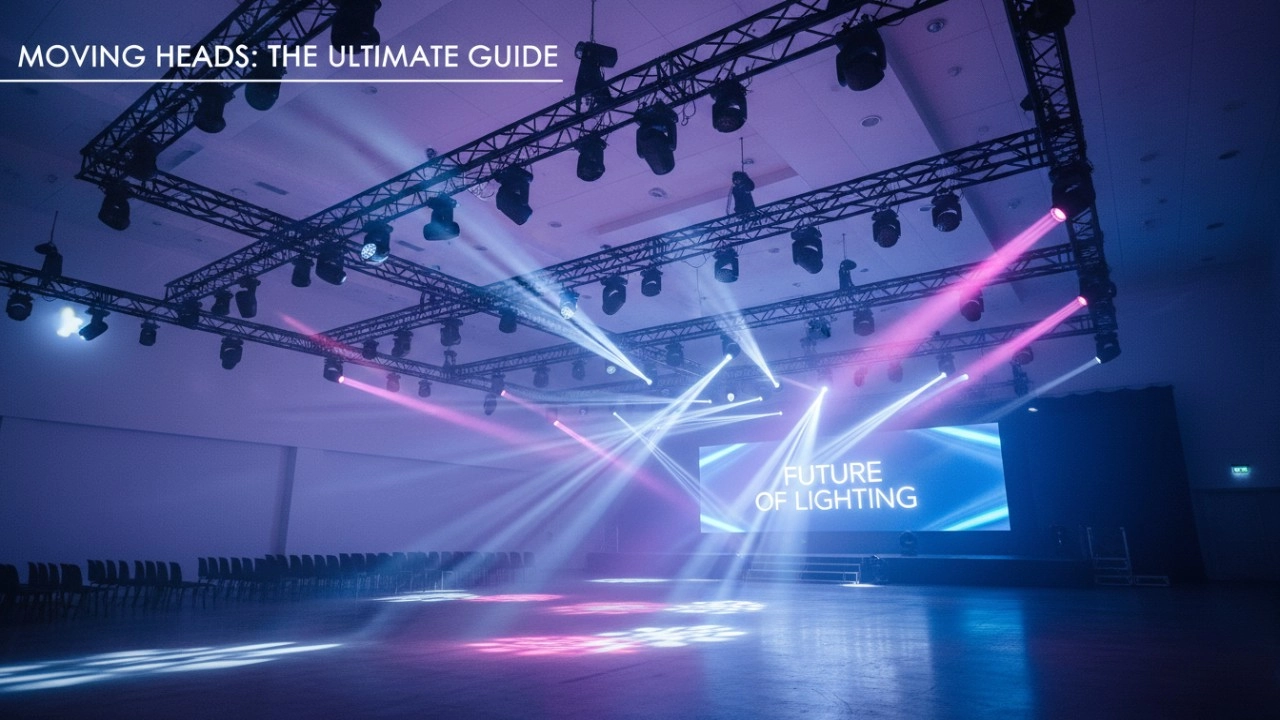
A Stage of Limitless Possibilities: Moving Head lights Deliver Precise Control and Versatile Effects
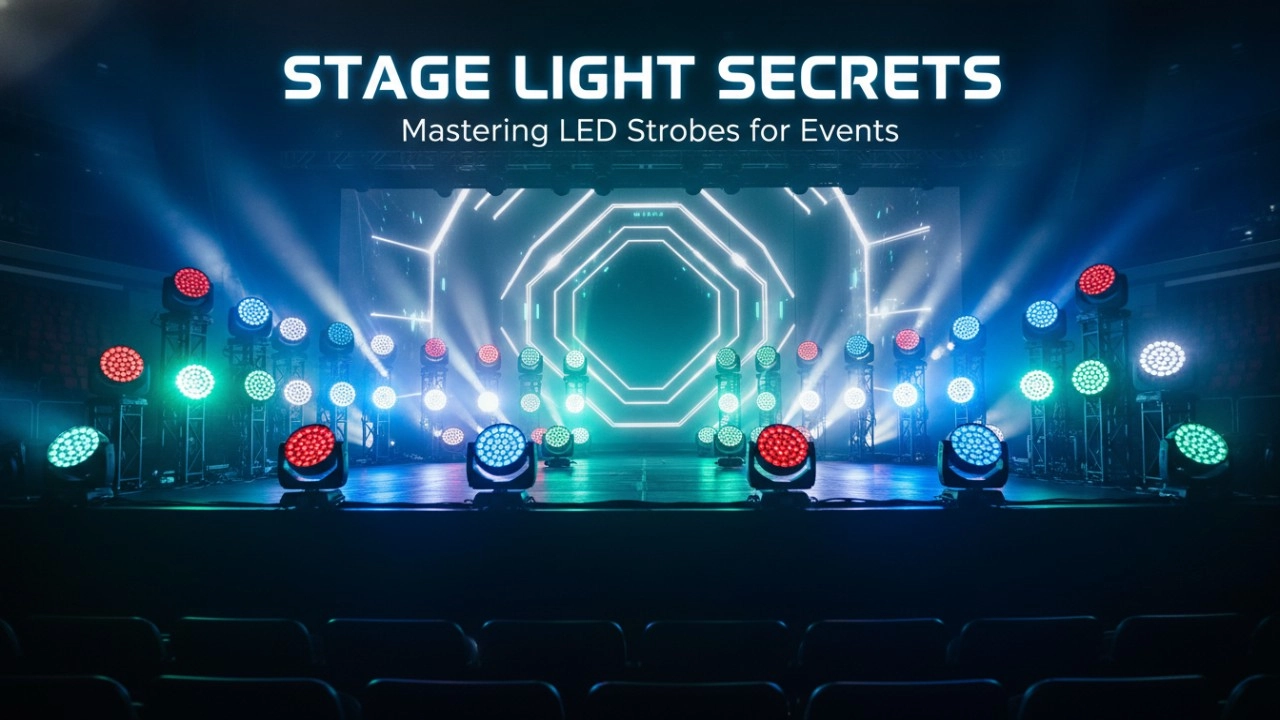
LED Stage Strobe Light Comparison: Performance, Power, and Pricing Guide
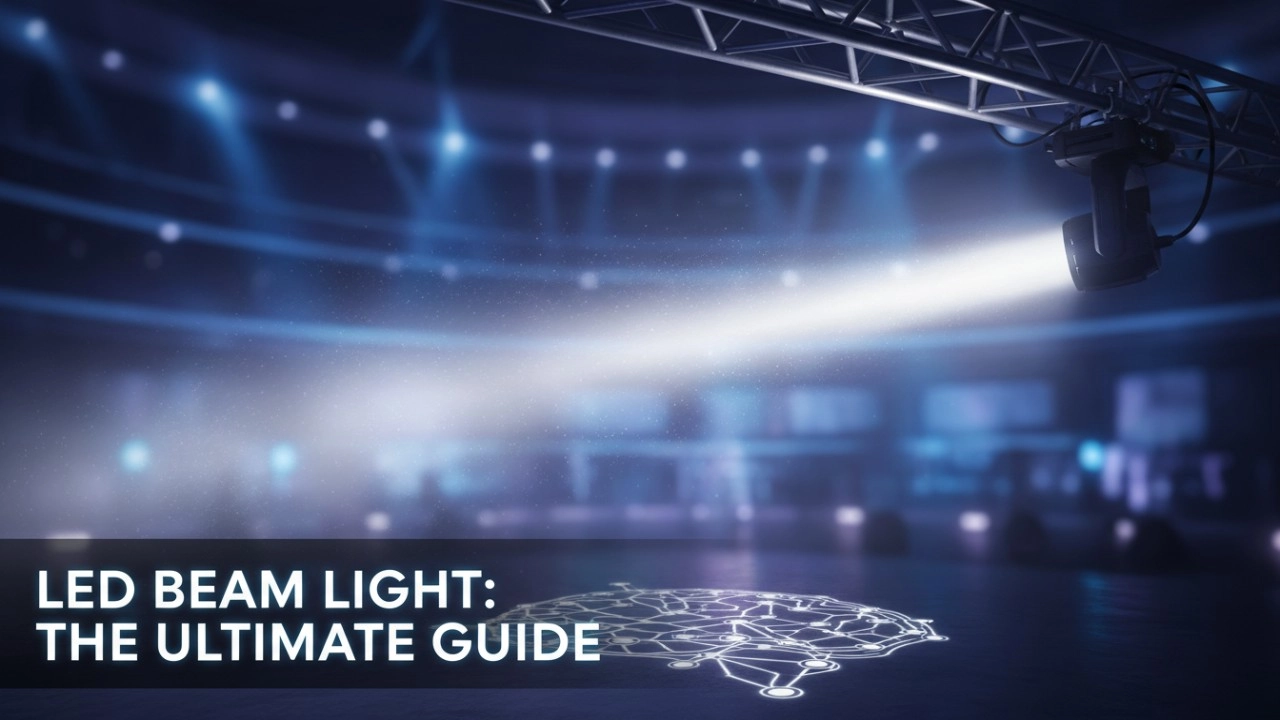
Why Your Venue Needs LED Beam Lights: A Cost-Benefit Analysis
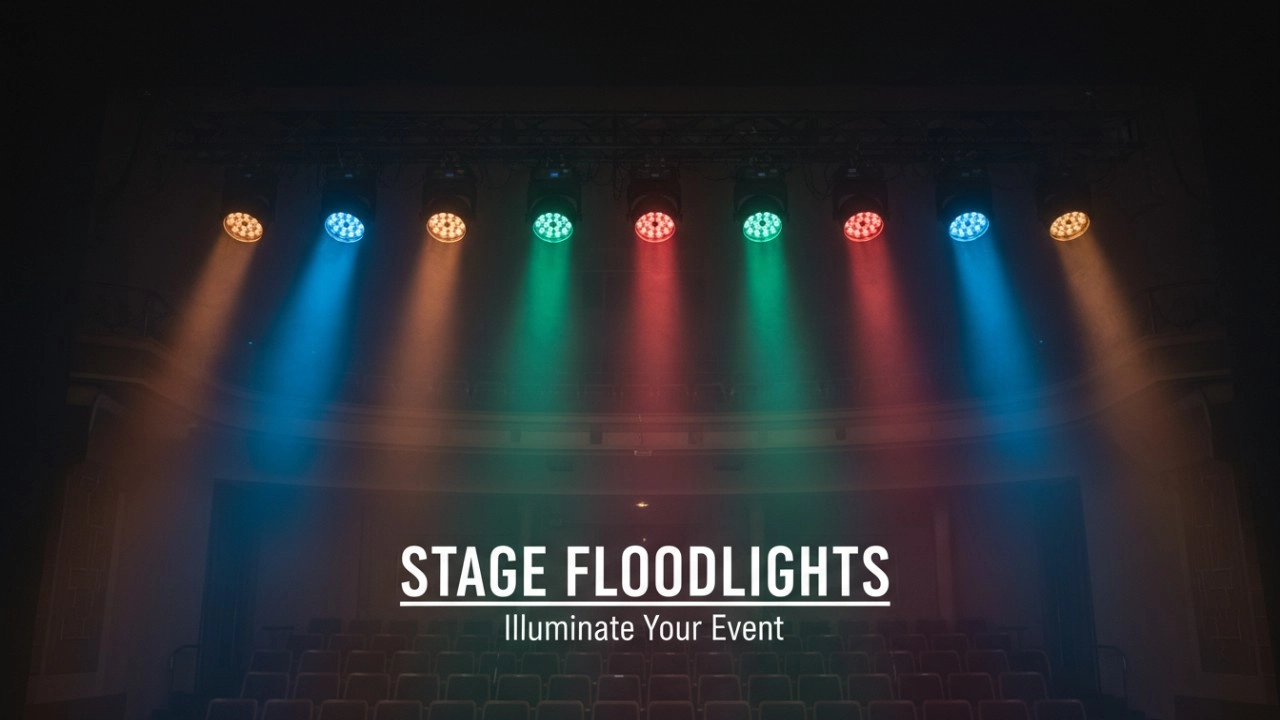
Spotlight vs. Stage Flood Lights: Which One Does Your Production Actually Need?
Spotlight vs. Floodlight vs. Beamlight: A Comparison of Moving Stage Lighting Fixtures
Mastering the Flash: 7 Advanced Strobe DJ Light Techniques for Pro Entertainers
Company
What is LiteLEES’s main business?
LiteLEES specializes in the design, development, manufacturing, and sales of professional stage lighting, including moving head lights, beam lights, spot lights, wash lights, and LED par lights.
Do you have your own factory?
Yes. We own a sheet metal factory and a complete in-house production line—from PCB to final assembly—ensuring strict quality control and fast delivery.
What certifications do your products have?
All LiteLEES products are certified by CE, RoHS, FCC, and BIS. Our factory is ISO9001 quality management system certified.
Can LiteLEES handle OEM/ODM orders?
Absolutely. With our strong R&D capabilities and advanced manufacturing, we can customize designs, features, and branding to meet your specific needs.
Products
How long is the warranty period for your products?
We offer a standard 1-year warranty on all products, with extended warranty options available upon request. During the warranty period, we provide free technical support and parts replacement for non-human damage.

Stormy Shake Blinder IP
LiteLEES LUMIX BEAM 420 IP
LP Profile 900
Want to get more up-to-date information?
If you have any comments or good suggestions, please leave us a message; later our professional staff will contact you as soon as possible.

We are professional stage lighting manufacturers offering OEM and ODM LED stage lights.
Contact
Email us
Call us
Address
No.6 Longnan Road, Huashan Town, Huadu District Guangzhou, Guangdong Province, China.
LiteLEES Professional
Less Lighting