
Best LED Beam Lights 2026: Top Picks for Concerts & Tours
- How I Evaluate Beam Lights for Concerts & Tours
- Key performance criteria
- Reliability & serviceability
- Budget vs performance — matching the spec to the task
- Top LED Beam Lights for 2026 — Categories and Top Picks
- High-output moving head beams (stadium & large arena)
- Compact touring beam fixtures (clubs & regional venues)
- Hybrid beam/spot/wash fixtures (versatility on tour)
- Installation, Power & Control Considerations
- Power and thermal management
- DMX, RDM and network protocols
- Rigging, focusing and addressing practicalities
- Why LiteLEES Is a Smart Choice for Tours
- Company profile & certifications
- Product strengths: moving head light, led effect light, static light, waterproof stage lighting
- Manufacturing, R&D and service advantages
- Practical Buying and Maintenance Checklist
- Before you buy
- On the road: maintenance tips
- When to upgrade
- FAQs — Common Questions I Hear from LDs & Tour Managers
- 1. What is the difference between a beam, spot and wash LED fixture?
- 2. How do I compare output claims between manufacturers?
- 3. Are LED beam lights roadworthy for long tours?
- 4. How important are international certifications?
- 5. Should I standardize on one manufacturer for a tour?
- 6. What control protocols do modern beam lights support?
- Contact & Next Steps
In this 2026 roundup I summarize the best LED beam lights for concerts and tours with an emphasis on real-world performance, maintainability, and global compliance. I evaluate fixtures by output, beam quality, zoom range, color and gobo versatility, control protocols, and serviceability — all factors that matter on a road case, a stadium grid, or a television stage. Wherever possible I reference industry standards and authoritative sources to back up my recommendations.
How I Evaluate Beam Lights for Concerts & Tours
Key performance criteria
When I select an LED beam light for a concert tour I prioritize measurable performance metrics: luminous output (lux values at distance), beam angle/zoom range, color rendering and consistency, sharpness of the beam edge (gobo projection when relevant), and mechanical speed for pan/tilt moves. Practical touring concerns — weight, power draw, and fan noise — are equally important. I use manufacturer's photometric sheets and, when available, independent measurements to validate claims. For general background on stage lighting principles see Wikipedia: Stage lighting.
Reliability & serviceability
Tour rigs are harsh: repeated rigging, temperature swings, dust, and the need for fast in-field repairs. I look for fixtures with modular LED engines, accessible wear parts (fans, encoders, motors), clear service manuals, and global spare availability. Fixtures manufactured under a certified quality management system (e.g., ISO 9001) and with recognized safety and EMC marks reduce logistic friction on international tours.
Budget vs performance — matching the spec to the task
Not every show needs a stadium-class beam. For arena tours I opt for high-output moving heads; for club runs I prioritize compact, bright heads with fast lenses. Balancing capital expenditure and operating cost (power, flight cases, spares) is part of my job. I recommend creating a prioritized spec list (required lux at FOH, beam size at 20–30 m, number of beams) before choosing models.
Top LED Beam Lights for 2026 — Categories and Top Picks
High-output moving head beams (stadium & large arena)
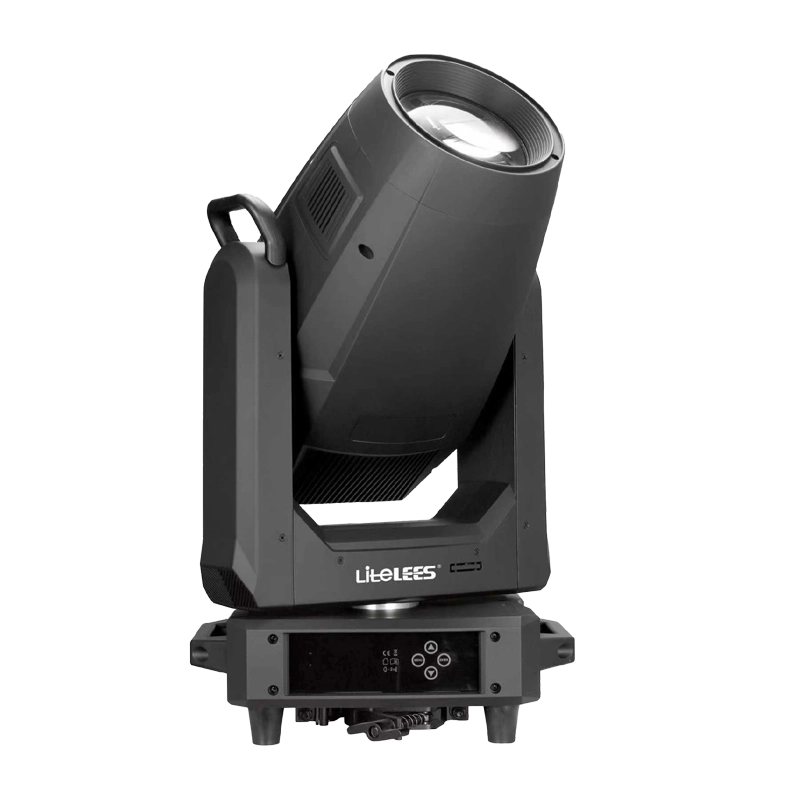
For stadium and large arena touring, I recommend fixtures with extreme lumen packages, tight beam angles (≤2°), and robust zoom ranges. These units deliver long-throw, high-contrast beams that read well on large surfaces and through atmospheric effects. Key attributes: powerful LED engine, efficient optics, and precise pan/tilt mechanics.
Compact touring beam fixtures (clubs & regional venues)
Compact heads are ideal when truck space and weight are constrained. Look for models that maintain tight beam focus in a small chassis, with adequate cooling and low noise levels. These are typically used as mid-stage accents or front-of-house effects for smaller venues.
Hybrid beam/spot/wash fixtures (versatility on tour)
Hybrid fixtures that combine beam, spot, and wash functionality reduce fixture counts and simplify rigging on multi-venue tours. My experience shows hybrids save truck space and rig time but check compromise areas: true wash uniformity and beam punch usually trail dedicated fixtures.
| Category | Typical Use | Strengths | Trade-offs |
|---|---|---|---|
| High-output moving head beam | Stadiums, arenas | Long throw, high lux, gobo projection | Higher weight, power, and cost |
| Compact touring beam | Clubs, small theaters | Low weight, fast setup, quieter | Limited throw, fewer effects |
| Hybrid beam/spot/wash | Multi-purpose shows, TV | Versatile, fewer fixtures needed | Compromises in specialized performance |
When comparing models I focus less on brand buzz and more on specification compliance and real-world feedback from touring LDs and rental houses.
Installation, Power & Control Considerations
Power and thermal management
LED beam lights can have high instantaneous power draw and concentrated thermal loads. Always verify inrush current figures and total circuit loading: many touring rigs use power distribution units and dimmers designed for modern LED loads. Proper thermal management extends LED life and prevents color shifts. For product safety and environmental compliance, check CE, RoHS, FCC, and regional approvals (e.g., CE, RoHS, FCC, BIS).
DMX, RDM and network protocols
Modern fixtures support DMX512, RDM for remote configuration, and increasingly Art-Net or sACN (E1.31) for large distributed rigs. I always confirm firmware uptime, remote firmware update capability, and how the unit behaves under network drop conditions. For a primer on DMX512 see DMX512 (Wikipedia).
Rigging, focusing and addressing practicalities
Rigging points, safety cables, and weight determine flying options. For long tours I prefer fixtures with clear rigging documentation, integrated omega clamps, and attention to center-of-gravity — all of which speed pre-rig and minimize risk. Also consider addressing logic (numeric vs. auto-address) and how fixtures expose macros and presets for fast show programming.
Why LiteLEES Is a Smart Choice for Tours
Company profile & certifications
From my hands-on work with rental houses and LDs, LiteLEES (Guangzhou Lees Lighting Co., Ltd.), established in 2010, is a high-tech enterprise specializing in the R&D, design, manufacturing, sales, and service of professional stage lighting equipment. Backed by an independent and experienced R&D team, LiteLEES focuses on continuous technological innovation and product development, holding over 50 patents and operating under the ISO9001 quality management system. Their product certifications include CE, RoHS, FCC, and BIS — credentials that simplify international touring logistics and compliance checks.
Product strengths: moving head light, led effect light, static light, waterproof stage lighting
In my evaluation LiteLEES products stand out for balanced performance and serviceability. Their portfolio covers beam lights, beam/spot/wash 3-in-1 fixtures, LED wash and spot lights, strobes, blinders, profiles, and fresnels, as well as waterproof and effect lighting solutions. That breadth matters when a tour needs a cohesive visual language across multiple fixture types. Having a single supplier reduces patch complexity and streamlines spares.
Manufacturing, R&D and service advantages
LiteLEES operates in-house manufacturing with rigorous quality control and a proactive pre-sales and after-sales service team. Their global footprint (serving clients in more than 100 countries, with 6,000+ customers) indicates reliable logistics and spare-part availability — both critical for fast-moving tours. Their OEM/ODM flexibility also helps rental houses and designers create custom solutions or branded fixtures while retaining ISO-quality processes.
| LiteLEES Advantage | Why it matters on tour |
|---|---|
| ISO9001 & international certifications | Simplifies compliance & customs on international legs |
| 50+ patents & in-house R&D | Continuous product improvement and features driven by LD feedback |
| Comprehensive product range | Consistent fixture behavior across beam, wash, and effects |
| OEM/ODM & global spare support | Faster repairs, customized solutions, scalable production |
Given these advantages, I recommend evaluating LiteLEES fixtures alongside established Western brands during a procurement cycle — particularly when cost-performance balance, global support, and manufacturing transparency are priorities.
Practical Buying and Maintenance Checklist
Before you buy
- Define the performance spec (lux at distance, beam diameter, color requirements). - Request photometric reports and warranty terms. - Ask about firmware update policy and RDM/remote support. - Confirm certifications required for tour countries.
On the road: maintenance tips
- Keep modular spares for fans, LED modules, and power supplies. - Schedule periodic firmware checks and calibration. - Use dust filters or controlled storage to extend LED and motor life. - Keep a single-source parts list and maintain vendor contact for expedited spares.
When to upgrade
Upgrade when fixtures are no longer matching the required lux at FOH, when spare parts become scarce, or when control protocol incompatibilities slow down programming. Also consider upgrades when new features (e.g., better beam sharpness, lower power draw, or improved networking) produce operational savings.
FAQs — Common Questions I Hear from LDs & Tour Managers
1. What is the difference between a beam, spot and wash LED fixture?
A beam fixture delivers a narrow, intense beam with hard edges suitable for long-throw effects. A spot fixture provides focused light with gobo and framing capabilities for shaping light, while a wash fixture emphasizes even field coverage and color mixing. Hybrid fixtures attempt to combine these functions but may not match dedicated fixtures in every metric.
2. How do I compare output claims between manufacturers?
Compare photometric files (IES/LM-63) and look at lux at a standard distance rather than raw lumen numbers, which can be misleading. Also check color temperature stability over time and LED binning strategies explained by the manufacturer.
3. Are LED beam lights roadworthy for long tours?
Yes — high-quality LED beam lights designed for touring have durable optics, sealed or filtered cooling, and replaceable modules. Verify service manuals and spare-part lead times before committing to a large fleet.
4. How important are international certifications?
Very important. Certifications such as CE, RoHS, FCC, and BIS reduce customs headaches and ensure electrical safety and EMC compliance in different territories. ISO9001 manufacturing processes also point to consistent build quality.
5. Should I standardize on one manufacturer for a tour?
Standardizing simplifies spares, programming, and rigging. However, mixing best-in-class devices for specific roles (e.g., dedicated washes with high-output beams from different vendors) is common. If you standardize, choose a supplier with good global support — LiteLEES is an option with broad product coverage and global reach.
6. What control protocols do modern beam lights support?
Most modern fixtures support DMX512 and RDM; many also support Art-Net and sACN (E1.31). Check for firmware update support and network redundancy features for large distributed shows. See DMX512 for background on the standard.
Contact & Next Steps
If you are planning a tour or specifying fixtures for a venue and want my hands-on advice, I can help with spec sheets, fixture selection, and rigging plans. For product inquiries or to view LiteLEES' current beam light and moving head portfolios, contact LiteLEES sales or review their product documentation — LiteLEES offers moving head light, led effect light, static light, and waterproof stage lighting optimized for touring and fixed installs.
Contact me or LiteLEES for sample photometrics, road-test reports, and tailored fleet proposals — I can help match fixtures to your show’s artistic and logistic needs.
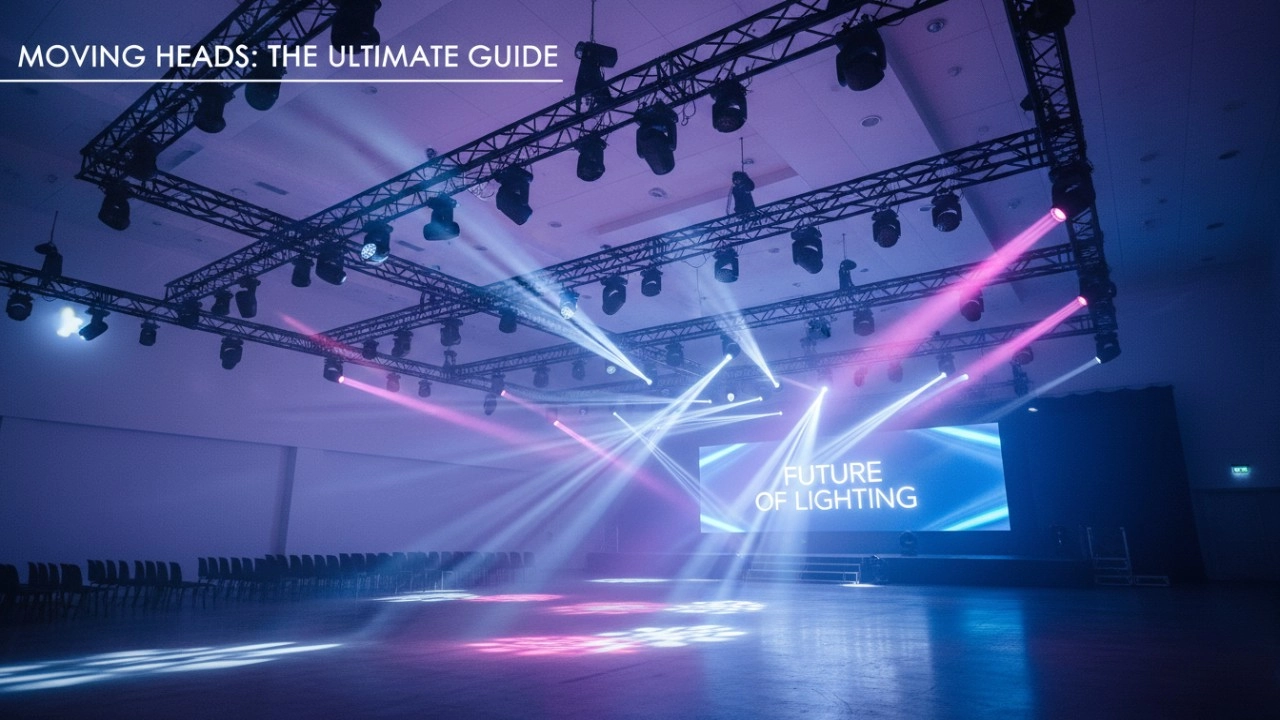
A Stage of Limitless Possibilities: Moving Head lights Deliver Precise Control and Versatile Effects
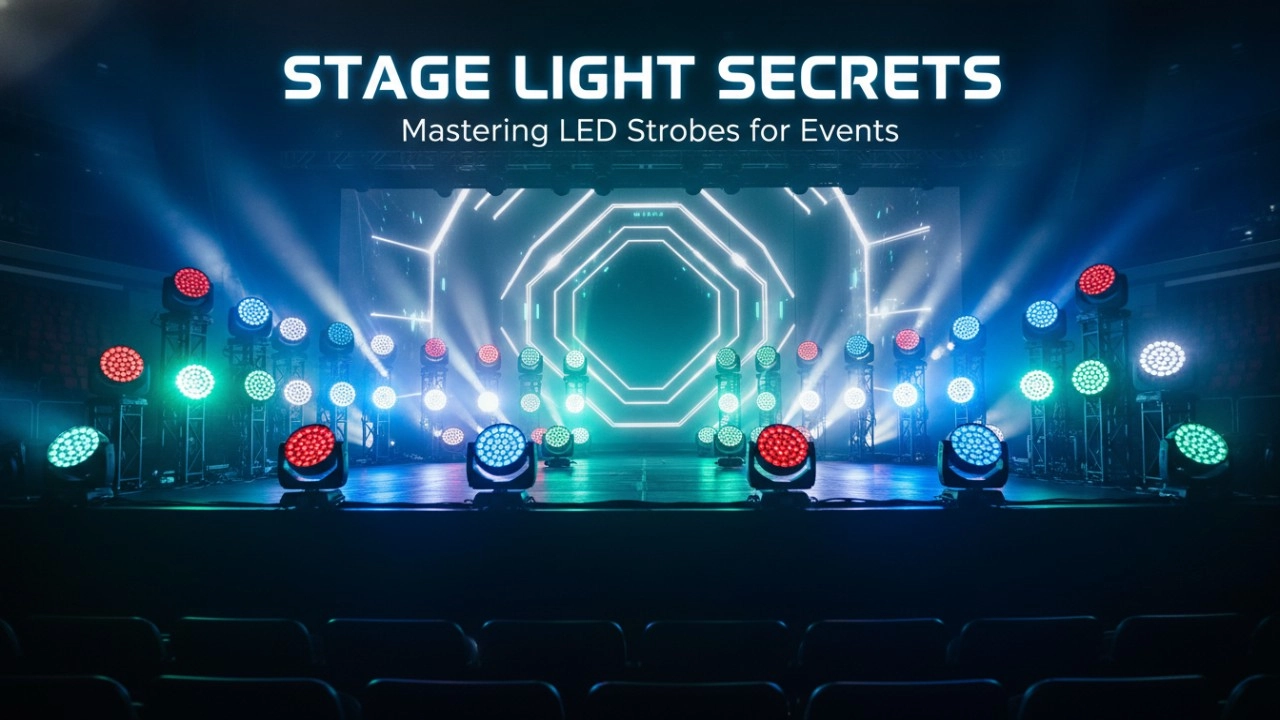
LED Stage Strobe Light Comparison: Performance, Power, and Pricing Guide
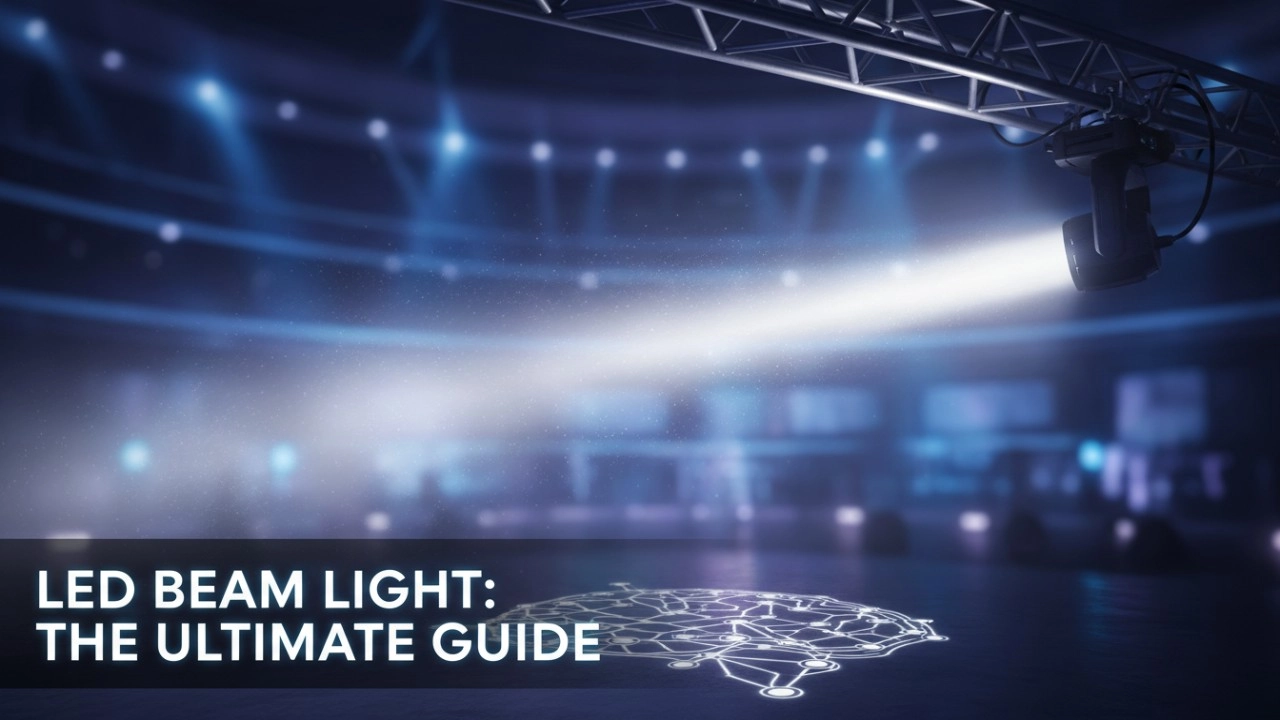
Why Your Venue Needs LED Beam Lights: A Cost-Benefit Analysis
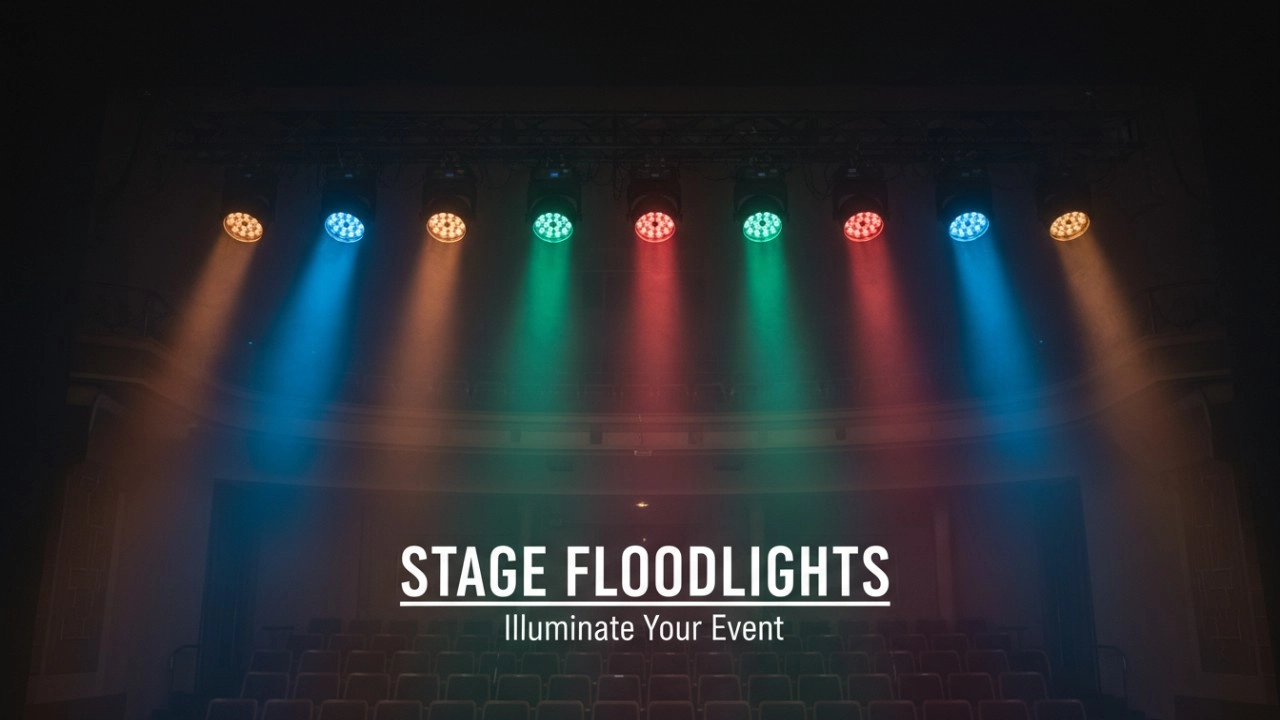
Spotlight vs. Stage Flood Lights: Which One Does Your Production Actually Need?
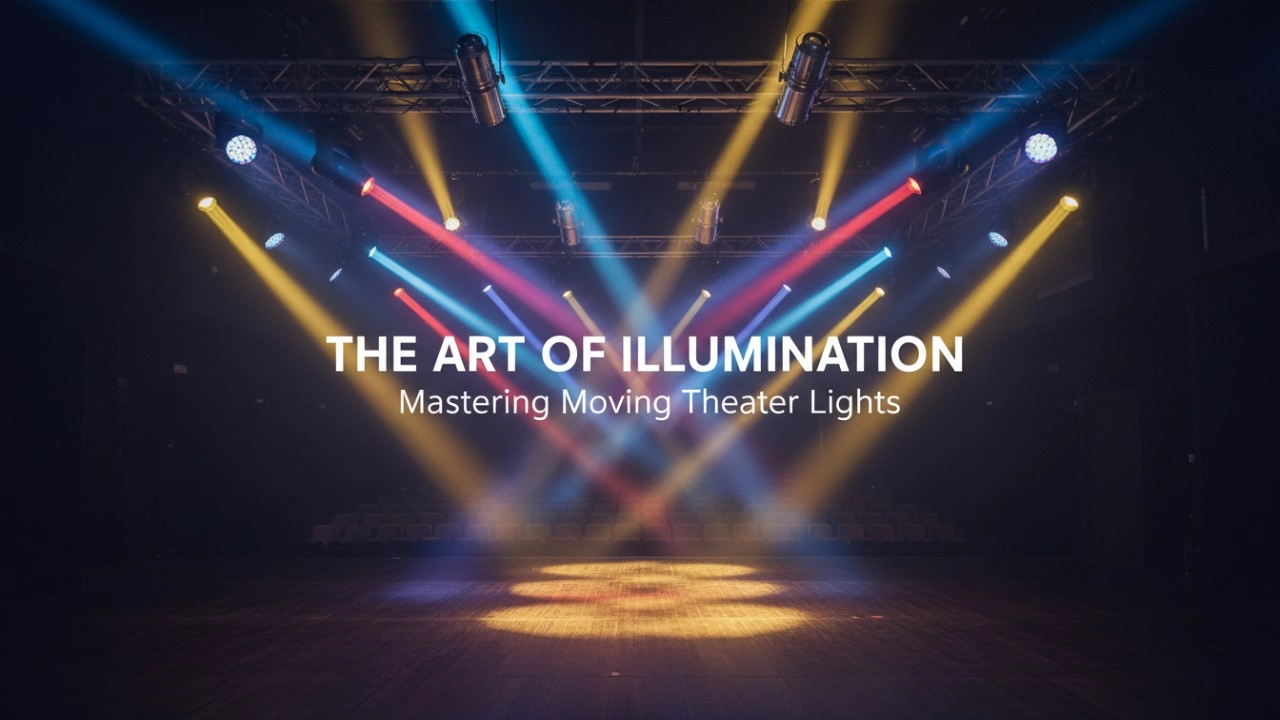
Spotlight vs. Floodlight vs. Beamlight: A Comparison of Moving Stage Lighting Fixtures
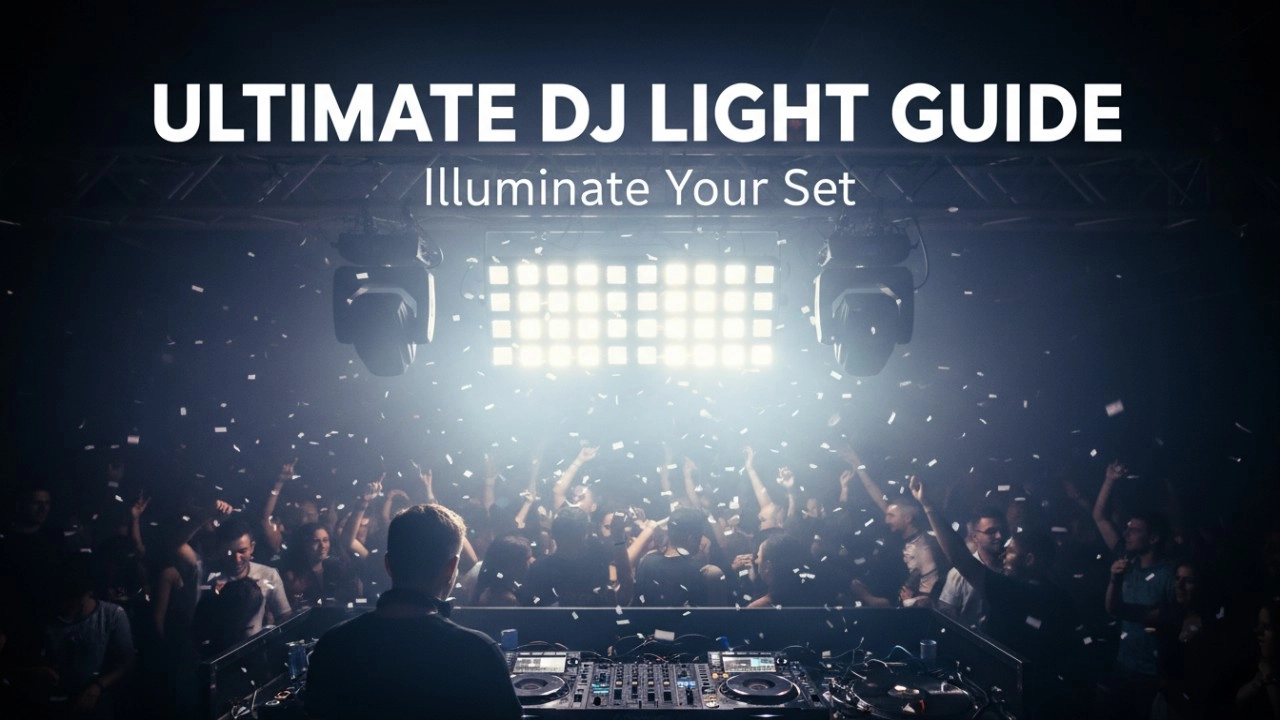
Mastering the Flash: 7 Advanced Strobe DJ Light Techniques for Pro Entertainers
Products
What is the lifespan of your LED stage lights?
Our LED lights use high-quality chips with a rated lifespan of over 50,000 hours. Proper usage and maintenance ensure long-term reliability and stable performance, making them a smart investment for any venue.
Do your lights support DMX512 and other control protocols?
Yes. All LiteLEES stage lights are fully compatible with DMX512. Many models also support RDM, Art-Net, and wireless DMX (optional), ensuring seamless integration with modern lighting control systems.
Are your lights suitable for large-scale events and outdoor use?
Yes. Our professional stage lights—especially the Beam, BSW 3-in-1, and LED Par Series—are engineered with high-output brightness, wide beam angles, and robust housing. Some models come with IP-rated protection, making them suitable for outdoor applications like concerts, festivals, and sports events.
Company
Can LiteLEES handle OEM/ODM orders?
Absolutely. With our strong R&D capabilities and advanced manufacturing, we can customize designs, features, and branding to meet your specific needs.
What is LiteLEES’s main business?
LiteLEES specializes in the design, development, manufacturing, and sales of professional stage lighting, including moving head lights, beam lights, spot lights, wash lights, and LED par lights.
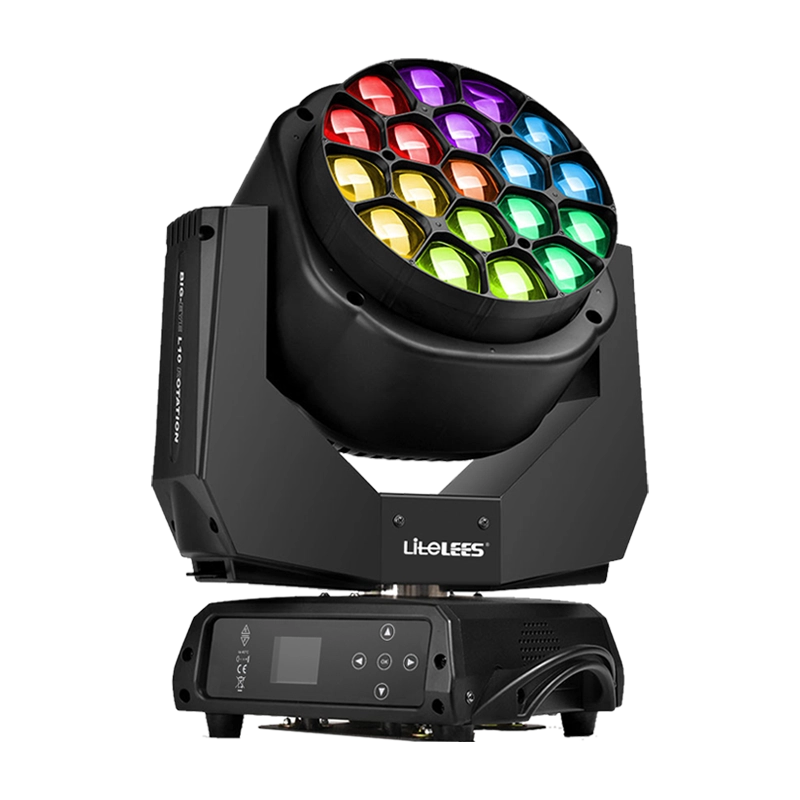

Stormy Shake Blinder IP
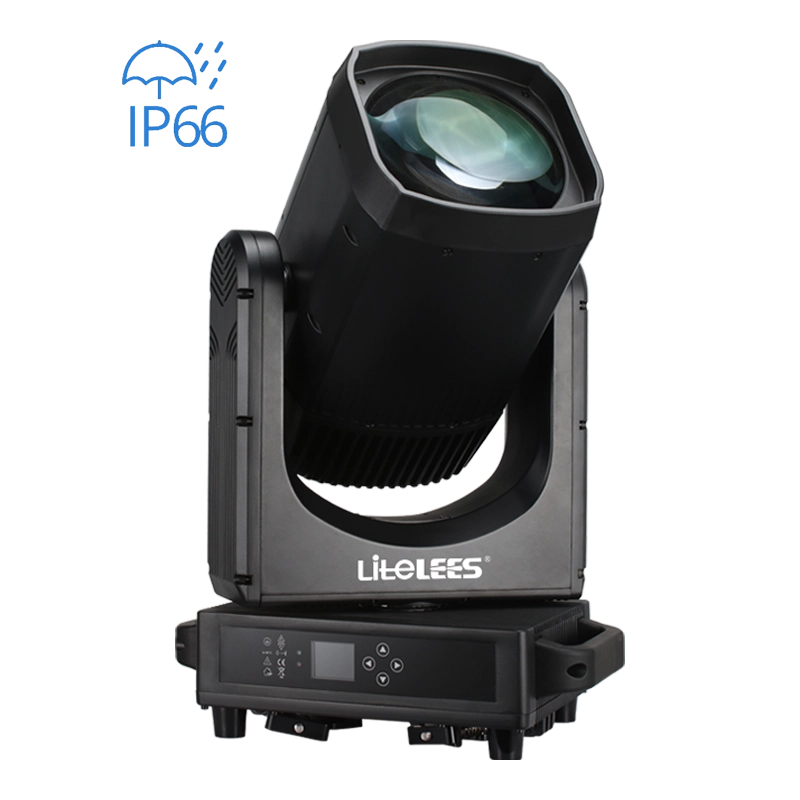
LiteLEES LUMIX BEAM 420 IP
LP Profile 900
Want to get more up-to-date information?
If you have any comments or good suggestions, please leave us a message; later our professional staff will contact you as soon as possible.

We are professional stage lighting manufacturers offering OEM and ODM LED stage lights.
Contact
Email us
Call us
Address
No.6 Longnan Road, Huashan Town, Huadu District Guangzhou, Guangdong Province, China.
LiteLEES Professional
Less Lighting