
7 Costly Mistakes to Avoid When Buying White LED Stage Lights for Your Venue (2026 Edition)
- Quick Summary: The White LED Buying Checklist
- What is a Professional White LED Stage Light?
- Mistake #1: Ignoring CRI and TLCI Ratings (The 'Green Skin' Effect)
- Mistake #2: Relying on Standard RGB for White Light
- Mistake #3: Overlooking PWM Refresh Rates (The Flicker Factor)
- Mistake #4: Mismatching Color Temperatures (Kelvin Clashes)
- Mistake #5: Misjudging Beam Angles and Throw Distance
- Mistake #6: Disregarding Fan Noise in Acoustic Spaces
- Mistake #7: Prioritizing Upfront Price Over Total Cost of Ownership (TCO)
- Future-Proofing Your Venue: Trends for 2026 and Beyond
- Conclusion
- What is the best color temperature for stage lighting?
- Why do my LED stage lights flicker on camera?
- Can I use RGB lights to make white light?
- What is a good CRI rating for stage lights?
- How many lumens do I need for a church stage?
- What is the difference between warm white and cool white LED?
- Do LED stage lights need a DMX controller?
- How long do white LED stage lights last?
Investing in High CRI LED stage lighting for video is one of the most critical decisions a venue manager or technical director can make in 2026. Whether you are upgrading a house of worship, a broadcast studio, or a theater, the shift to modern LED technology promises energy savings and versatility. However, the market is flooded with specifications that can be misleading, leading to expensive regrets. This guide identifies the seven most common purchasing errors to ensure your investment delivers professional results for years to come.
Quick Summary: The White LED Buying Checklist
Before diving into the details, here are the critical factors you must verify to protect your budget:
- Color Quality: Prioritize CRI >90 and TLCI >95 for natural skin tones on camera.
- Flicker-Free: Ensure a PWM refresh rate of 4,000Hz or higher to prevent video strobing.
- Spectrum: Understand that "White" is not a single color; matching Kelvin temperatures is vital.
- ROI: Cheap fixtures often cost more long-term due to failure rates and poor energy efficiency.
What is a Professional White LED Stage Light?
A professional white LED stage light is a high-output fixture engineered to produce accurate, high-fidelity illumination with a Color Rendering Index (CRI) of 90 or above, specifically designed to render natural skin tones and consistent visibility for live audiences and broadcast cameras. Unlike standard commercial lighting, these fixtures utilize specialized COB (Chip-on-Board) or WW/CW (Warm White/Cool White) arrays to maintain spectral integrity and allow for precise dimming without color shift.
Key Characteristics:
- High Color Fidelity: Essential for video broadcasting.
- Consistent Beam: No hotspots or dark edges.
- Silent Operation: Critical for acoustic environments.
Mistake #1: Ignoring CRI and TLCI Ratings (The 'Green Skin' Effect)
Buying high-output lights without verifying the Color Rendering Index (CRI) or Television Lighting Consistency Index (TLCI) will result in performers looking sickly or washed out on video.
Lumens measure brightness, but they do not measure quality. A light can be incredibly bright but miss key parts of the color spectrum (usually red), causing skin tones to look green or gray. As reported by EssentialPhoto & Video, while CRI measures how the human eye perceives color, TLCI is specifically designed to measure how a camera sensor reads light. For modern venues streaming to YouTube or Zoom, a high CRI is not enough; you need a high TLCI score to avoid spending hours color-correcting footage in post-production.
The Risks of Low Quality Light:
- Unflattering Video: Speakers look unnatural, distracting online viewers.
- Post-Production Costs: Wasted time trying to fix colors in editing.
- Replacement Costs: You may have to buy new lights effectively twice.
Mistake #2: Relying on Standard RGB for White Light
Attempting to create white light by mixing Red, Green, and Blue (RGB) diodes results in a spectrum-deficient, synthetic white that casts unnatural multi-colored shadows.
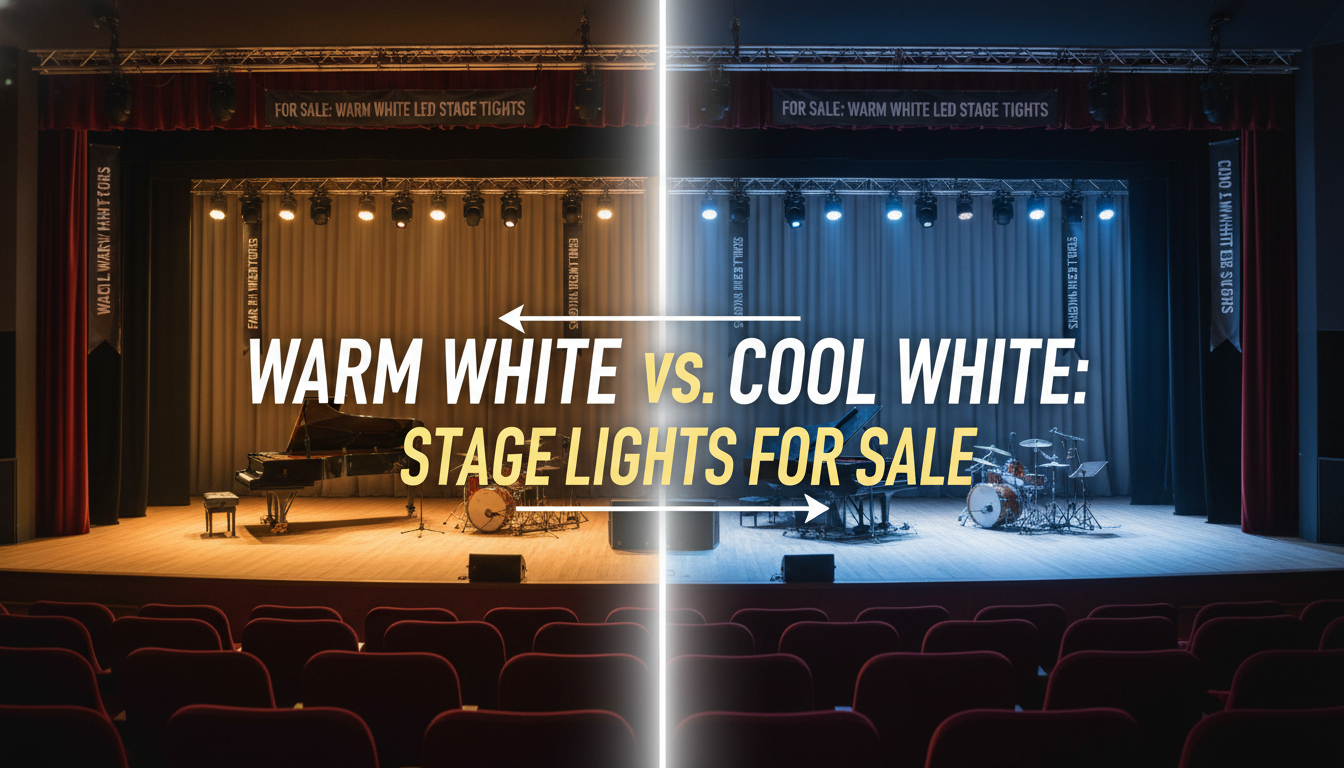
Physics dictates that while RGB can theoretically mix to white, it lacks the amber and white parts of the spectrum found in natural light. This creates "spiky" light that looks artificial. This is where understanding Warm white vs cool white stage lights becomes essential. Dedicated white diodes (or RGBW/RGBWW fixtures) fill in these spectral gaps, providing a full, rich light that renders costumes and sets accurately.
Why Dedicated White Matters:
- Shadow Consistency: RGB mixing often creates "rainbow shadows" on the floor.
- Brightness: dedicated White chips are significantly brighter than mixed RGB.
- Spectral Depth: Dedicated white arrays provide the necessary warmth for intimate scenes.
Mistake #3: Overlooking PWM Refresh Rates (The Flicker Factor)
Purchasing LED fixtures with low Pulse Width Modulation (PWM) refresh rates causes visible strobing, banding, or flickering on HD and 4K cameras.
LEDs dim by turning on and off thousands of times per second. If this rate is too slow, it clashes with your camera's shutter speed. According to Longman Lighting, a refresh rate of at least 4,000Hz is recommended for professional broadcast environments to ensure flicker-free operation. This is particularly crucial when sourcing Flicker-free LED lights for church environments where livestreaming is a core part of the service.
How to Verify Flicker-Free Specs:
- Check the Datasheet: Look for "PWM" or "Refresh Rate" >4,000Hz.
- Test with a Phone: Record the light in Slow-Motion mode on your smartphone to see if it bands.
- Variable PWM: Look for fixtures that allow you to adjust the frequency via DMX.
Mistake #4: Mismatching Color Temperatures (Kelvin Clashes)
Mixing fixtures with different Kelvin temperatures (e.g., 3000K and 6000K) without a plan creates a chaotic, unprofessional visual aesthetic that is difficult to balance on camera.
Color temperature is measured in Kelvin. A 3000K light looks like a sunset (orange/warm), while a 6000K light looks like noon daylight (blue/cool). If you buy fixed-white fixtures that don't match your existing rig, your stage will look patchy. The modern solution is investing in Tunable white LED fixtures, which allow you to adjust the temperature from warm to cool instantly, matching any environment.
Benefits of Tunable White:
- Versatility: One fixture can serve both a cozy jazz concert and a high-energy corporate event.
- Camera Balancing: Easily match the stage lights to the camera's white balance settings.
- Inventory Simplicity: Stock one type of light for all applications.
Mistake #5: Misjudging Beam Angles and Throw Distance
Selecting a fixture with the wrong beam angle for your throw distance results in a stage that is either too dark or has blindingly bright hotspots.
Light intensity drops off rapidly over distance, a phenomenon known as the Inverse-square law. As described by Wikipedia, doubling the distance from the light source spreads the light over four times the area, reducing intensity to one-quarter. You must calculate the distance from the lighting bar to the stage (throw distance) and choose a beam angle (e.g., 19°, 26°, 50°) that provides even coverage.
Tools for Success:
- Photometric Charts: Use the manufacturer's data to predict brightness at specific distances.
- Zoom Fixtures: Consider lights with motorized zoom for flexibility.
- Wash vs. Spot: Know when to use a wide wash (fill light) versus a narrow spot (key light).
Mistake #6: Disregarding Fan Noise in Acoustic Spaces
Ignoring the noise level of cooling fans can ruin the audio quality of quiet performances, theater productions, and spoken-word services.
High-output LEDs generate heat and require cooling. Cheap fixtures often use loud, always-on fans. In a quiet theater or church, this creates a hum that microphones pick up, raising the noise floor of your recording. Look for fixtures with "Silent Mode," temperature-controlled fans, or convection cooling (fanless) designs.
Noise Management Tips:
- Check dB Ratings: Look for fixtures rated under 30dB for quiet venues.
- Smart Cooling: Fixtures that turn fans off when the light is dimmed.
- Distance: Place noisier fixtures further away from the audience and microphones.
Mistake #7: Prioritizing Upfront Price Over Total Cost of Ownership (TCO)
Buying the cheapest available option often leads to higher long-term costs due to frequent repairs, lack of spare parts, and energy inefficiency.
Professional venues require reliability. A cheap plastic fixture may save money today, but if the power supply fails mid-show in six months, the cost to your reputation is immense. Furthermore, a proper DMX stage lighting setup requires fixtures that adhere to standard protocols and have robust connectors (5-pin XLR, PowerCon) that survive daily use.
TCO Factors:
- Build Quality: Aluminum housing lasts longer than plastic.
- Repairability: Can you buy a replacement motherboard or LED chip?
- Warranty: specific brands offer 2-5 year warranties; generic imports often offer none.
Future-Proofing Your Venue: Trends for 2026 and Beyond
As we move further into the decade, stage lighting technology continues to evolve. Future-proofing means looking beyond basic illumination.
- IP Ratings: Waterproof (IP65) lights are becoming standard for indoor use to protect against dust and fog fluid residue.
- Multi-Spectral Engines: Moving beyond RGBW to Red, Green, Blue, Amber, Cyan, and Lime for perfect color matching.
- Automated Tracking: Systems that allow lights to automatically follow performers.
Conclusion
Upgrading your venue's lighting is a significant financial commitment. By avoiding these common mistakes—ignoring CRI, neglecting flicker rates, and mismatching color temperatures—you ensure your stage looks professional to both the live audience and the camera lens. Lighting is an investment in your brand's visual identity.
Contact us today to optimize your stage lighting strategy with professional, video-ready solutions.
What is the best color temperature for stage lighting?
For traditional theater or skin tone warmth, 3000K-3200K (Warm White) is ideal. For modern concerts or high-contrast looks, 5600K-6000K (Cool White) is preferred. Tunable white fixtures offer the best flexibility.
Why do my LED stage lights flicker on camera?
Flicker is caused by low Pulse Width Modulation (PWM) refresh rates. Standard cameras capture at 30 or 60fps; if the LED dims (refreshes) slower than the shutter speed, you see banding. Ensure fixtures have a refresh rate above 4000Hz.
Can I use RGB lights to make white light?
Technically yes, but it is not recommended for key lighting. Mixing RGB creates a 'synthetic' white that often lacks spectral depth, resulting in unnatural skin tones and multi-colored shadows. Use RGBW or dedicated White LEDs instead.
What is a good CRI rating for stage lights?
For professional stage lighting, a CRI (Color Rendering Index) of 90 or higher is recommended. For broadcast or high-definition video, aim for a CRI of 95+ or a high TLCI score.
How many lumens do I need for a church stage?
This depends on the throw distance (height of mounting). Generally, you need enough output to achieve 50-70 foot-candles on the subject's face. For a 20ft throw, a fixture with 10,000+ lumens is often a starting point.
What is the difference between warm white and cool white LED?
Warm White (approx. 3000K) resembles tungsten/incandescent light and feels cozy/natural. Cool White (approx. 6000K) resembles daylight and feels energetic/clinical. Mixing them unintentionally looks unprofessional.
Do LED stage lights need a DMX controller?
To unlock their full potential (dimming, color changing, zoning), yes. However, most professional white LED stage lights for sale also have 'stand-alone' or 'sound-active' modes for simple setups.
How long do white LED stage lights last?
Quality LED fixtures are typically rated for 50,000 hours of use. However, this depends on thermal management; poor cooling (fans/heatsinks) will significantly shorten the lifespan of the diode.
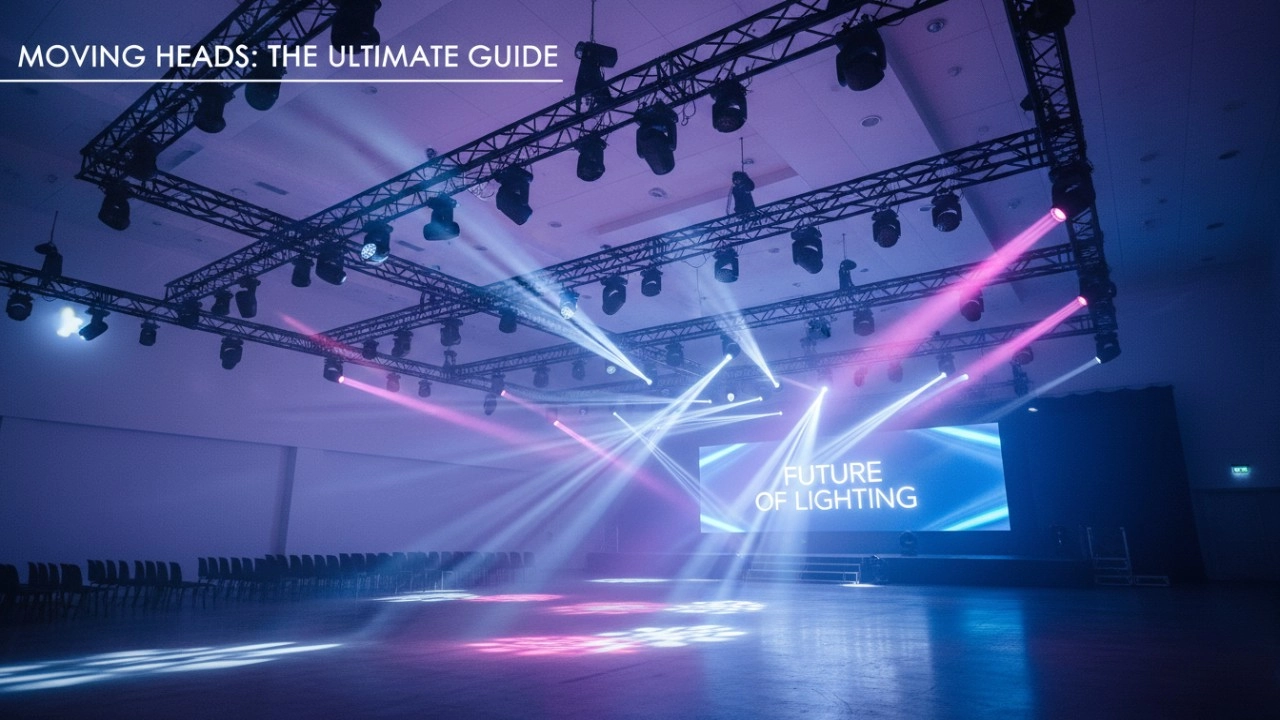
A Stage of Limitless Possibilities: Moving Head lights Deliver Precise Control and Versatile Effects
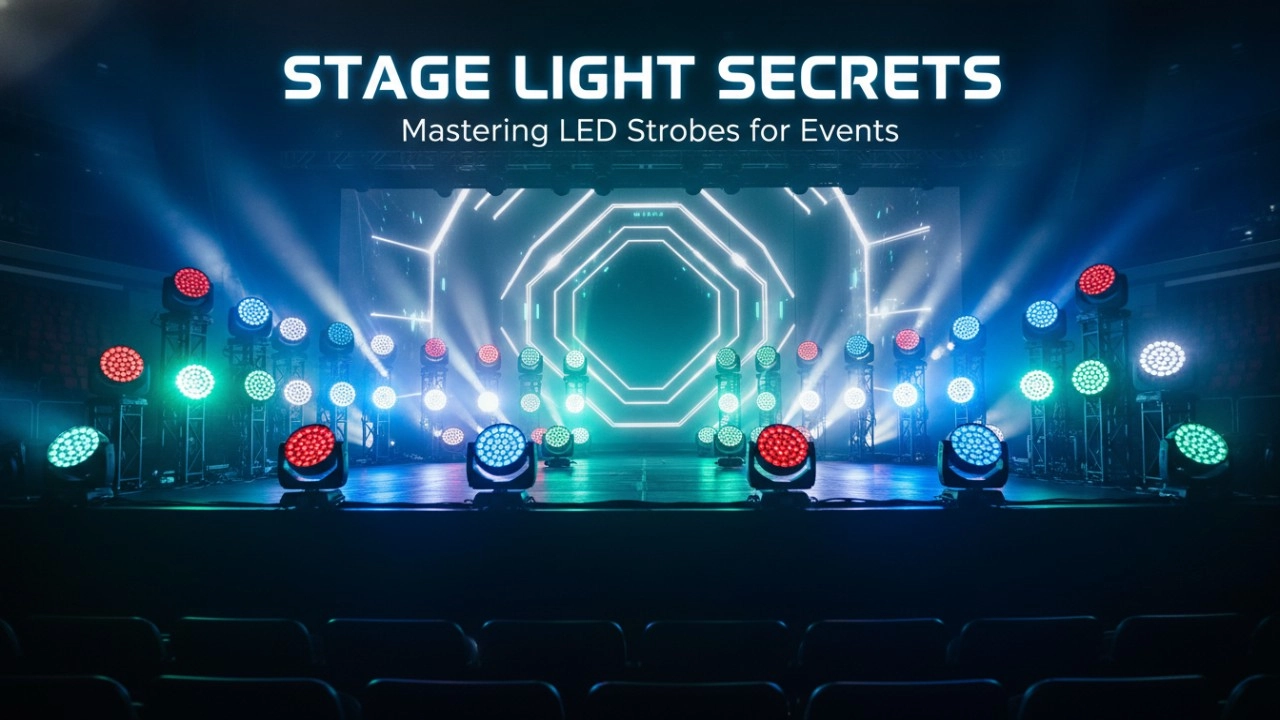
LED Stage Strobe Light Comparison: Performance, Power, and Pricing Guide
Why Your Venue Needs LED Beam Lights: A Cost-Benefit Analysis
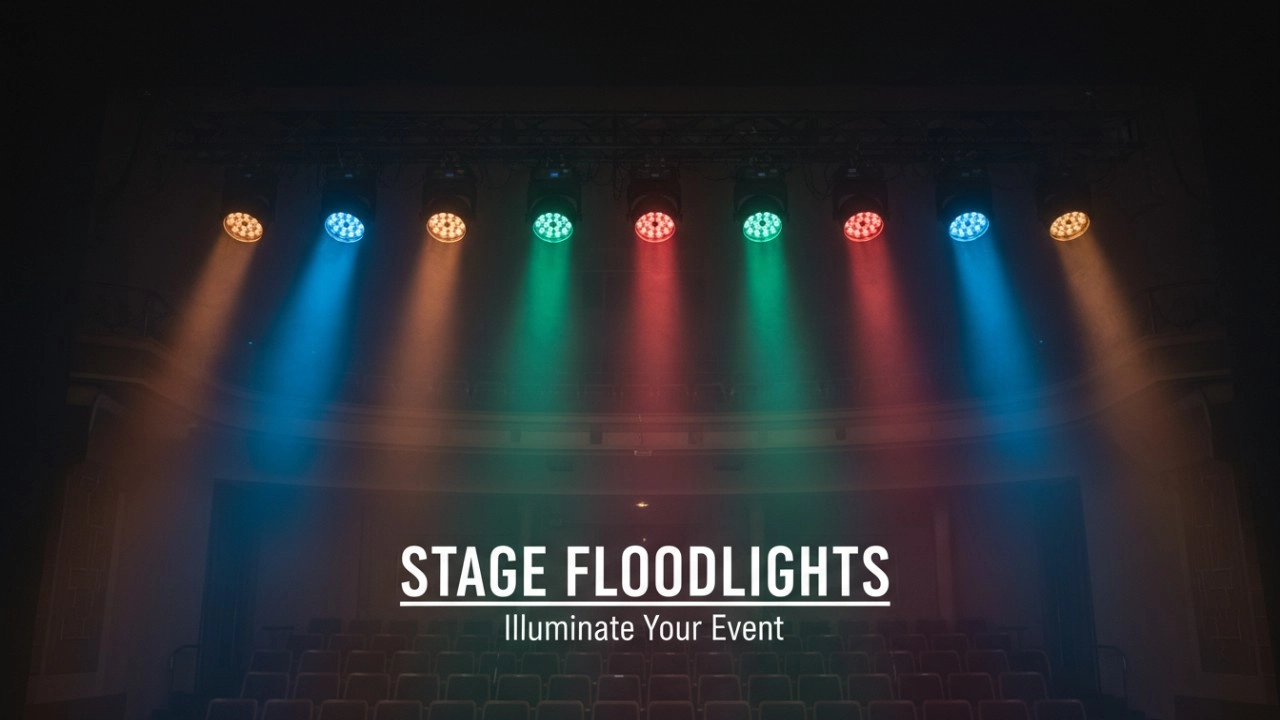
Spotlight vs. Stage Flood Lights: Which One Does Your Production Actually Need?
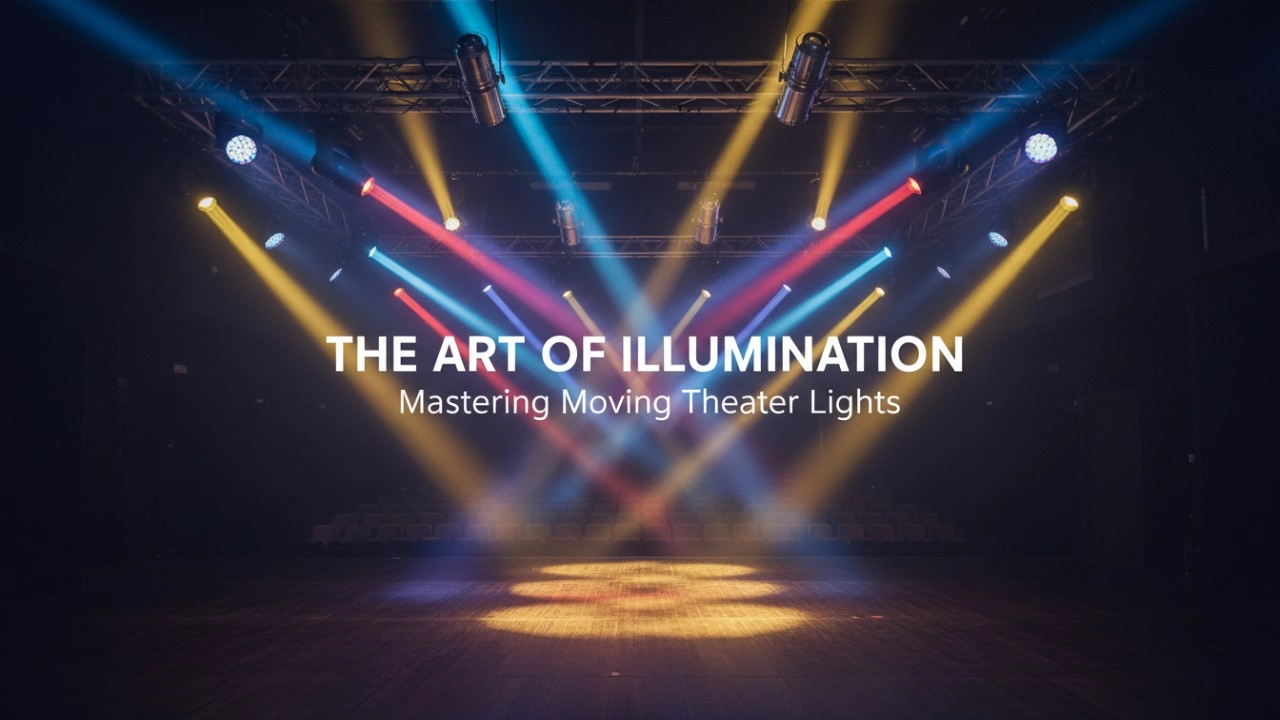
Spotlight vs. Floodlight vs. Beamlight: A Comparison of Moving Stage Lighting Fixtures
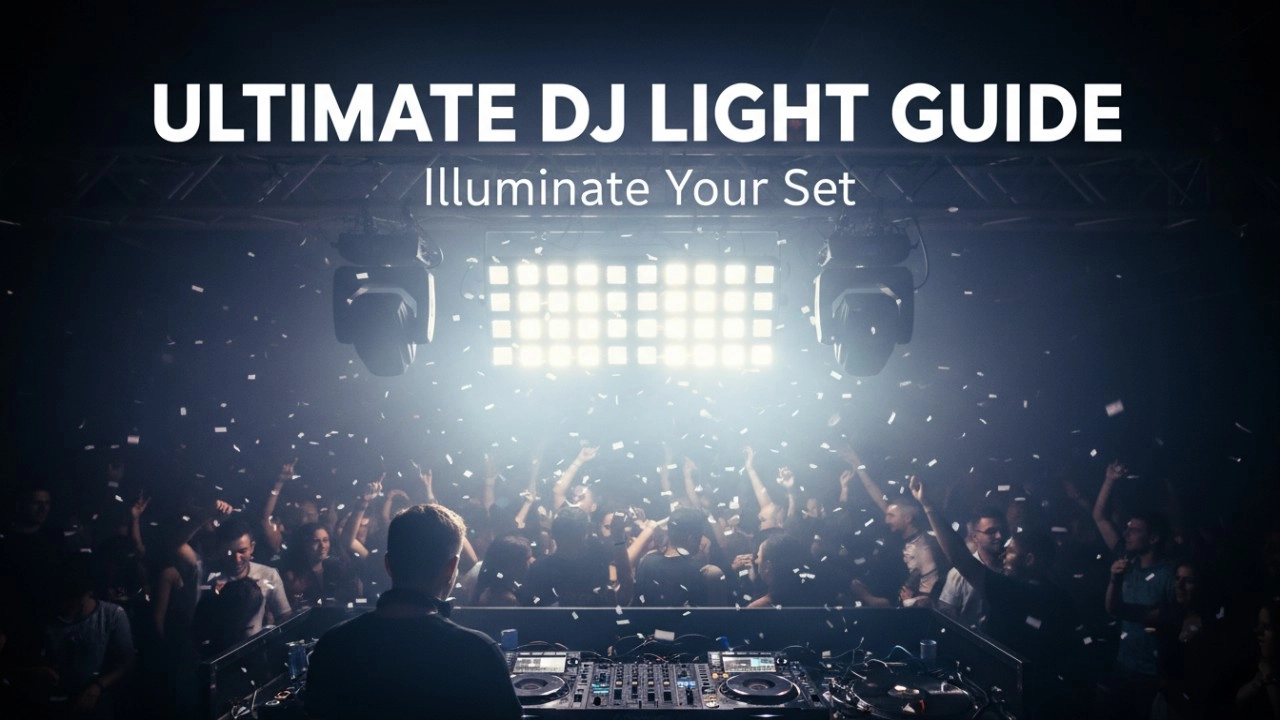
Mastering the Flash: 7 Advanced Strobe DJ Light Techniques for Pro Entertainers
Company
Where is LiteLEES located?
Our headquarters and manufacturing facility are located in Guangzhou, China, with products exported to over 70 countries worldwide.
Products
What is the lifespan of your LED stage lights?
Our LED lights use high-quality chips with a rated lifespan of over 50,000 hours. Proper usage and maintenance ensure long-term reliability and stable performance, making them a smart investment for any venue.
Are your lights suitable for large-scale events and outdoor use?
Yes. Our professional stage lights—especially the Beam, BSW 3-in-1, and LED Par Series—are engineered with high-output brightness, wide beam angles, and robust housing. Some models come with IP-rated protection, making them suitable for outdoor applications like concerts, festivals, and sports events.
Can I customize the functions or software of the lights?
Absolutely. As a manufacturer with independent R&D capabilities, we offer customization for both hardware and software (such as DMX channel layout, built-in programs, or UI language). Contact us with your project needs, and our team will provide tailored solutions.
Do your lights support DMX512 and other control protocols?
Yes. All LiteLEES stage lights are fully compatible with DMX512. Many models also support RDM, Art-Net, and wireless DMX (optional), ensuring seamless integration with modern lighting control systems.
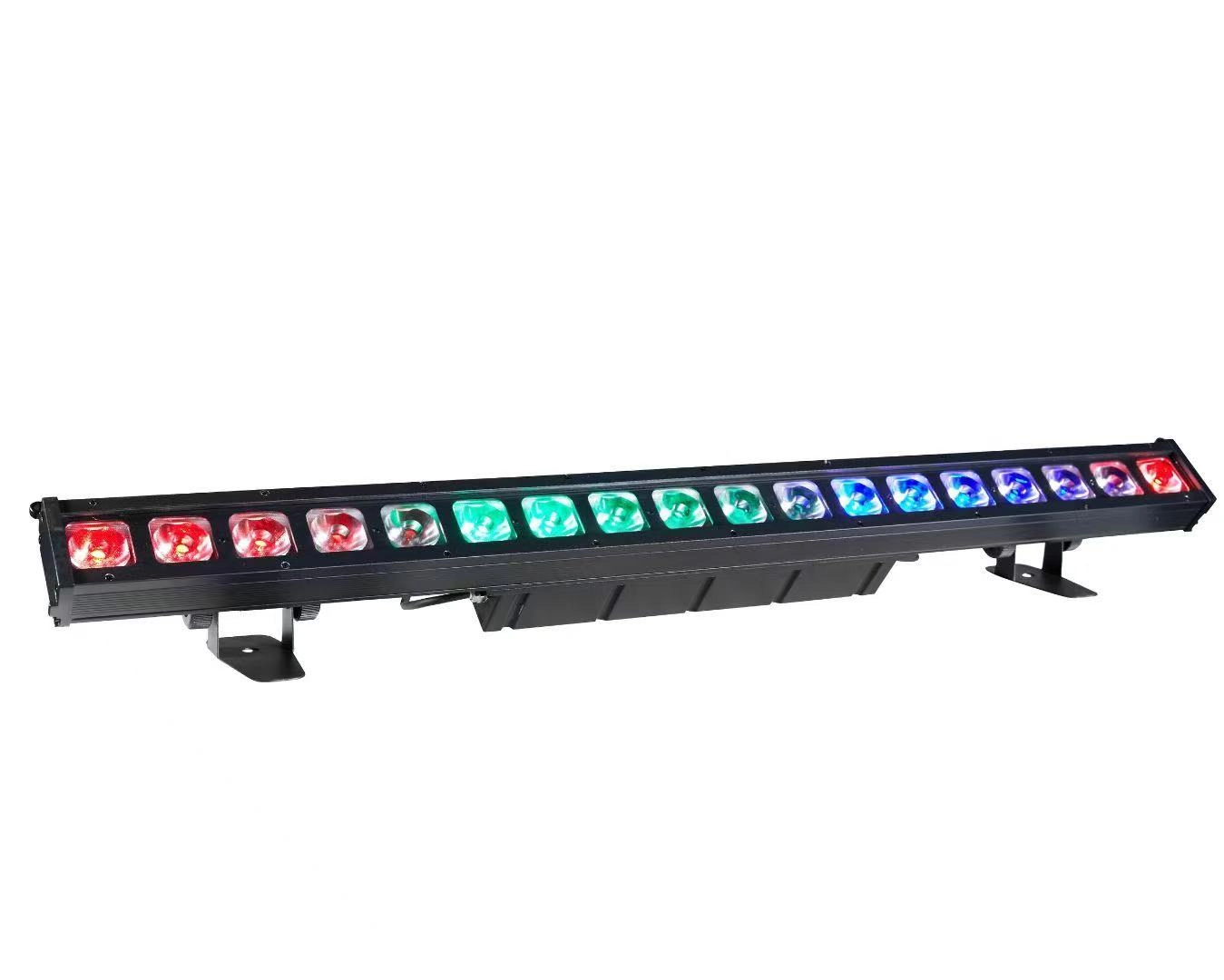
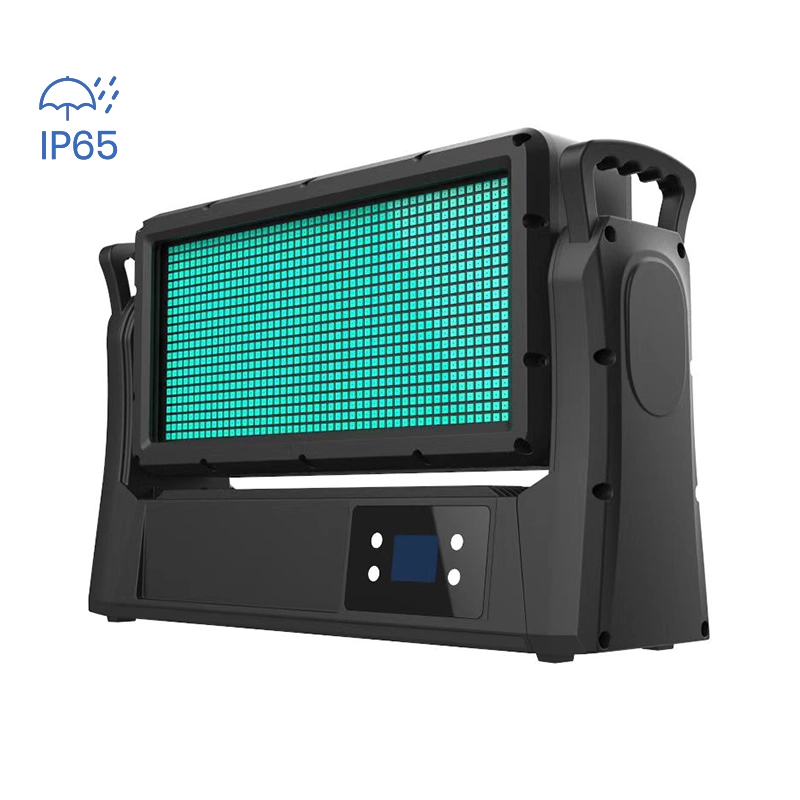
Stormy Supreme 600 IP
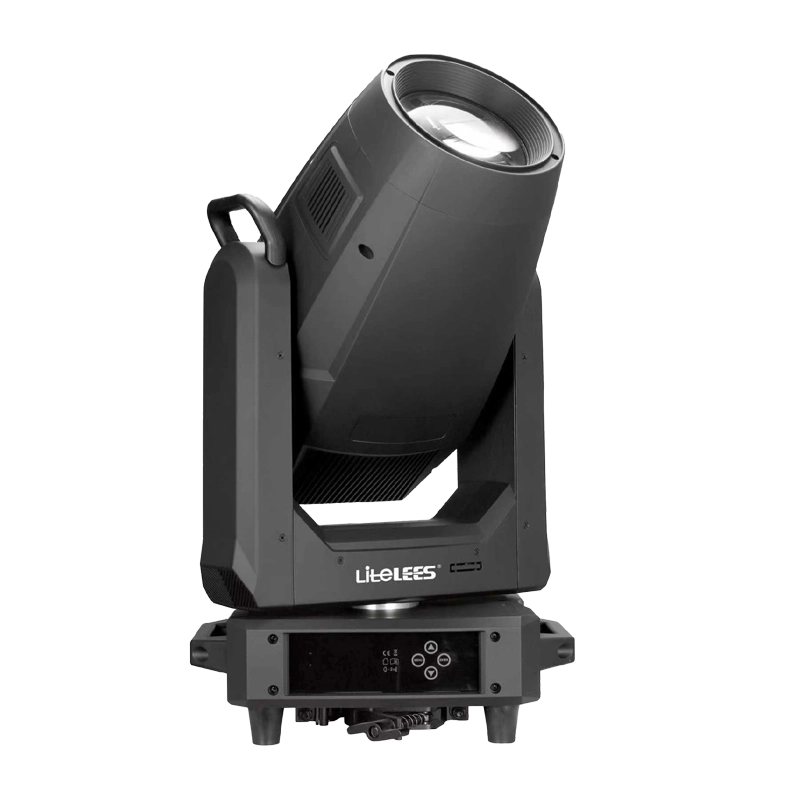
LP Profile 900
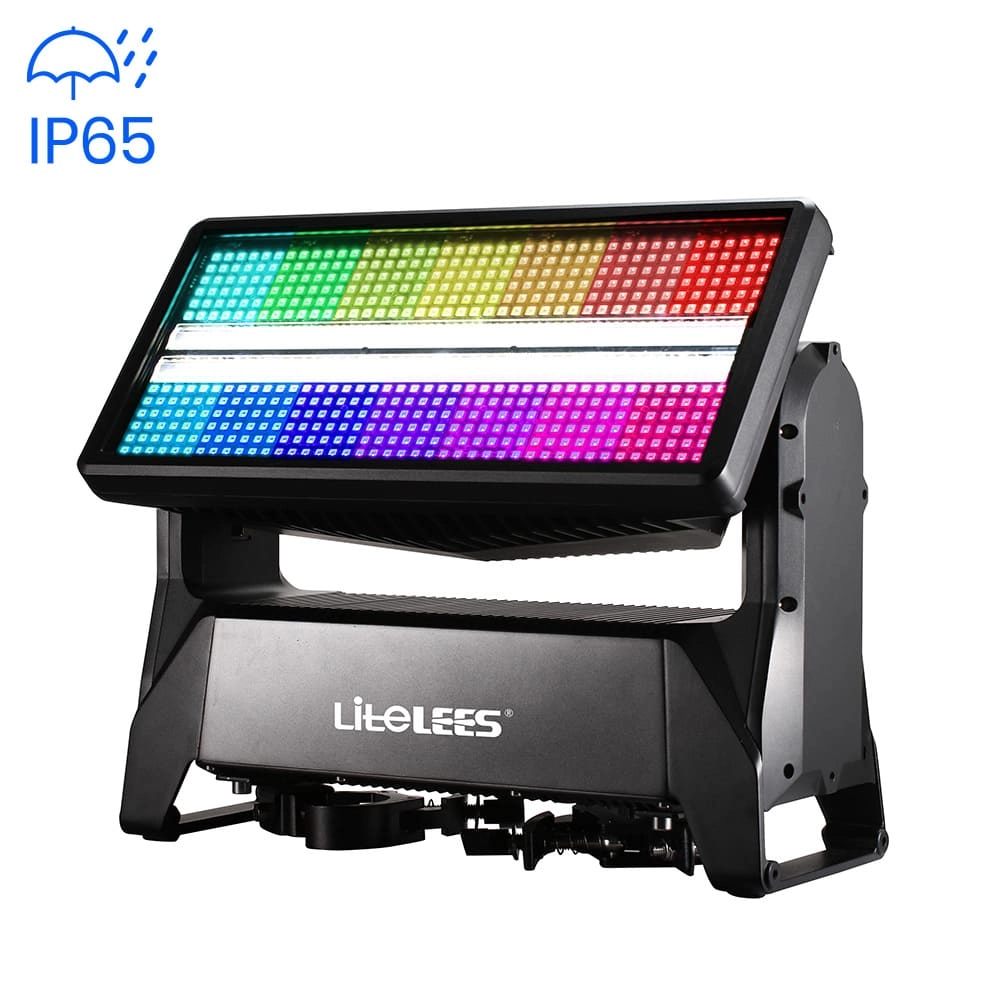
Stormy STRIKE M IP
Want to get more up-to-date information?
If you have any comments or good suggestions, please leave us a message; later our professional staff will contact you as soon as possible.

We are professional stage lighting manufacturers offering OEM and ODM LED stage lights.
Contact
Email us
Call us
Address
No.6 Longnan Road, Huashan Town, Huadu District Guangzhou, Guangdong Province, China.
LiteLEES Professional
Less Lighting